Skip to Content Facebook Feature Image

China, Pakistan pledge to strengthen alignment of development strategies

China

China

China

China, Pakistan pledge to strengthen alignment of development strategies

2025-02-19 22:26 Last Updated At:02-20 02:17

China and Pakistan agreed on Tuesday to strengthen the alignment of their development strategies and deepen cooperation.

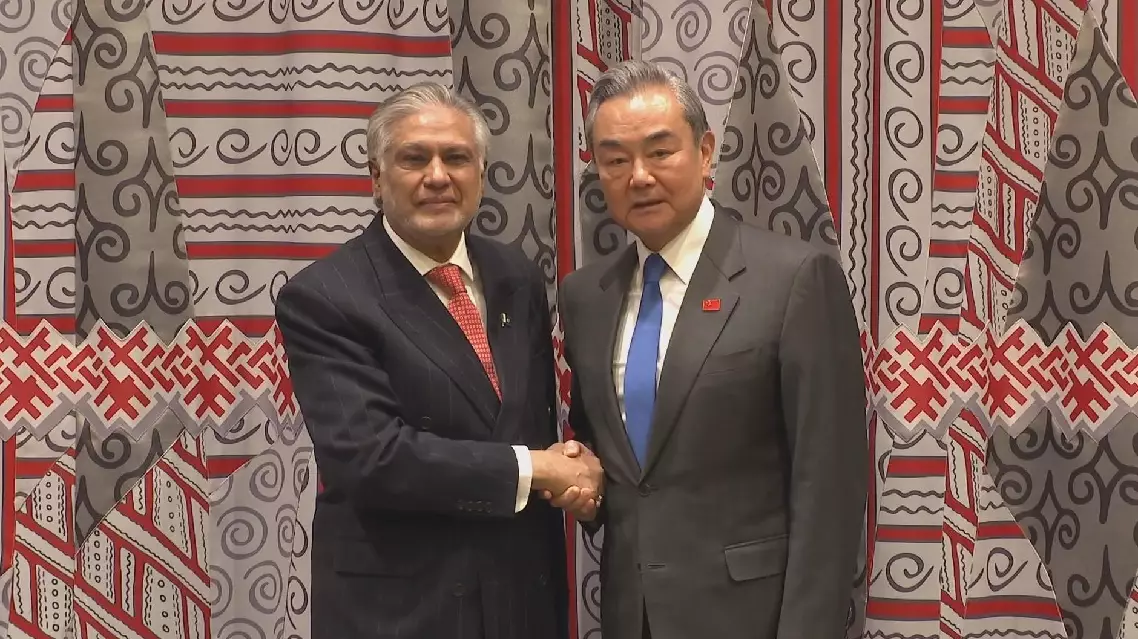
The pledge was made during a meeting between Chinese Foreign Minister Wang Yi and Pakistani Deputy Prime Minister and Foreign Minister Ishaq Dar at the United Nations headquarters.

Noting that this year marks the 80th anniversary of the founding of the United Nations, Wang said it is an opportune time to revisit the original aspirations behind its establishment, to practice and promote multilateralism, and to reform and improve global governance.

In response to the current deficits in peace, development, security, and governance faced by the international community, China proposed the convening of this high-level meeting of the Security Council, aiming to gather broader international consensus and formulate a collective approach to address these challenges, Wang said.

China is willing to work together with the international community, including Pakistan, to jointly drive the meeting towards achieving positive outcomes and to accelerate the establishment of a just and equitable global governance system, he said.

Noting that China and Pakistan are all-weather strategic cooperative partners, and the two sides have always trusted and supported each other, the Chinese foreign minister said Pakistan has been a high priority in China's neighborhood diplomacy.

China will continue to stand firm for justice and speak up for Pakistan on international issues, strengthen the alignment of development strategies with Pakistan, and deepen cooperation particularly in agricultural modernization and industrialization to help Pakistan enhance its capacity for independent development, Wang said.

It is hoped that the Pakistani side will take effective measures to earnestly ensure the safety of Chinese personnel, projects, and institutions in Pakistan, he said.

For his part, Dar said President Asif Ali Zardari's recent visit to China was a great success, elevating the all-weather strategic cooperative partnership between Pakistan and China to new heights, with efficient progress in cooperation across various fields. Pakistan looks forward to strengthening high-level exchanges and deepening developmental alignment with China.

Pakistan attaches great importance to and will spare no effort in ensuring the safety of Chinese institutions and brothers and sisters in Pakistan, he said.

Under the current circumstances, it is timely for China to initiate this high-level meeting and Pakistan appreciates China's leadership in the global agenda, and will continue to work closely with China, offering mutual support, Dar said.
China, Pakistan pledge to strengthen alignment of development strategies
China, Pakistan pledge to strengthen alignment of development strategies

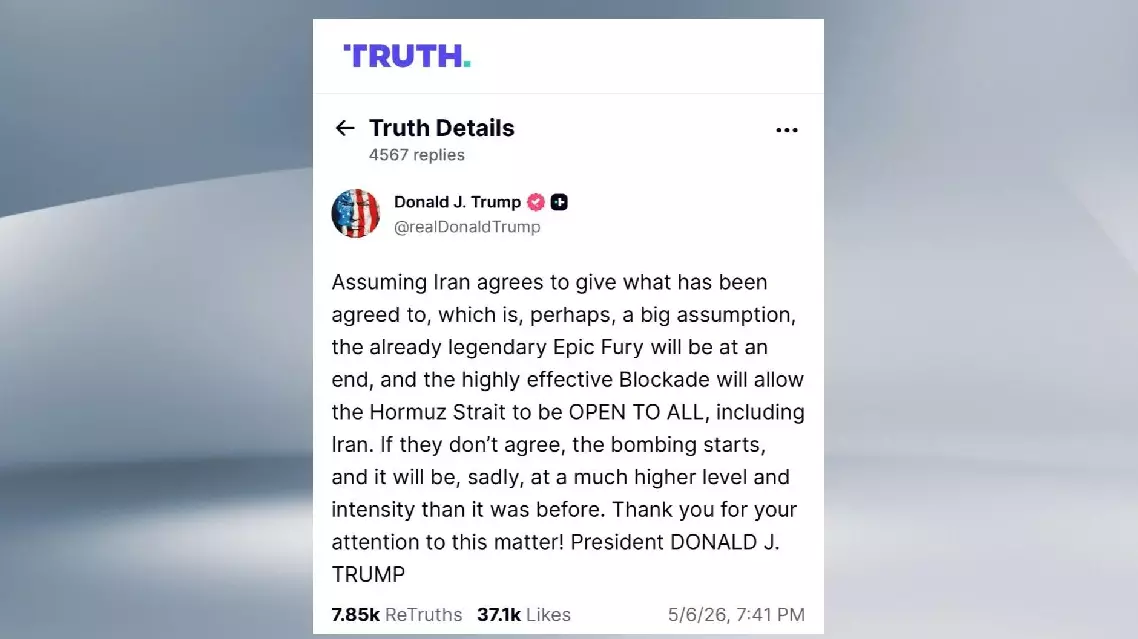
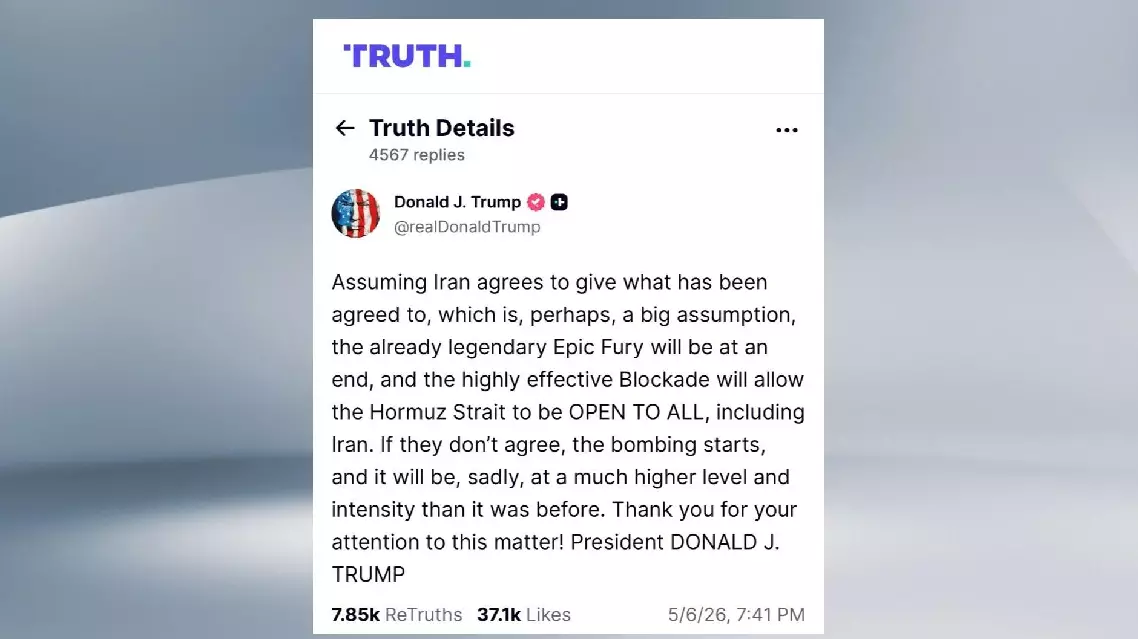
U.S. President Donald Trump on Wednesday threatened to intensify airstrikes against Iran if a peace deal is not reached, while Tehran vowed it would not let Washington exit the crisis without paying a price.

"Assuming Iran agrees to give what has been agreed to, which is, perhaps, a big assumption, the already legendary Epic Fury will be at an end, and the highly effective Blockade will allow the Hormuz Strait to be OPEN TO ALL, including Iran," Trump wrote in a post on Truth Social.

"If they don't agree, the bombing starts, and it will be, sadly, at a much higher level and intensity than it was before," he added.

On the same day, Mohsen Rezaei, a senior military advisor to Iran's Supreme Leader, said in an interview that Iran would not allow the United States to extricate itself from the crisis without paying a price.

Rezaei dismissed the U.S. proposal to reopen the Strait of Hormuz as a "show" designed to facilitate a withdrawal from the region, asserting that Iran would not allow it.

He emphasized that the United States must compensate Iran for incurred losses, adding that Tehran "will certainly obtain its rights and compensation."

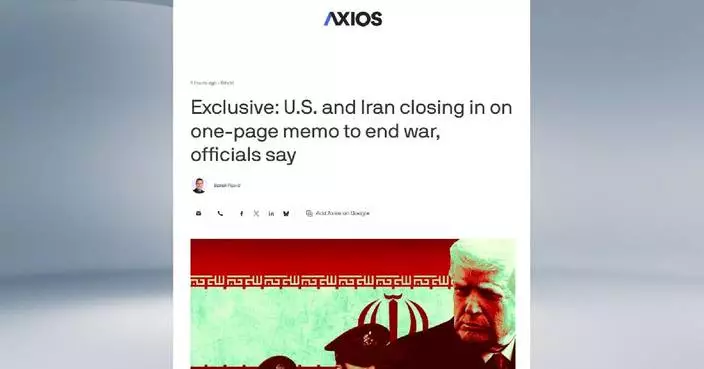
The United States and Iran are close to agreeing a one-page memo to end their war, U.S. online media outlet Axios reported on Wednesday.

A potential deal would involve Iran committing to a moratorium on nuclear enrichment and the United States agreeing to lift sanctions, with both sides lifting restrictions on transit through the Strait of Hormuz, it said.

The New York Post reported on Wednesday that Trump said it is "too soon" to start thinking about face-to-face peace talks between the United States and Iran, despite optimistic reports that the two nations were closing in on a potential framework to end their war.

The United States and Israel began attacks on Tehran and other Iranian cities on Feb 28, killing senior Iranian officials and civilians, including then-Supreme Leader Ali Khamenei. Iran responded with missile and drone attacks against Israel and U.S. interests in the region and tightened control over the Strait of Hormuz.

A ceasefire took effect on April 8. Talks between the Iranian and U.S. delegations in Islamabad on April 11-12 ended without an agreement. After negotiations collapsed, the U.S. imposed a blockade of the strait.

Trump threatens heavier bombing if no deal reached, Iran seeks reparations

Trump threatens heavier bombing if no deal reached, Iran seeks reparations

Trump threatens heavier bombing if no deal reached, Iran seeks reparations

Trump threatens heavier bombing if no deal reached, Iran seeks reparations

Recommended Articles