U.S. President Donald Trump's style of governance risks turning towards a form of cronyism, which only serves the interests of a select group of individuals, who are close to the president, rather than delivering policies that benefit the U.S. public, according to a scholar.
Stuart Malawer, a distinguished service professor of law and international trade at George Mason University, made the remarks during a recent interview with China Global Television Network (CGTN).
Malawer said the continuous tariff threats from Trump is an example of his coercive personality, which has been influencing his conducts, career, and even the policy making in the White House.
"From the time he was in real estate, in Queens, New York, the time he was in the White House, that's how he's conducted his personal, professional and political life, through threats," he said.
Since taking office to start his second term last month, Trump has signed a series of executive orders and announced a blitz of aggressive trade measures as part of his so-called "America First" agenda.
The latest Trump tariff announcement came on Wednesday with the President saying he intends to impose tariffs of around 25 percent on auto imports.
On Feb. 10, Trump raised tariffs on aluminum from 10 percent to 25 percent and ended exemptions and exclusions for steel and aluminum tariffs.
These tariff policies have sparked widespread opposition, with analysts saying the measures undermine the rules-based multilateral trading system, impact the global supply chain, hinder global economic recovery, and harm the interests of all parties.
Noting that Trump's tariffs will cause even higher inflation at home and force the ordinary Americans to pay for the price, Malawer warned the decision to impose tariffs on certain goods can potentially leave room for a small group of elites to influence decision making in the White House, thus creating cronyism and lack of transparency in the U.S. political system.
"What it really does is create a cronyism and a political system where the interests of particular parties, which rival between themselves, will try to influence the governments and political actions. So, the answer to your question, yes, it's going to favor not just his (Trump's) political friends, but it will go back in a sense to the past of where it's cronyism, not really public policy objectives that are negotiated and discussed in the open," he said.
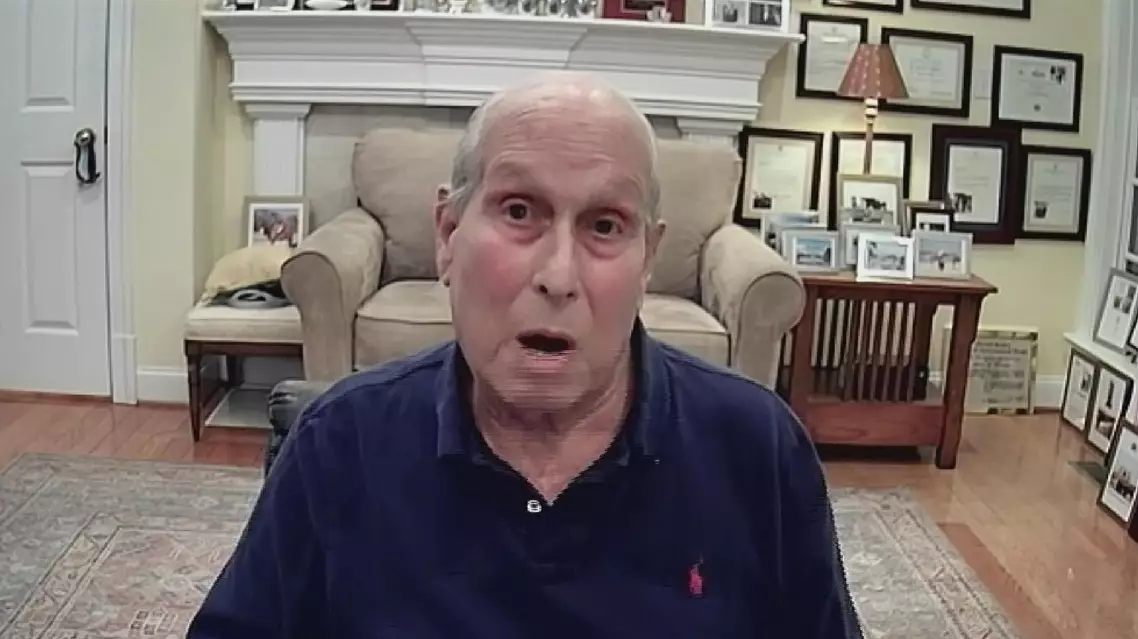
Trump's governance style risks creating cronyism: scholar
The U.S. embargo against Cuba is violating fundamental rights and worsening shortages of food and medicine, Aleida Guevara, daughter of revolutionary leader Ernesto "Che" Guevara, said Monday in an interview.
Her comments came on the sidelines of an international solidarity conference in Berlin, where activists warned that the United States' decades-long blockade has shifted from a political tool to a humanitarian crisis, cutting off basic supplies and isolating Cuba from global trade.
"The blockade is one of the worst things that a country can experience, causing years of severe suffering for the Cuban people. The embargo should not affect food and medicine, but it hit those basic needs first -- food and medicine for the people. So for many years, we have faced constant shortages of supplies," she said.
Guevara, a pediatrician at a Havana children’s hospital, said U.S. sanctions prevent pharmaceutical companies from selling medicines to Cuba, directly harming public health. She added that Washington’s measures, imposed in the name of democracy and human rights, have instead created a humanitarian crisis.
"It is unacceptable that the U.S. is trying to prevent other countries in the world from engaging in free trade with Cuba. This is damaging every aspect of our lives. People's lives are affected. Food, medicine, and transportation -- everything is impacted," she said.
The embargo dates back more than half a century. Rooted in the Trading with the Enemy Act of World War I, it was formally codified when President John F. Kennedy signed an executive order in 1962, launching an economic, commercial and financial blockade that has survived 11 successive U.S. administrations.
Today, Cuba is enduring one of its worst economic crises since the 1990s. The island has suffered three nationwide blackouts in March, while gasoline shortages have crippled hospitals, slashed public transport, and strained essential services. Since January, the Trump administration has imposed new oil restrictions and repeatedly issued military threats, further tightening pressure on Havana.
Aleida Guevara’s comments carry symbolic weight given her father’s legacy. Born in Argentina in 1928, Ernesto "Che" Guevara trained as a doctor before joining Fidel Castro’s insurgency in 1956 to overthrow Cuban dictator Fulgencio Batista. After playing a leading role in the rebel victory, he left Cuba to pursue revolutionary struggles abroad, eventually being killed in Bolivia in 1967.
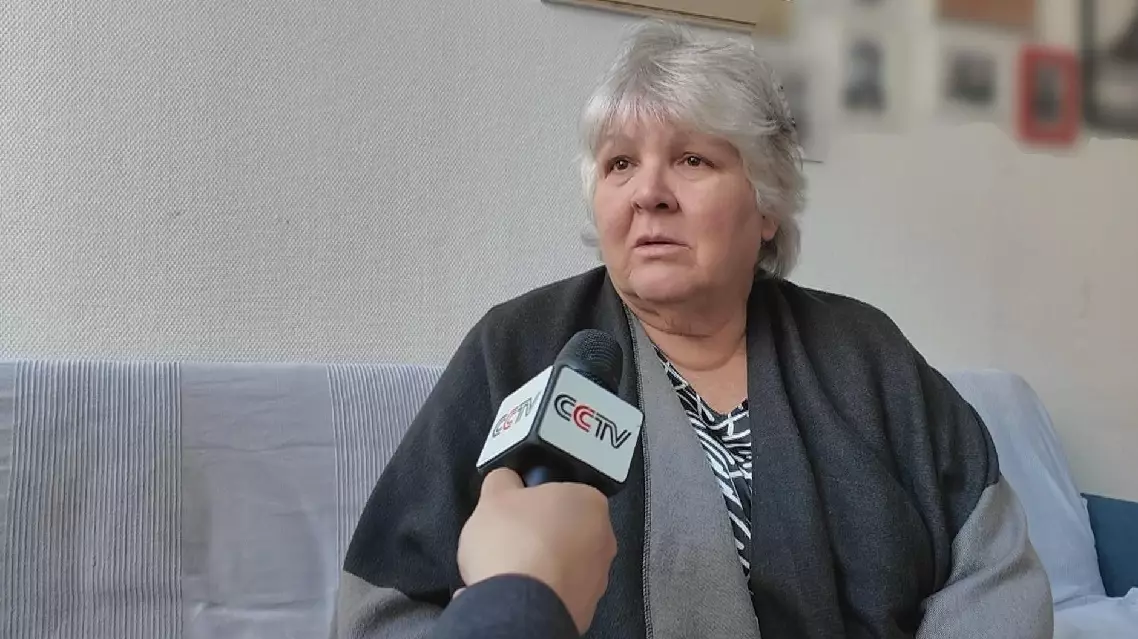
Guevara's daughter warns US embargo deepening Cuba’s humanitarian crisis
Guevara's daughter warns US embargo deepening Cuba’s humanitarian crisis