Scores of Chinese cities have announced plans to reclaim and acquire idle land using special-purpose bonds since the beginning of February, as part of efforts to promote healthy and stable development of the property market.
These announcements followed the Ministry of Natural Resources' endorsement of special bonds for land acquisition in November 2024.
Since then, more land reserve cases have emerged, with efforts intensifying significantly after the end of the Spring Festival holiday in mid-February.
In south China's economically developed Guangdong Province, a region often at the forefront of implementing the central government's pilot programs, cities like Guangzhou, Huizhou and Zhuhai have all made public land reclamation and acquisition plans supported by special local government bonds.
Between Feb 7 and 9, seven cities in the province revealed land reserve plans, involving a total of 48 land plots over just three days.
In Changsha, the capital city of central China's Hunan Province, the local land management department launched an initiative to acquire idle land plots from February 11 to 20.
The capital city of Beijing also issued a batch of local government bonds recently, including 46.29 billion yuan (6.38 billion U.S. dollars) worth of new special bonds. The funds are primarily earmarked for urban renewal, shantytown redevelopment and land reserves.
In an interview with China Central Television, Wang Ruimin, associate researcher at the Institute for Market Economy of the Development Research Center of the State Council, highlighted two key benefits of using special bonds for idle land reserve.
"There are two clear advantages in acquiring and reclaiming land with special-purpose bonds. First, it can significantly improve the supply-demand relationship and its expectations. Second, it can inject liquidity into struggling real estate firms, helping ease their difficulties and supporting them through tough times," Wang said.
Industry insiders says they believe that the accelerated roll-out of land reserve special bonds will play a crucial role in revitalizing idle land use, balancing the supply and demand in the land market, and boosting efficiency.
Li Yujia, chief researcher at the Guangdong Provincial Housing Policy Research Center, expressed his support for the initiative, saying that it would help reduce the scale of market land stock while boosting the liquidity of local governments and enterprises.
"Land reclamation helps revitalize inefficient land. Developers can improve their cash flow, which will help ensure the delivery of housing projects, facilitate new land acquisitions, and promote new housing starts. This will significantly stabilize both the real estate market's supply and new housing starts as well as the land market," Li said.
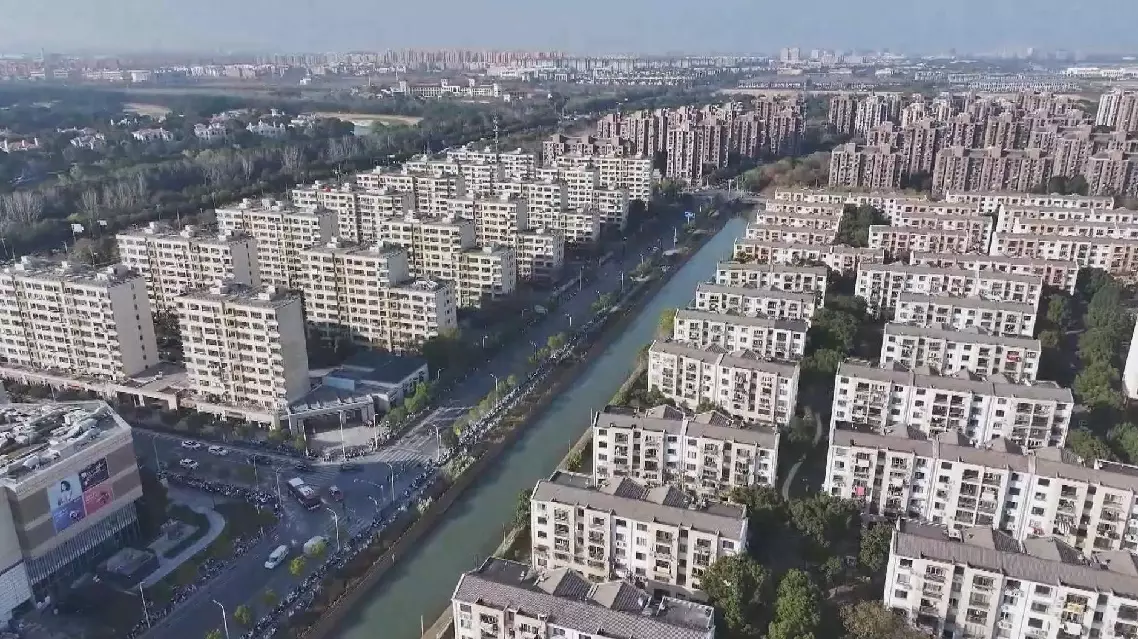
Chinese cities step up idle land reclamation to revitalize land use with special bonds