A Chinese art exhibition featuring the thousand-year-old mural artworks of Dunhuang in northwest China's Gansu Province opened Thursday in Auckland, New Zealand's largest city.
Attending the opening ceremony of the "Soaring through the Sky" Dunhuang Art Exhibition were over 100 people, including Chinese Consul General in Auckland Chen Shijie, Mayor of Auckland Wayne Brown, New Zealand China friendship advocates, art lovers and media representatives.
The attending New Zealand guests spoke highly of the artistic and historical value of Dunhuang culture, highlighted the important and positive role of Chinese culture in the development and progress of the world, and offered to promote exchanges and cooperation in various fields in pursuit of the further development of bilateral relations.
Local art groups presented dance and folk music performances at the opening ceremony.
The exhibition is organized by China's Dunhuang Academy and co-organized by the Chinese Consulate-General in Auckland and China Cultural Center in Auckland.
The exhibition will run until March 23.
The Dunhuang murals are among the most celebrated artistic legacies of ancient China, housed in the Mogao Caves, near the city of Dunhuang. A UNESCO World Heritage Site, the Mogao Caves are home to 45,000 square meters of murals and more than 2,400 painted sculptures housed in 735 caves built from the 4th to 14th centuries. The murals are a vivid representation of the artistic, religious, and cultural exchanges that occurred along the Old Silk Road.
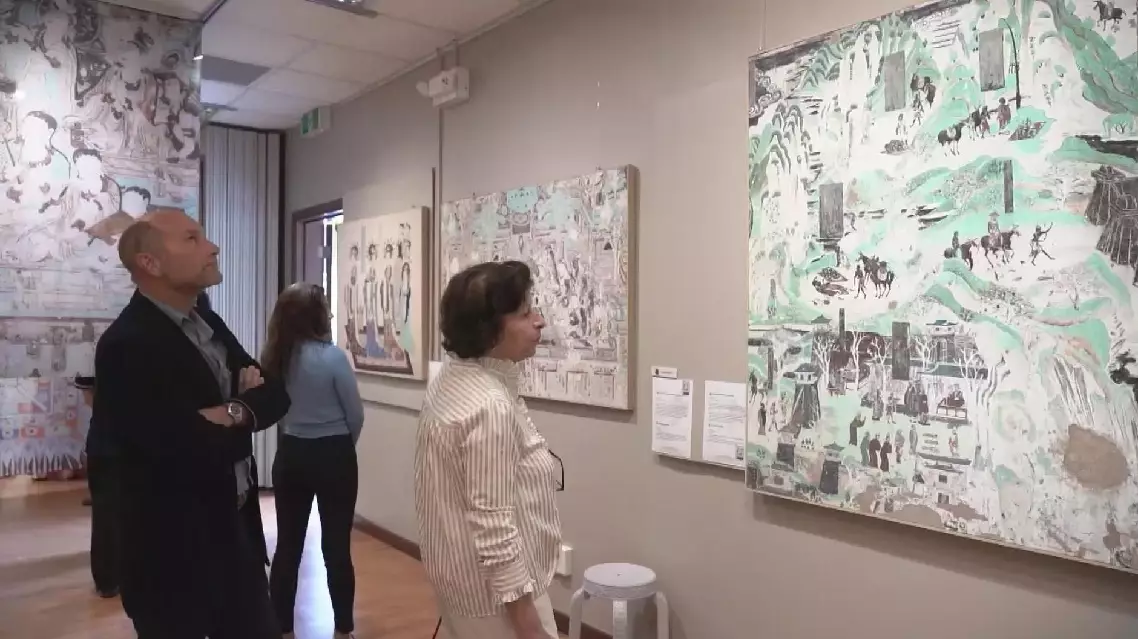
Chinese art exhibition opens in Auckland, New Zealand
The spillover effects of the ongoing Middle East conflict have driven up commodity prices in Ethiopia, taking a heavy toll on people's daily life, especially for the low-income population.
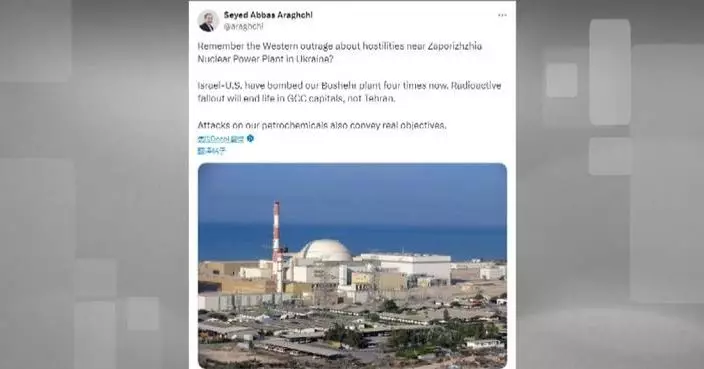
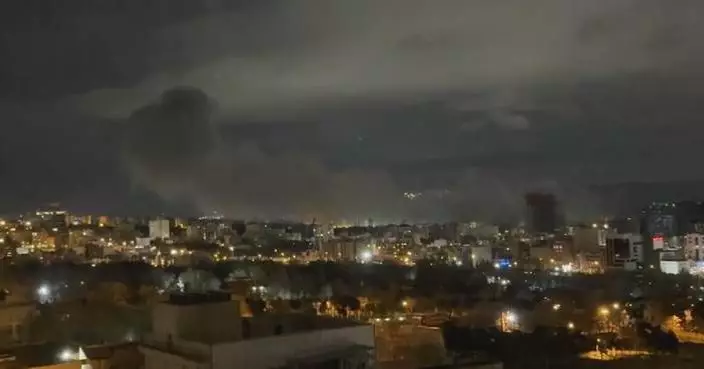
With U.S.-Israeli joint military strikes on Iran now exceeding one month and no clear resolution in sight, the economic aftershocks are spreading far beyond the Middle East.
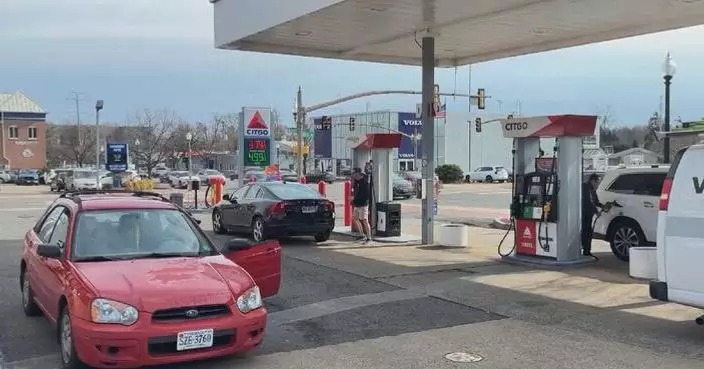
As part of its response to U.S. and Israeli operations, Iran has restricted navigation through the Strait of Hormuz, targeting ships associated with the United States and Israel. The blockade of this vital global energy route has driven up oil and gas prices worldwide.
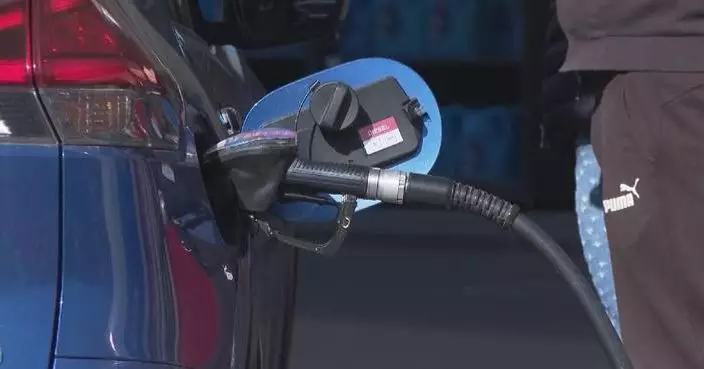
In Addis Ababa, the Ethiopian capital, long queues of vehicles could be seen at gas stations waiting for fuel. Prices of other goods are also on the rise.
"The prices of goods are going up every day. If the conflict continues, life will become very hard, especially for people with low incomes," said Zeynu Yelma, a shop owner.
Beyond rising living costs, the surge in prices has also hit the local construction industry.
"Over the past two weeks, the prices of building materials have risen sharply, severely affecting our work. The price of cement has nearly doubled. Sand and gravel costs continue to rise. The price of steel has also surged. If this trend continues, I'm afraid our work may have to stop," said Yetbarek Workenhe, manager of a construction site.
Although local authorities have been working to secure supplies, provide subsidies, and prioritize public services, the severe international situation continues to widen the supply gap.
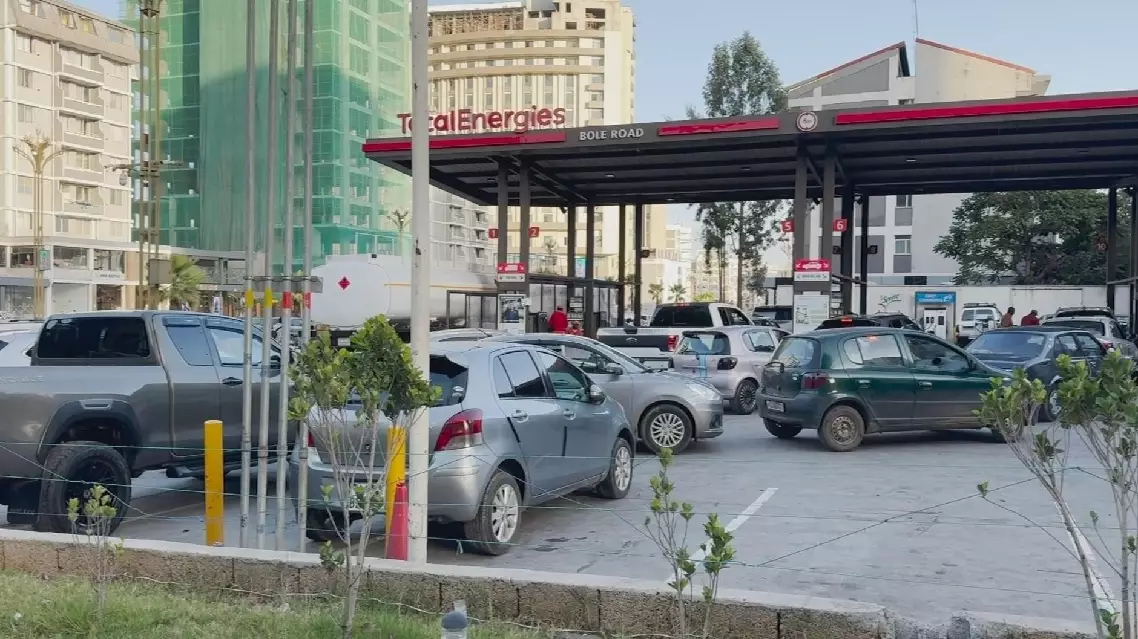
Spillover effects of Middle East conflict push up prices in Ethiopia