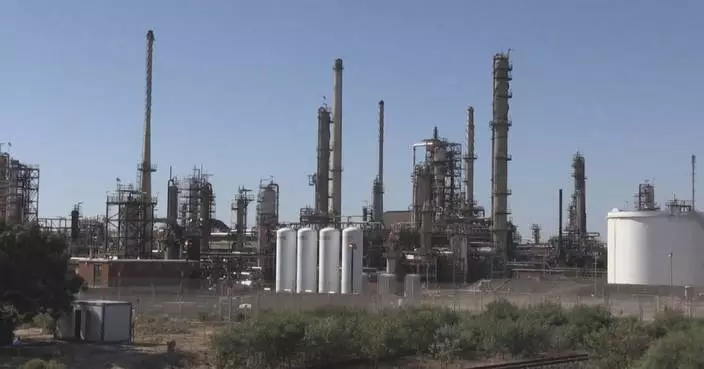
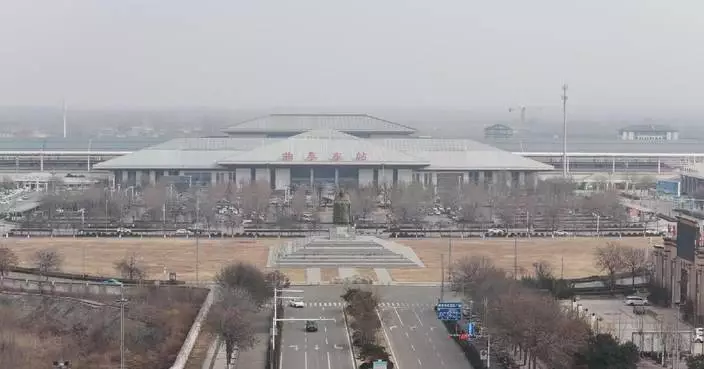
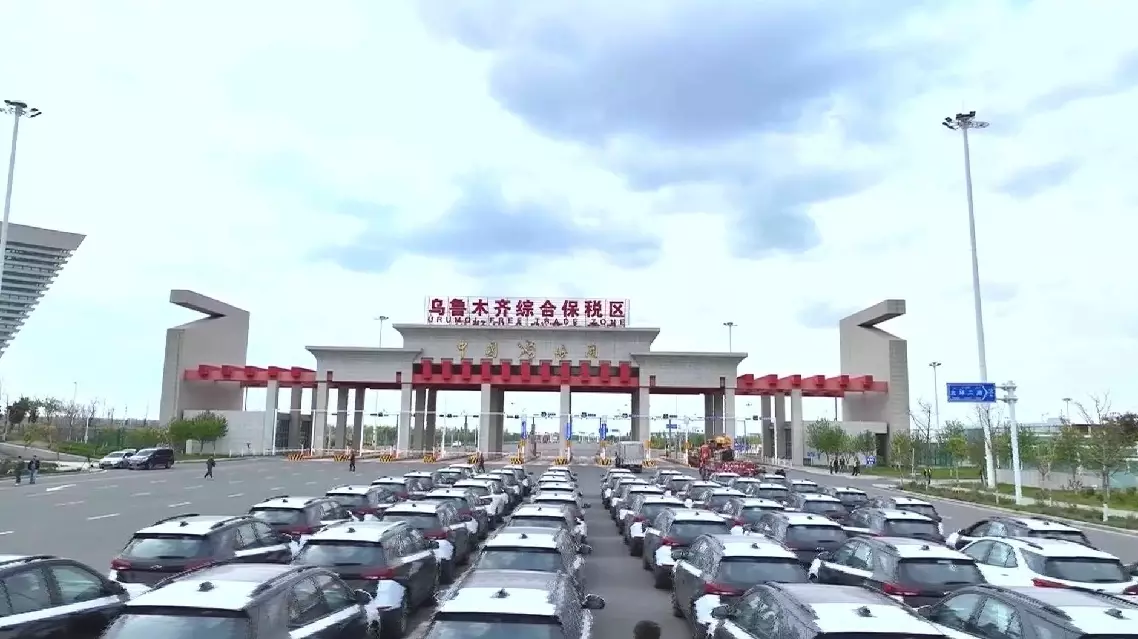
Foreign trade of northwest China's Xinjiang Uygur Autonomous Region reached 520.37 billion yuan (about 74.4 billion U.S. dollars) in 2025, up 19.9 percent year on year, surpassing the 500-billion-yuan threshold for the first time, Urumqi Customs announced Friday.
The robust growth was fueled by a series of policies designed to expand foreign trade. Cross-border e-commerce exports surged by 232.8 percent and imports via border residents' mutual trade rose by 68.5 percent.
Xinjiang's expanding international cooperation under the Belt and Road Initiative (BRI) contributed significantly, with trade value involving BRI partner countries hitting 458.37 billion yuan, up 14.7 percent.
Trade with the five Central Asian countries alone reached 276.69 billion yuan. The region also accelerated its outreach to ASEAN, Africa, West Asia, the Middle East and Latin America.
Notably, Xinjiang's export structure continued to optimize, with mechanical and electrical product exports amounting to 186.5 billion yuan, a jump of 40.7 percent. Among these, shipments of automotive parts, electrical equipment and electronic components saw significant increases, while exports of high-end equipment linked to new quality productive forces surged nearly 70 percent.
Agricultural exports, including walnuts and grapes, also gained momentum, driving a 25.4 percent increase in the region's total agricultural exports.
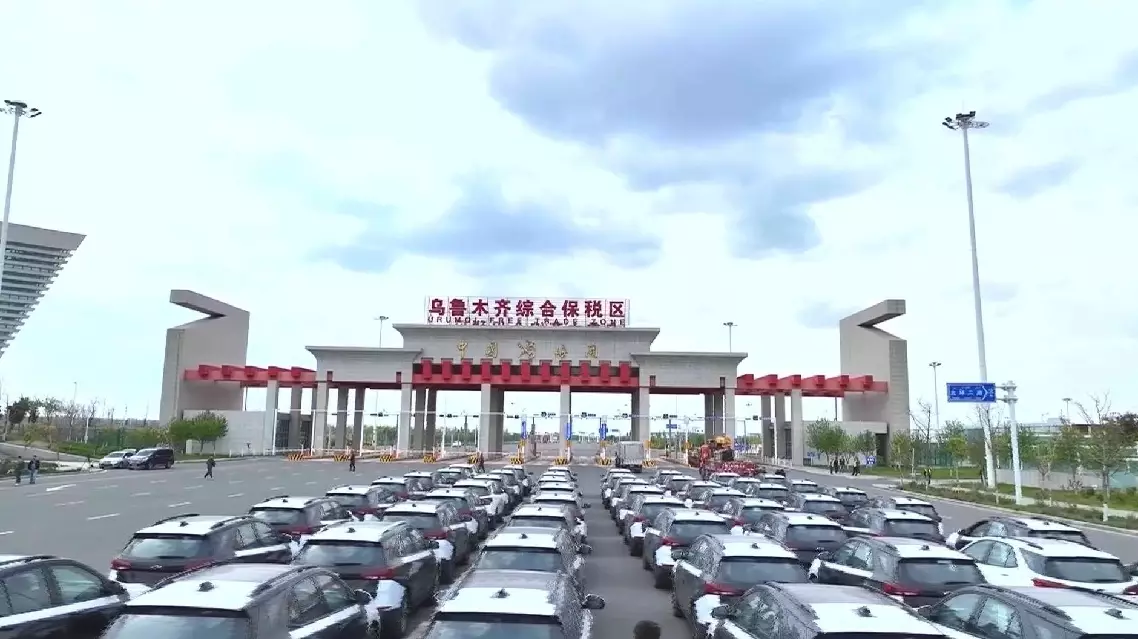
Xinjiang's foreign trade in 2025 hits new record
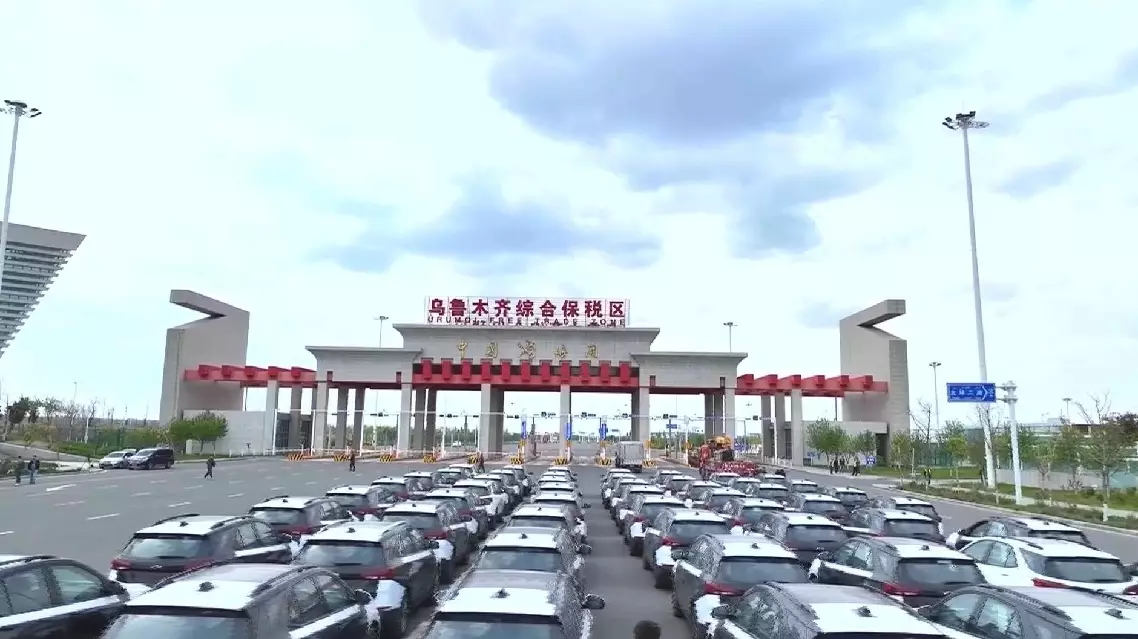

In South Sudan, education is being championed as a foundation for peace, but ongoing conflict and poverty continue to deprive millions of children of the opportunity to learn.
The South Sudanese government said education is crucial to building peace, promoting social cohesion, and equipping young people with skills to resolve conflict.
Some schools, including one in the capital Juba, have even established "peace centers" where students are trained in leadership and peacebuilding. Schools are also playing a role in tackling harmful practices like early and forced marriage.
"We normally inform them that in case they encounter such challenges, you come directly to school, we will be able to support you. Whatever support that is required, is always availed to them," said Chol Reuben Maken, school principal.
Despite these initiatives, the education sector is in crisis. According to UNICEF, South Sudan has one of the highest rates of out-of-school children in the world, with girls making up 75 percent. Over 2.2 million children, more than half of the country's youth population, are not attending school.
The key barriers are poverty and ongoing violence.
"General poverty is a real challenge to many families and therefore access to education becomes less of a priority if you need to feed yourself and cover other basic needs. There are also climate-related events that affect access to education. South Sudan is prone to flooding and it's also prone to heat waves," said Emilie Roy, education chief of UNICEF South Sudan.
The government said it is investing in education as a long-term tool for positive change, stressing that the impact of education goes far beyond academic achievement.
Educated children, officials said, become advocates and peacebuilders who push for equality and challenge harmful practices within their communities, planting the seeds for a more peaceful future.
Still, the challenges are enormous. Many children simply have no schools to attend due to a lack of infrastructure, and where schools do operate, chronic staff shortages and unpaid salaries have left the system struggling.
"My biggest thank you is to my colleagues, the teachers, the teachers of this country that have persevered through all the challenges to make sure that education is progressing and that our kids are taught," said Kuyok Abol Kuyok, minister of General Education.
While UNICEF maintains that education is a primary tool for promoting long-term stability, they also warn that without immediate peace in the country, the opportunity for an education will remain a far off dream for many.
Education seen as peace tool in South Sudan