Wetland protection across China has achieved notable success in recent years, as evidenced by cleaner waters and enhanced biodiversity.
The Qingjiang National Wetland Park is located in the Changyang Tujia Autonomous County, central China's Hubei Province. Covering more than 3,600 hectares, it boasts a wetland coverage rate of 52.15 percent, serving as a vital ecological barrier within the Qingjiang River basin.
With rich biodiversity, the park hosts 1,078 species of flora and fauna, including 33 nationally protected species. Chinese mergansers have wintered here for three consecutive years, representing a hallmark of the region's excellent ecological environment.
In recent years, the Taxkorgan Tajik Autonomous County in northwest China's Xinjiang Uygur Autonomous Region has steadfastly upheld eco-environmental conservation red lines, focusing on safeguarding key ecosystems such as glaciers, wetlands, and lakes on the Pamir Plateau.
It has continuously advanced ecological governance measures including returning grazing land back to grassland, wetland rehabilitation, and water conservation, strictly controlling unreasonable development activities.
These efforts have progressively improved the plateau's ecological environment, fortifying the ecological security barrier of the Pamir Plateau.
The Danjiang Wetland National Nature Reserve, located in Xichuan County, Nanyang City of central China's Henan Province, serves as the core water source and ecological barrier for the middle route of the South-to-North Water Diversion Project.
As a vital estuarine wetland in central China, it boasts a complete ecosystem and rich biodiversity, providing a crucial habitat for rare birds such as black storks, Chinese mergansers, and crested ibis.
In recent years, the region has consistently pursued ecological conservation and restoration efforts, maintaining water quality at Class II or above year-round. This has established a robust ecological defense line to ensure the sustainable northward delivery of clean water.
Surface-water quality is divided into five classes in China, with Class I being the best quality.
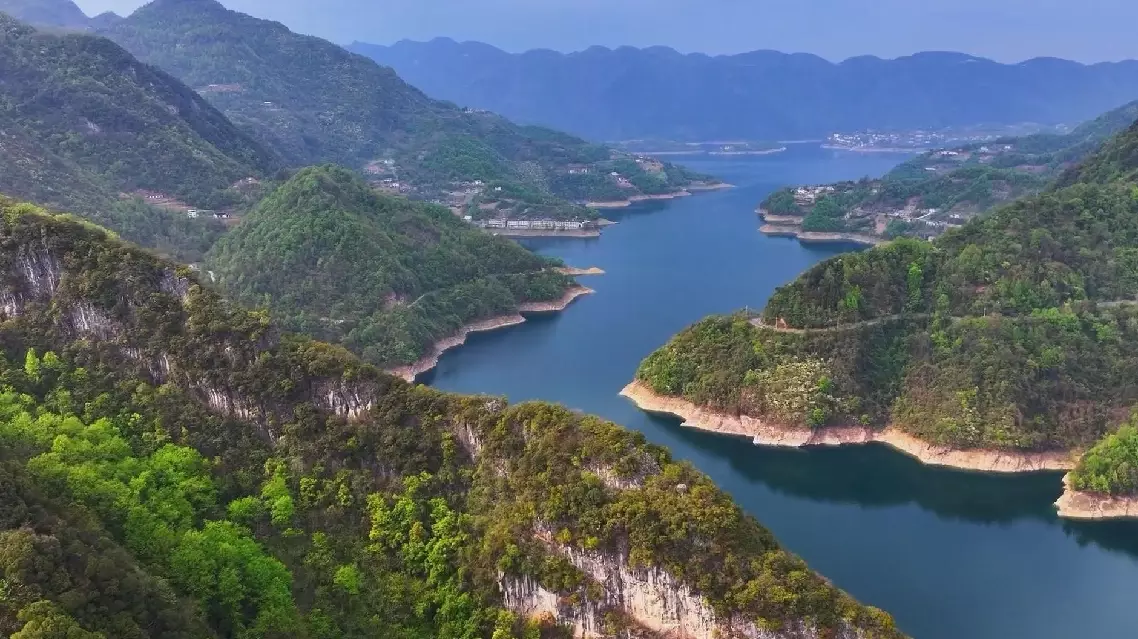
Ecological conservation of wetlands makes headway in China