A member of the 14th National Committee of the Chinese People's Political Consultative Conference (CPPCC) has been actively promoting the integrated development of fitness exercise and medical care at the grassroots level over the past year to improve people's health.
Wei Jun became a member of the 14th CPPCC National Committee in 2023. Since assuming his role, Wei has conducted extensive research, focusing on promoting fitness exercise to improve health at the grassroots level.
As the annual sessions of China's national legislature body, the National People's Congress (NPC), and the top political advisory body, the CPPCC National Committee, approach, Wei is still refining his proposal.
In the front of the railway cultural palace in Nanning, capital of south China's Guangxi Zhuang Autonomous Region, Wei observed that many residents, including elderly people with chronic conditions, follow "exercise prescriptions" as part of their fitness routine. Under doctors' guidance, they adjust their medication and exercise plans to reduce dependence on medicines.
"I used to serve as a train dispatcher, working routinely in three shifts, which disrupted my sleep. So the doctor has advised me to do exercise and stay fit. Now I can easily swim 1,000 meters, and my overall health condition has greatly improved," said Hu Jing, a 78-year-old resident.
At the CPPCC annual session last year, Wei's proposal focused on accelerating the establishment of a public fitness service system at the grassroot level and creating an exercise prescription system tailored to grassroots needs.
His suggestions received positive responses from the General Administration of Sport of China and the National Health Commission, earning the recognition as one of the top proposals of the year.
Over the past year, places such as Shanghai, Jiangsu, and Guangxi have integrated fitness exercise and medical care and incorporated both into grassroots health management system on a trial basis, equipping community health centers with professional fitness facilities and inviting experts to give "fitness exercise prescriptions" to residents, yielding positive results.
"We should not just rely on medical means, but also bring in non-medical means such as fitness exercises. Both approaches work together to address health problems of patients with chronic diseases to achieve more effective outcomes," said Wei.
However, during his research at pilot community health centers, Wei found that many community medical practitioners are unable to give "exercise prescriptions," as they lack knowledge and expertise of sports and health.Therefore there is an urgent need for professionals capable of providing sports health guidance.
The Guangxi College of Sports Education, where Wei works as the president of School of Sports and Education, now offers courses to train talents skilled in both medical care and sports to improve exercise intervention guidance.
"At the grassroots level, we uphold the principles of prioritizing fitness exercise and integrating exercise and medical care, focus on improving health before problems start, and take national fitness as the primary way to promote health. At this year's 'two sessions,' I will propose to roll out relevant policies and strengthen the cultivation of talents well-versed in both health and fitness, so as to provide all-round full-cycle health services to the people," said Wei.
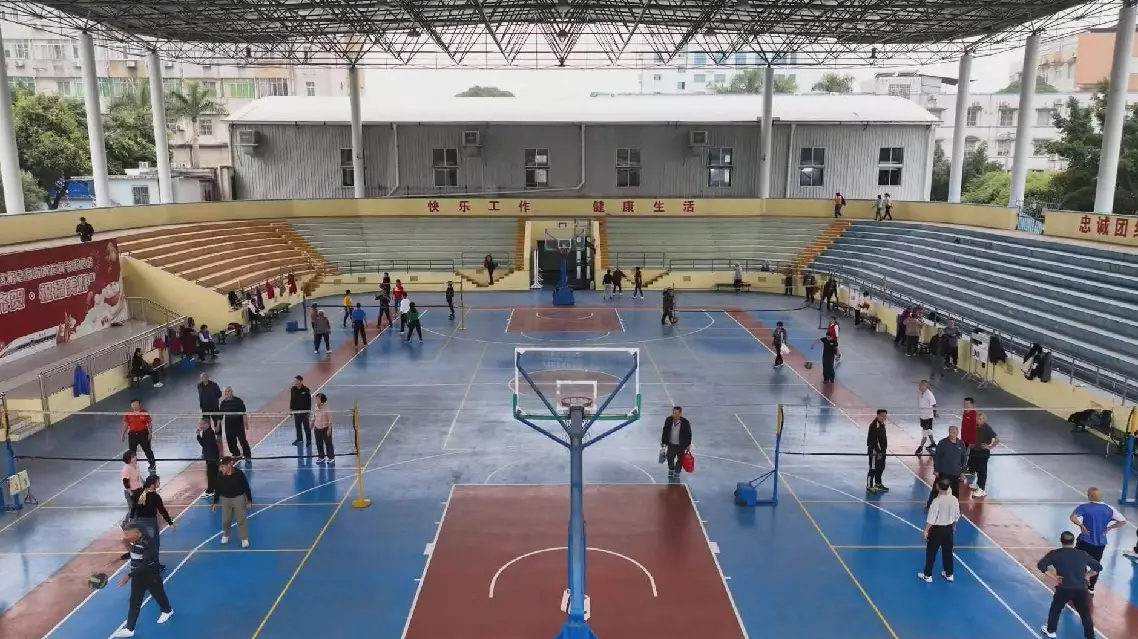
CPPCC member promotes integration of fitness, medical care