LONG BEACH, Calif.--(BUSINESS WIRE)--Feb 24, 2025--
Rocket Lab National Security LLC, a wholly owned subsidiary of Rocket Lab USA, Inc (Nasdaq: RKLB) (“Rocket Lab” or “the Company”), a global leader in launch services and space systems, today announced the successful completion of its Critical Design Review (CDR) for the U.S. Space Force Space Systems Command’s (SSC) Tactically Responsive Space (TacRS) mission, VICTUS HAZE.
This press release features multimedia. View the full release here: https://www.businesswire.com/news/home/20250224810776/en/
In April 2024, Rocket Lab announced its selection for the $32M U.S. Space Force SSC mission led by Space Safari in partnership with the Defense Innovation Unit (DIU) to design, build, license, launch and operate a rendezvous and proximity operations-capable spacecraft. Rocket Lab will configure its vertically integrated Pioneer spacecraft to meet the unique requirements of the VICTUS HAZE mission and launch it on the Company’s Electron rocket from Launch Complex 1 in Mahia, New Zealand.
The VICTUS HAZE mission will demonstrate responsive space capabilities (launch readiness within 24 hours’ notice), rendezvous and proximity operations (ability to track and reach a target object) and the ability to identify and characterize on-orbit threats. The mission leverages the Company’s end-to-end space solutions to quickly respond to potential threats in orbit.
The CDR milestone is the final step in demonstrating spacecraft design, assembly, integration, test and operational plans are aligned with mission requirements and programmatic constraints.
“The ability to build a spacecraft, launch it, and operate it all in-house, on a tactically responsive timeline, is incredibly rare, but with our extensive launch heritage and deep vertical integration across space systems, we’re ideally suited to make this mission a success,” remarked Brad Clevenger, President and CEO of Rocket Lab National Security. “VICTUS HAZE solidifies Rocket Lab as a trusted and highly capable, end-to-end space company that can enable complex missions to serve the needs of the nation.”
The successful completion of CDR marks the transition to the production phase of the program, which will encompass integration of the spacecraft and launch vehicle and initiation of ground segment preparations for launch later this year.
+ About Rocket Lab
Founded in 2006, Rocket Lab is an end-to-end space company with an established track record of mission success. We deliver reliable launch services, satellite manufacture, spacecraft components, and on-orbit management solutions that make it faster, easier, and more affordable to access space. Headquartered in Long Beach, California, Rocket Lab designs and manufactures the Electron small orbital launch vehicle, a family of spacecraft platforms, and the Company is developing the large Neutron launch vehicle for constellation deployment. Since its first orbital launch in January 2018, Rocket Lab’s Electron launch vehicle has become the second most frequently launched U.S. rocket annually and has delivered more than 200 satellites to orbit for private and public sector organizations, enabling operations in national security, scientific research, space debris mitigation, Earth observation, climate monitoring, and communications. Rocket Lab’s spacecraft platforms have been selected to support NASA missions to the Moon and Mars, as well as the first private commercial mission to Venus. Rocket Lab has three launch pads at two launch sites, including two launch pads at a private orbital launch site located in New Zealand and a third launch pad in Virginia. To learn more, visit www.rocketlabusa.com.
+ Forward Looking Statements
This press release contains forward-looking statements within the meaning of the Private Securities Litigation Reform Act of 1995. We intend such forward-looking statements to be covered by the safe harbor provisions for forward-looking statements contained in Section 27A of the Securities Act of 1933, as amended (the “Securities Act”) and Section 21E of the Securities Exchange Act of 1934, as amended (the “Exchange Act”). All statements contained in this press release other than statements of historical fact, including, without limitation, statements regarding our launch and space systems operations, launch schedule and window, safe and repeatable access to space, Neutron development, operational expansion and business strategy are forward-looking statements. The words “believe,” “may,” “will,” “estimate,” “potential,” “continue,” “anticipate,” “intend,” “expect,” “strategy,” “future,” “could,” “would,” “project,” “plan,” “target,” and similar expressions are intended to identify forward-looking statements, though not all forward-looking statements use these words or expressions. These statements are neither promises nor guarantees, but involve known and unknown risks, uncertainties and other important factors that may cause our actual results, performance or achievements to be materially different from any future results, performance or achievements expressed or implied by the forward-looking statements, including but not limited to the factors, risks and uncertainties included in our Annual Report on Form 10-K for the fiscal year ended December 31, 2023, as such factors may be updated from time to time in our other filings with the Securities and Exchange Commission (the “SEC”), accessible on the SEC’s website at www.sec.gov and the Investor Relations section of our website at www.rocketlabusa.com, which could cause our actual results to differ materially from those indicated by the forward-looking statements made in this press release. Any such forward-looking statements represent management’s estimates as of the date of this press release. While we may elect to update such forward-looking statements at some point in the future, we disclaim any obligation to do so, even if subsequent events cause our views to change.
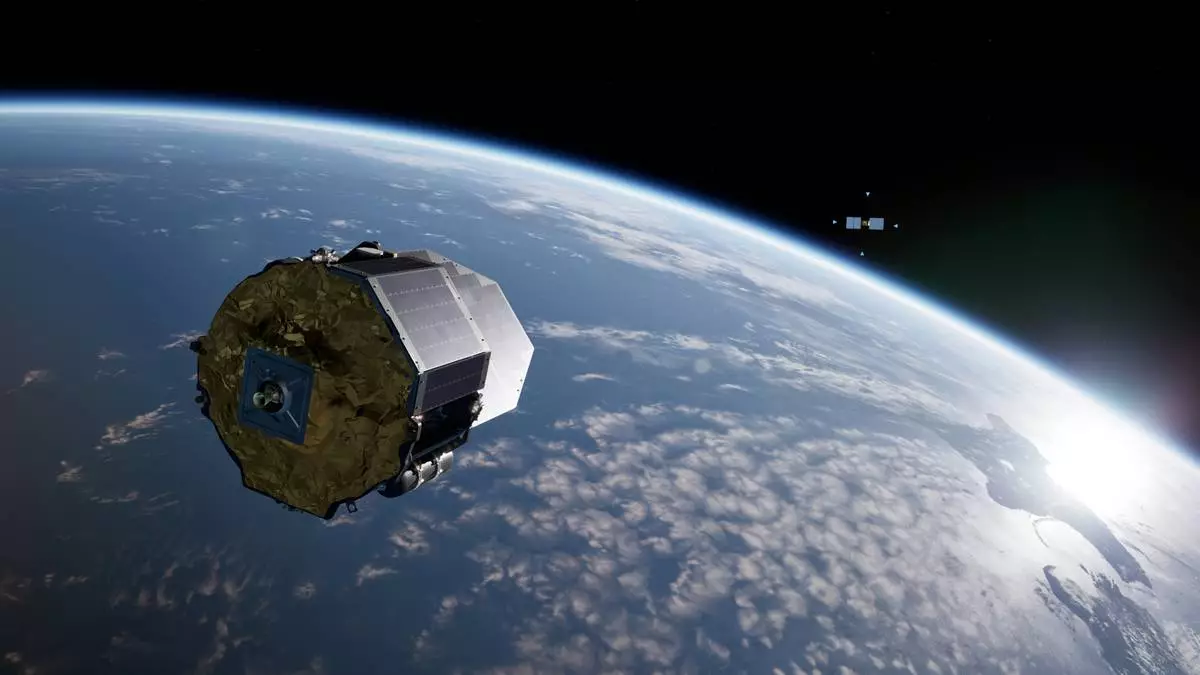
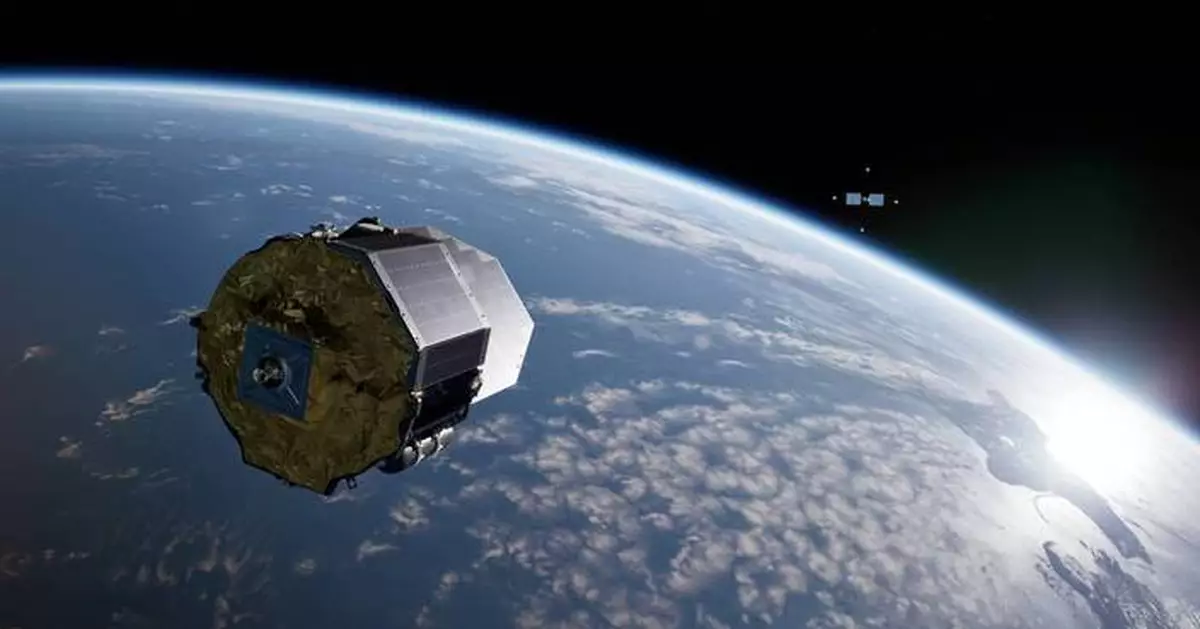
Artist’s illustration of Rocket Lab’s spacecraft for the U.S. Space Force’s Tactically Responsive Space mission, VICTUS HAZE. Credit: Rocket Lab