Cities across China are capitalizing on the growing interest in creative cultural products, crafting exquisite commodities inspired by rich cultural heritage and the season’s natural beauty, giving a significant boost to local consumption.
In the northeastern province of Liaoning, the gift shop at the Liaoning Provincial Museum has drawn inspiration from several spring-themed historical artifacts in its collection to create over 10 products that blend the seasonal beauty with artistic innovation.
Among the offerings is a tiny refrigerator magnet based on the renowned Tang Dynasty (618-907) painting "Lady Guoguo's Spring Outing." The characters and horse in the painting have been redesigned as round, adorable cartoon figures, making the item very appealing.
Another floral-and-bird-themed keychain filled with floating glitter has also captured the attention of consumers.
"Today I want to buy this flower-and-bird liquid-motion keychain. Carrying it with me feels just like bringing spring along wherever I go," said one visitor.
Since launching its spring-themed merchandise, the shop has seen a nearly 60 percent increase in sales compared to the same period last year, with online orders doubling. Some products even sold out due to high demand.
"These products not only capture the essence of our artifacts but also incorporate seasonal elements and modern aesthetic preferences. Consumers, especially young people, highly appreciate this fusion of culture and creativity," said Zhou Yingqiu, head of the museum's cultural and creative products department.
In Nanjing, an eastern city steeped in history as the capital of six ancient dynasties, local businesses have also embraced the trend to transform its time-honored landmarks and picturesque landscapes into charming souvenirs. New creative products featuring the cherry blossoms of Jiming Temple, and the scenic views of Confucius Temple have become a hit among tourists.
"The products are exquisite and there's a wide variety. The designs incorporate elements from Nanjing's various attractions," said a tourist Zhu Yuji.
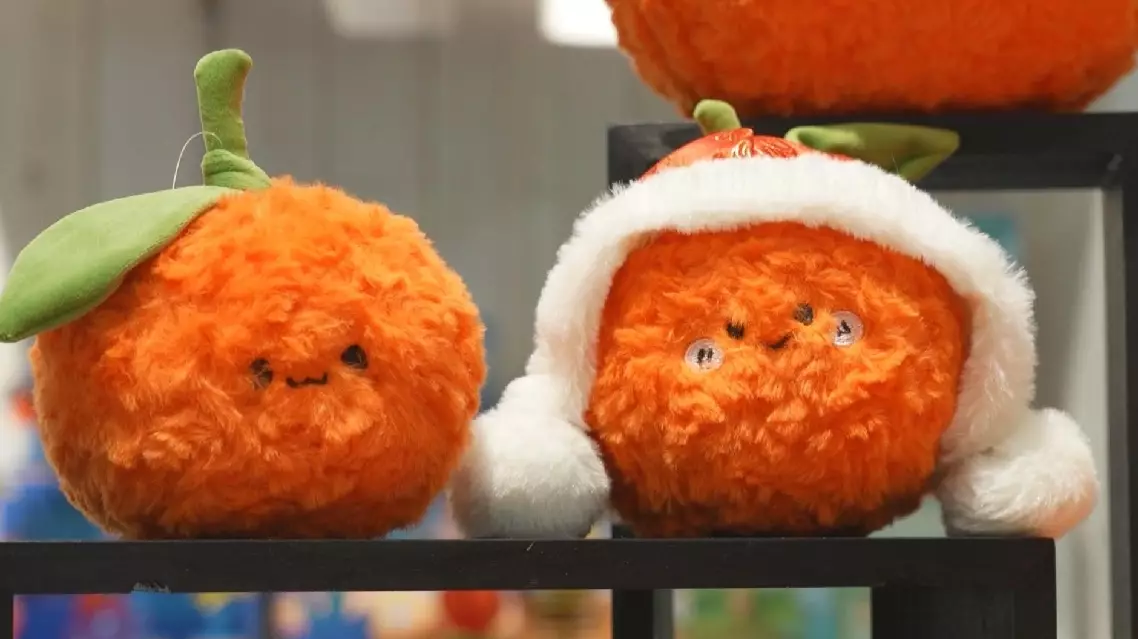
Cultural creativity has also breathed new life into many scenic spots. In Taizhou, Zhejiang Province, a cafe located within a scenic area has branched out into selling plush toys shaped like local specialties such as sticky-sweet plum blossom cakes, juicy bayberries, and fresh yellow croakers. Visitors can now enjoy a cup of coffee there and then take home a taste of local culture.
"[Our foot traffic] has doubled or even tripled, and our revenue has picked up," said cafe owner Tan Yuheng.
Creative cultural products drive consumer spending across China