China's booming e-commerce market has revolutionized the way people shop, offering unparalleled convenience, variety, and affordability.
For expatriates such as CGTN digital editor Shanaaz Prince, online shopping has made it possible to maintain a comfortable lifestyle, even as someone newly arriving in a foreign country.
Thanks to platforms such as Taobao, PDD, JD, and Meituan, a wide range of products, including groceries and gadgets, can be easily purchased with just a few clicks.
"With a variety of shopping apps to choose from, it's as easy as, well, shopping from the comfort of your couch," Prince was amazed.
Other big draws are the abundance of discounts and fast delivery, she said. With China's 12 million delivery drivers, packages arrive quickly and efficiently.
China's e-commerce success is more than just a shopping revolution -- it's a reflection of the country's technological innovation and commitment to improving everyday life.

China's online shopping makes life easier for expats
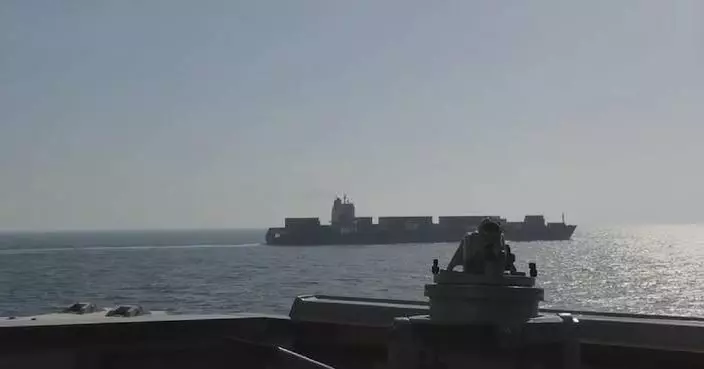
Iran has prepared a new law that will further tighten control over the Strait of Hormuz, including bans on Israeli-linked vessels, the Fars news agency reported on Sunday.
Mohammad Rezaei-Kouchi, chairman of the Iranian Parliament's Civil Engineering Committee, announced on Sunday that the draft law is nearing finalization.
According to details of the draft law, ships and cargoes connected to Israel would be completely prohibited from passing through the strait. Vessels from countries Iran considers hostile would require approval from the country's Supreme National Security Council.
Countries that have previously caused damage to Iran would be barred until they pay compensation.
The proposed rules would also require all vessels to pay transit fees exclusively in Iranian rials. Of the revenue collected, 30 percent would be allocated to strengthening Iran's armed forces, while 70 percent would be used to improve people's livelihood.
The moves come amid tensions between the United States and Iran escalated over the Strait of Hormuz.
Iran's Islamic Revolutionary Guard Corps Navy reimposed a blockade on the strait on Saturday, citing the U.S. failure to lift its naval blockade on Iranian ports in violation of a ceasefire commitment.
Bloomberg reported, based on shipping tracking data, at least 13 oil tankers turned back that day, and no vessels were observed transiting the strait on Sunday.
Iran has tightened control over the Strait of Horumuz since Feb 28, when it barred passage to vessels belonging to or affiliated with Israel and the United States after the two countries' joint strikes on Iranian territory.
The United States later imposed its own blockade on the waterway after peace negotiations with Iran in Pakistan's Islamabad collapsed.
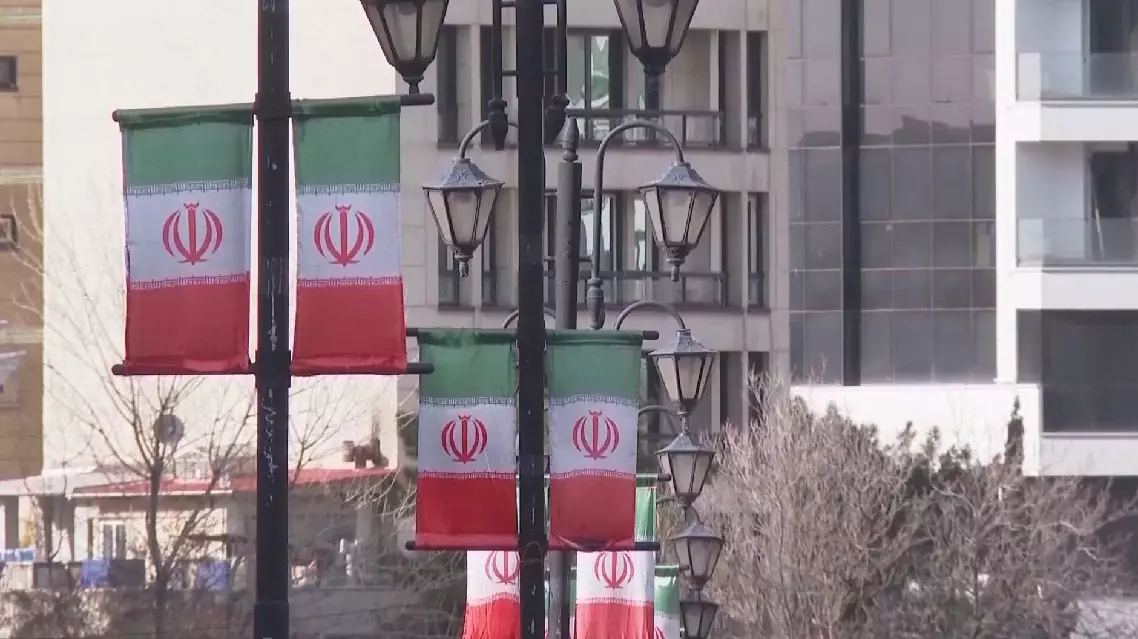
Iran nears approval of new law to tighten control over Strait of Hormuz: official