Chinese lawmakers and political advisors are prioritizing the development of elderly care and the silver economy at the annual "two sessions", a crucial gathering that sets the country's policy agenda, highlighting the government's commitment to addressing the complex needs of its rapidly aging population.
The "two sessions" are the annual meetings of China's top legislature, the National People's Congress (NPC), and the top political advisory body, the National Committee of the Chinese People's Political Consultative Conference (CPPCC), scheduled to open on March 5 and 4, respectively.
By the end of 2024, China's elderly people aged 60 and above had swelled to 310 million, comprising 22 percent of the total population. The needs of the elderly population are complex and varied, differing greatly across age groups and physical abilities, and requiring a range of tailored care and support services.
To address the diverse needs of the elderly, community-based elderly care services have been developed, combining the benefits of home-based care and nursing homes. These services provide a range of support, including meal and bathing assistance, healthcare, and in-home care for those who need it, offering a flexible and personalized approach to elderly care.
"We can collect information of service providers and those in need within the community and match them precisely. We collect information from our service stations, which obtain a lot of information about the elderly needs. At the same time, we also collect information on service providers in the community and put their information on the platform. This allows us to accurately match the elderly needs with the right service providers," said Fang Xiaoshan, general manager of an elderly service center in Laiguangying, a community in Beijing's Chaoyang District.
The growing spending power and shifting consumption habits of the elderly are driving a surge in demand for senior-friendly products, which are increasingly becoming an essential part of their daily lives.
Meanwhile, the increasing number of elderly people in China is driving a profound change in the demographic structure of this age group, according to experts.
"In the next decade, China will see 330 million people reaching old age. They are very different from seniors 10 or 20 years ago in acquiring information. Apart from healthcare, they have more cultural and spiritual needs," said Du Peng, president of the School of Population and Health under Renmin University.
As the NPC and the CPPCC convene their annual sessions, Chinese lawmakers are pushing for the integration of digital technology with the silver economy, aiming to harness innovation to better serve the country's aging population.
"The development of artificial intelligence and the elderly care industry will peak simultaneously, which significantly eases the demand for talents in the silver economy and allow more people to benefit from technological advancements," said Yao Jinbo, an NPC deputy and CEO of 58.com.
China has led the development of a new global standard for elderly-care robots, setting benchmarks for their design, production, and testing.
Lawmakers and political advisors also suggest expanding the range and quality of elderly care services, and paying attention to the mental well-being of the elderly.
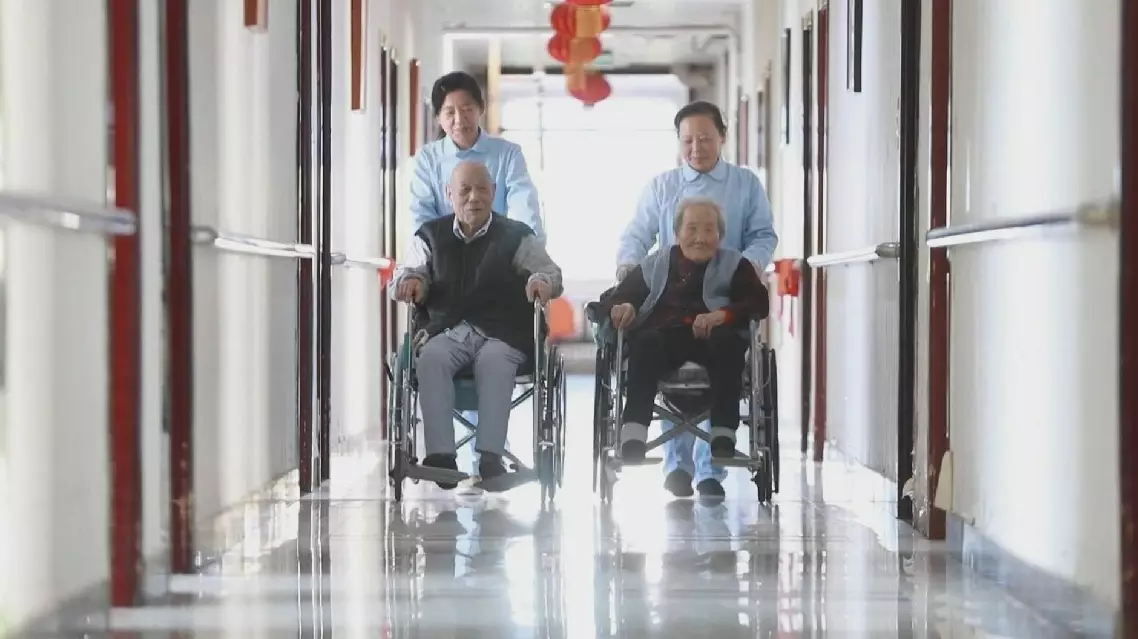
Elderly care, silver economy top agenda at China's upcoming 'two sessions"