China's "two sessions," a key political event shaping the country's policy direction, will not only make plans for the country's future development, but also create more opportunities for other states to enhance cooperation with the world's second-largest economy, further contributing to the global development, according to overseas observers.
China entered the two sessions period on Tuesday, drawing the world's attention to how one of the most important political events in the country will set priorities and plans involving the economy, diplomacy, military, and social development for 2025.
The "two sessions" are the annual meetings of China's highest organ of state power, the National People's Congress (NPC), and the top political advisory body, the National Committee of the Chinese People's Political Consultative Conference (CPPCC). This year, the third session of the 14th NPC is scheduled to open on March 5, while the third session of the 14th CPPCC National Committee began on March 4.
After Chinese President Xi Jinping's visit to Rio de Janeiro last November for the G20 Summit and his state visit to Brasilia, bilateral relations between China and Brazil were elevated to "community with a shared future for a more just world and a more sustainable planet."
The mere fact of the elevation of bilateral ties is the demonstration that the relationship is increasingly important for both sides, said Luiz Augusto de Castro Neves, president of the Brazil-China Business Council and former Brazilian ambassador to China.
"To the extent that we have expanded strength and deepened the relationship between China and Brazil, we have discovered new fields of cooperation, so the prospects of going ahead are very good, are very strong. Infrastructure perhaps is one key strategic sector. And the Chinese are very good at investing in infrastructure, and this is certainly one bottleneck in the Brazilian economy. Energy is very important as well. We have a very privileged position because most of our energy is sustainable in Brazil and that can couple with Chinese technology," he said.
"The annual sessions give us a window into China's activities and best thinking. Actually, one of its primary subsets is rural revitalization or anti-poverty, and it involves healthcare, it involves setting up special economic zones, all of the things that China has done to build itself and going forward the same way. China has also committed to helping with the Global Development Initiative, building on the Belt and Road Initiative," said Robert Lawrence Kuhn, chairman of the Kuhn Foundation.
During the 14th Five-Year Plan period, China has made remarkable achievements in economic and social development, especially in green transformation and digital transformation, unleashing unprecedented vitality for development, said international experts.
"And one advantage that China has is consistency, and its consistency [is] partly because of its long-term strategic plan. And that's the advantage that China really has, and that provides a stability that none of the other countries have, and one has to accredit that to the government, the Communist Party on the way they manage the economy," said Farhana Paruk, former director of presidential office of South Africa.
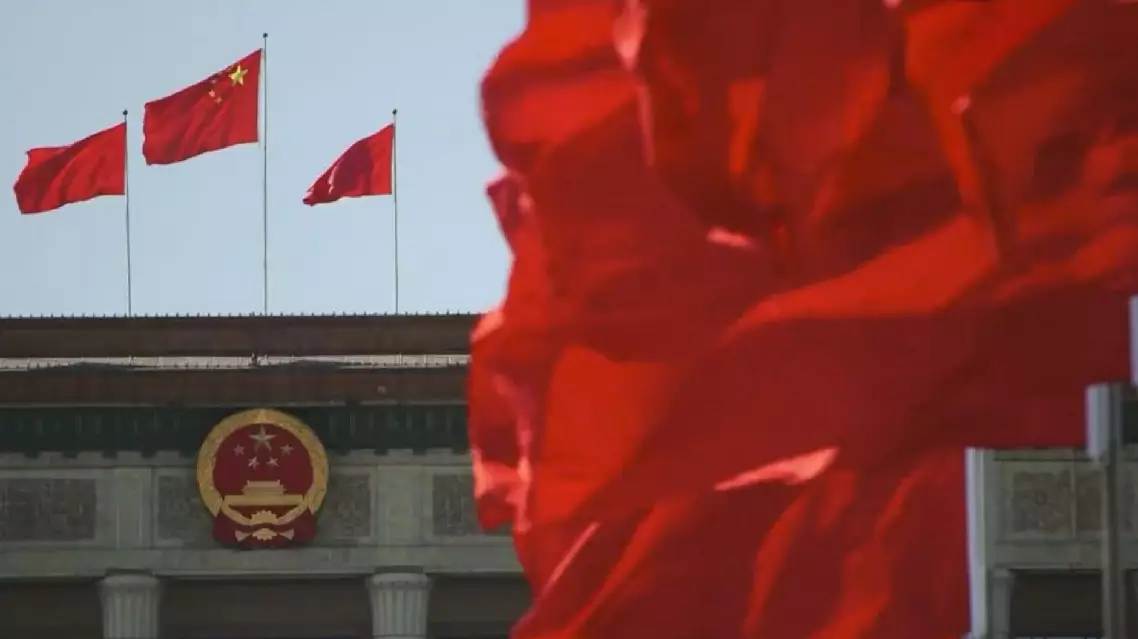
China's two sessions to bring more opportunities for other countries to enhance cooperation: int'l observers