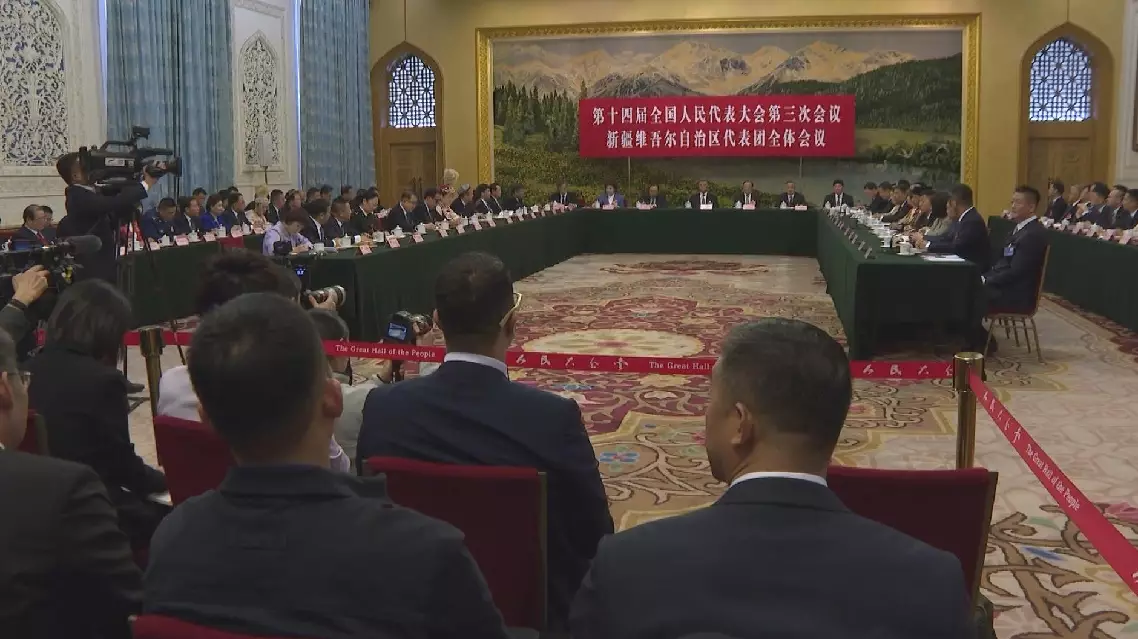
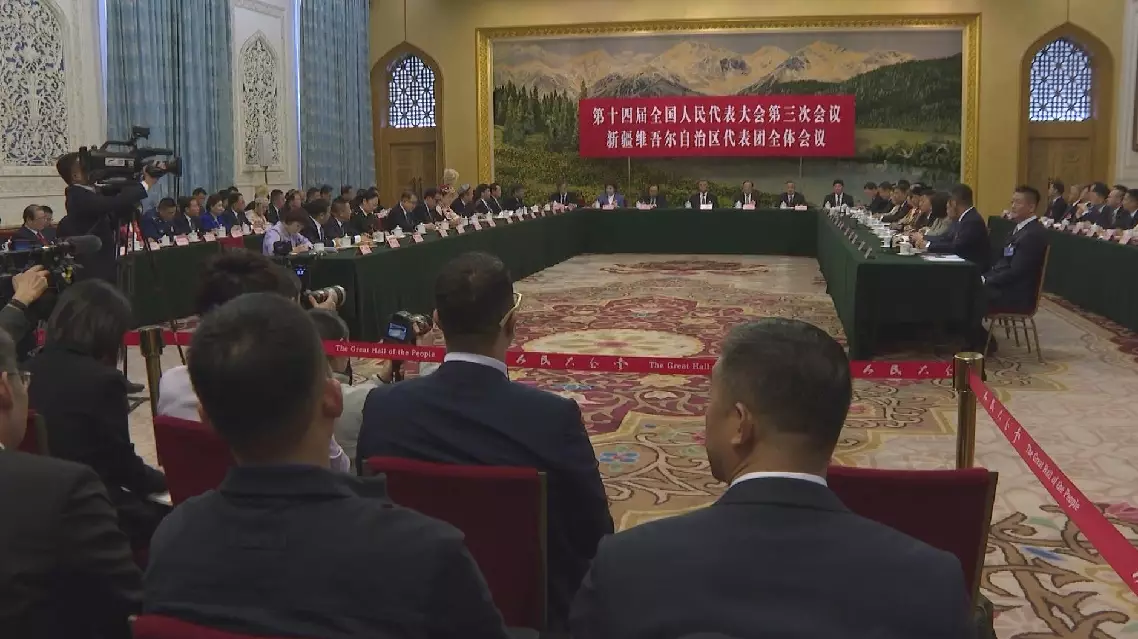
At this year's "two sessions" in Beijing, deputies from northwestern China's Xinjiang Uygur Autonomous Region gathered on Friday to share how the region has leveraged innovation and openness to drive high-quality development.
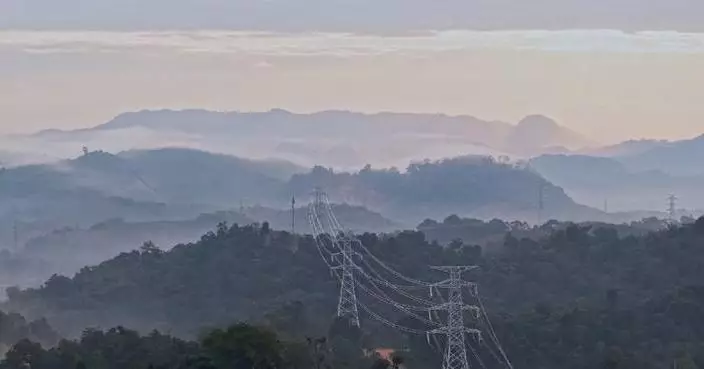
During a group meeting at the third session of the 14th National People's Congress (NPC), China's national legislature, they highlighted the region's pivotal role in agriculture and as a key energy hub, with its power grid serving several major provinces. They noted that the area is also experiencing a surge in scientific and technological innovation.
Xinjiang is a region abundant in energy resources, having produced large quantities of coal and natural gas last year. It also registered robust grain yields, and emerged as the nation's leading cotton producer.
Delegates emphasized that the autonomous region is firmly committed to advancing both integration and development.
"We have strengthened Xinjiang's regional innovation capacity, propelling it up three positions in the national rankings," said Erkin Tuniyaz, governor of Xinjiang Uygur Autonomous Region.
Last December, the 22.13-kilometer Tianshan Shengli Tunnel, the world's longest expressway tunnel, completed tunneling, paving the way for the opening of a new shortcut linking southern and northern parts of Xinjiang.
It is a key project of the Urumqi-Yuli Expressway, which runs from the regional capital of Urumqi in northern Xinjiang to Yuli County in southern Xinjiang. The expressway is expected to be fully completed and open to traffic in 2025. The driving time between the two locations will be reduced from about seven hours to just over three hours.
In March 2024, the drilling of Shenditake-1 well in Tarim Oilfield exceeded 10,000 meters. As China's first scientific exploratory borehole designed to reach such depths, it set a new record of the deepest well in Asia, and demonstrated China's world-leading technologies in deep-Earth drilling and exploration of 10,000 meters.
"The moment we finished drilling, tears of joy filled our eyes, as we marked China's milestone of the 10,000-meter drilling," said Liu Hongtao, an NPC deputy and deputy general manager of PetroChina Coalbed Methane.
These technological breakthroughs weren't built solely on muscle and tears, but were also driven by human innovation.
"Xinjiang used to be a landlocked and closed region, but now it is a frontier of openness," said Ma Xingrui, secretary of the Xinjiang Uygur Autonomous Regional Committee of the Communist Party of China.
Meanwhile, education is increasingly taking center stage in Xinjiang, with local leaders recognizing it as a cornerstone for long-term success.
The annual "two sessions" refer to the annual meetings of the NPC and the National Committee of the Chinese People's Political Consultative Conference (CPPCC), the top political advisory body. The NPC session is taking place from March 5 to March 11 this year, while the CPPCC National Committee session runs from March 4 to March 10 in Beijing.
Xinjiang delegation champions innovation, openness for high-quality development
Xinjiang delegation champions innovation, openness for high-quality development