SAN FRANCISCO--(BUSINESS WIRE)--Mar 12, 2025--
Today, Causal Labs, the AI company pioneering physics-based models to address civilization-scale challenges, is announcing it has raised $6 million in seed funding, led by Kindred Ventures with participation from Refactor, BoxGroup, Factorial, Otherwise, Karman Ventures, and a select group of angel investors. Causal Labs plans to use the funds to expand its team, further develop its initial model, including safety and transparency mechanisms, and initiate robust pilot programs across critical industries.
This press release features multimedia. View the full release here: https://www.businesswire.com/news/home/20250312474306/en/
Causal Labs is rethinking how we understand and respond to weather. Unlike existing approaches, which rely on expensive supercomputers that are slow to produce timely forecasts, Causal Labs uses AI physics models to simulate how the atmosphere will behave to create more accurate forecast predictions in minutes. More than just forecasting, the model redefines how weather-related decisions are made—whether through direct interventions in atmospheric conditions or operational responses to climate risks. The model will provide the tools needed to anticipate and respond to the increasing threats posed by climate change, including extreme weather events and natural disasters.
Beyond weather, Causal Labs is building towards a general, large-scale physics foundation model. At its core, the model understands cause-and-effect relationships in physical domains to determine the optimal course of action. By encoding physics-driven decision-making at scale, the model represents a step toward predicting and shaping real-world dynamics with unparalleled accuracy. Causal Labs plans to generalize this approach beyond atmospheric physics, applying it to other domains such as aviation, agriculture, energy, space, climate change, and government that rely on physics simulations, ultimately creating a versatile AI system for tackling complex, physics-based challenges across industries.
“Our model will be informed by the laws of physics, opening a world of possibilities for future use cases in the physical world,” said Dar Mehta, co-founder and CEO of Causal Labs. “We see a unique opportunity to shift the current paradigm of AI research from LLMs to physics-based models, beginning with weather—a critical and universal challenge that touches every individual, business, and community.”
“Causal Labs’ AI-driven physics model research represents a major leap forward in decision-making technology in the real world,” said Steve Jang of Kindred Ventures. “We’re thrilled to support their mission to transform how industries operate and thrive with greater intelligence and autonomy in the face of complex, physics-based challenges across many industries and regions around the planet.”
Causal Labs was founded by Kelsie Zhao and Dar Mehta, experts in building safety-critical, multi-modal AI models. Kelsie is a self-driving car veteran who built foundational components of Cruise’s core self-driving stack, while Dar has worked across Google Research, Meta, Cruise, and a YC-backed robotics startup. As Stanford and Waterloo graduates with extensive experience leading technical teams, they bring a proven track record of applying AI to solve complex, physics-driven challenges.
About Causal Labs
Causal Labs builds AI-powered physics models to transform complex data into insights that inform decisions. The company is pioneering a new paradigm in AI by integrating physics-based models to solve civilization-scale challenges. By combining cutting-edge artificial intelligence with a deep understanding of physical systems, Causal Labs is creating models that transform how industries adapt to dynamic and complex conditions. Starting with hyper-local, real-time weather forecasting, Causal Labs is redefining decision-making in sectors such as agriculture, renewable energy, and aviation—delivering optimal operations actions that empower businesses and communities to thrive in an uncertain world. Headquartered in San Francisco, CA, Causal Labs is backed by Kindred Ventures and other visionary investors. Learn more at getcausal.ai.
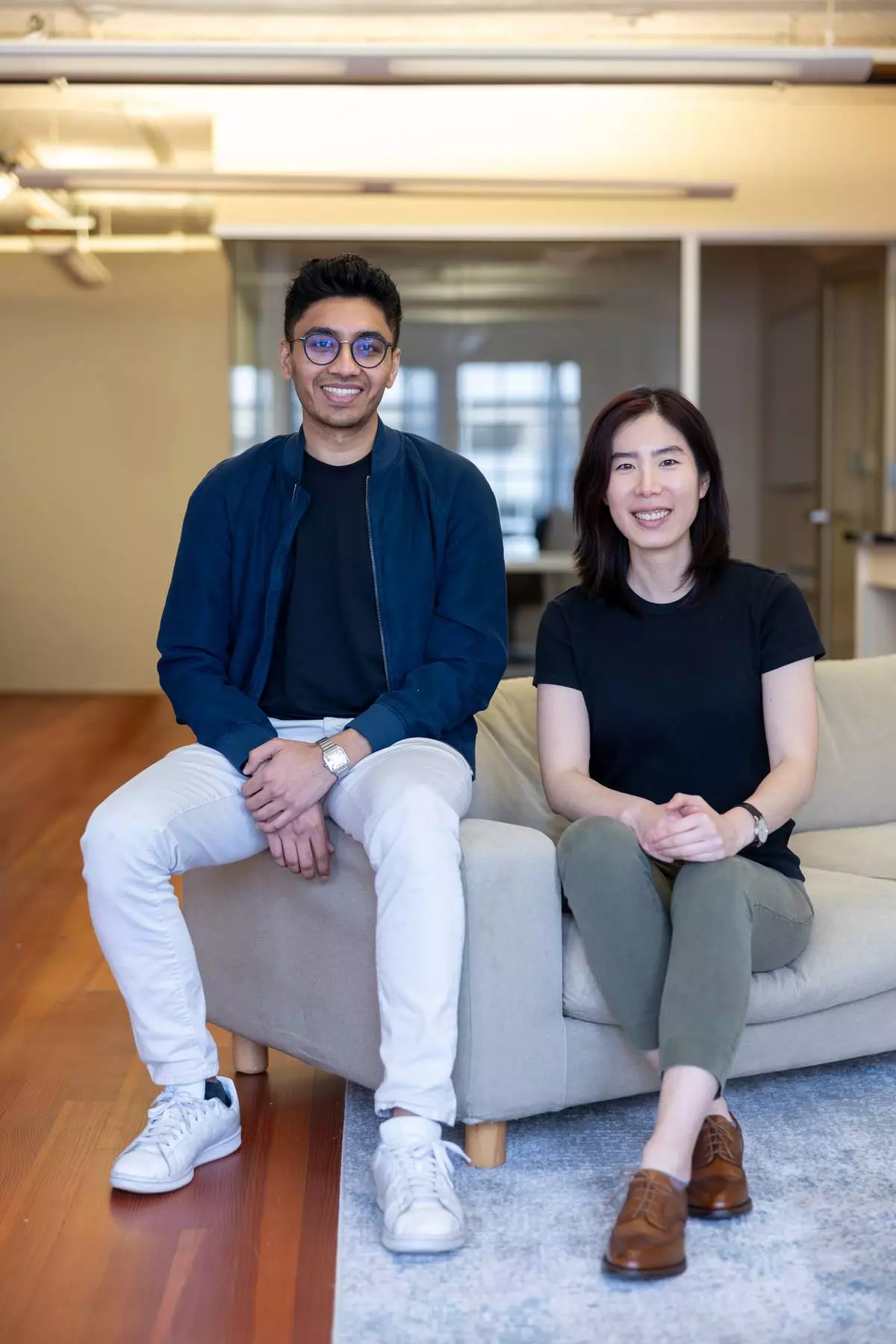
Causal Labs co-founders Dar Mehta and Kelsie Zhao. (Photo: Business Wire)
MELBOURNE, Australia (AP) — Doctors have amputated both of Australian federal lawmaker Helen Haines ' legs as she remains in critical condition after being repeatedly hit by a car in an apparent act of political violence, her husband said Wednesday.
The 65-year-old independent politician is receiving treatment in a Melbourne hospital where she was flown by helicopter.
Phil Haines, her husband, gave the family’s first public comments on her condition since she was hit by a Toyota Land Cruiser SUV in her hometown of Wangaratta on Monday, speaking hours after a man accused of running her over made an initial appearance in court.
Haines' husband said her left leg was amputated on Monday and her right leg was amputated on Wednesday after doctors abandoned hope of saving it.
“The good news in all this is that Helen is alive and she’s stable. That is the most important thing for our family,” the husband told reporters in Melbourne.
“We are grateful and thankful that at this stage, both her heart and her mind are in good shape,” he said.
He added that their 40th wedding anniversary will be in November.
Earlier Wednesday, Brendan Nugent, a 43-year-old man from nearby Tarrawingee, appeared in the Wangaratta Magistrates’ Court charged with intentionally causing serious injury, dangerous driving causing serious injury and causing harm to a federal official.
Nugent didn’t apply for bail or enter a plea. He will remain in custody until his next court appearance in February. Police have yet to determine a motive.
Nugent's lawyer Chirag Patel told Magistrate Allison Vaughan that his client was suffering from potential mental health issues but had never been diagnosed with any mental health problem.
Patel said Nugent suffered from a neurological condition, idiopathic transverse myelitis, and a concussion. The lawyer did not explain how Nugent had been concussed.
The rare condition damages the spinal cord’s protective myelin sheath and disrupts nerve signals between the brain and body. This leads to rapid muscle weakness, sensory loss, pain, and bladder and bowel dysfunction, according to the Cleveland Clinic medical center.
Witnesses say the driver rammed his victim, pinning her against her own car before reversing and ramming her a second time.
The well-regarded lawmaker's plight has shocked Australians, as political violence is uncommon in the country and politicians are highly accessible to the public. Most lawmakers are not accompanied by security details and go about their work and personal lives on their own.
Senior opposition lawmaker James Paterson on Wednesday called for a review of lawmakers’ personal security in response to the alleged crime.
“The reality is that Australian parliamentarians by global standards are uniquely accessible to the public and that’s a good thing,” Paterson told Australian Broadcasting Corp.
“But we … can’t have a situation where shocking attacks like this take place because that will fundamentally change our democracy forever if it becomes a serious risk to your life to be a member of parliament,” Paterson added.
But Prime Minister Anthony Albanese urged lawmakers to continue to engage openly with the public despite worsening animosity within the community.
“We want to make sure that people can feel as much comfort as possible that everything’s being done to maximize security,” Albanese told News24.
“I think parliamentarians across the board are determined to make sure that we can continue to engage as we need to in this great democracy of ours,” Albanese added. “That interaction is really important in our democracy.”
Lawmakers began online meetings with Australia’s security agencies on Wednesday to discuss their safety. Such briefings are a regular occurrence.
Albanese described the briefings as an “opportunity for people who feel anxious to be able to ask questions” of security agencies.
Australian Federal Police provide personal security only to those lawmakers who are assessed as higher risk, usually because they have attracted the attention of dangerous people. Prime ministers always have personal protection and immigration ministers often do because they anger people with visa decisions.
Paterson said providing police protection to all 226 federal lawmakers would not be practical. But he suggested increased security at electorate offices, such as Haines’ office where she was hit. Paterson said lawmakers were “most identifiable” at their offices. Coming and going could be a “risky moment.”
Federal Police Commissioner Kissy Barrett told reporters providing police protection to all parliamentarians would take an “incredible amount of resourcing.”
Police received 1,067 reports of threatening, harassing, nuisance and offensive communications against high officeholders including federal lawmakers and their office staff in the last fiscal year — a 12% increase on the previous year. Barrett said almost one suspect a week was charged over such threats.
Elsewhere in the world, authorities have warned of growing threats to lawmakers. The United States has seen a rise in political violence over the past decade.
That includes the 2022 hammer assault on the husband of then-House Speaker Nancy Pelosi; the 2024 assassination attempt on Donald Trump during his presidential campaign, as well as another on the president at the White House Correspondents’ Association Dinner in April; and the assassinations in 2025 of a Democratic Minnesota state lawmaker and her husband, and of conservative commentator Charlie Kirk.
In Britain, killings of politicians have also led to tighter security. Labour lawmaker Jo Cox was shot and stabbed in 2016 by a far-right extremist, while Conservative David Amess was stabbed in 2021 by an attacker inspired by the militant Islamic State group.
In July, the former British politician and reality TV contestant Ann Widdecombe was found beaten to death with a hammer at her home. A man has been charged with murder and terrorism-related offenses.
Graham-McLay reported from Wellington, New Zealand.
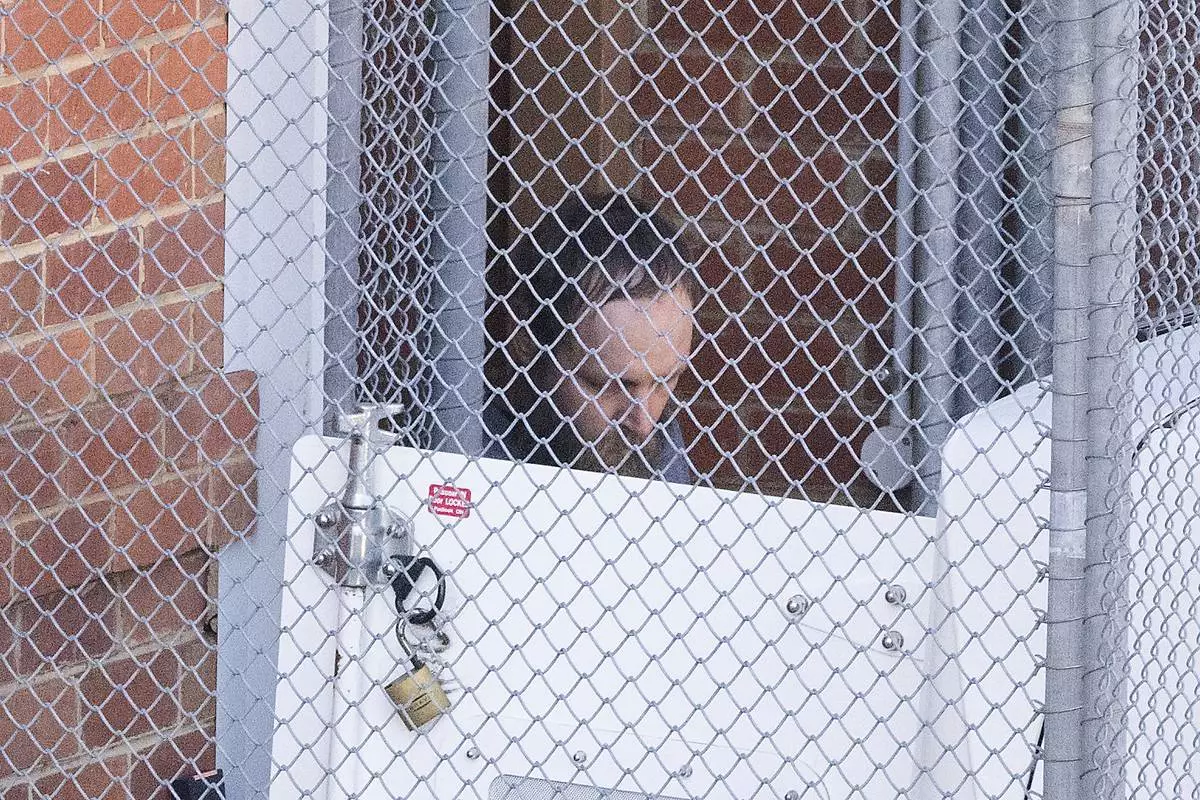
Brendan Nugent departs from the Wangaratta Magistrates Court in Wangaratta, Australia, Wednesday, Oct. 21, 2026. (James Ross/AAP Image via AP)
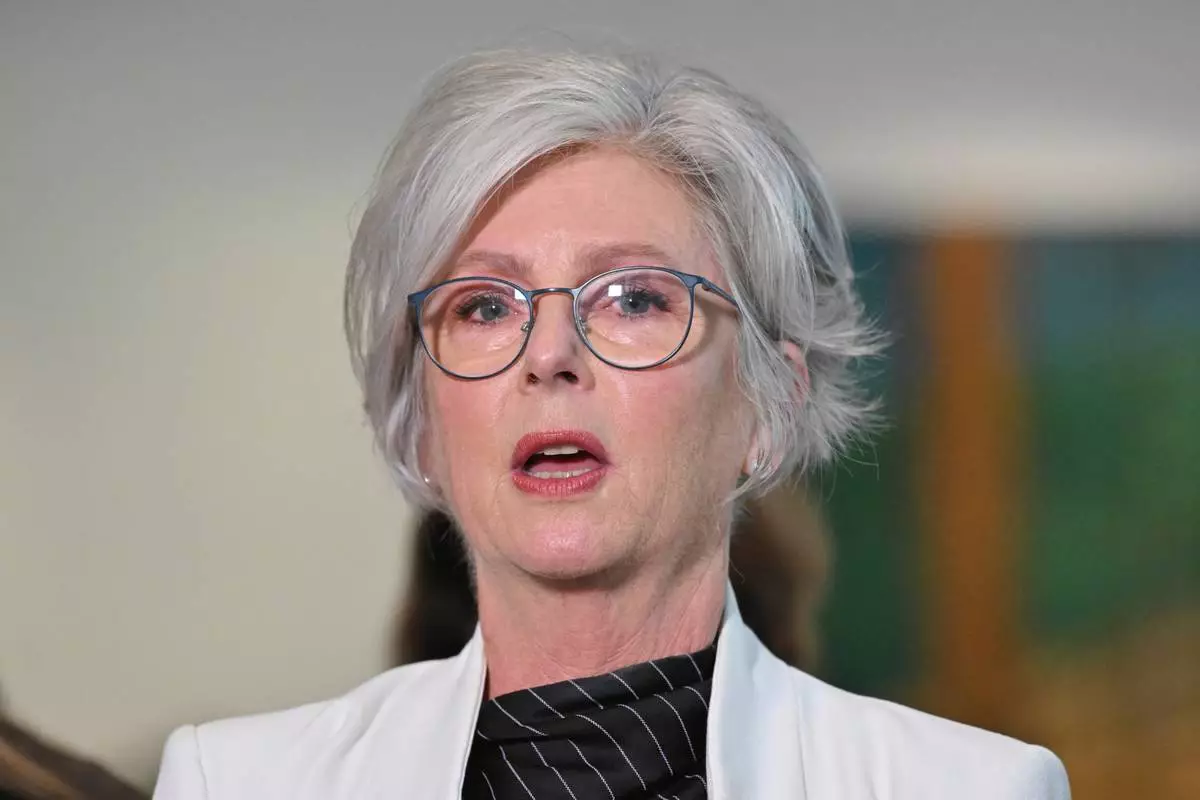
Australian independent member of parliament Helen Haines speaks at a press conference at Parliament House in Canberra, Australia, Tuesday, May 26, 2026. (Mick Tsikas/AAP Image via AP)
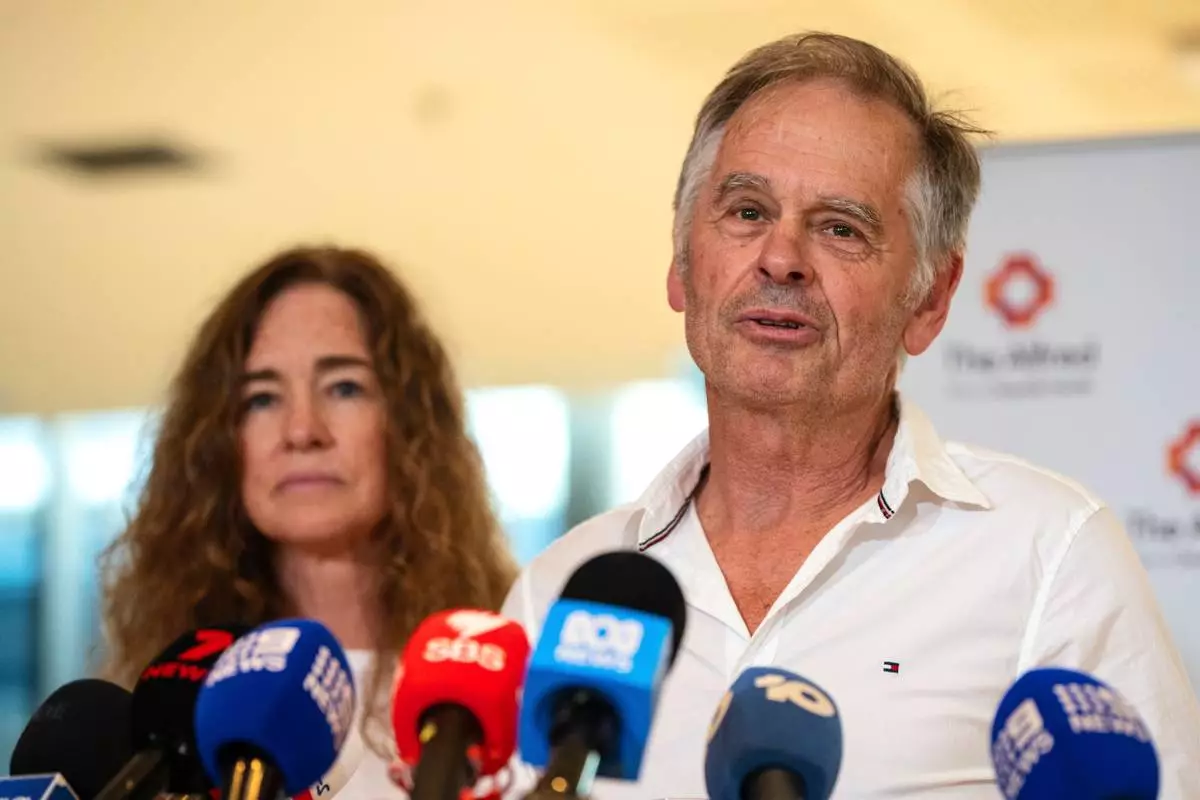
Phil Haines, husband of independent member of parliament Helen Haines, speaks to the media at The Alfred hospital in Melbourne, Australia, Wednesday, Oct. 21, 2026. (AAPImage via AP)