Japan started the 11th round of its release of nuclear-contaminated wastewater from the crippled Fukushima Daiichi Nuclear Power Plant into the Pacific Ocean on Wednesday, despite furious opposition from within the country and abroad.
Tokyo Electric Power Company (TEPCO), the plant's operator, said that it plans to discharge around 7,800 tonnes of nuclear-contaminated water from the facility in this round of release.
Japanese experts and residents have said that the Japanese government and TEPCO have failed to guarantee the safety and reliability of the operation, calling the ongoing discharge of nuclear-contaminated water into the ocean an extremely irresponsible action.
Hit by a 9.0-magnitude earthquake and an ensuing tsunami on March 11, 2011, the Fukushima Nuclear Power Plant suffered core meltdowns that released radiation, resulting in a level-7 nuclear accident, the highest on the International Nuclear and Radiological Event Scale.
The plant has been generating a massive amount of wastewater tainted with radioactive substances from cooling down the nuclear fuel in the reactor buildings, which are now being stored in tanks at the nuclear plant.
In August 2023, Japan started to discharge the Fukushima wastewater into the Pacific Ocean, despite repeated objections by governments and communities, environmental groups, non-governmental organizations, and anti-nuclear movements in Japan and the Pacific region.
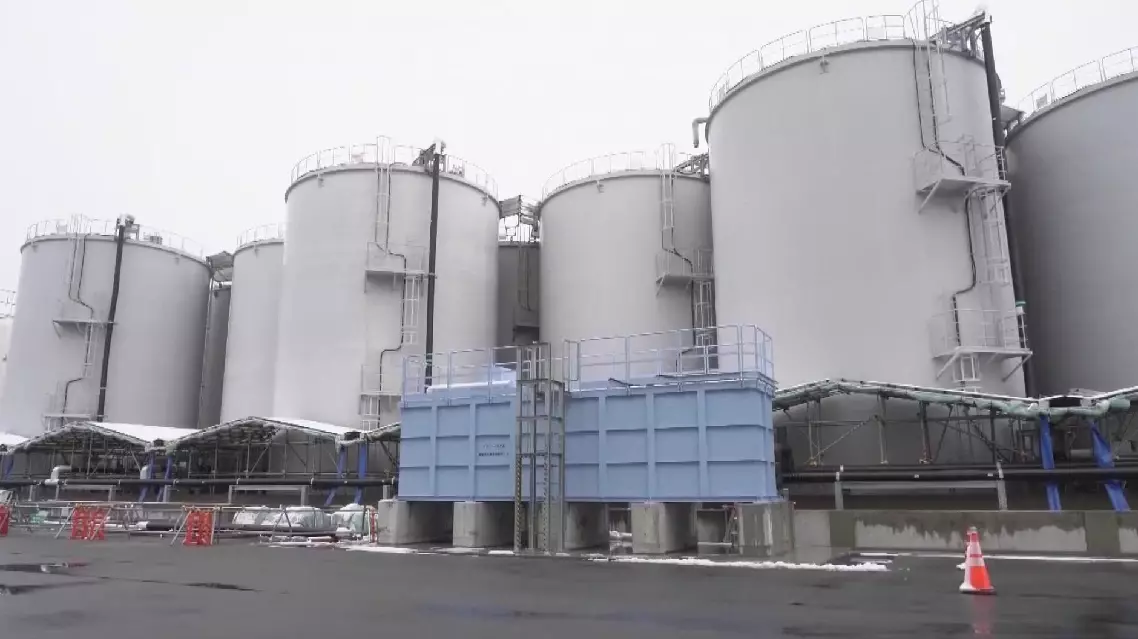
Japan starts 11th ocean discharge of Fukushima nuclear-tainted wastewater
The European Union (EU) Council on Friday announced its decision to expand the legal framework for sanctions against Iran, incorporating actions that threaten freedom of navigation in the Middle East as a new ground for restrictive measures.
In a statement released the same day, the EU Council said the revision builds upon existing EU restrictive measures against Iran.
Under the updated framework, the EU can impose sanctions on individuals and entities that participate in or support Iranian actions and policies deemed to threaten maritime security in the region.
The measures include travel bans, asset freezes, and a ban on EU citizens and companies supplying funds, financial assets, or economic resources to those listed.
Iran has so far not responded to the matter.
Earlier on Saturday, Iran's newly established Persian Gulf Strait Authority, the body now responsible for managing the Strait of Hormuz, reaffirmed Iran's scope of management and supervision over the Strait of Hormuz in a social media post, insisting that vessels must coordinate with and receive approval from Iranian authorities for passage.
The Navy of Iran's Islamic Revolution Guard Corps (IRGC) said on Thursday that 31 vessels, including oil tankers, container ships and commercial vessels, had crossed the Strait of Hormuz within the past 24 hours in coordination with and under the protection of its forces, according to a statement published in the IRGC's official news outlet Sepah News.

EU warns of broader sanctions on Iran over navigation threats in Middle East