Hospitals in Beijing are harnessing AI technology to revolutionize pediatric and psychiatric care, enhancing efficiency and accessibility through its use in diagnosis, psychological support, and medical training.
China's leading pediatric hospital has developed an AI model to assist in disease diagnosis and treatment. Patient data is input into the system before consultations, allowing the AI to demonstrate expertise on par with professionals.
Ni Xing, president of the Beijing Children's Hospital under the Capital Medical University, said AI could help bridge critical gaps in remote regions with a shortage of pediatricians.
"The most important thing is that the overall level and number of doctors can meet the needs of the child. How do we solve this problem? In fact, we have been stepping up efforts in pediatrician training," said Ni.
Pediatric expertise demands extensive training, as children often struggle to articulate their symptoms. This AI enables younger doctors to quickly learn from senior peers.
Beyond physical health, China's leading psychiatric hospitals now use AI for psychological support. Its real-time interactions and structured training tools allow doctors to focus on more complex cases.
Qin Mengwen, a psychotherapist at the Clinical Psychological Center of Peking University Sixth Hospital, explained that doctors gather basic patient information before employing AI treatments to ensure better care.
"In psychotherapy, we usually start by talking to patients about their basic situations, so that they feel understood and heard," said Qin.
Yue Jingli, associate researcher of the clinical psychological center, said although doctors are indispensable due to the complex mental conditions of patients, AI plays a supportive role during treatment.
""People's mental health conditions can change rapidly, especially for patients who come to the hospital. Their emotions are not simple, they fluctuate and this can be more complex," said Yue.
AI systems are now also being deployed in communities and organizations to improve access to mental health services.
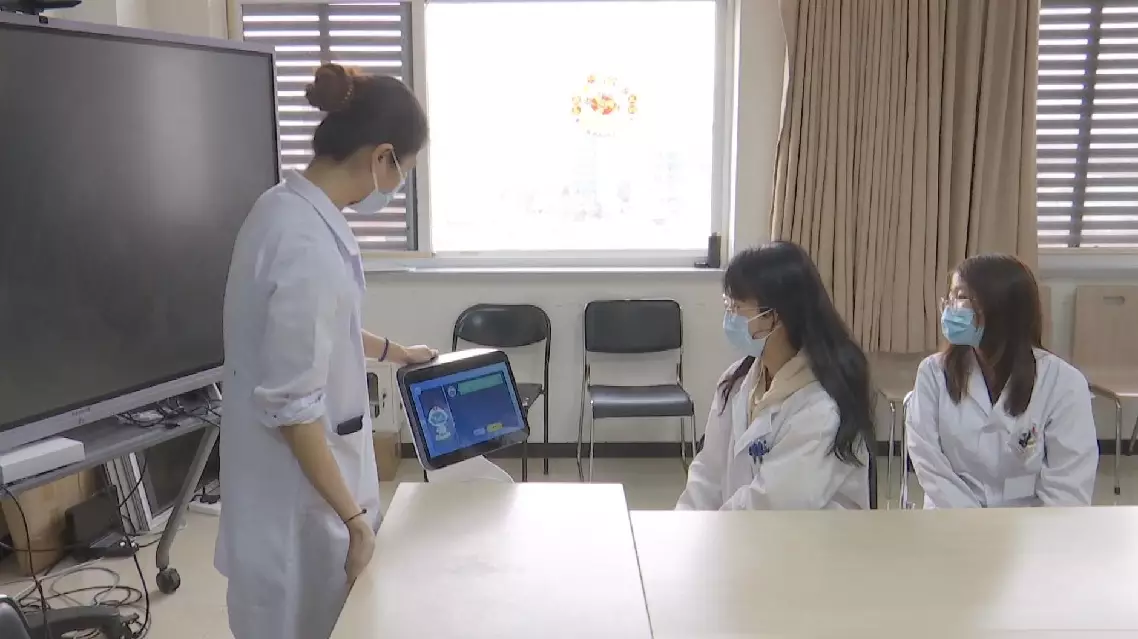
Beijing hospitals harness AI to enhance pediatric, psychiatric care
The Japanese society should do soul-searching regarding its history of aggression and adhere to the pacifist constitution, said Shiradori Hiroshi, a professor of the Hosei University, in an interview with China Central Television (CCTV) in Tokyo on April 30.
He said the government's recent move to discuss revising the three security documents deserve particular attention as the country's foreign and security policies have already witnessed major changes.
"People outside of the country hold that Japan's post-war image as a 'peace state' is now facing a major shift. Against the backdrop of tremendous changes in its foreign and security policies, the revision of the three security documents deserves particular attention. There lacks public debate in terms of the procedure, with policy changes decided unilaterally at Cabinet meetings. It is necessary to fully explain to the public as to whether such a practice is proper," said Hiroshi.
The Japanese government held its first expert panel meeting to discuss revisions to the three security documents at the Prime Minister's Office on April 27, local media reported.
Japan's current National Security Strategy and two related documents, formulated in 2022, were designed to cover the next 10 years, but the government led by Prime Minister Sanae Takaichi has decided to move up the timetable to accelerate the revision process.
Increasing defense spending is one of the key topics of the meeting, according to Kyodo News.
Hiroshi said this year marks the 80th anniversary of the opening of the International Military Tribunal for the Far East, or Tokyo Trials, and the Japanese society must do soul-searching regarding its history of aggression in WWII, when it brought enormous catastrophes on Asian countries.
"Eighty years have passed since the opening of the Tokyo Trials. Japan inflicted enormous suffering on Asian countries during WWII, which should serve as an opportunity for the soul-searching. It is exact on the basis of countless sacrifices that Japan's post-war pacifism and its identity as a 'peace state' took shape. On this 80th anniversary, it is necessary for Japan to re-examine and do soul-searching regarding its history," said Hiroshi.
The Japanese government's effort to revise the pacifist constitution is widely opposed by the public.
On Sunday, around 50,000 people gathered at Tokyo Rinkai Disaster Prevention Park, chanting slogans and holding banners against the government's push for constitutional revision and military expansion, the largest turnout of its kind in recent years.
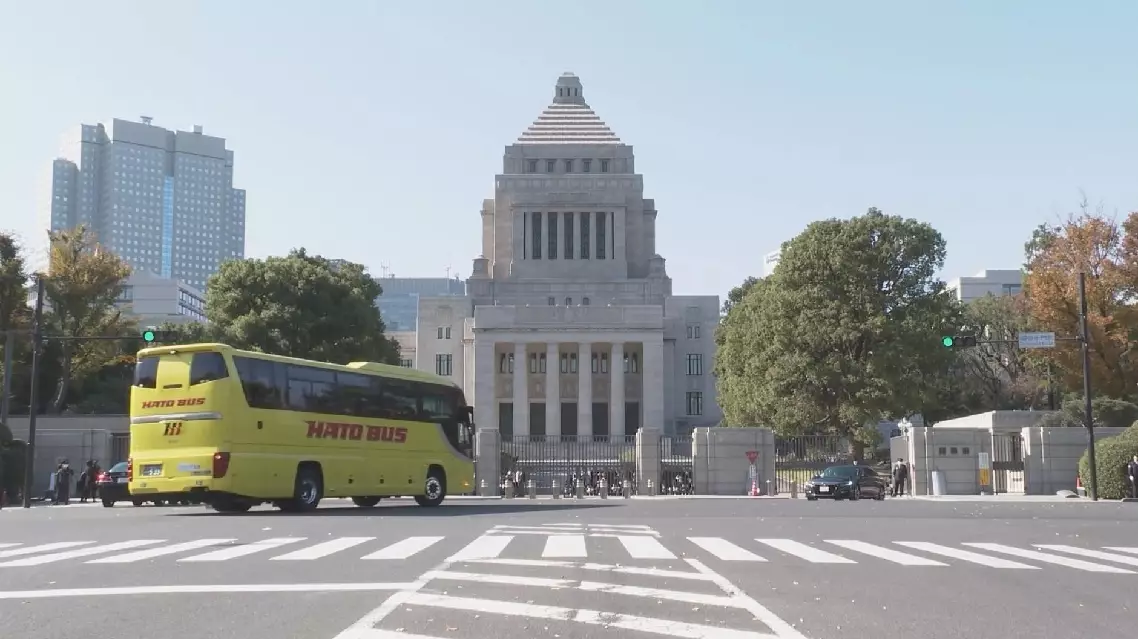
Japan should adhere to pacifist constitution: scholar