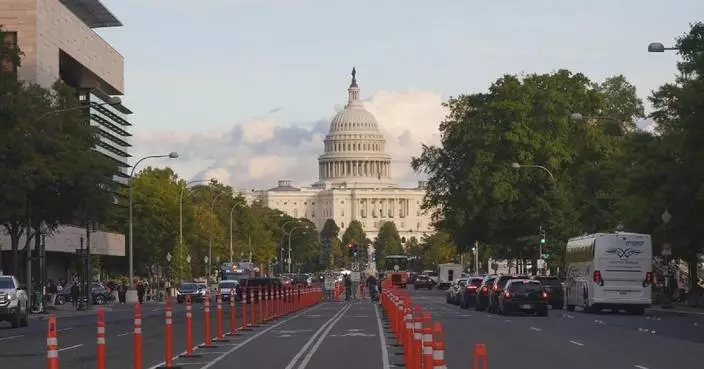
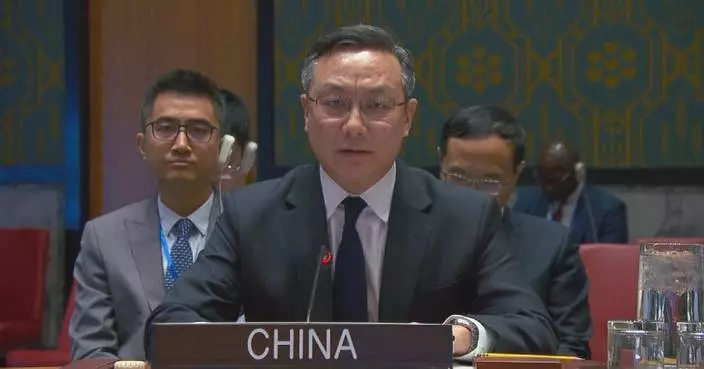
The escalating tariff dispute between the European Union and the United States has expanded to the wine and spirits sector, sparking alarm among alcohol importers in America.
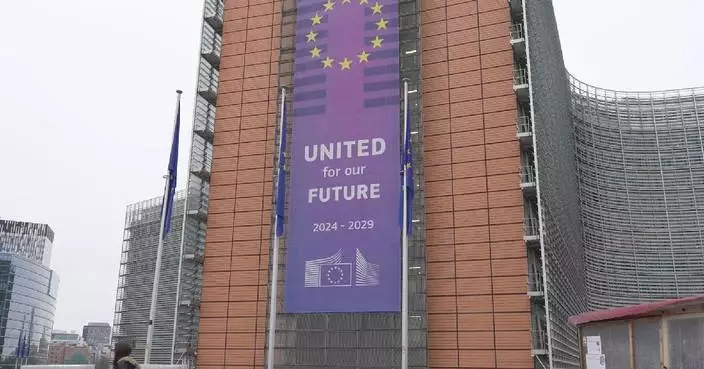
The European Commission announced on Wednesday to impose retaliatory tariffs on U.S. products worth 26 billion euros starting April in response to the U.S. imposition of a 25 percent tariff on all imported steel and aluminum from the EU.
"Tariffs will be applied on products ranging from boats to bourbon to motorbikes," the commission said.
U.S. President Donald Trump on the next day threatened to "shortly place a 200 percent tariff on all wines, champagnes, and alcoholic products coming out of France and other EU represented countries."
In San Francisco, businesses selling European wines and spirits have expressed concern over Trump's tariff threat, warning it would drastically inflate consumer prices and cripple their operations.
The United States is a critical export destination for European alcohol producers, importing 13.12 billion euros' worth of beverage, spirit, and vinegar products from the EU in 2024, according to data from the International Trade Center.
According to Television France 1, French Prime Minister Francois Bayrou on Thursday called on European wine-making nations to stand firmly together against the U.S. tariff threat
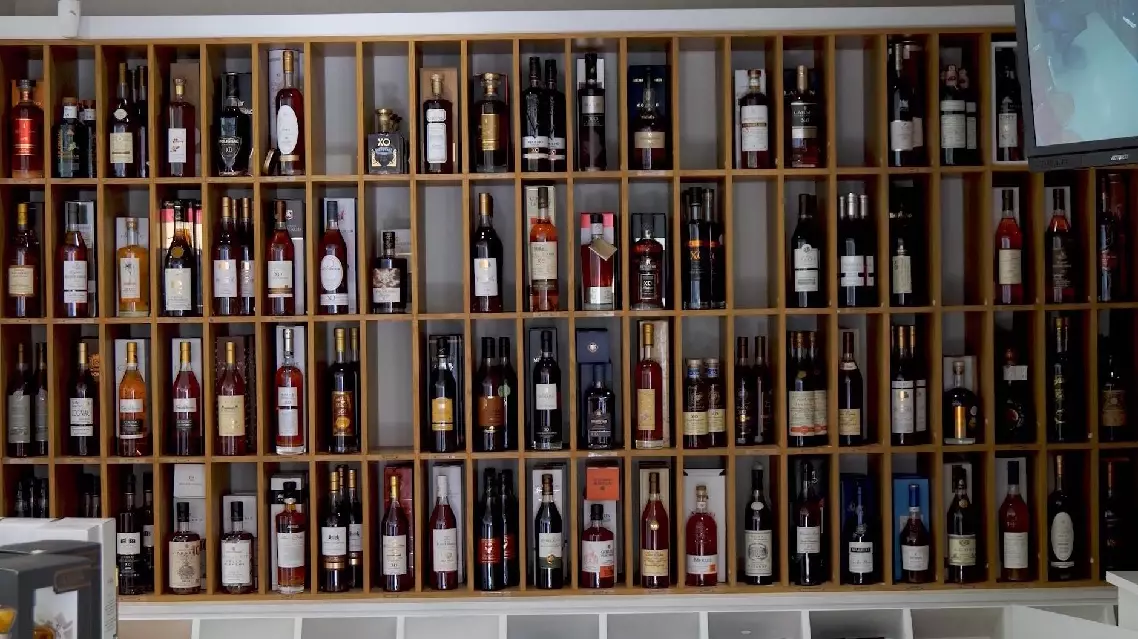
EU-US tit-for-tat tariffs alarm American wine importers
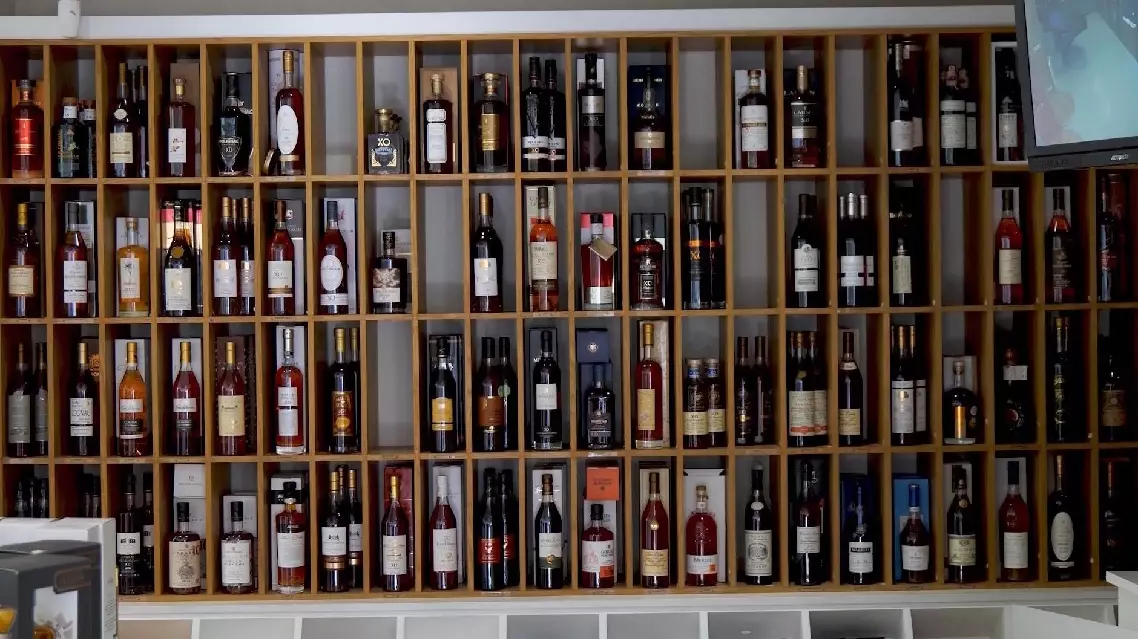
EU-US tit-for-tat tariffs alarm American wine importers
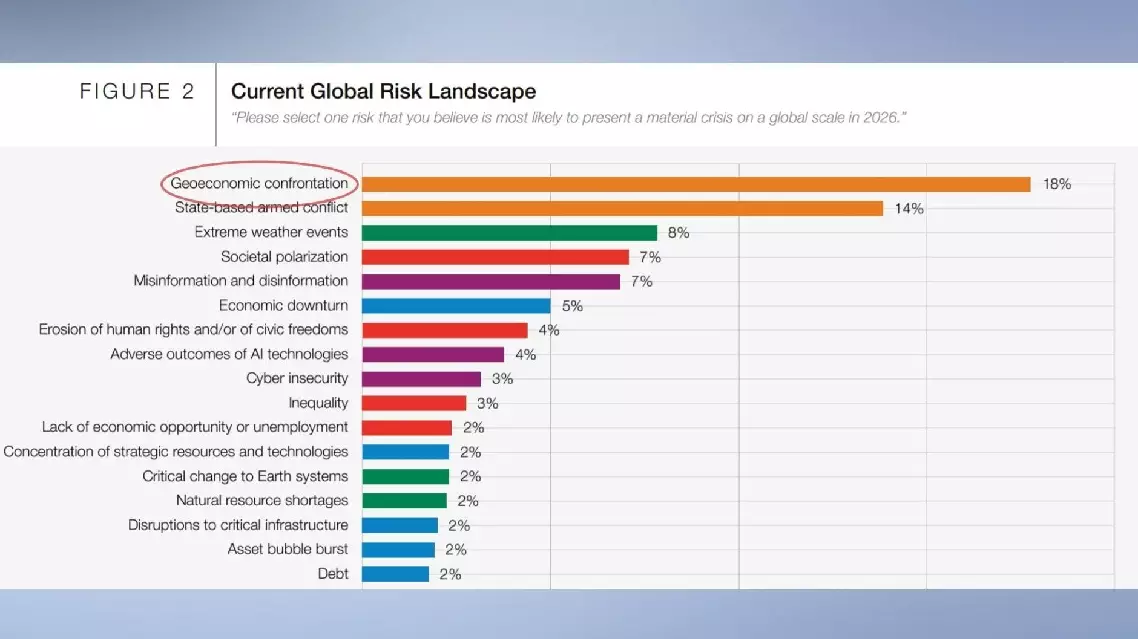
Geoeconomic confrontation is the leading short-term global threat in 2026, the World Economic Forum (WEF) warned in its Global Risks Report 2026 released on Wednesday ahead of its annual meeting in Davos, Switzerland.
The report ranks geoeconomic confrontation as the top risk for 2026, followed by interstate conflict, extreme weather, societal polarization, and misinformation and disinformation. It also identifies geoeconomic confrontation as the most severe risk over the next two years.
"I think if there is to be one key takeaway from the report, it's that we are entering an age of competition and this new competitive order is then shaping current global risks, but it is also shaping and to some extent hindering our ability to actually cope with them. That's really the key takeaway. If we take a look at, the number one risk both for 2026 and two years out, it's dual economic confrontation. But then if we look at the risks 10 years out. It's really the climate and environment related risks. All of these things require global cooperation and that's where we're seeing a big backsliding in this new age of competition," said Saadia Zahidi, managing director of the WEF.
Economic risks showed the largest increase in the two-year outlook, with concerns over economic downturns, inflation, rising debt and potential asset bubbles intensifying amid geoeconomic tensions, the report said.
Environmental risks remain the most severe overall, led by extreme weather, biodiversity loss and critical changes to Earth systems. The report noted that three-quarters of respondents expect a turbulent environmental outlook.
Risks related to adverse outcomes of artificial intelligence rose sharply, climbing from 30th in the two-year horizon to fifth in the 10-year outlook, reflecting concerns over impacts on labor markets, society and security.
The 21st edition of the report draws on views from more than 1,300 experts, policymakers and industry leaders.
The WEF's annual meeting will be held in Davos from Jan 19 to 23 and draw nearly 3,000 guests from more than 130 countries and regions to participate.
"So overall, we are starting to see this shift away from what have traditionally been the ways in which people have been able to cooperate. Now, that is not to say that any of this is a foregone conclusion. And I think that's a really important message around the risks report. None of this is set in stone. All of this is in the hands of leaders. Whether they choose to cooperate and invest in resilience or whether they do not. So that's really what we'll be focused on next week in Davos bringing leaders together under this overall theme of 'a spirit of dialogue' and trying to reestablish relationships, cooperation and trust. That's the fundamental," said Zahidi.
WEF warns of rising geoeconomic risks in 2026