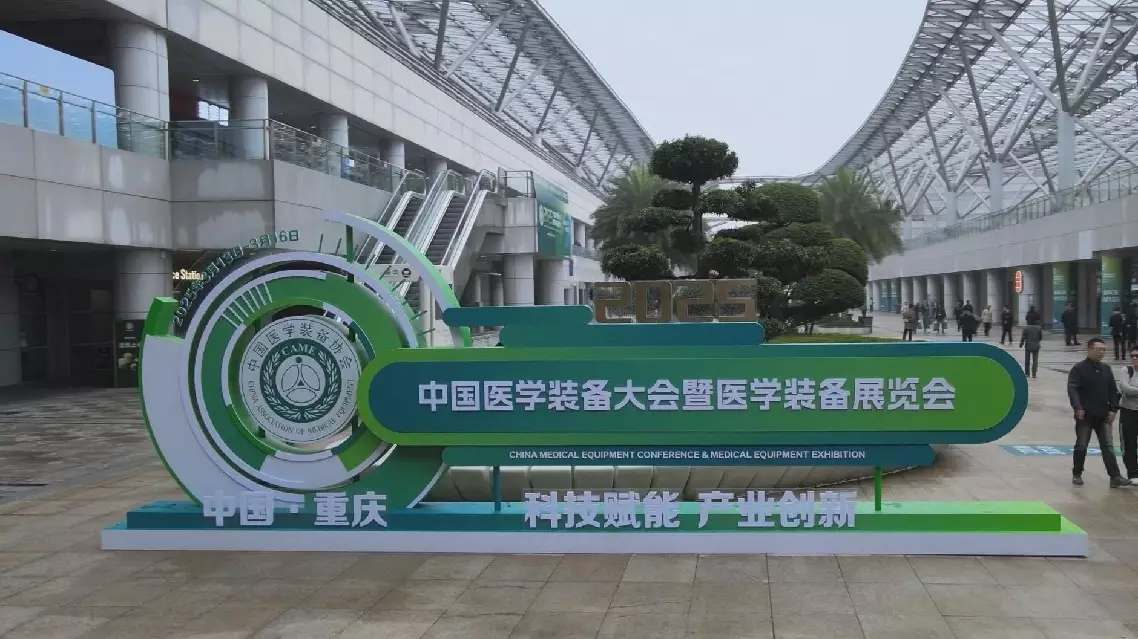
China now has a medical equipment sector with a market size of 1.35 trillion yuan (about 188.2 billion U.S. dollars), according to a blue book released Saturday at the 2025 China Medical Equipment Conference and Medical Equipment Exhibition held in the southwestern Chongqing Municipality.
In 2024, the total import and export trade of medical equipment in China stood at 79.1 billion U.S. dollars, a year-on-year increase of 0.71 percent. In breakdown, the total import trade came in at 35.1 billion U.S. dollars, while the export trade was 44 billion U.S. dollars, according to the blue book.
In 2024, China's medical equipment industry experienced rapid growth in market size alongside continuous advances in industrial innovation capabilities, with several medical devices approved for the first time domestically, including intracardiac ultrasound imaging system, multiple surgical robots, and proton and heavy-ion therapy system.
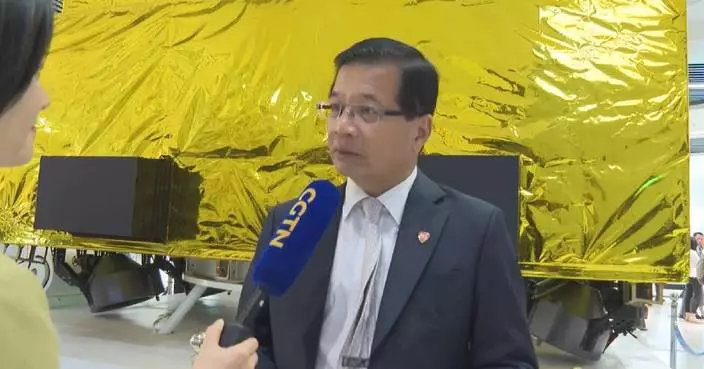
"The medical equipment sector in China has been developing rapidly, such as photon-counting CT technology and 5T MRI, which have been at the forefront of global development. In addition, the integration of AI and medical equipment is looking at a very promising opportunity for development in our country," said Fang Jiancheng, an academician of the Chinese Academy of Sciences (CAS).
Over recent years, China has established a system encompassing over 1,100 types of products in 22 major categories, making it one of the countries with the most comprehensive range of product categories and varieties in the world.
The 2025 China Medical Equipment Conference and Medical Equipment Exhibition took place from Thursday to Sunday. This year's exhibition featured a total of 34 professional exhibition areas, including medical imaging, radiotherapy, medical examination, surgical equipment, hospital Internet of Things construction, artificial intelligence and medical robots, and showcasing over 10,000 new products, new technologies, new applications and new methods in the field of medical equipment.
China's medical equipment market size reaches 1.35 trillion yuan
A series of cross-Strait exchange activities have been held in north China's Shanxi Province, providing platforms for people from both sides of the Taiwan Strait to explore shared history, culture, and business opportunities.
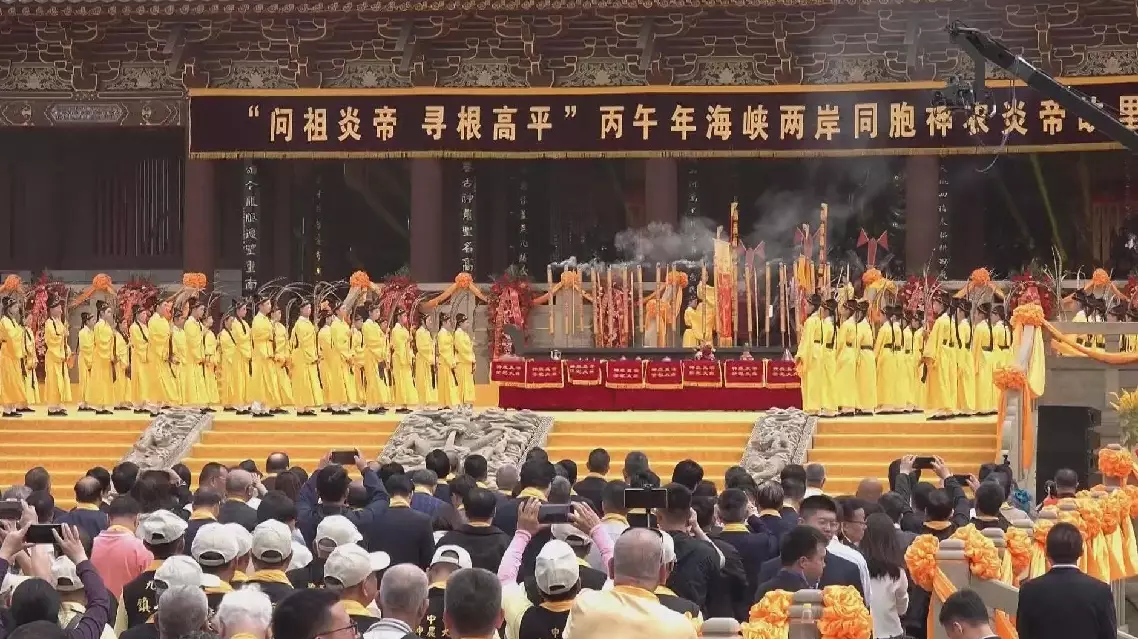
A ceremony worshiping Emperor Yandi, a legendary ancestor of the Chinese nation, was held in Gaoping, a county-level city in Shanxi on May 24.
The worship ceremony featured rituals including incense offering, the reading of eulogies, ritual bowing, and traditional Chinese instrument performances. The solemn event brought together people from both sides of the Strait, strengthening their shared sense of cultural belonging and deepening consensus around a common Chinese identity.
"Because (in Taiwan), we've known since childhood that we are descendants of Emperor Yandi and Emperor Huangdi, so attending this ceremony really meant a lot to me," said Hsieh Yu-Chan, a Taiwan resident.
"It truly gives me the feeling of being as the descendants of Yandi and Huangdi. I was deeply moved. If I have the opportunity, I will definitely come again next year," said another Taiwan resident.
Shanxi Province has a solid industrial base and a favorable business environment. The province has rolled out preferential policies for Taiwan residents, attracting more than 100 Taiwan-funded enterprises to invest and settle in.
On May 23, an event highlighting cross-Strait business exchanges was held in the province's Jincheng City, attracting nearly 150 Taiwan businesspeople and youths, enhancing mutual understanding and exploring business opportunities.
"(Shanxi's) cultural tourism, healthcare, and coal chemical industries, in particular, offer excellent opportunities for Taiwan businesses, while Taiwan businesses are also very strong in producing key components for AI computing power. The prospects [for cooperation] are very promising," said Lee Cheng-hung, president of the Association of Taiwan Investment Enterprises on the Mainland.
"The mainland's economy is actually very strong. I think the success rate of starting a business and investing here is at least twice as high as in Taiwan. So I encourage young people in Taiwan to come and visit more often," said Chang Han-hsuan, a businessman.
During the event, participants also visited local enterprises, a short video production base, and popular tourist attractions across Shanxi.
Cross-Strait cultural, business exchange activities held in Shanxi