China is ramping up efforts to expand its consumer goods trade-in program, aiming to drive consumer spending and stimulate economic activity, with a focus on streamlining services, mitigating risks, and strengthening recycling initiatives, officials said on Monday.
According to the Ministry of Commerce, the program generated over 1.3 trillion yuan (about 180 billion U.S. dollars) in revenues in 2024, reinforcing market confidence. The government is now expanding the policy's reach with increased funding and broader coverage.
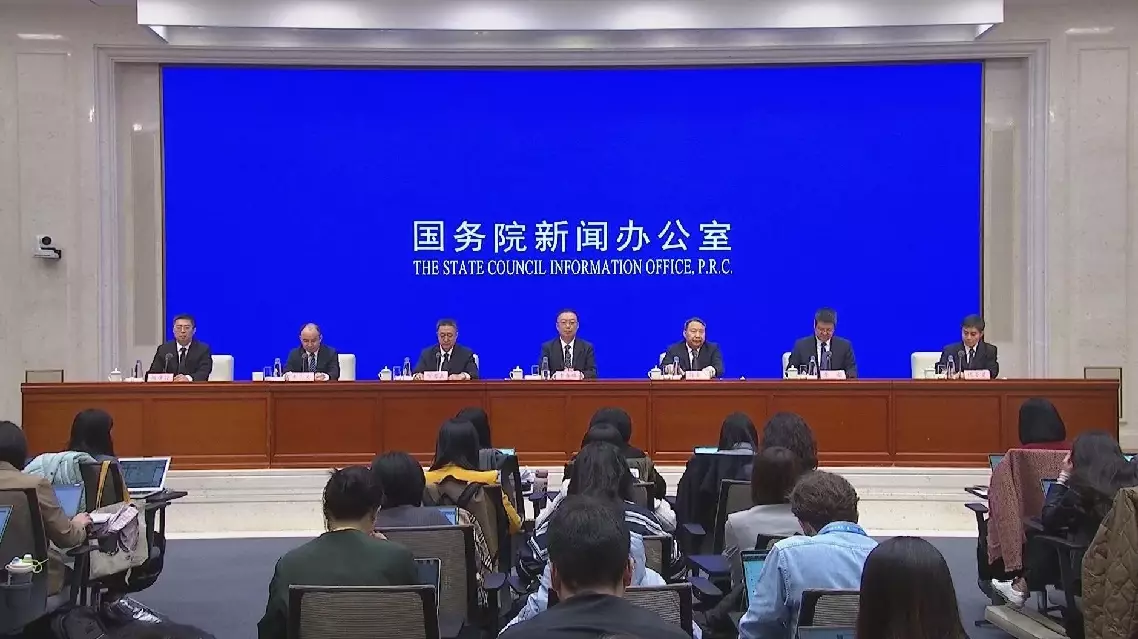
At a press briefing, Li Gang, Director-General of the Ministry of Commerce's Department of Market Operation and Consumption Promotion, said the ministry has strengthened and expanded the program since the start of the year, doubling funding to 300 billion yuan (over 41 billion U.S. dollars).
The policy now includes new subsidies for digital products such as mobile phones, tablets, and smartwatches, an expanded scope for scrapped car replacements, a wider range of home appliances eligible for trade-ins, and additional subsidies for home renovation materials. Local governments are encouraged to introduce further incentives based on regional needs.
"As of March 16, the total number of applications for the nationwide vehicle trade-in program had surpassed 1.32 million, with consumers purchasing over 26 million units of home appliances across 12 categories. Additionally, more than 41 million consumers applied for subsidies on 51 million digital products, including mobile phones," Li said.
The automotive sector has seen especially strong uptake in trade-in applications, with both vehicle sales and the recycling of scrapped cars seeing significant growth, he said.
"According to data from the China Automobile Dealers Association, retail sales of domestic passenger cars rose by 1.2 percent year-on-year in January and February, with a notable 26 percent increase in February, indicating a strong upward momentum. Data from the Ministry of Commerce reveals that the nationwide recycling of scrapped vehicles surged by 50.1 percent year-on-year in January and February, with February alone seeing an extraordinary 188.2 percent increase, setting a new historical record," Li said.
Li outlined the government's plans to improve the trade-in system, focusing on four key areas.
First, he said, the system will be optimized with cross-regional data analysis to streamline applications and enhance efficiency. Local authorities will be guided to simplify procedures and expedite subsidy distribution to ensure faster and more effective access for consumers.
Secondly, to mitigate policy risks such as fraud, duplicate claims, and multiple sales of the same item, the government will upgrade the system with real-time monitoring and interception measures. Li emphasized the importance of maintaining open reporting channels and working with local authorities to address violations, safeguarding consumer rights and ensuring market order.
Thirdly, Li said, the government is prioritizing the "old-to-new" transition by promoting second-hand goods circulation and advancing the recycling system for renewable resources. This initiative aims to improve waste recovery and utilization, enhancing overall resource efficiency.
Finally, Li stressed the role of publicity in raising awareness of the trade-in programs. The government will create a joint publicity platform to communicate policy details and progress, while organizing local events, exhibitions, and promotional activities to stimulate consumer demand, he said.
China expands trade-in program to boost consumer spending, economic growth: commerce ministry