Skip to Content Facebook Feature Image

Forcepoint Strengthens Executive Leadership Team to Drive AI-Powered Data Security Innovation

News

Forcepoint Strengthens Executive Leadership Team to Drive AI-Powered Data Security Innovation
News

News

Forcepoint Strengthens Executive Leadership Team to Drive AI-Powered Data Security Innovation

2025-03-19 21:02 Last Updated At:21:21

AUSTIN, Texas--(BUSINESS WIRE)--Mar 19, 2025--

Forcepoint, a global leader in data security, today announced three strategic leadership appointments to accelerate innovation and execution of its AI-driven Data Security Everywhere strategy. Guy Shamilov has been named Chief Information Security Officer (CISO), Bakshi Kohli as Chief Technology Officer (CTO) and Head of Global Engineering, and Naveen Palavalli’s role has expanded to Chief Product Officer and Chief Marketing Officer (CPO and CMO). Today's appointments strengthen Forcepoint’s vision to unify visibility and control across all stages of the data security lifecycle—from discovery and classification to prioritization, monitoring and risk mitigation.

This press release features multimedia. View the full release here: https://www.businesswire.com/news/home/20250319733545/en/

As data spreads across hybrid environments and generative AI (GenAI) introduces new risks, dynamic, adaptive data security is essential for protecting sensitive information and intellectual property from automated, AI-driven threats. Legacy security approaches relying on disconnected, one-off tools are no longer sustainable. By unifying security policies and leveraging AI-powered automation, Forcepoint’s Data Security Everywhere platform enables businesses and governments to prevent data loss, simplify compliance and proactively defend against evolving cyber threats—all through a centralized, AI-driven architecture.

“Our mission is to simplify security for enterprises and governments by embedding AI automation into every aspect of data security,” said Ryan Windham, CEO of Forcepoint. “With AI Mesh at the core of Forcepoint’s insights and adaptive controls for risk, we uniquely deliver full-lifecycle data security across hybrid and AI environments. Guy, Bakshi and Naveen bring deep expertise to accelerate this product innovation, enhance customer security postures and drive our growth as the leader in unified data security.”

Leadership to Meet the Growing Challenges of AI-based Security Risks

Guy Shamilov, CISO – Security at the Core of Business Strategy

With over 20 years of experience, Shamilov leads Forcepoint’s global security strategy and operations, embedding cybersecurity into business culture, objectives and operations. Prior to Forcepoint, he served as CISO at Varonis, Tata Consultancy Services and Traiana, driving security innovation and risk management. He also holds the (ISC)² Certified Information Systems Security Professional (CISSP) certification and was named CISO of the Year in 2023 by NC Tech Association.

“CISOs today face an unprecedented challenge—AI-driven attacks are on the rise, and businesses are struggling to keep up with evolving threats, adapt strategies, and fix security gaps—all while managing complex tools and controls,” said Shamilov. “Forcepoint is solving this problem with an end-to-end, AI-powered platform that brings visibility and control under one roof to simplify management, mitigate risk and reduce cost for CISOs.”

Bakshi Kohli, CTO and Head of Global Engineering– Advancing AI-Powered Protection

A technologist with over 30 years of experience, Kohli drives the architectural vision of Forcepoint’s Data Security Everywhere platform and leads global engineering teams. At Zscaler, he helped grow recurring revenue 15x and played a key role in the company’s successful IPO.

“GenAI is transforming security, and businesses and governments must understand what data is being fed into AI models and what insights are coming out,” said Kohli. “AI also presents the perfect pathway for innovating data security. No other vendor delivers the depth and breadth of data security like Forcepoint. With world-class DLP and the Getvisibility acquisition, we are building the industry’s most comprehensive data security platform—one that makes security stronger and more manageable.”

Naveen Palavalli, CPO and CMO – Unifying Product and Market Execution

With nearly 25 years of technology experience in the cybersecurity industry, Palavalli now oversees product strategy, roadmap and marketing, ensuring seamless alignment between innovation and customer needs. Since joining Forcepoint as CMO in April 2024, he has driven the launch of Data Security Posture Management (DSPM), Data Detection and Response (DDR), and AI-Mesh capabilities—powered by Getvisibility.

“Security must adapt as fast as the threats do, which makes all the difference between which businesses thrive or simply survive in the AI era,” said Palavalli. “Customers tell us daily there must be a simpler way to keep up. Bringing together product and marketing underscores Forcepoint’s commitment to delivering real-time, adaptive data security solutions developed with customers, for customers.”

Expanding AI Security Capabilities

These leadership appointments come as Forcepoint expands its AI-driven data security capabilities with the planned acquisition of Getvisibility, a leader in AI-powered security solutions. The acquisition strengthens Forcepoint’s Data Security Everywhere architecture—including DLP, CASB and SWG—with deeper DSPM, DDR and AI-Mesh integration to help customers identify and protect sensitive data in real time. With this unified approach, Forcepoint brings visibility and control under one roof, enabling organizations to secure their data across cloud, web and endpoint environments, without the complexity of managing multiple security tools.

About Forcepoint

Forcepoint simplifies security for global businesses and governments. The company’s Data Security Everywhere architecture makes it easy to adopt Zero Trust and prevent the theft or loss of sensitive data and intellectual property no matter where people are working. Based in Austin, Texas, Forcepoint creates safe, trusted environments for customers and their employees in more than 150 countries.
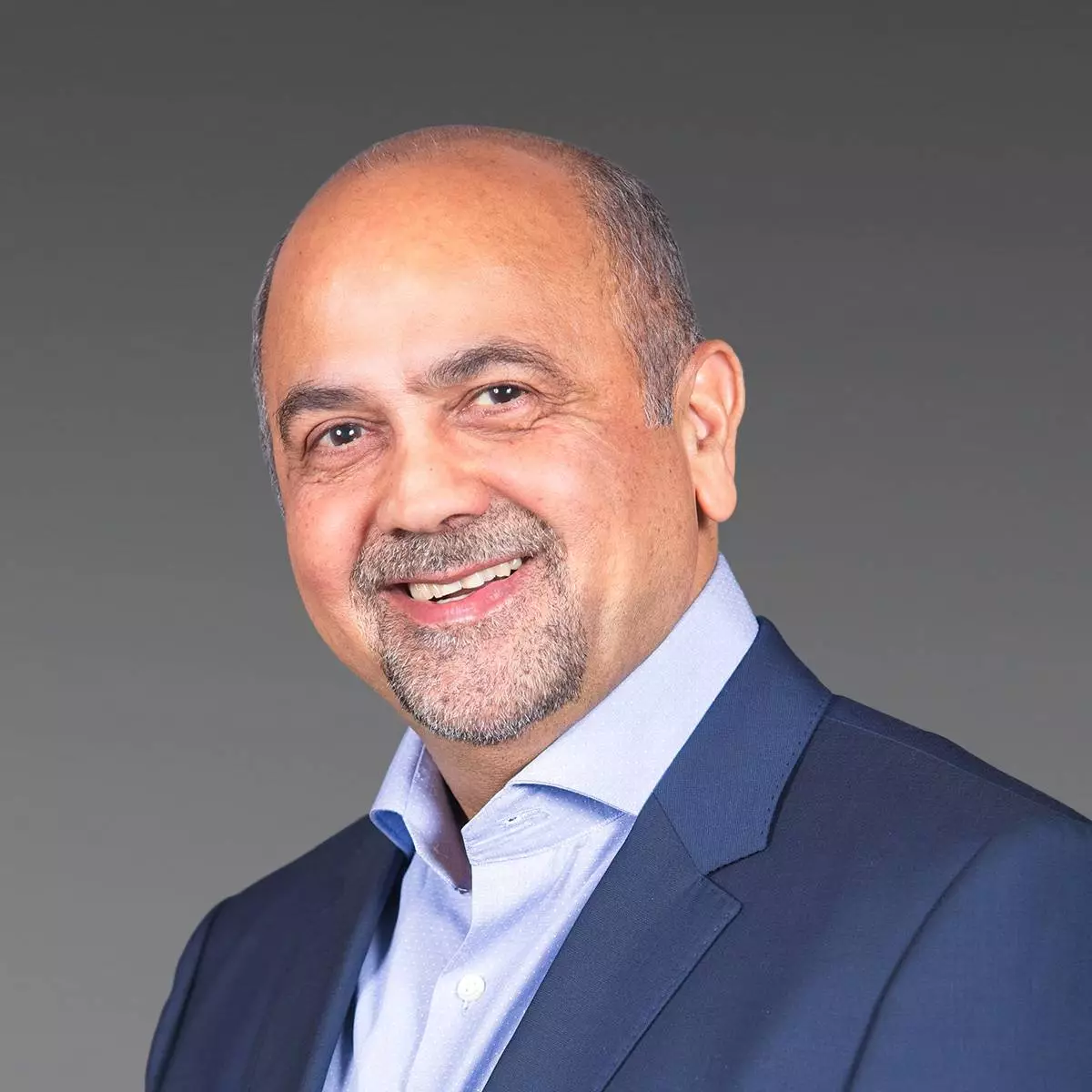
Forcepoint appoints Bakshi Kohli as Chief Technology Officer and Head of Global Engineering.

Forcepoint appoints Bakshi Kohli as Chief Technology Officer and Head of Global Engineering.

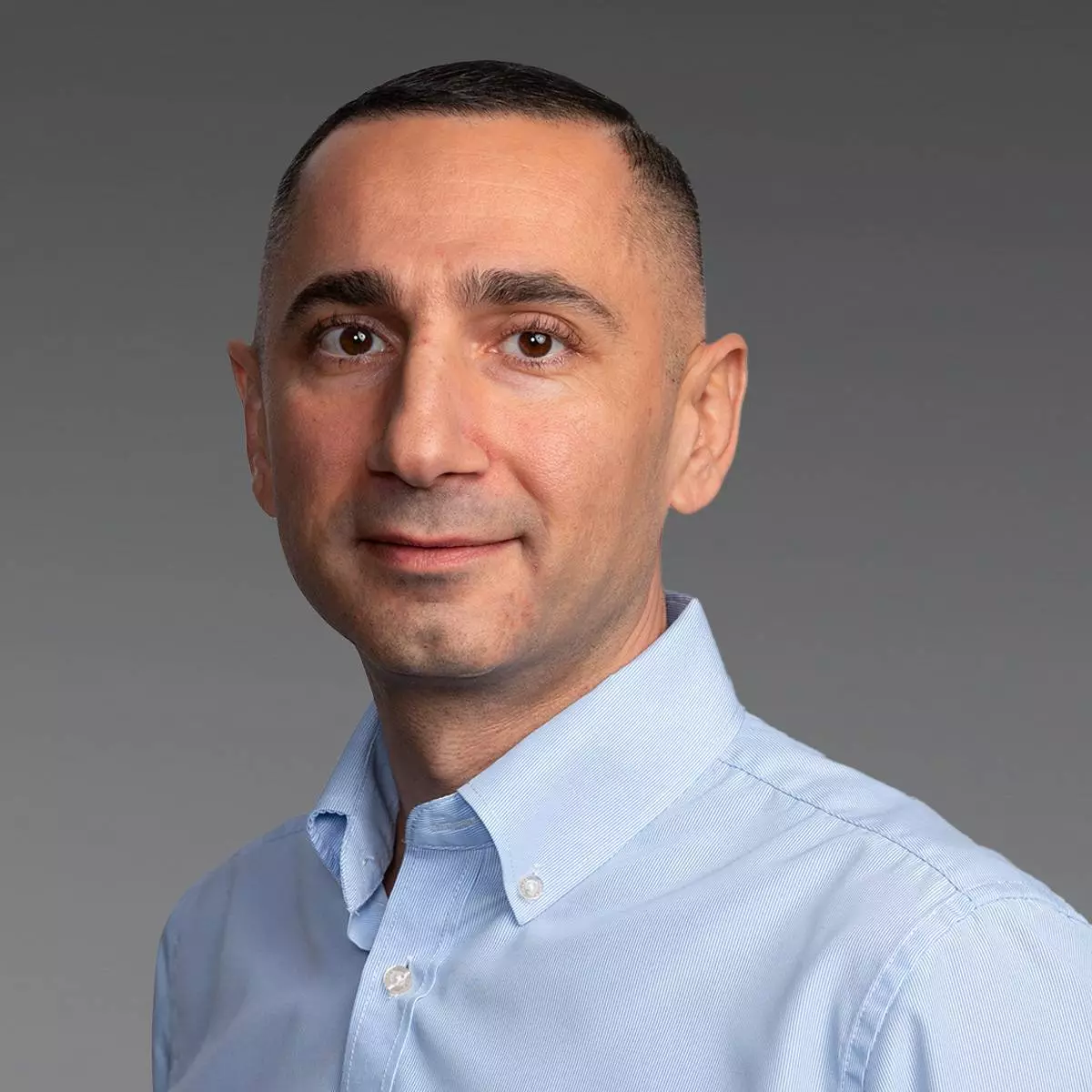
Guy Shamilov appointed Forcepoint CISO.

Guy Shamilov appointed Forcepoint CISO.

WASHINGTON (AP) — The Trump administration will withdraw from dozens of international organizations, including the U.N.'s population agency and the U.N. treaty that establishes international climate negotiations, as the U.S. further retreats from global cooperation.

President Donald Trump on Wednesday signed an executive order suspending U.S. support for 66 organizations, agencies, and commissions, following his administration’s review of participation in and funding for all international organizations, including those affiliated with the United Nations, according to a White House release.

Most of the targets are U.N.-related agencies, commissions and advisory panels that focus on climate, labor, migration and other issues the Trump administration has categorized as catering to diversity and “woke” initiatives. Other non-U.N. organizations on the list include the Partnership for Atlantic Cooperation, the International Institute for Democracy and Electoral Assistance and Global Counterterrorism Forum.

“The Trump Administration has found these institutions to be redundant in their scope, mismanaged, unnecessary, wasteful, poorly run, captured by the interests of actors advancing their own agendas contrary to our own, or a threat to our nation’s sovereignty, freedoms, and general prosperity,” the State Department said in a statement.

Trump's decision to withdraw from organizations that foster cooperation among nations to address global challenges comes as his administration has launched military efforts or issued threats that have rattled allies and adversaries alike, including capturing autocratic Venezuelan leader Nicolás Maduro and indicating an intention to take over Greenland.

The administration previously suspended support from agencies like the World Health Organization, the U.N. for Palestinian refugees known as UNRWA, the U.N. Human Rights Council and the U.N. cultural agency UNESCO as it has taken a larger, a-la-carte approach to paying its dues to the world body, picking which operations and agencies they believe align with Trump’s agenda and those which no longer serve U.S. interests.

“I think what we’re seeing is the crystallization of the U.S. approach to multilateralism, which is ‘my way or the highway,’” said Daniel Forti, head of U.N. affairs at the International Crisis Group. “It's a very clear vision of wanting international cooperation on Washington’s own terms.”

It has marked a major shift from how previous administrations — both Republican and Democratic — have dealt with the U.N., and it has forced the world body, already undergoing its own internal reckoning, to respond with a series of staffing and program cuts.

Many independent nongovernmental agencies — some that work with the United Nations — have cited many project closures because of the U.S. administration’s decision last year to slash foreign assistance through the U.S. Agency for International Development, or USAID.

Despite the massive shift, the U.S. officials, including Trump himself, say they have seen the potential of the U.N. and want to instead focus taxpayer money on expanding American influence in many of the standard-setting U.N. initiatives where there is competition with China, like the International Telecommunications Union, the International Maritime Organization and the International Labor Organization.

The withdrawal from the U.N. Framework Convention on Climate Change, or UNFCCC, is the latest effort by Trump and his allies to distance the U.S. from international organizations focused on climate and addressing climate change.

UNFCC, the 1992 agreement between 198 countries to financially support climate change activities in developing countries, is the underlying treaty for the landmark Paris climate agreement. Trump — who calls climate change a hoax — withdrew from that agreement soon after reclaiming the White House.

Gina McCarthy, former White House National Climate Adviser, called the move “shortsighted, embarrassing, and a foolish decision.”

“As the only country in the world not a part of the UNFCCC treaty, the Trump administration is throwing away decades of U.S. climate change leadership and global collaboration,” McCarthy, who co-chairs America Is All In, a coalition of climate-concerned U.S. states and cities, said in a statement. “This Administration is forfeiting our country’s ability to influence trillions of dollars in investments, policies, and decisions that would have advanced our economy and protected us from costly disasters wreaking havoc on our country.”

Mainstream scientists say climate change is behind increasing instances of deadly and costly extreme weather, including flooding, droughts, wildfires, intense rainfall events and dangerous heat.

The U.S. withdrawal could hinder global efforts to curb greenhouse gases because it “gives other nations the excuse to delay their own actions and commitments,” said Stanford University climate scientist Rob Jackson, who chairs the Global Carbon Project, a group of scientists that tracks countries’ carbon dioxide emissions.

It will also be difficult to achieve meaningful progress on climate change without cooperation from the U.S., one of the world’s largest emitters and economies, experts said.

The U.N.'s population agency, which provides sexual and reproductive health across the world, has long been a lightning rod for Republican opposition and Trump himself cut funding for the agency during his first term in office. He and other GOP officials have accused the agency of participating in “coercive abortion practices” in countries like China.

When President Joe Biden took office in January 2021, he restored funding for the agency. A State Department review conducted the following year found no evidence to support GOP claims.

Other organizations and agencies that the U.S. will quit include the Carbon Free Energy Compact, the United Nations University, the International Cotton Advisory Committee, the International Tropical Timber Organization, the Partnership for Atlantic Cooperation, the Pan-American Institute for Geography and History, the International Federation of Arts Councils and Culture Agencies and the International Lead and Zinc Study Group.

The State Department said additional reviews are ongoing.

Amiri reported from the United Nations. Associated Press writer Tammy Webber reported from Fenton, Michigan.

This story has been updated to correct Daniel Forti's title at the International Crisis Group; It is head of U.N. affairs, not senior U.N. analyst.

United States' Ambassador to the United Nations Michael Waltz addresses the Security Council Monday, Jan. 5, 2026 at U.N. headquarters. (AP Photo/Frank Franklin II)

United States' Ambassador to the United Nations Michael Waltz addresses the Security Council Monday, Jan. 5, 2026 at U.N. headquarters. (AP Photo/Frank Franklin II)

President Donald Trump listens to a question during a news conference at Mar-a-Lago, Saturday, Jan. 3, 2026, in Palm Beach, Fla. (AP Photo/Alex Brandon)

President Donald Trump listens to a question during a news conference at Mar-a-Lago, Saturday, Jan. 3, 2026, in Palm Beach, Fla. (AP Photo/Alex Brandon)

Recommended Articles