|
Scientists at deCODE genetics, a subsidiary of Amgen, reveal today in Nature Genetics associations between rare loss-of-function variants in two genes and bipolar disorder.
REYKJAVIK, Iceland, March 25, 2025 /PRNewswire/ -- Bipolar disorder is characterized by extreme mood swings, bouts of mania or hypomania, and episodes of depression. It is a highly heritable and serious condition, that when untreated comes with a high suicide rate. While there are several mood-stabilizing drugs available to treat the disorder, pharmaceutical treatment of bipolar disorder can have difficult side-effects and better treatments are urgently needed.
Rare loss-of-function variants in HECTD2 and AKAP11 confer risk of bipolar disorder Significant progress has occurred over the last 15 years through genome-wide association studies leading to the identification of hundreds of biomarkers, i.e. DNA sequence variants, associated with the risk of psychiatric disease, including bipolar disorder. These biomarkers represent common variations each carrying a small risk, but in confluence, they are beginning to account for a considerable part of the variance in psychiatric traits and disorders. Variants predicted to cause loss of function of genes tend to be rare but hold great promise for informing on the underlying biology.
To harness the information contained in rare loss-of-function (LOF) variants, the scientists performed a variant burden analysis for bipolar disorder using gene-based aggregation of LOF variants in whole genome sequencing data from Iceland and the UK Biobank and using data from the Bipolar Exomes study (BipEx, www.bipex.broadinstitute.org/results) for replication and further meta-analysis efforts. The study revealed the association of LOF variants in two genes (HECTD2 and AKAP11) with bipolar disorder. Both associations with bipolar disorder are novel, but AKAP11 has previously been associated with psychosis and schizophrenia.
AKAP11 encodes an anchoring protein, that regulatory subunits of protein kinase A (PKA) bind to, leading to confinement of PKA to specific cellular locations. HECTD2 encodes an E3 ubiquitin ligase, that adds multiple ubiquitin groups to proteins, thereby labeling them for destruction by the proteasome. The products of both AKAP11 and HECTD2 interact with GSK3β, a protein inhibited by lithium, the most effective mood stabilizer available to treat bipolar disorder. These findings point to the dysfunction of specific cellular pathways in bipolar disorder and cast the gene products of AKAP11 and HECTD2 along with GSK3β as promising targets in the search for new treatments for bipolar disorder.
Based in Reykjavik, Iceland, deCODE genetics is a global leader in analyzing and understanding the human genome. Using its unique expertise and population resources, deCODE has discovered genetic risk factors for dozens of common diseases. The purpose of understanding the genetics of disease is to use that information to create new means of diagnosing, treating and preventing disease. deCODE genetics is a wholly-owned subsidiary of Amgen.
Scientists at deCODE genetics, a subsidiary of Amgen, reveal today in Nature Genetics associations between rare loss-of-function variants in two genes and bipolar disorder.
REYKJAVIK, Iceland, March 25, 2025 /PRNewswire/ -- Bipolar disorder is characterized by extreme mood swings, bouts of mania or hypomania, and episodes of depression. It is a highly heritable and serious condition, that when untreated comes with a high suicide rate. While there are several mood-stabilizing drugs available to treat the disorder, pharmaceutical treatment of bipolar disorder can have difficult side-effects and better treatments are urgently needed.
Significant progress has occurred over the last 15 years through genome-wide association studies leading to the identification of hundreds of biomarkers, i.e. DNA sequence variants, associated with the risk of psychiatric disease, including bipolar disorder. These biomarkers represent common variations each carrying a small risk, but in confluence, they are beginning to account for a considerable part of the variance in psychiatric traits and disorders. Variants predicted to cause loss of function of genes tend to be rare but hold great promise for informing on the underlying biology.
To harness the information contained in rare loss-of-function (LOF) variants, the scientists performed a variant burden analysis for bipolar disorder using gene-based aggregation of LOF variants in whole genome sequencing data from Iceland and the UK Biobank and using data from the Bipolar Exomes study (BipEx, www.bipex.broadinstitute.org/results) for replication and further meta-analysis efforts. The study revealed the association of LOF variants in two genes (HECTD2 and AKAP11) with bipolar disorder. Both associations with bipolar disorder are novel, but AKAP11 has previously been associated with psychosis and schizophrenia.
AKAP11 encodes an anchoring protein, that regulatory subunits of protein kinase A (PKA) bind to, leading to confinement of PKA to specific cellular locations. HECTD2 encodes an E3 ubiquitin ligase, that adds multiple ubiquitin groups to proteins, thereby labeling them for destruction by the proteasome. The products of both AKAP11 and HECTD2 interact with GSK3β, a protein inhibited by lithium, the most effective mood stabilizer available to treat bipolar disorder. These findings point to the dysfunction of specific cellular pathways in bipolar disorder and cast the gene products of AKAP11 and HECTD2 along with GSK3β as promising targets in the search for new treatments for bipolar disorder.
Based in Reykjavik, Iceland, deCODE genetics is a global leader in analyzing and understanding the human genome. Using its unique expertise and population resources, deCODE has discovered genetic risk factors for dozens of common diseases. The purpose of understanding the genetics of disease is to use that information to create new means of diagnosing, treating and preventing disease. deCODE genetics is a wholly-owned subsidiary of Amgen.
** The press release content is from PR Newswire. Bastille Post is not involved in its creation. **
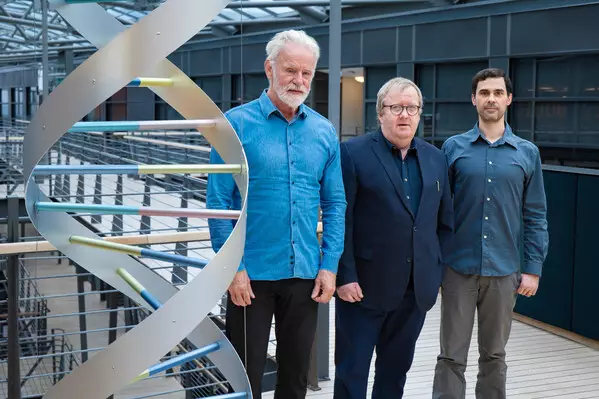
Rare loss-of-function variants in HECTD2 and AKAP11 confer a risk of bipolar disorder
CHICAGO, March 6, 2026 /PRNewswire/ -- HSG Laser successfully hosted its 2026 U.S. Distributor Conference and Open Day in Chicago, bringing together key distributors and partners from across North America. The event provided an opportunity for HSG's North American leadership team and channel partners to review the company's 2025 performance and discuss strategic priorities for the region in 2026.
The year 2026 marks the 20th anniversary of HSG Laser. Over the past year, the company continued to achieve steady global growth. In 2025, overseas revenue accounted for 60% of HSG's total global business, with North America emerging as one of the company's fastest-growing markets. The region recorded approximately 200% year-over-year growth, becoming a key driver of HSG's global expansion.
The conference gathered HSG's major U.S. channel partners from across the country. Through the event, HSG and its distributor network reviewed market achievements over the past year and reaffirmed their commitment to strengthening collaboration and expanding the company's presence in the North American metal fabrication market.
During the conference, Rakesh Kumar, President of HSG North America, shared the company's regional strategy for 2026. Moving forward, HSG will continue strengthening its local service capabilities, product support, and regulatory compliance framework in North America. The company also plans to establish a dedicated local automation solutions team, supporting the transition from traditional equipment sales to a solution-driven sales model focused on improving customer productivity.
By integrating laser equipment, automation systems, and workflow optimization, HSG aims to deliver comprehensive manufacturing solutions that help customers achieve higher efficiency and stronger return on investment.
To support the continued growth of the region, HSG also plans to expand its U.S. team in 2026, adding additional positions across sales, technical support, and service operations to further enhance support for customers and distributors.
"North America is a strategically important market for HSG," said Rakesh Kumar, President of HSG North America. "The strong growth we achieved over the past year would not have been possible without the dedication of our distributor partners and the continued trust of our customers. Looking ahead, we will further invest in local service, technical support, and solution capabilities. With the establishment of our automation solutions team and the upcoming Geneva Technical & Solution Center, we aim to provide North American manufacturers with more comprehensive and efficient manufacturing solutions while growing together with our channel partners."
During the event, HSG also announced the launch of its new facility in Geneva, Illinois. The site spans approximately 77,000 square feet (about 7,150 square meters) and is currently operating as a parts warehouse and machine inventory center. By Q3 2026, the facility will be expanded into the HSG Geneva Technical & Solution Center, integrating technology demonstrations, application validation, customer training, and solution development.
According to the company, the Geneva center will significantly enhance HSG's local service and technical support capabilities in North America. The facility will provide customers with improved opportunities for machine demonstrations, application training, and solution validation, while serving as an important infrastructure investment supporting the company's long-term growth in the region.
With a continuously expanding distributor network, strengthened local service capabilities, and a growing focus on automation solutions, HSG is accelerating its long-term strategy in North America and working alongside partners to advance manufacturing productivity and intelligent fabrication technologies.
** This press release is distributed by PR Newswire through automated distribution system, for which the client assumes full responsibility. **
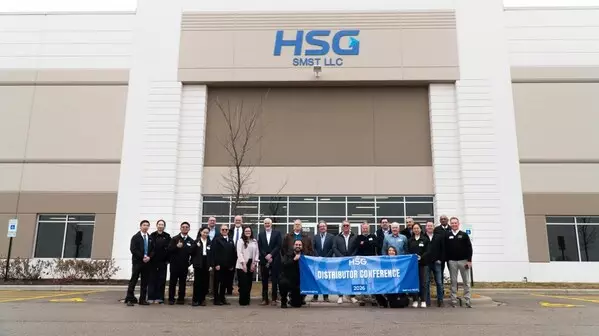
HSG Laser Hosts 2026 U.S. Distributor Conference in Chicago, Unveils 77,000-Sq-Ft Geneva Technical & Solution Center