Skip to Content Facebook Feature Image

Beijing forum explores AI's role in shaping China's EV future

China

China

China

Beijing forum explores AI's role in shaping China's EV future

2025-03-28 17:27 Last Updated At:20:07

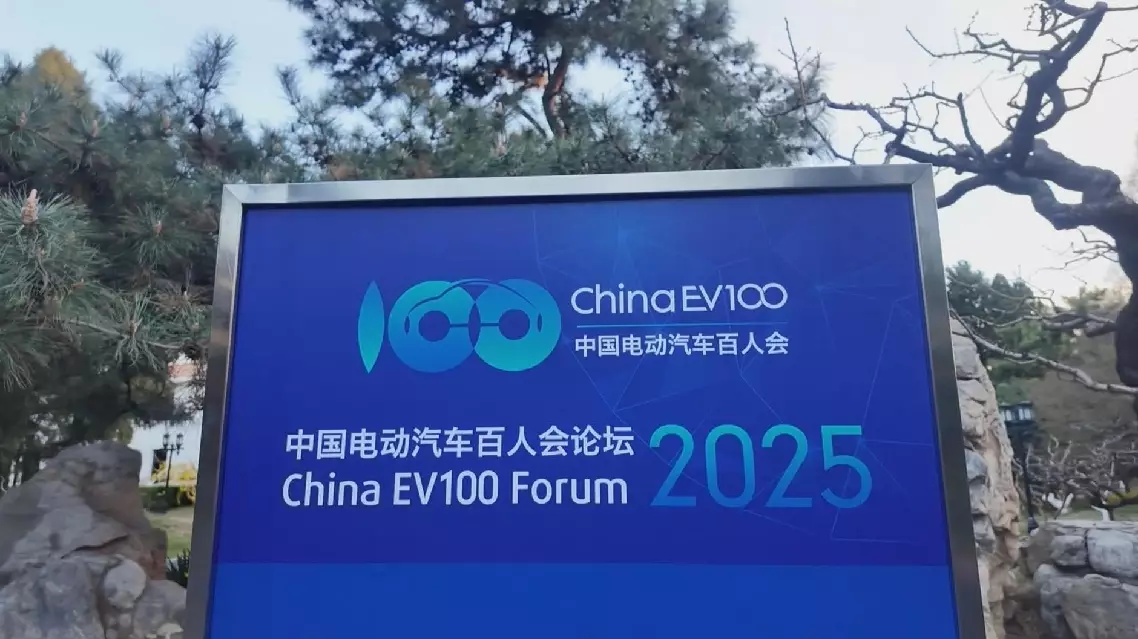
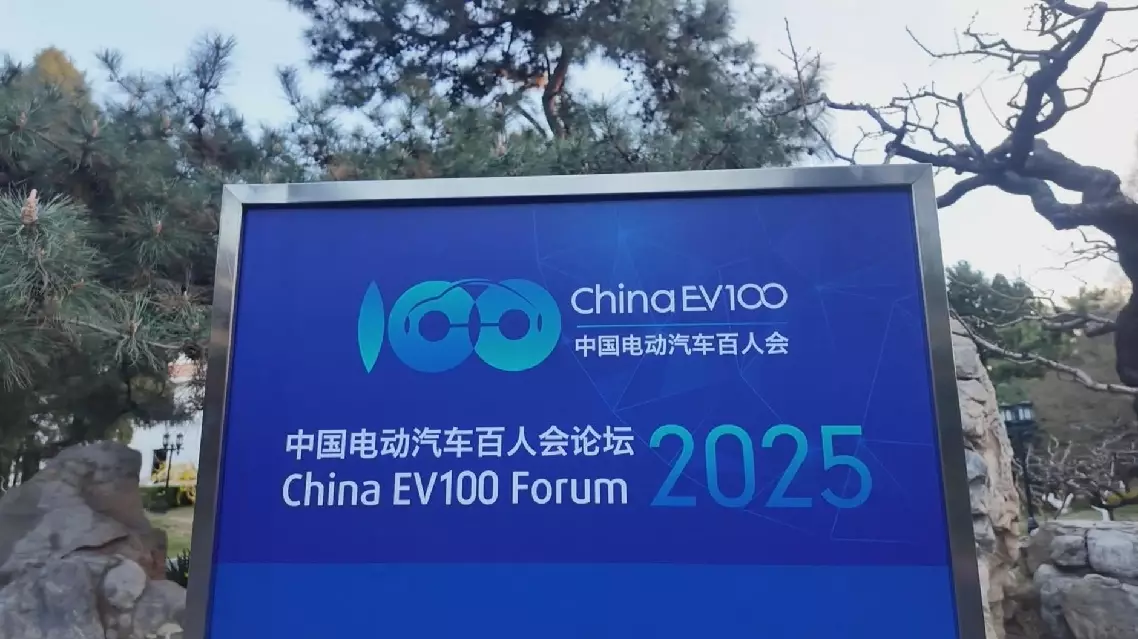
The China EV100 Forum 2025 kicked off Friday in Beijing, highlighting the latest trends in new energy vehicles (NEVs), including intelligent development and the emerging ecosystem of integrated industries.

Themed "Strengthening Electrification and Advancing Intelligence for High-Quality Development", the three-day event will feature 12 themed sessions, gathering government officials and representatives from various sectors such as automotive, energy, transportation and telecommunications to discuss the latest developments in the NEV industry.

Zhang Yongwei, vice chairman and secretary-general of China EV100, a NEV industry think tank, emphasized how the development of NEVs has evolved, noting the increasing integration of high-tech innovations into vehicles.

"A new trend, I believe, is fusion and cross-industry integration. Vehicles are increasingly becoming larger technology integrators and smarter terminals, with a wide range of technologies, including artificial intelligence, telecommunications, and even semiconductor chips being integrated into cars," Zhang explained.

The secretary-general further stated that the forum will focus on new technologies and trends in intelligent connected NEVs, as well as future advancements such as new materials for automotive batteries, innovative NEV charging models, and the emerging ecosystem driven by the NEV sector's development.

"The emerging ecosystem of integrated smart industries, driven by the intelligent development of NEVs, not only includes the functions of smart vehicles but also extends to low-altitude mobility and even robotic developments. We refer to this as a new ecosystem for industry growth," Zhang added.
Beijing forum explores AI's role in shaping China's EV future
Beijing forum explores AI's role in shaping China's EV future

Beijing forum explores AI's role in shaping China's EV future
Beijing forum explores AI's role in shaping China's EV future
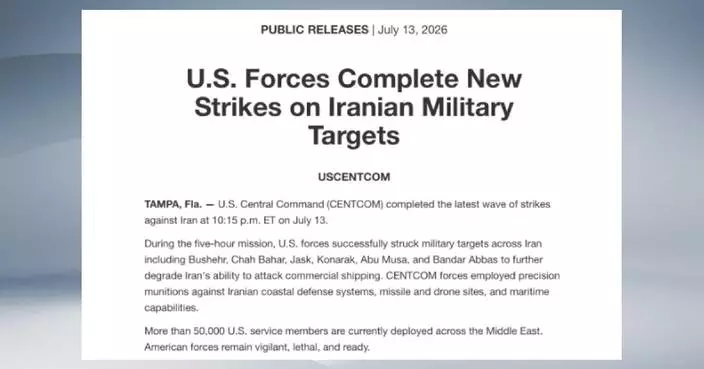
Fuel price hikes due to the U.S.-Israel-Iran conflict are placing significant cost pressures on livelihood industries in the Philippines and New Zealand, which are heavily dependent on imported energy, while also driving the growth of the new energy vehicle market.

In various gas stations across Manila, the Philippine capital, diesel prices have surged more than twice the levels seen at the end of February, with increases also noted in liquefied petroleum gas (LPG) prices.

Businesses such as restaurants and vendors relying on LPG have expressed concerns over escalating costs, fearing they may soon be unable to cover their expenses.

"The cost of our goods has gone up. Our income has decreased as a result. The money we earn is barely enough to cover restocking, let alone pay our employees' wages," said Rey, a food vendor.

In Auckland, New Zealand, a senior executive at a local car dealership said the surge in fuel prices is prompting more consumers in the country to shift from conventional cars to new energy vehicles.

"(Fuel price hike) really has increased the sale of our electric vehicles, particularly battery electric vehicles. Consumers are now experiencing battery electric vehicles. They see their economic advantage. It's good for the market. It's also good for New Zealand in terms of sustainability," said Simon Rutherford, CEO of Auto Distributors New Zealand, a division of Armstrong Motor Group.

Fuel price hikes squeeze livelihoods in energy-importing Philippines, New Zealand

Fuel price hikes squeeze livelihoods in energy-importing Philippines, New Zealand

Recommended Articles