COLUMBIA, S.C. (AP) — A South Carolina death row inmate on Friday chose execution by firing squad, just five weeks after the state carried out its first death by bullets.
Mikal Mahdi, who pleaded guilty to murder for killing a police officer in 2004, is scheduled to be executed April 11.
Click to Gallery
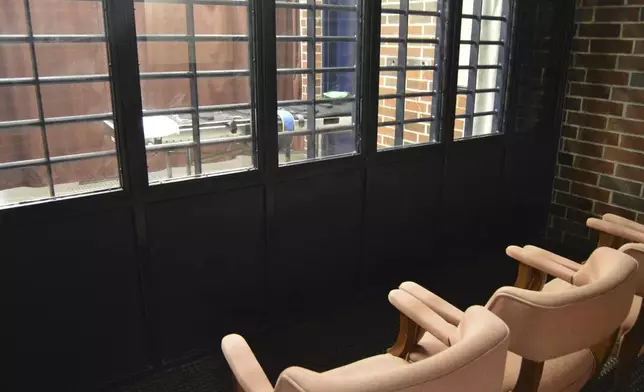
FILE - This undated photo provided by the South Carolina Department of Corrections shows the witness room in the execution chamber at the Broad River Correctional Institution in Columbia, S.C. (South Carolina Department of Corrections via AP, File)
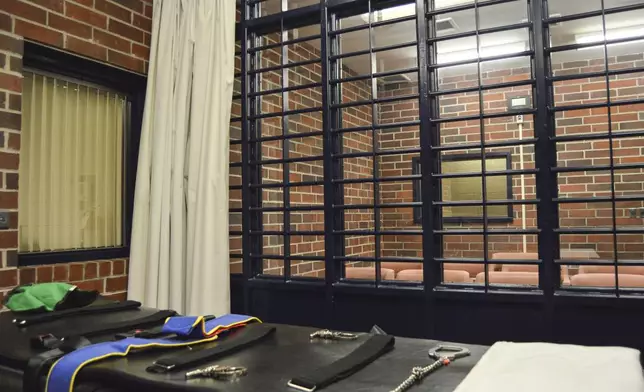
FILE - This undated photo provided by the South Carolina Department of Corrections shows the execution room at the Broad River Correctional Institution in Columbia, S.C. (South Carolina Department of Corrections via AP, File)
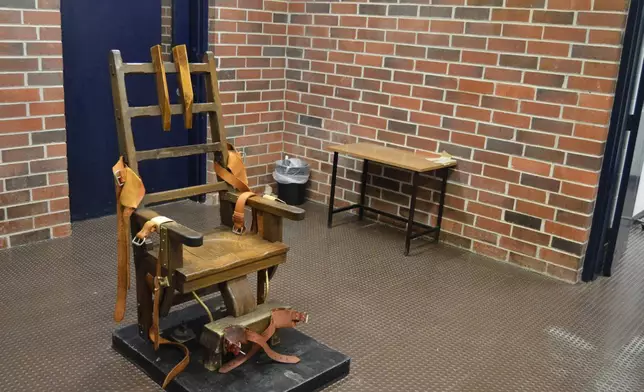
FILE. This March 2019 photo provided by the South Carolina Department of Corrections shows the state's electric chair in Columbia, S.C. (Kinard Lisbon/South Carolina Department of Corrections via AP, File)
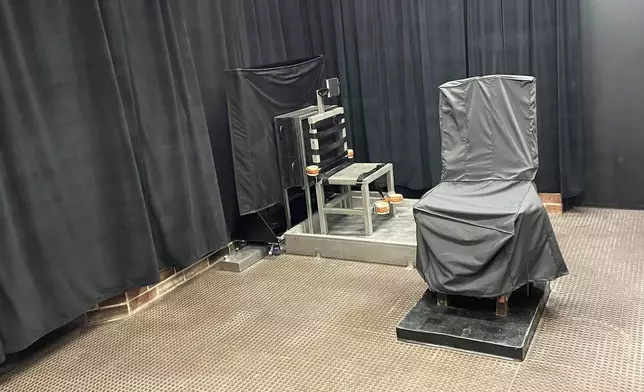
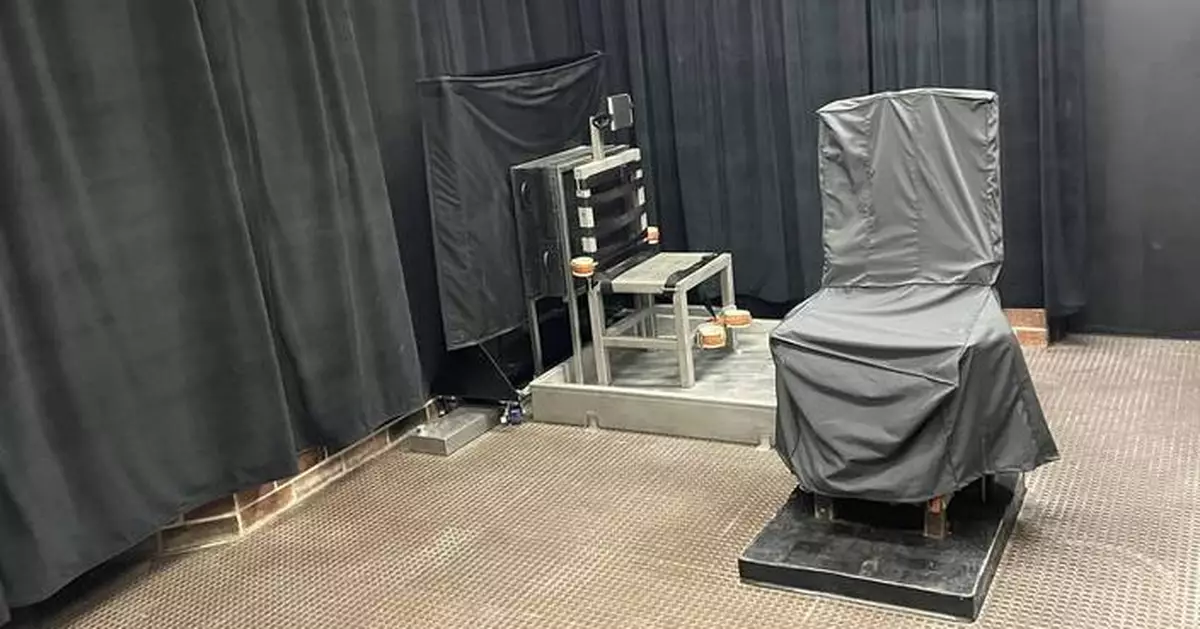
FILE - This photo provided by the South Carolina Department of Corrections shows the state's death chamber in Columbia, S.C., including the electric chair, right, and a firing squad chair, left. The South Carolina Supreme Court will hear arguments Tuesday, Feb. 6, 2024, on whether the state can use the electric chair, firing squad or a new lethal injection protocol to carry out its first executions in nearly 13 years. (South Carolina Department of Corrections via AP, File)
Mahdi, 41, had the choice of dying by firing squad, lethal injection or the electric chair. He will be the first inmate to be executed in the state since Brad Sigmon chose to be shot to death on March 7. A doctor pronounced Sigmon dead less than three minutes after three bullets tore into his heart.
“Faced with barbaric and inhumane choices, Mikal Mahdi has chosen the lesser of three evils," one of his lawyers, David Weiss, said in a statement. "Mikal chose the firing squad instead of being burned and mutilated in the electric chair, or suffering a lingering death on the lethal injection gurney.”
Mahdi ambushed Orangeburg public safety officer James Myers at the officer's shed in Calhoun County in July 2004. Myers had just returned from an out-of-town birthday celebration for his wife, sister and daughter, prosecutors said.
Myers’ wife found his burned body, shot at least eight times including twice in the head, in the shed that had been the backdrop for their wedding less than 15 months earlier, authorities said.
Mahdi will be strapped to a chair 15 feet (4.6 meters) from three prison employees who volunteered to be on the firing squad. A target will be placed on his chest. Their rifles will all be loaded with a live round that shatters when it hits his rib cage.
Aside from Sigmon, only three other U.S. inmates — all in Utah — have been killed by a firing squad in the past 50 years. Sigmon was the first inmate killed by bullets in the U.S. since 2010.
Mahdi’s lawyers have filed a final appeal with the state’s highest court, saying Mahdi’s case for a life sentence at his original trial took only 30 minutes and that his lawyers failed to call anyone who could testify on his behalf.
It “didn’t even span the length of a Law & Order episode, and was just as superficial,” they said.
Several defense lawyer organizations have filed briefs saying no one should be executed after such little effort to defend them.
Mahdi’s lawyers said that as a juvenile Mahdi spent months in isolation in prison and that this altered his developing brain and affected his judgement.
After Mahdi pleaded guilty to murder, Judge Clifton Newman said he sentenced the young man to death because a sense of humanity he tried to find in every defendant seemed not to exist in Mahdi.
Prosecutors responded to the claim of a poor defense by saying Mahdi was able to present much more evidence during a 2011 appeal that had to be heard inside a prison because Mahdi had stabbed a death row guard during in an escape attempt. A judge rejected the appeal.
“In Mahdi’s vernacular, if his mitigation presentation before Judge Newman ‘didn’t even span the length of a Law & Order episode,’ the review of any potential error is in its 24th season,” the state Attorney General’s Office wrote in court papers.
Prosecutors said a lot of the new evidence would help Mahdi's case, including a string of attacks and threats on prison employees; his guilty plea to killing a convenience store clerk in Winston-Salem, North Carolina, before the South Carolina killing; and two other deaths that authorities in Virginia think he may be connected to.
“The nature of the man is violence,” prosecutors wrote.
Mahdi has one more opportunity to live — he can ask Republican Gov. Henry McMaster to reduce his sentence to life in prison without parole just minutes before his scheduled execution at 6 p.m. on April 11 at the Broad River Correctional Institution in Columbia.
But no South Carolina governor has offered clemency in the 47 executions in the state since the death penalty resumed in the U.S. in 1976.
In the past seven months, South Carolina has executed Freddie Owens on Sept. 20; Richard Moore on Nov. 1; Marion Bowman Jr. on Jan. 31; and Sigmon.
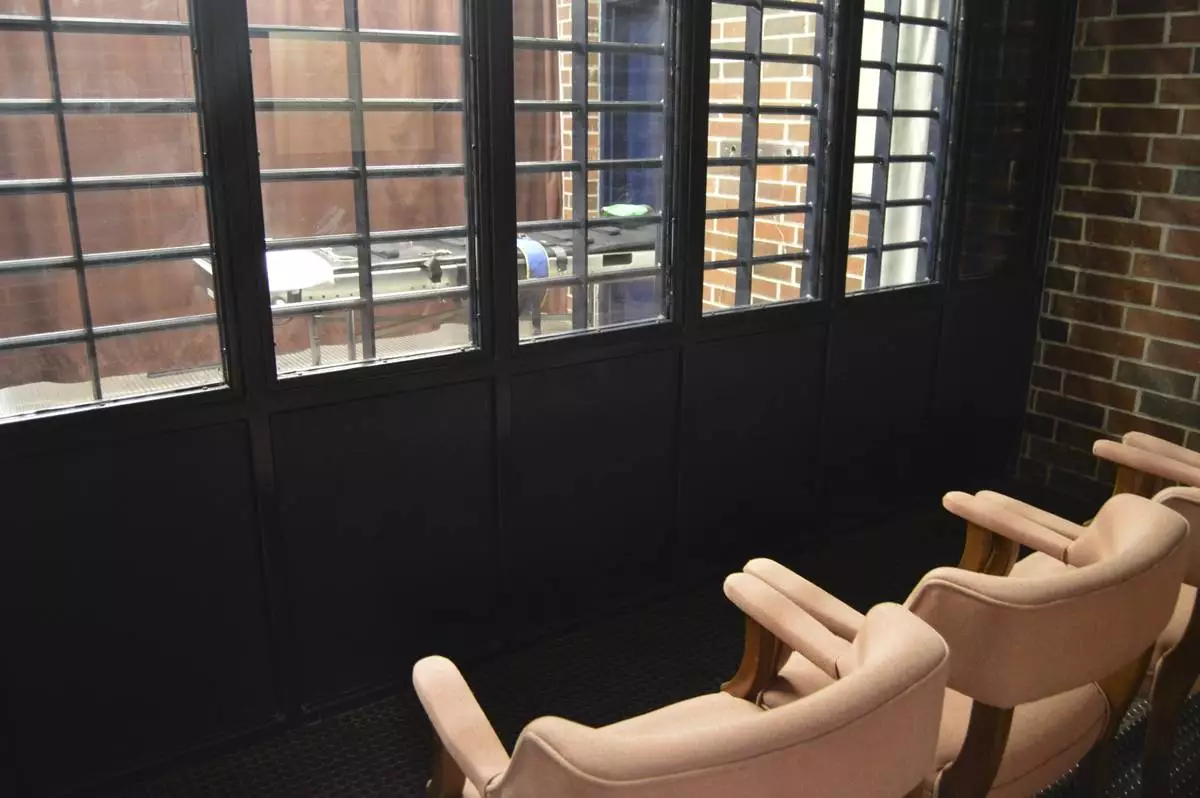
FILE - This undated photo provided by the South Carolina Department of Corrections shows the witness room in the execution chamber at the Broad River Correctional Institution in Columbia, S.C. (South Carolina Department of Corrections via AP, File)
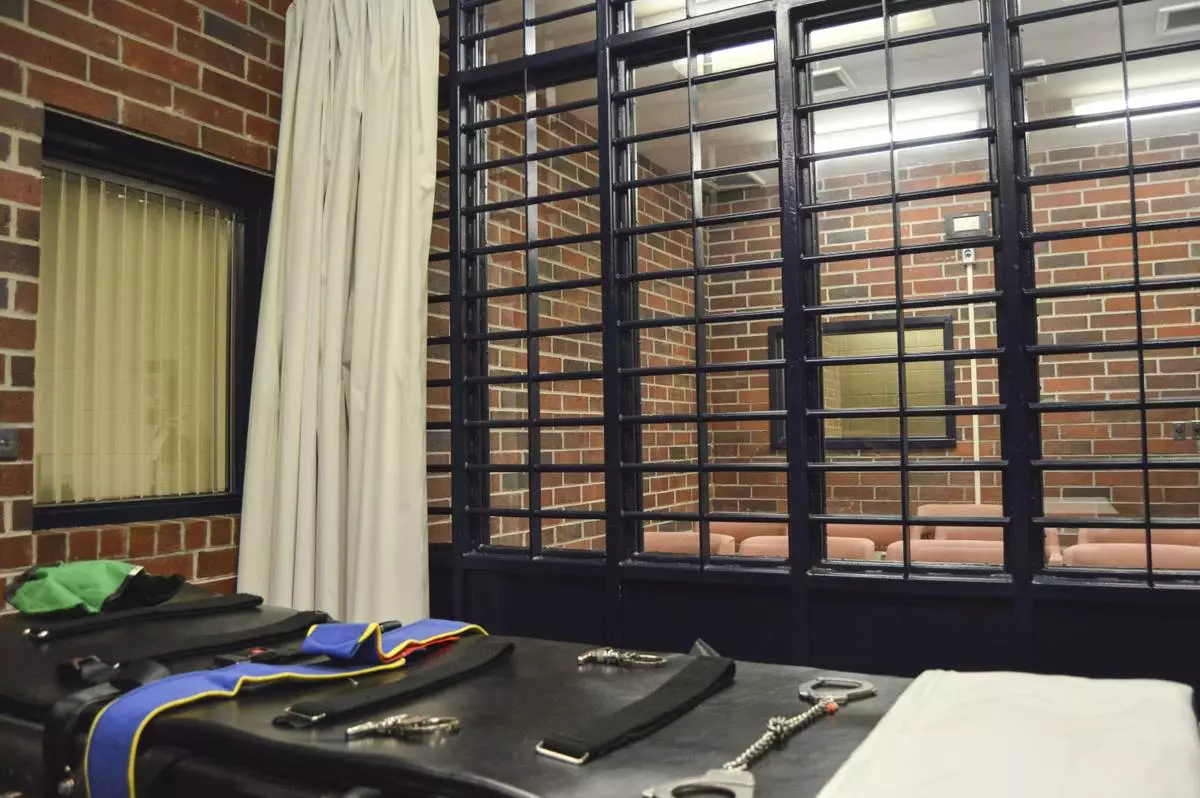
FILE - This undated photo provided by the South Carolina Department of Corrections shows the execution room at the Broad River Correctional Institution in Columbia, S.C. (South Carolina Department of Corrections via AP, File)
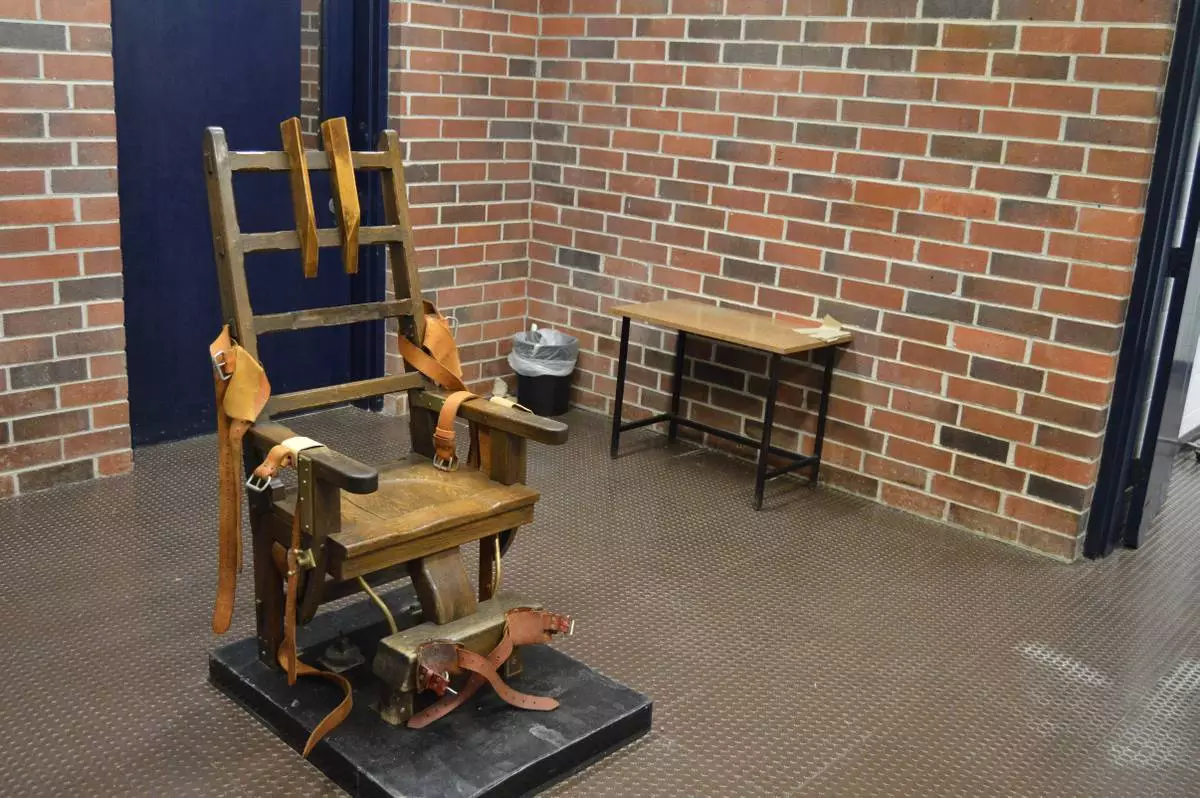
FILE. This March 2019 photo provided by the South Carolina Department of Corrections shows the state's electric chair in Columbia, S.C. (Kinard Lisbon/South Carolina Department of Corrections via AP, File)
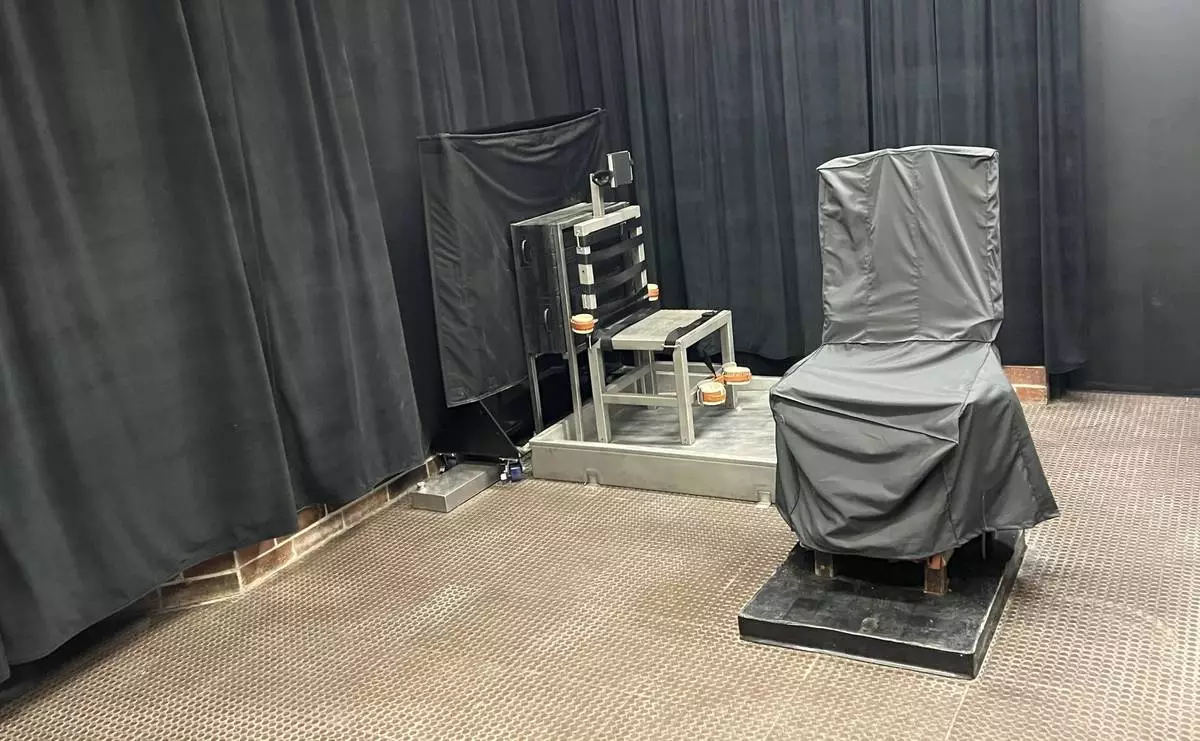
FILE - This photo provided by the South Carolina Department of Corrections shows the state's death chamber in Columbia, S.C., including the electric chair, right, and a firing squad chair, left. The South Carolina Supreme Court will hear arguments Tuesday, Feb. 6, 2024, on whether the state can use the electric chair, firing squad or a new lethal injection protocol to carry out its first executions in nearly 13 years. (South Carolina Department of Corrections via AP, File)