China attaches great importance to protecting, passing down and developing the fine traditional cultures of all ethnic groups and has taken multiple favorable measures to protect Xizang's cultural characteristics and language, an official of southwest China's Xizang Autonomous Region said on Friday.
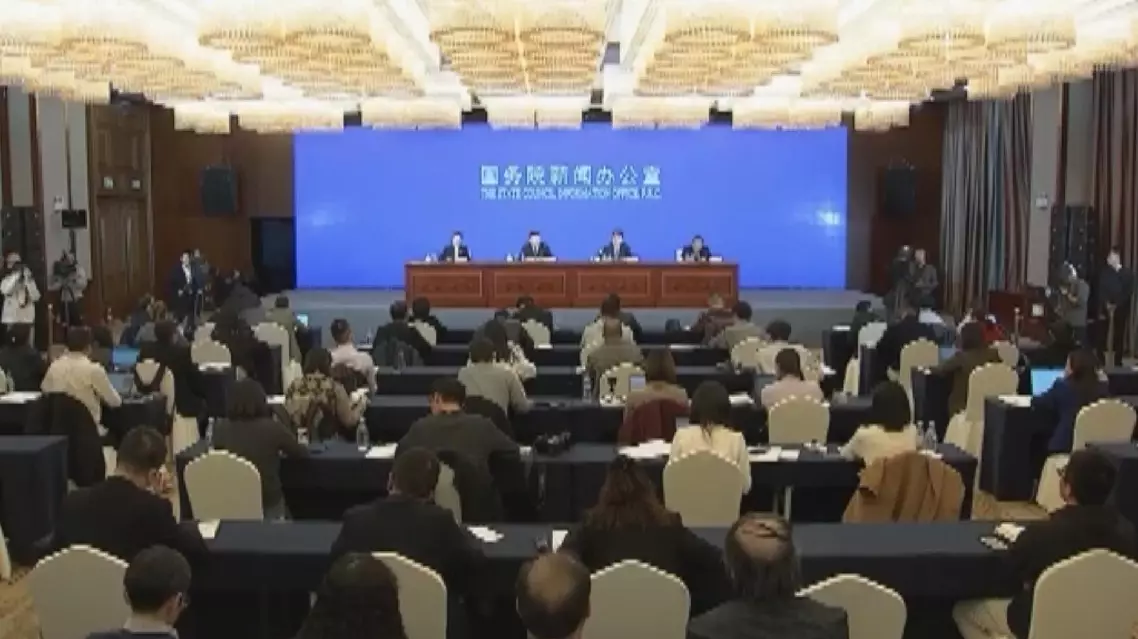
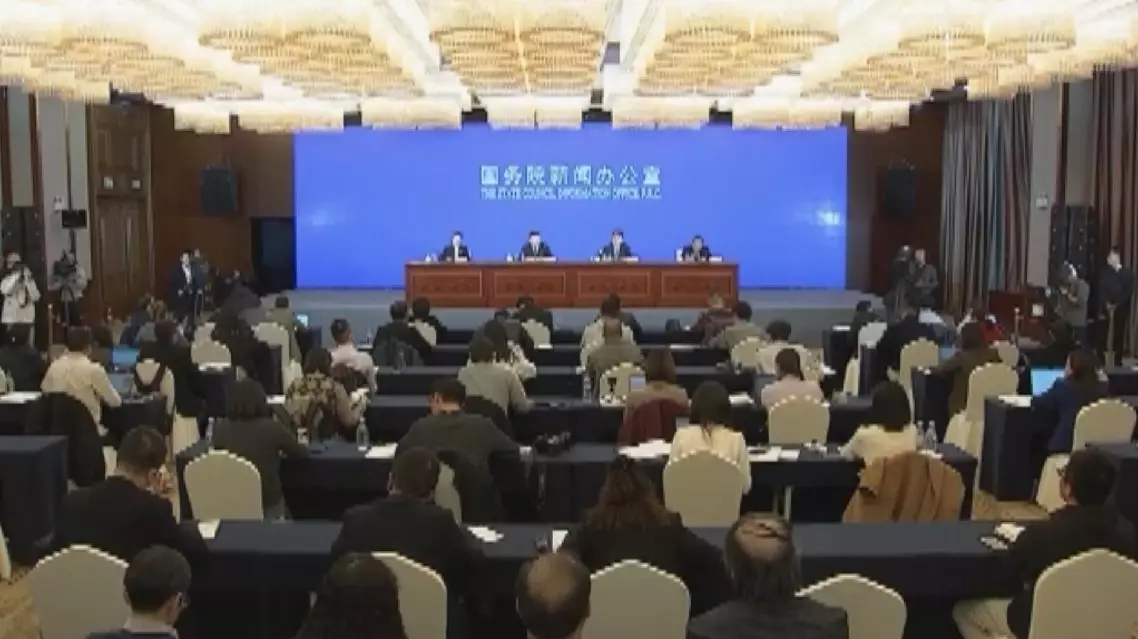
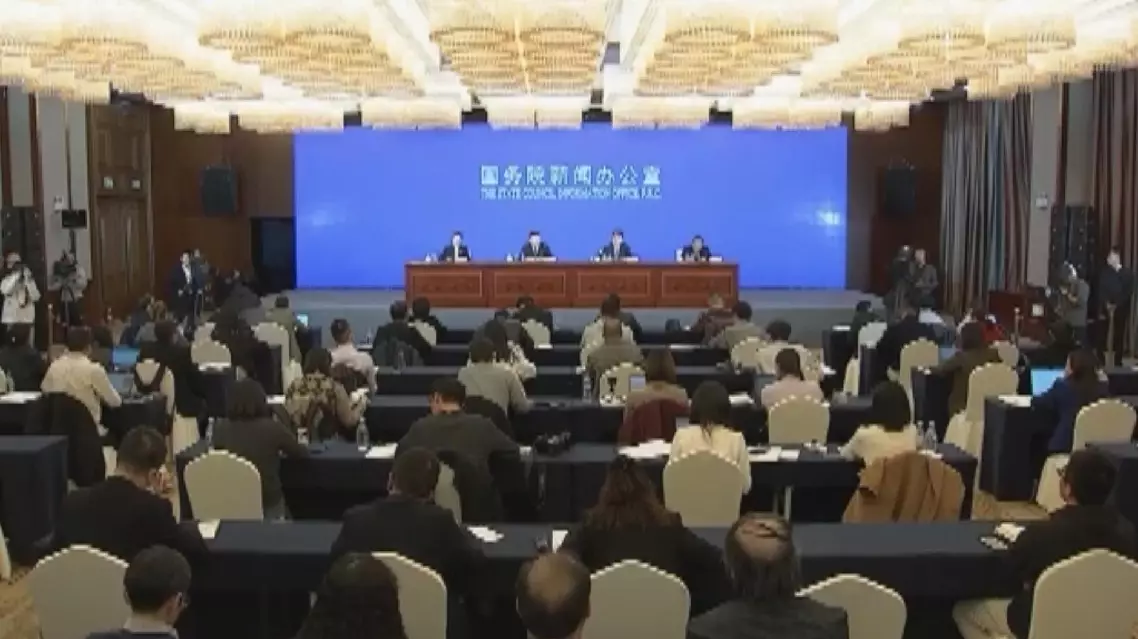
Wang Haizhou, head of the publicity department of Xizang, made the remarks at a press conference in Lhasa, capital city of Xizang on the release of a white paper on the progress of human rights in the region, issued by the State Council Information Office (SCIO).
The protection of Intangible Cultural Heritage (ICH) in Xizang has steadily improved. Between 2012 and 2024, 473 million yuan (about 65.17 million U.S. dollars) from the central government and the government of the Xizang Autonomous Region was earmarked for the protection of ICH items on the national representative list in the region, the documentation and recording of the knowledge and skills of the bearers of ICH items on the national list, the training of new ICH practitioners, and the construction of new ICH protection and utilization facilities, according to the white paper.
Wang said that the culture in Xizang is an integral part of Chinese culture, and China has rolled out a series of favorable measures to promote the protection and development of outstanding cultures in ethnic regions.
He stressed that especially since the 18th CPC National Congress in 2012, the excellent traditional culture in Xizang has received unprecedented protection and inheritance.
"First of all, our protection and inheritance of ICH is making substantial progress. The central government and the government of the Xizang Autonomous Region have invested a large amount of funds in supporting the protection of ICH in Xizang. Gesar, Tibetan Opera, and the Lum medicinal bathing of Sowa Rigpa of Xizang have been inscribed on the UNESCO's Representative List of the Intangible Cultural Heritage of Humanity. Xizang now boasts 2,800 items on the representative lists of all types and levels, with 1,668 inheritors. We only have about 3.7 million local residents," he said.
Cultural relics and historic sites, as well as ancient books and documents have been placed under sound protection in Xizang, the official noted.
"Secondly, we have comprehensively strengthened the protection, utilization, and development of cultural relics. Our country has invested nearly 400 million yuan (about 55.12 million U.S. dollars) in implementing three major key cultural relic protection and maintenance projects in Xizang, including the Potala Palace, Norbulingka, and Sakya Monastery. [At the end of 2018], a 10-year project with a budget of 300 million yuan (about 41.34 million U.S. dollars) was launched to conserve and explore the use of ancient documents, including the Pattra-leaf Scriptures in the Potala Palace," he said.
"Currently, in addition to the above-mentioned three world-class ICH, there are 70 key units under state protection and 661 units under protection at the autonomous regional level. Now, in accordance with the unified arrangement of the country, we are conducting the fourth national census of cultural relics. After the census is completed, we will further strengthen the protection of our cultural relics. Our Party and the central government attach great importance to the inheritance and development of the Tibetan language and script in accordance with the law," he continued.
The Tibetan language is widely used in publishing, media, and daily life. By the end of 2024, Xizang had 17 periodicals and 11 newspapers in the Tibetan language and had published 46.85 million copies of 8,794 Tibetan-language books, according to the white paper.
In addition to traditional media such as newspapers, magazines, radio programs, films, television programs, and the internet, new media have also been developed in the Tibetan language, including surging official accounts on social media. Their popularity has helped to expand the use of the Tibetan language.
Multiple measures taken to protect Xizang's cultural characteristics, language: official
Multiple measures taken to protect Xizang's cultural characteristics, language: official
Multiple measures taken to protect Xizang's cultural characteristics, language: official