Chinese expatriates and residents in Myanmar have volunteered to coordinate large-scale relief operations to communities affected by a devastating earthquake in Mandalay, the second largest city in the country.
The 7.9-magnitude quake, which struck central Myanmar on Friday, has left 1,700 killed, 3,400 injured and 300 missing, according to the Sunday statement from the country's State Administration Council.
Click to Gallery
Chinese volunteers channel relief material shipment to quake-hit Mandalay
Chinese volunteers channel relief material shipment to quake-hit Mandalay
Chinese volunteers channel relief material shipment to quake-hit Mandalay
Chinese volunteers channel relief material shipment to quake-hit Mandalay
Chinese volunteers channel relief material shipment to quake-hit Mandalay
Chinese volunteers channel relief material shipment to quake-hit Mandalay
Chinese nationals residing in Myanmar swiftly organized aid networks, establishing over a dozen volunteer groups and fund-raising channels to deliver critical supplies to hard-hit regions, including Mandalay.
Relief materials, including drinking water, food, and medical supplies, have been gathered in Yangon, another major city serving as the main hub for collecting donations. Local residents began donating these items on Saturday, with plans to transport them to disaster zones as early as Monday.
Many overseas Chinese living in Yangon drove more than 10 hours overnight to deliver supplies, such as antiseptics, gloves and N95 masks, to rescue teams in Mandalay. Many restaurants offered free meals to rescue workers.
The journey to Mandalay has been challenging due to severe damage to roads, with some routes taking more than 10 hours instead of the usual seven.
"Normally it takes seven or eight hours, but now it's a detour that could cost a dozen hours. We didn't suffer big loss. We just do some delivery errands, the least we can contribute. Others have made relatively great contributions. We didn't help much. What's important is to get the supplies there in time," said Li Chengyuan, head of a Rangoon-based logistics company.
Despite the logistical hurdles, the Yangon market remains well-stocked, allowing for the procurement of necessary items at normal prices.
Nevertheless, essential services such as power supply and communications in disaster-hit areas like Mandalay and Nay Pyi Taw have not yet returned to normal, complicating rescue efforts further.
Large rescue machinery is still struggling to enter disaster-hit areas due to the poor road condition between Yangon and Mandalay.
Relief supplies were rushed to the earthquake-stricken areas. On Saturday, China's Yunnan Province launched an emergency response mechanism to prepare tents, blankets, foldable beds and other relief supplies, with the first batch of supplies arriving in Myanmar on Saturday by air.
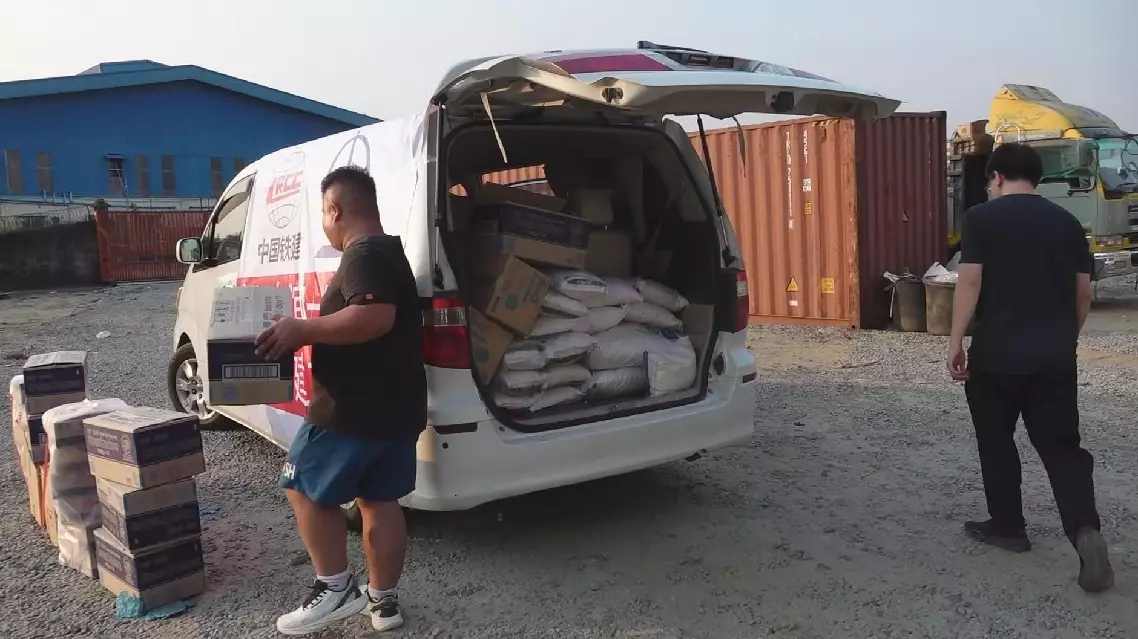
Chinese volunteers channel relief material shipment to quake-hit Mandalay
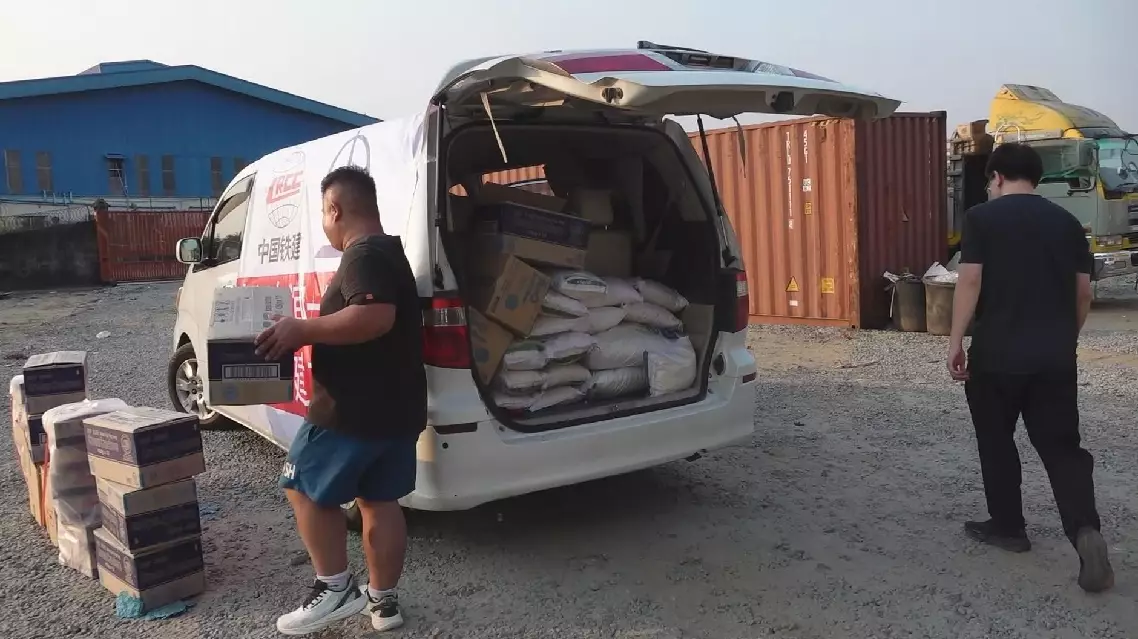
Chinese volunteers channel relief material shipment to quake-hit Mandalay
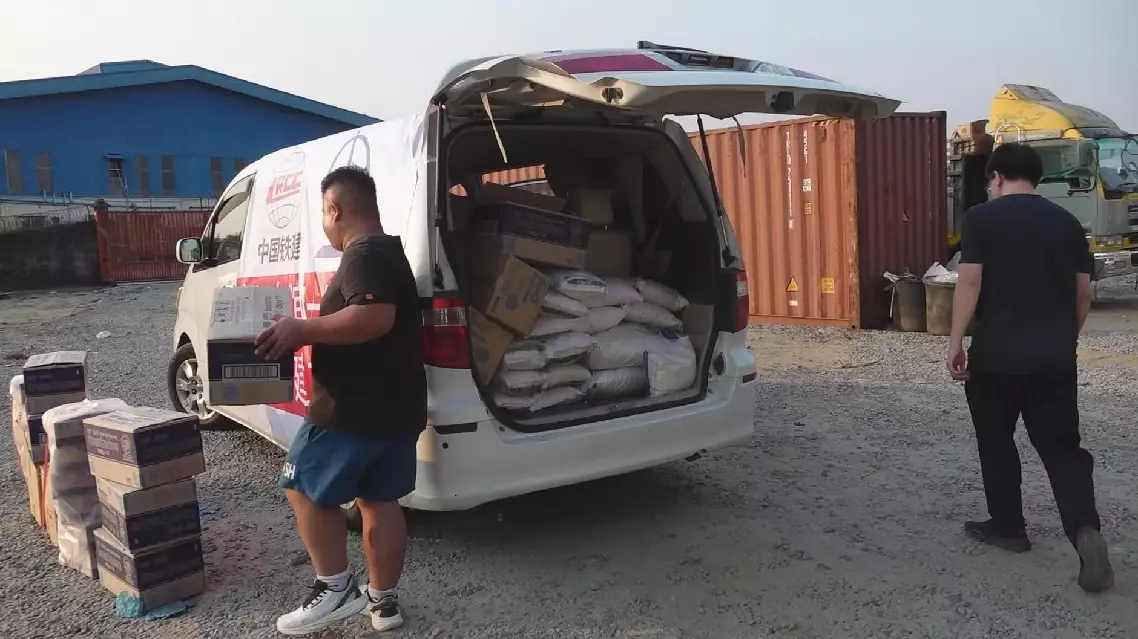
Chinese volunteers channel relief material shipment to quake-hit Mandalay
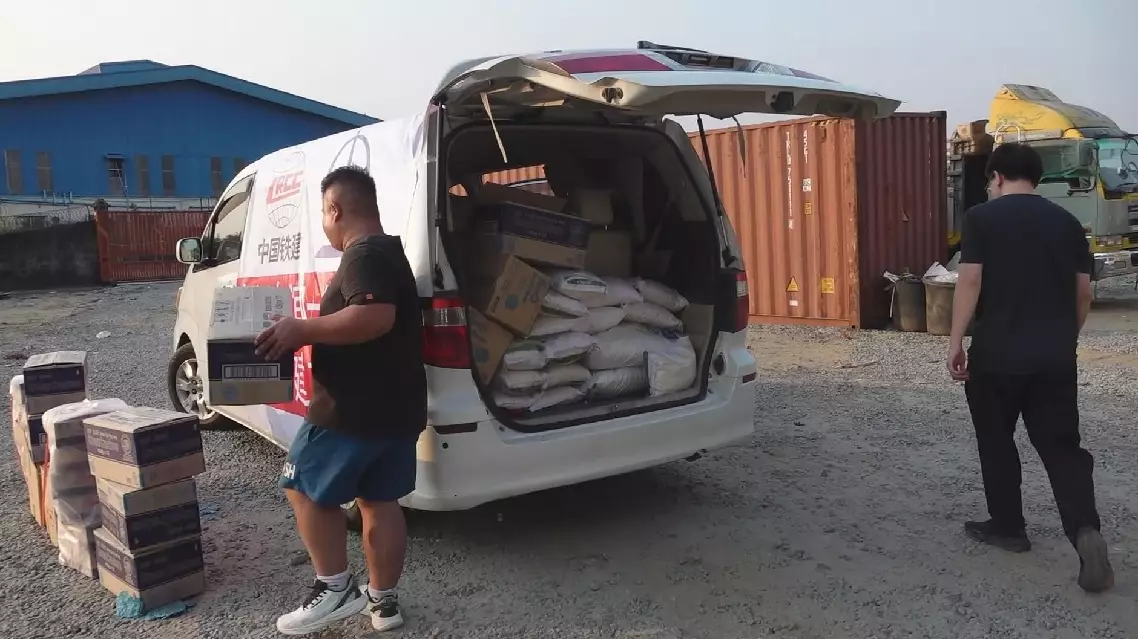
Chinese volunteers channel relief material shipment to quake-hit Mandalay
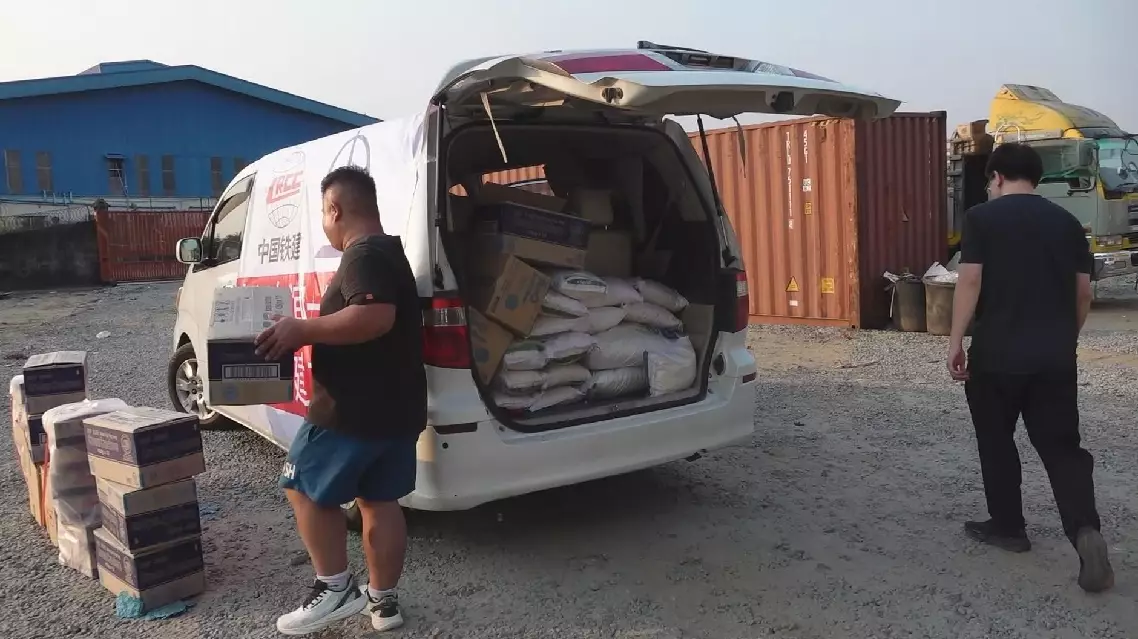
Chinese volunteers channel relief material shipment to quake-hit Mandalay
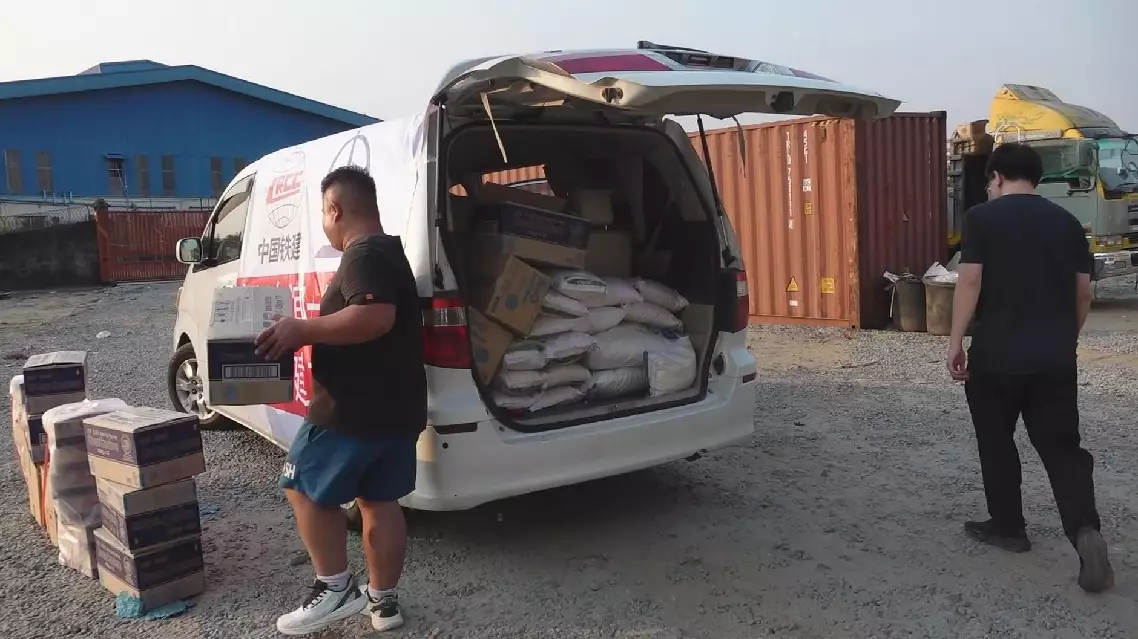
Chinese volunteers channel relief material shipment to quake-hit Mandalay
Li Yuhua, a farmer-turned forest ranger from a mountainous village in Dulongjiang Town, southwest China's Yunnan Province, has spent nine years protecting the forests in her hometown while helping local people increasing their incomes.
Li's family was once a registered impoverished household, relying mainly on corn farming for living. Things began to change for her family in 2016 when China launched a policy allowing registered impoverished population to work as ecological forest rangers, and Li became one of the first ecological forest rangers in the town.
"When I first began to work as a forest ranger, it was hard for me even to climb mountains, let alone climb rocks and cross rivers. But I told myself that since the country gave me this opportunity, I must do it well. I worked hard to improve my physical fitness and learn new skills, always actively taking the missions of patrolling mountains," said Li.
As Li often wears a colorful, vibrantly striped "Dulong blanket," a traditional clothing of the Dulong ethnic group, the villagers call her the "rainbow ranger."
"I think the name 'Rainbow Ranger' is beautiful. It makes me feel like a rainbow for us women of Dulong ethnic group guarding our homeland," Li said.
Dulong is a mountain-dwelling ethnic group in southwest China. It is one of the least populous of China's 56 ethnic groups, and the people were known for "direct transition" from primitive life to the modern socialist society at the founding of the People's Republic of China in 1949.
Most Dulong people live in Dulongjiang Town, where an inhospitable mountainous terrain used to thwart the place's development for decades. The town remained to be one of the poorest areas in Yunnan Province and even in the entire country. Thanks to government inputs and the development of industries with local features, the Dulong people have been experiencing remarkable life changes. In 2018, the Dulong ethnic group shook off poverty as a whole.
Beyond safeguarding forests, Li took the lead in developing non-timber forest-based economy in the town, guiding local residents to grow plants like Chinese black cardamom and wild-simulated lingzhi mushrooms as well as raising cattle and bees.
In 2025, the total output value of the town's non-timber forest-based economy reached nearly 30 million yuan (around 4.3 million U.S. dollars), with the annual average income of 43 households increasing by more than 20,000 yuan (around 2,900 U.S. dollars) each.
Li also established a cooperative for Dulong blanket making, attracting more than 170 women to learn traditional weaving techniques. They have developed 12 types of cultural and creative products, including shawls and scarves, and sold them worldwide through livestreaming, generating wealth for themselves.
"In the past, we only wove blankets for our own use. Now she teaches us to make the cultural and creative products and sell them. Last year, I earned more than 4,000 yuan (around 580 U.S. dollars) from weaving. I spent the money on my children's school fees and new appliances for my house," said Mu Jianying, member of the cooperative.
Li's dedication to both forestry and rural revitalization has earned her widespread recognition. In 2024, she was honored as model of ethnic solidarity and progress and received the title certificate from President Xi Jinping. She was also awarded the title of National March 8 Red-Banner Pacesetter, the highest honor presented by the All-China Women's Federation to the country's outstanding women, ahead of the International Women's Day observed on March 8.
Li said her achievements are the result of collective efforts.
"I often think that one person's strength is very limited, but the strength of a group is great. There are 195 ecological forest rangers like me protecting this land in the Dulongjiang Grand Canyon," she said.
As a female forest ranger, Li shared a message for women ahead of the International Women's Day.
"To mark the International Women's Day, I want to say to all my sisters: No matter what position we are in, as long as we are willing to endure hardship and work hard, we will surely weave our own rainbow," she said.
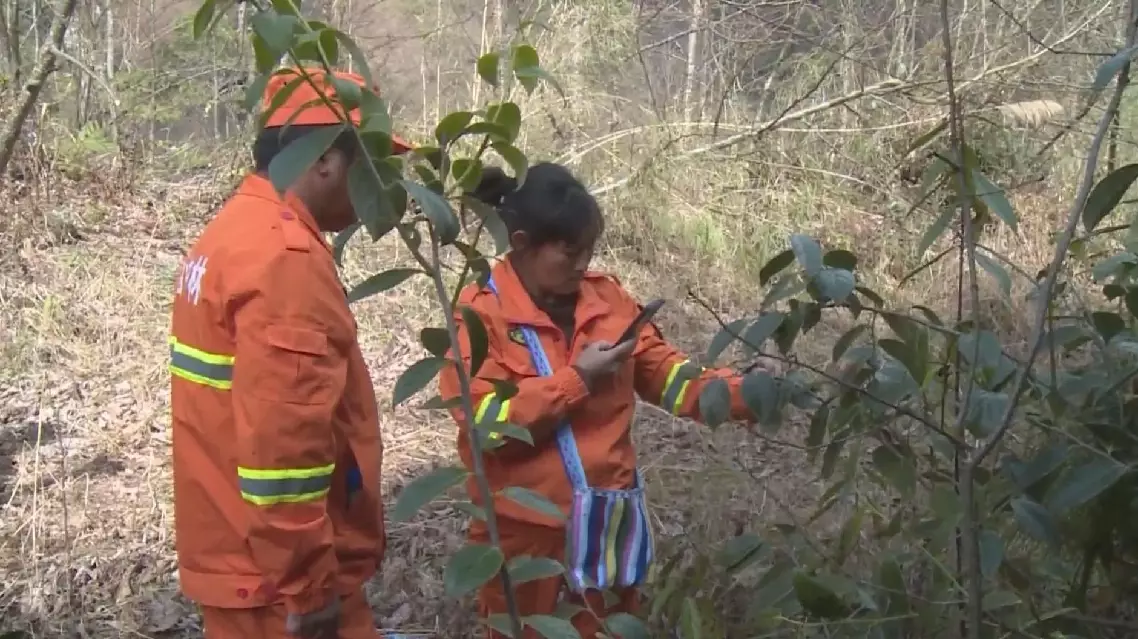
Forest ranger dedicated to guarding green mountains in Yunnan
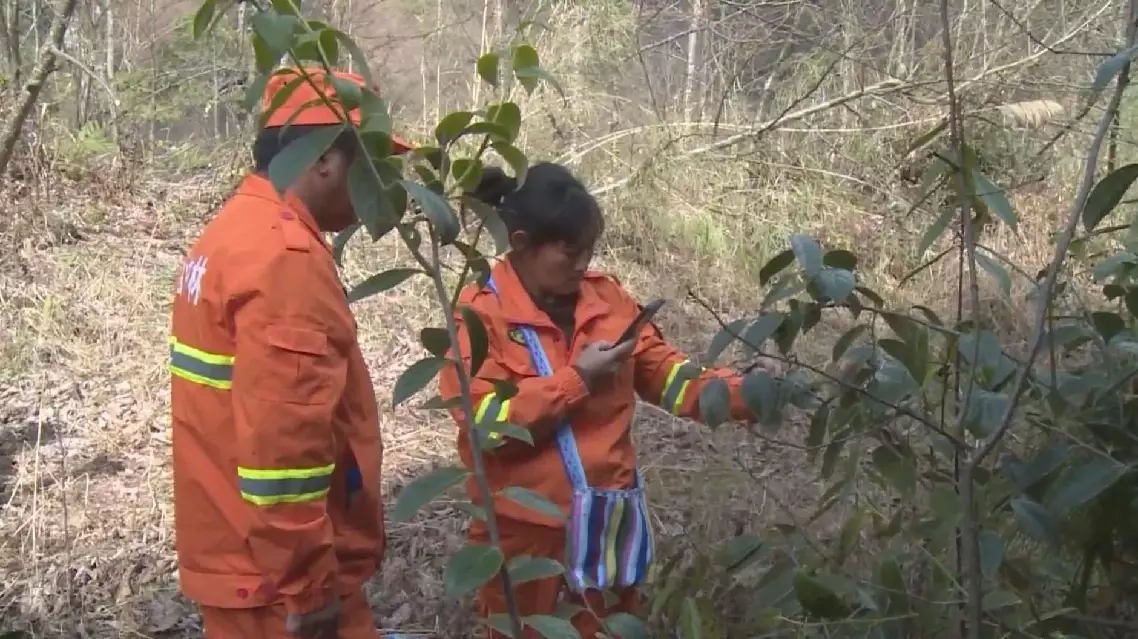
Forest ranger dedicated to guarding green mountains in Yunnan