Survey shows awareness of intellectual property rights protection remains high
The Intellectual Property Department (IPD) announced today (March 31) the results of the Survey on Public Awareness of Intellectual Property (IP) Right Protection 2024, which showed that the general public maintained a high level of awareness of IP rights protection.
A total of 1 002 members of the public responded to the survey. Over 90 per cent of them were aware that copyright, trade marks and patents are protected by dedicated ordinances in Hong Kong, maintaining the high level recorded in the 2022 survey results.
The Director of Intellectual Property, Mr David Wong, said, "The IP system has always been an important driving force for innovation and creativity. The survey results, which show that the awareness of IP rights protection remains high among the general public, notably the widespread public recognition of statutory protection of copyright, trade marks and patents, are encouraging."
Similar to the results of the last survey, this survey showed that over 60 per cent of the respondents were of the view that with Hong Kong being a regional IP trading centre, the protection of IP rights could facilitate the development of local arts, culture and creative industries as well as local innovation and technology, promote IP-related professional services in Hong Kong, attract foreign investment and strengthen the competitiveness of Hong Kong.
With regard to the use of copyright works in the digital environment, over 80 per cent of the respondents did not browse or use infringing content from unauthorised websites or mobile apps in the past year. The major reasons cited were "worry about getting infected by computer virus/being hacked by hackers/leaking personal information on illegal websites" (28.6 per cent), "better quality assurance from authorised websites/mobile apps" (17.7 per cent) and "comply with IP laws" (15.7 per cent).
The survey also showed that 90 per cent of the respondents had seldom or never bought pirated or counterfeit goods in the past year. The major reasons cited were "quality of genuine goods is guaranteed (38.8 per cent)", "no need to buy or not interested in pirated or counterfeit goods" (36.9 per cent), and "respect and support IP rights/support genuine goods/immoral or wrong to infringe IP rights" (16.9 per cent).
In terms of the attitude towards IP rights protection, over 80 per cent of the respondents agreed that "it is morally wrong to browse or use the content on unauthorised websites or mobile apps knowing that it is an infringement of IP rights" (83.0 per cent), and that "it is morally wrong to buy pirated or counterfeit goods knowing that it is an infringement of IP rights" (85.9 per cent). Both percentages are similar to the results of the last survey, indicating that the respondents maintain a very positive attitude towards IP rights protection.
"Public education is crucial in promoting IP rights protection. The Government will continue to enhance public awareness of protecting and respecting IP rights, especially among the younger generation, through various educational and promotional activities," Mr Wong said.
To encourage the purchase of genuine goods, the "No Fakes Pledge" Scheme has been rolled out by the IPD alongside a number of retail and industry associations. "No Fakes" logos are displayed to help distinguish merchants that sell genuine goods. The survey revealed that 77.6 per cent of the respondents had heard of the Scheme, among which, most (75.0 per cent) considered the Scheme helpful in building confidence among consumers and tourists to shop in Hong Kong, and strengthening Hong Kong's reputation as a "shopping paradise".
Similar surveys have been commissioned by the IPD regularly since 1999, with the previous round conducted in 2022. The report of the latest survey is available on the IPD's website.
Ombudsman probes secretariat services and administrative support provided by Agriculture, Fisheries and Conservation Department for Veterinary Surgeons Board of Hong Kong
The following is issued on behalf of the Office of The Ombudsman:
In view of the growing community concern over animal protection, the Ombudsman, Mr Jack Chan, today (May 19) announced the launch of a direct investigation operation to examine the secretariat services and administrative support provided by the Agriculture, Fisheries and Conservation Department (AFCD) for the Veterinary Surgeons Board of Hong Kong (VSB), particularly with regards to its handling of complaints against registered veterinary surgeons and related arrangements.
According to government statistics, over 240,000 households in Hong Kong keep pets, with the total number of pets exceeding 400,000, reflecting a strong demand for veterinary services in the community. The VSB, a statutory body established under the Veterinary Surgeons Registration Ordinance, is responsible for regulating veterinary surgeons in Hong Kong, including registration and disciplinary matters. The Secretariat of the VSB (Secretariat), under the AFCD's purview, provides secretarial and administrative support.
The Office notes recurring concerns about the cumbersome procedures for lodging complaints against veterinary surgeons, and that the Secretariat's handling of such complaints is unduly prolonged. There are views that even if the VSB determines, after a disciplinary inquiry, that a veterinary surgeon has committed professional misconduct or acted negligently, the public announcement of the decision is subject to serious delays, preventing the public from being informed in time to raise awareness and make informed decisions about veterinary services. In addition, the Office has received complaints highlighting shortcomings in the Secretariat’s arrangements for disciplinary inquiries and its handling of enquiries, indicating potential room for improvement in its administration and service standards.
Mr Chan said, "The proper handling of complaints against registered veterinary surgeons has a direct bearing on the quality of veterinary services and public confidence in the profession, and is closely correlated with animal health and welfare. The VSB is statutorily mandated to regulate, register and exercise disciplinary control of veterinary surgeons, and its ability to effectively perform these duties depends heavily on whether the administrative support provided by the Secretariat is proper. In this light, I have decided to launch a direct investigation operation to examine the procedures and mechanisms through which the Secretariat supports the VSB in handling matters related to the regulation of veterinary surgeons, and review the AFCD's supervisory role to identify areas for improvement and, where necessary, make pertinent recommendations."
Mr Chan said, "The Office earlier announced the results of a direct investigation operation into the Government's work in combating cruelty to animals, which attracted widespread public attention. Combating animal cruelty and protecting vulnerable lives is not a task that can be accomplished overnight; it requires the sustained and unwavering commitment of all sectors of society, including government authorities, non-governmental organisations and the wider public. This direct investigation operation is the second one of our series of investigations in relation to animal protection."
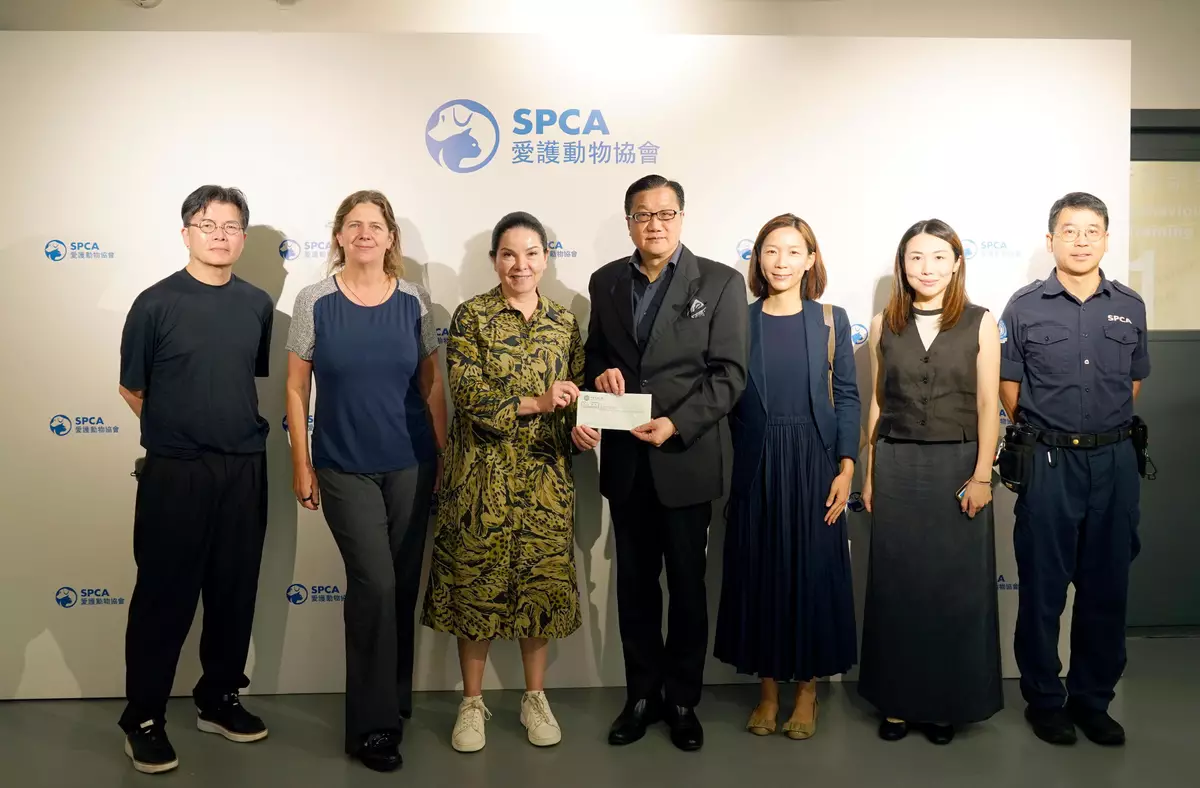
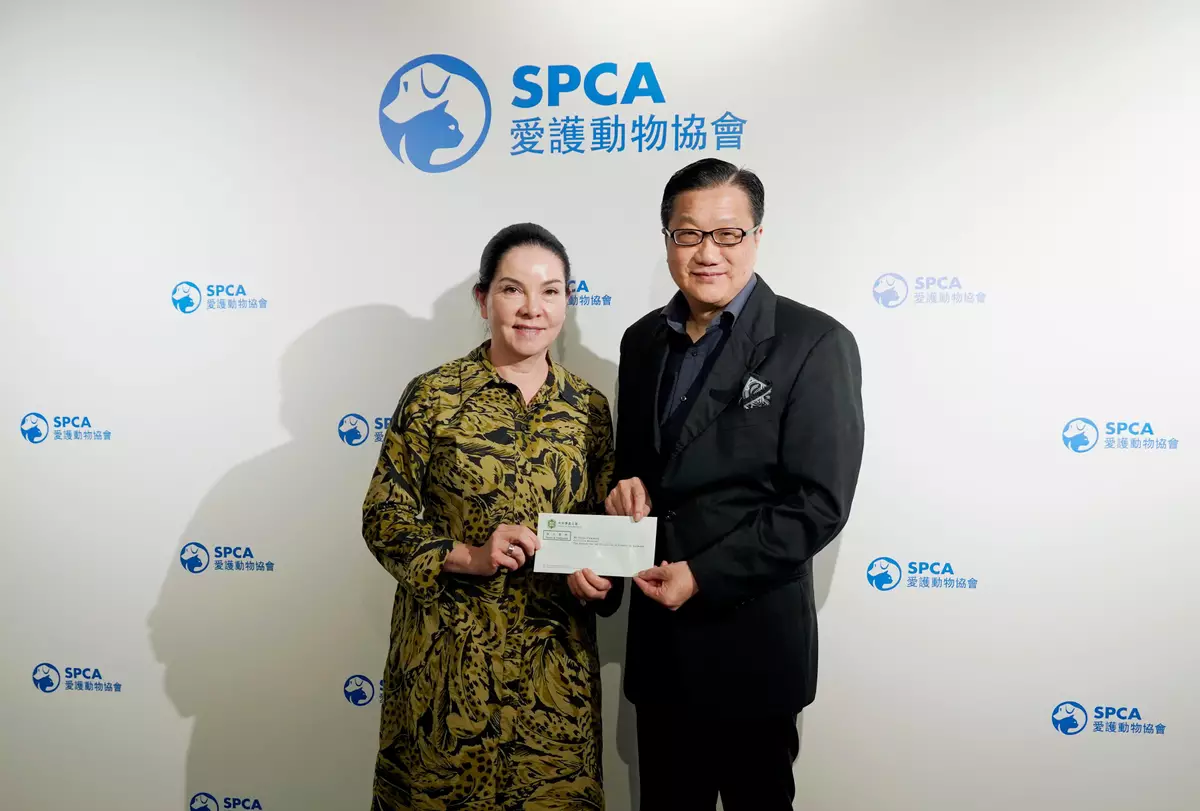
The Ombudsman today also visited the Society for the Prevention of Cruelty to Animals (SPCA) Jockey Club Centennial Centre (Tsing Yi Centre) and met with its Executive Director, Ms Fiona Cumming, to gain an insight into the SPCA's work in preventing animal cruelty and rescuing injured animals, as well as its perspectives on related issues.
During the meeting, Ms Cumming briefed Mr Chan on the SPCA's latest efforts and challenges in handling suspected cases of animal cruelty, rescuing injured and abandoned animals, and promoting public education. Mr Chan also toured the facilities at the Centre, including the veterinary and animal care facilities, to learn about how frontline staff provide immediate treatment and rehabilitation support for injured animals. He spoke with staff members about their experiences in handling suspected cases of animal cruelty.
Mr Chan said, "Many animal protection organisations in the community have been working tirelessly to promote animal welfare. During our direct investigation operation, we received full support from the SPCA, the Kadoorie Farm and Botanic Garden and relevant animal rescue organisations. Through their outstanding work in animal protection, emergency rescues and public education, these organisations demonstrate compassion and social responsibility, and truly deserve praise."
Mr Chan added, "The media have recently reported on a suspected case of animal abuse and abandonment. The Police responded swiftly and decisively, leading to the arrest of the suspects within days. The action is highly commendable in fully demonstrating the Government's commitment and determination to combat animal cruelty, and conveying a clear and powerful message to society."
The Office will continue to follow up on the implementation of relevant policies and measures, with a view to fostering a more compassionate and caring society.
The Ombudsman welcomes views from members of the public on this topic. Written submissions should reach the Office of The Ombudsman by June 19, 2026:
Address: 30/F, China Merchants Tower, Shun Tak Centre
168-200 Connaught Road Central, Hong Kong
Fax: 2882 8149
Email: di490@ombudsman.hk
Ombudsman probes secretariat services and administrative support provided by Agriculture, Fisheries and Conservation Department for Veterinary Surgeons Board of Hong Kong Source: HKSAR Government Press Releases
Ombudsman probes secretariat services and administrative support provided by Agriculture, Fisheries and Conservation Department for Veterinary Surgeons Board of Hong Kong Source: HKSAR Government Press Releases