Aerial footage has shown the scale of devastation around the renowned Sky Villa Condominium in Myanmar's quake-hit Mandalay, where many are believed to be buried beneath the rubble following Friday's powerful earthquake.
The 7.9-magnitude quake, which struck central Myanmar around lunchtime on Friday, has claimed at least 1,700 lives, and left some 3,400 injured with around 300 missing, according to an update by Myanmar's State Administration Council on Sunday.
The exclusive drone footage shot by Phoenix Television on Monday showed the extent of damage around the Sky Villa buildings in Mandalay City which have now been reduced to piles of rubble as the floors caved in.
Multiple rescue teams, including the Blue Sky Rescue Team, a Chinese civil relief squad, have been racing against time to locate possible survivors buried in the apartment buildings, hoping to rescue as many as possible as the crucial 72-hour window approached on Monday afternoon.
Chinese Search and Rescue Team has been continuing their efforts as part of the ongoing emergency response in hard-hit Mandalay and has successfully rescued four survivors, including three adult women and a girl. Chinese rescuers have so far rescued six survivors in Myanmar.
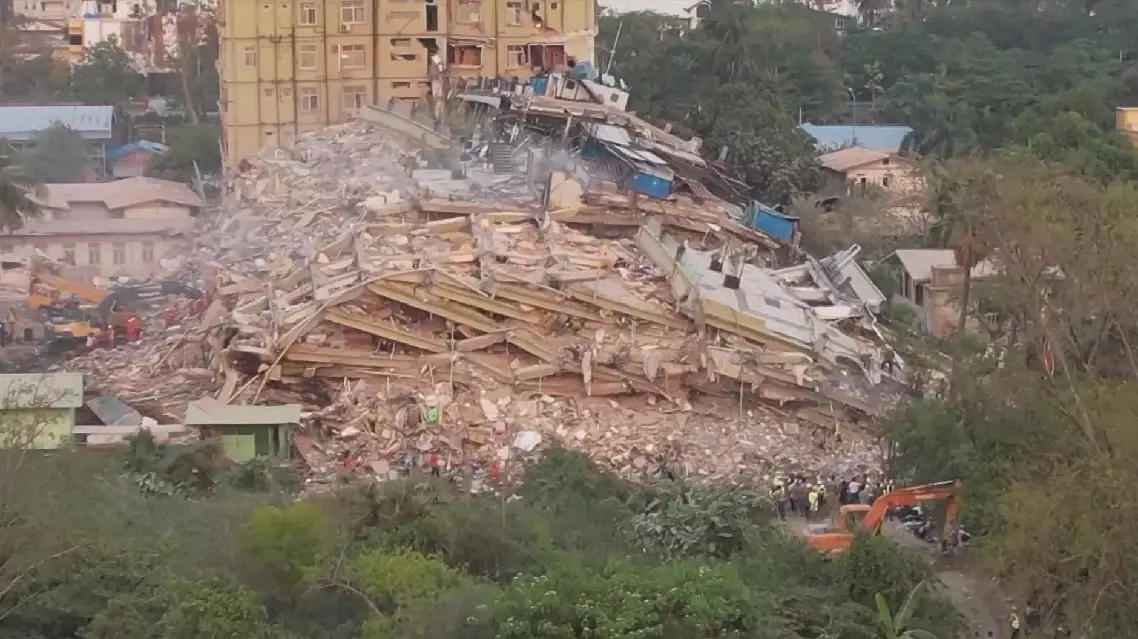
Aerial footage shows scale of damage around collapsed Sky Villa apartment complex
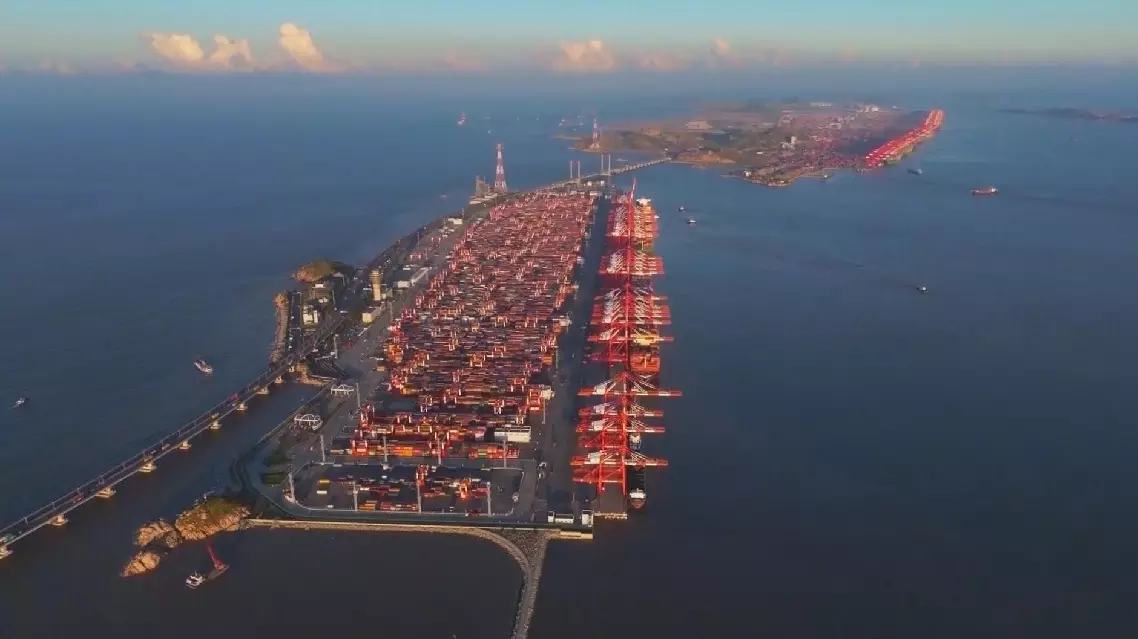
A growing number of Chinese energy companies are increasing their presence in the Persian Gulf as they get deeply involved in the region's energy transition.
As a highlight of China-Gulf cooperation, green energy projects carried out by Chinese companies in Gulf states gained spotlight at the 18th World Future Energy Summit, which took place from Wednesday to Thursday in Abu Dhabi, the United Arab Emirates (UAE).
A shining example is the Mohammed bin Rashid Al Maktoum Solar Park in Dubai. As one of the largest single-site solar parks in the world, the solar thermal plant is a key project to help Dubai achieve its carbon reduction goals and significantly increase the share of clean energy in the city's power mix.
"Upon completion in 2030, it will exceed 8,000 megawatts, and it will reduce 8.5 million tons of carbon emmissions on an annual basis. And it will raise Dubai's clean energy capacity up to 36 percent," said Ali Hayat, a senior engineer of the project.
In recent years, more and more Chinese energy product suppliers have transitioned to a new role as investors by building plants and regional offices in the Gulf region to deepen their participation in local energy transition.
"China has been absurdly in the lead in both ways -- in providing technologies that make the cost of solar panel to be affordable around the world, and also in an amazing increase of the share of renewable energy in the energy system," said Francesco La Camera, director-general of the International Renewable Energy Agency.
Chinese companies seek greater role in Gulf states' energy transition