NEW YORK (AP) — As the trade wars launched by U.S. President Donald Trump continue to escalate, all eyes are on Wednesday.
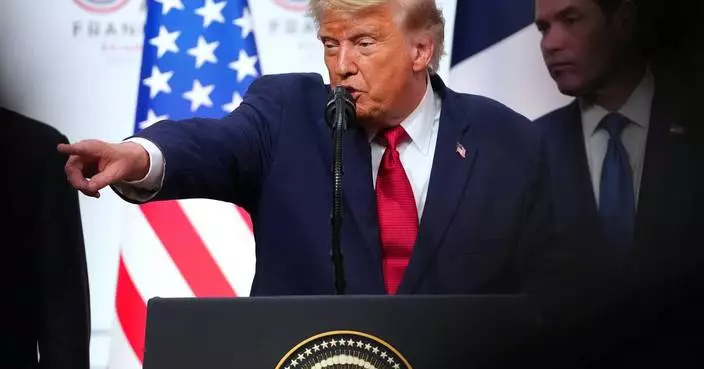
Trump has repeatedly called April 2 “Liberation Day,” with promises to roll out a set of tariffs, or taxes on imports from other countries, that he says will free the U.S. from a reliance on foreign goods. To do this, Trump has said he'll impose “reciprocal” tariffs to match the duties that other countries charge on U.S. products.
But a lot remains unknown about how these levies will actually be implemented. White House press secretary Karoline Leavitt said Monday that Trump would unveil his plans to place reciprocal tariffs on nearly all American trading partners on Wednesday, but maintained that the details are up to the president to announce.
Since taking office just months ago, Trump has proven to be aggressive with tariff threats, all while creating a sense of whiplash through on-again, off-again trade actions. And it’s possible that we’ll see more delays or confusion this week.
Trump has argued that tariffs protect U.S. industries from unfair foreign competition, raise money for the federal government and provide leverage to demand concessions from other countries. But economists stress that broad tariffs at the rates suggested by Trump could backfire.
Tariffs typically trickle down to the consumer through higher prices — and businesses worldwide also have a lot to lose if their costs rise and their sales fall. Import taxes already in effect, coupled with uncertainty around future trade actions and possible retaliations, have already roiled financial markets and lowered consumer confidence while enveloping many with questions that could delay hiring and investment.
Here's what you need to know.
Details around Trump's plans remain uncertain. Reciprocal tariffs could take the form of product-by-product duties, for example, or broader “averages" imposed across all goods from each country — or perhaps something else entirely. The rates could reflect what other countries charge as well as their value added taxes and subsidies to domestic companies.
White House trade adviser Peter Navarro told “Fox News Sunday” that the tariffs could raise $600 billion annually, which would imply an average rate of 20%.
Trump has talked about taxing the European Union, South Korea, Brazil and India, among other countries, through these levies. On Monday, Leavitt said Trump had been presented with several proposals by his advisers. She added that the president would make a final decision, but right now was not contemplating any country-wide exemptions from the tariffs.
Previously-delayed import taxes could take effect very soon. Trump’s month-long delay for many goods from Canada and Mexico, for example, is set to elapse in early April. Earlier this month, Trump wrote on his social media platform Truth Social that the extension granted for Mexican imports covered by the U.S.-Mexico-Canada Agreement runs through April 2. But further confirmation around a specific date has not been issued since.
Trump has said he will place a 25% tariff on all imports from any country that buys oil or gas from Venezuela, which includes the U.S. itself, starting Wednesday — in addition to imposing new tariffs on the South American country.
His 25% tariffs on auto imports will start being collected Thursday, with taxes on fully-imported cars kicking off at midnight. The tariffs are set to expand to applicable auto parts in the following weeks, through May 3.
The White House says it expects to raise $100 billion in revenue annually from these new duties, but economists stress this trade action will upend the auto industry’s global supply chain and lead to higher prices for consumers.
Trump imposed a 10% tariff on all Chinese imports beginning Feb. 4, a levy he later doubled to 20% from March 4 onward. And China has hit back with retaliatory tariffs covering a range of U.S. goods, including a 15% tariff on coal and liquefied natural gas products and 10% tariff on crude oil from the U.S. that took effect Feb 10. China also imposed tariffs of up to 15% on key U.S. farm exports starting March 10.
Trump’s expanded steel and aluminum tariffs went into effect earlier this month, too. Both metals are now taxed at 25% across the board — with Trump’s order to remove steel exemptions and raise aluminum’s levy from his previously-imposed 2018 import taxes taking effect March 12.
Canada and Mexico, America’s two largest trading partners, have also faced steep tariffs. Earlier this month, Trump implemented a partial, month-long delay of his 25% tariffs on both countries — delaying taxes for auto-related imports as well as goods that comply with the 2020 US-Mexico-Canada Agreement until early April.
But other imports are still levied, as well as a lower 10% duty on potash and Canadian energy products. In response to these tariffs, as well as the new steel and aluminum import taxes, Canada has rolled out a series of counter measures amounting to billions of dollars on U.S. goods. Mexico, meanwhile, has yet to formally impose new levies — signaling it may still hope to de-escalate the trade war, although the country previously promised retaliation to Trump’s actions.
Even more tariffs from Trump are likely, with the president also threatening import taxes on products like copper, lumber, pharmaceutical drugs and computer chips.
And many countries have promised retaliatory measures — if not already imposed them, like Canada. Trump has said he won't negotiate with other countries on Wednesday's tariffs until after they're imposed, though he has said his 25% taxes on auto imports would be permanent.
In response to Trump's steel and aluminum tariffs, the European Union announced measures on U.S. goods worth some 26 billion euros ($28 billion) — to target steel and aluminum products, but also American beef, poultry, bourbon, motorcycles, peanut butter and jeans. The 27-member bloc had intended to roll out this retaliatory trade action in two phases, on Tuesday and April 13, but later said it will delay it until mid-April, without giving a specific date.
We'll potentially see more retaliatory announcements this week, particularly if Trump confirms more details of sweeping reciprocal tariffs on Wednesday.
Associated Press Writers Josh Boak and Zeke Miller in Washington contributed to this report.
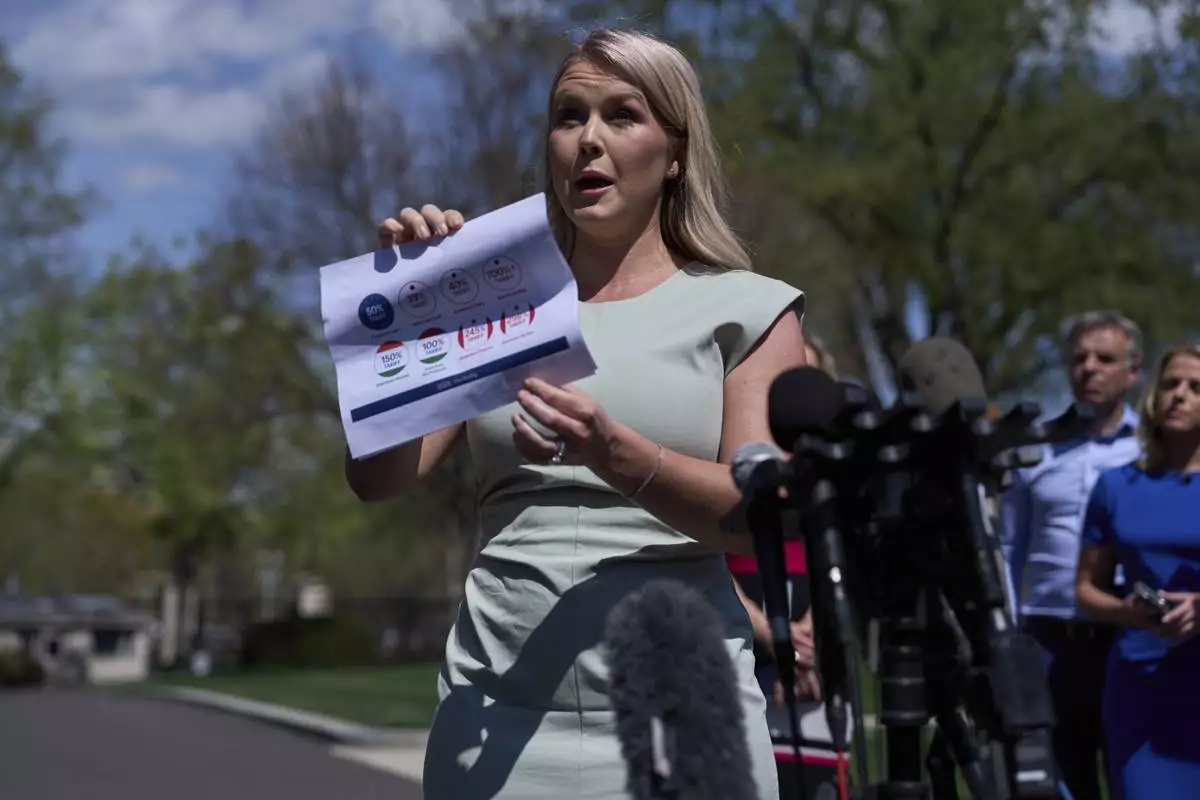
White House press secretary Karoline Leavitt speaks with reporters at the White House, Monday, March 31, 2025, in Washington. (AP Photo/Evan Vucci)