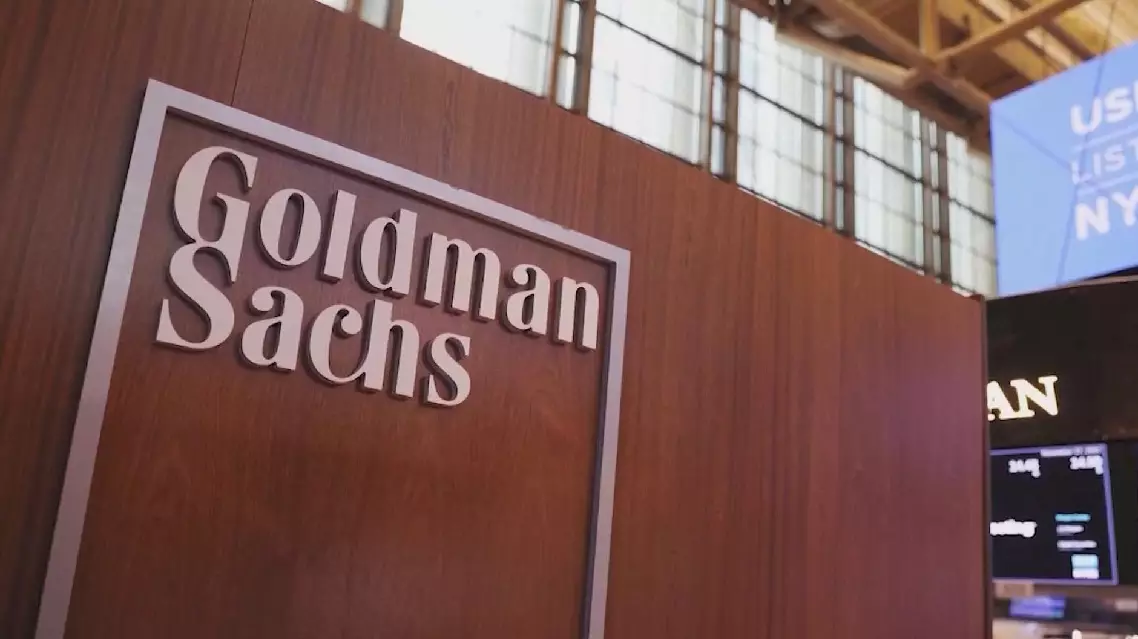
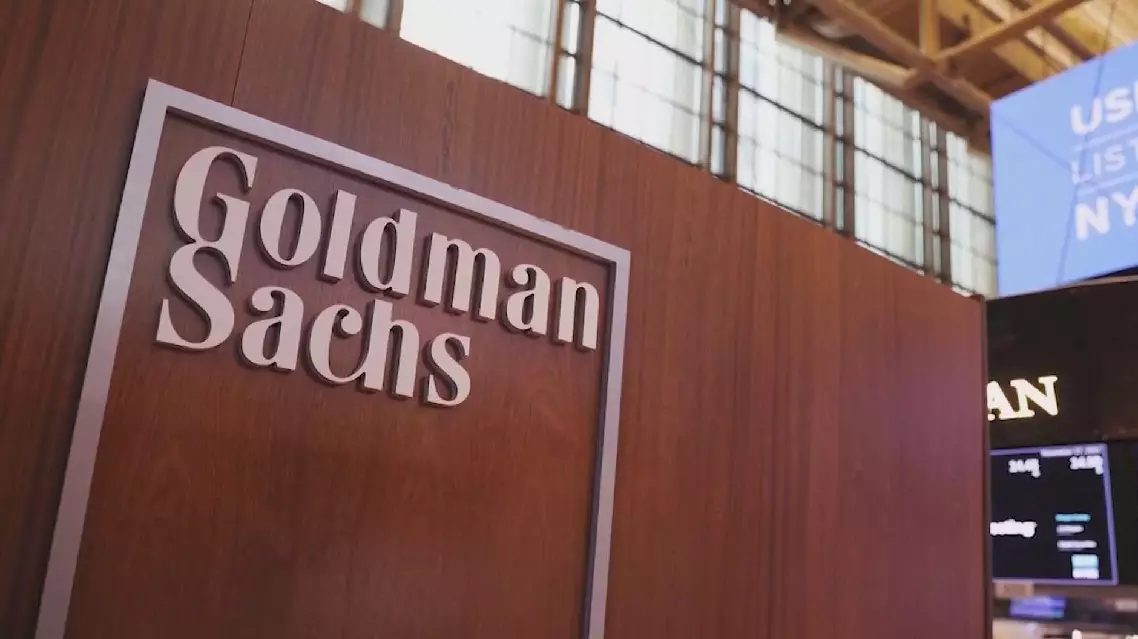
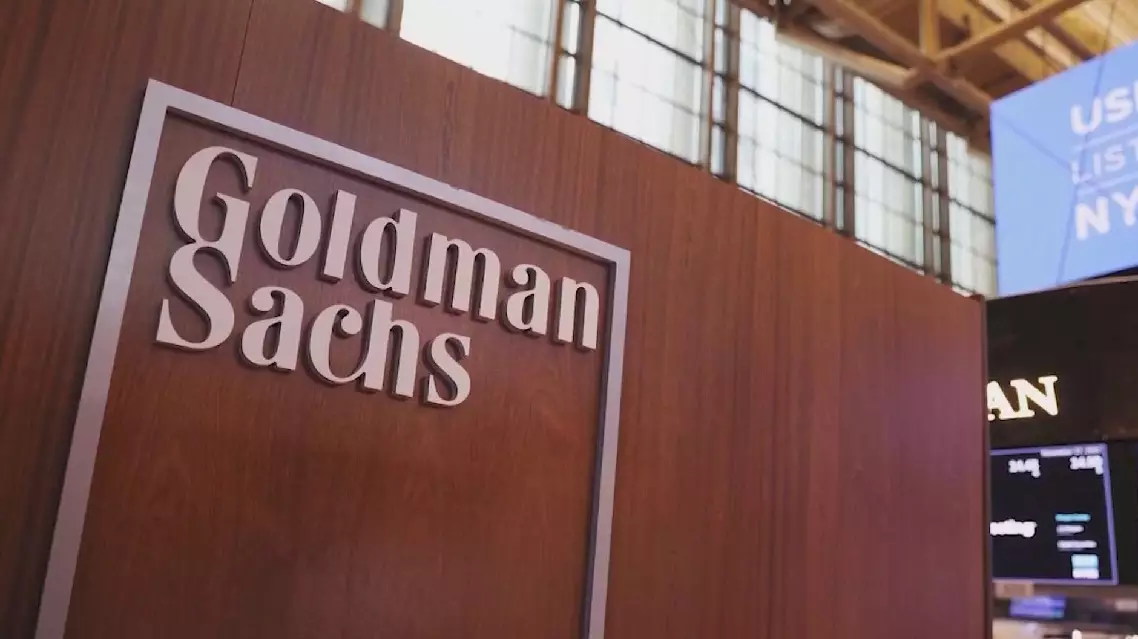
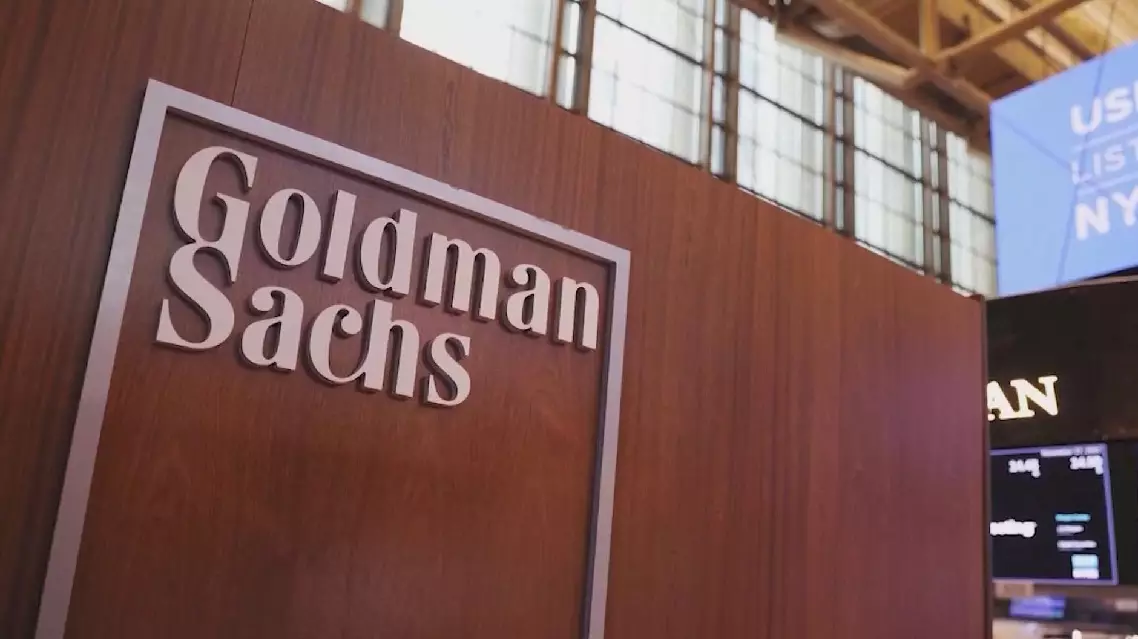
Goldman Sachs has raised the probability of a U.S. recession to 35 percent, up from 20 percent, as U.S. President Donald Trump's tariffs dampen the bank's economic outlook for the country.
In its release on Sunday, Goldman Sachs attributes the updated forecast largely to sharply declining household and business confidence, as well as White House officials' statements indicating greater willingness to tolerate near-term economic weakness in pursuit of their policies.
Click to Gallery
Goldman Sachs raises U.S. recession odds to 35 pct amid Trump tariff concerns
Goldman Sachs raises U.S. recession odds to 35 pct amid Trump tariff concerns
Goldman Sachs raises U.S. recession odds to 35 pct amid Trump tariff concerns
Goldman Sachs raises U.S. recession odds to 35 pct amid Trump tariff concerns
It warned that the Trump administration's latest tariffs plan, which is expected to be unveiled on Wednesday, is poised to incur greater risks than many market participants had previously assumed.
The bank predicts the average U.S. tariff rate will increase by 15 percentage points this year, five percentage points higher than its previous assumption, noting that higher tariffs are likely to boost consumer crisis.
It expects year-end 2025 core Personal Consumption Expenditures (PCE) inflation to stand at 3.5 percent on a yearly basis, significantly higher than its previous forecast of 2.8 percent and the Federal Reserve's two percent target. The year-end unemployment rate is expected to rise to 4.5 percent, it said.
Meanwhile, ordinary Americans expressed their concerns about Trump's policies in interviews with China Global Television Network (CGTN) outside the White House.
"I think it's a negotiation strategy. So it's going to be outrageous and something to catch everyone's attention, and eventually there will be some negotiation," said Heidi Fisher, a tourist from Illinois.
She added that the already high prices could probably keep going up, putting a strain on households.
"I am against it, but he has a plan. I don't know what his plan is. I have to wait and see it play out," said Charles Williams, a tourist from Pennsylvania.
"I'm a little bit worried about that. House prices, living costs, everything is so high. So we'll see what he can do. He just started - maybe he makes a good decision," said Chomki Mallic, another tourist from Pennsylvania.
Goldman Sachs raises U.S. recession odds to 35 pct amid Trump tariff concerns
Goldman Sachs raises U.S. recession odds to 35 pct amid Trump tariff concerns
Goldman Sachs raises U.S. recession odds to 35 pct amid Trump tariff concerns
Goldman Sachs raises U.S. recession odds to 35 pct amid Trump tariff concerns