Governments in the EU, Canada, ASEAN, and Mexico are ramping up actions against the United States' latest tariff hikes, signaling a growing international backlash and the potential for escalating trade disputes in the coming weeks.
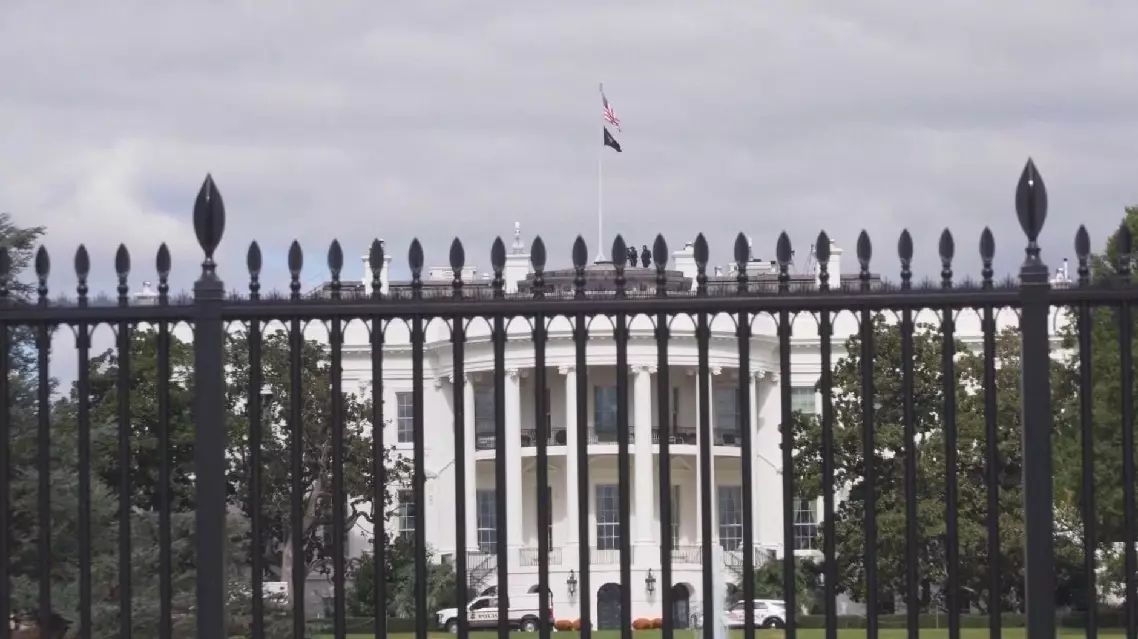
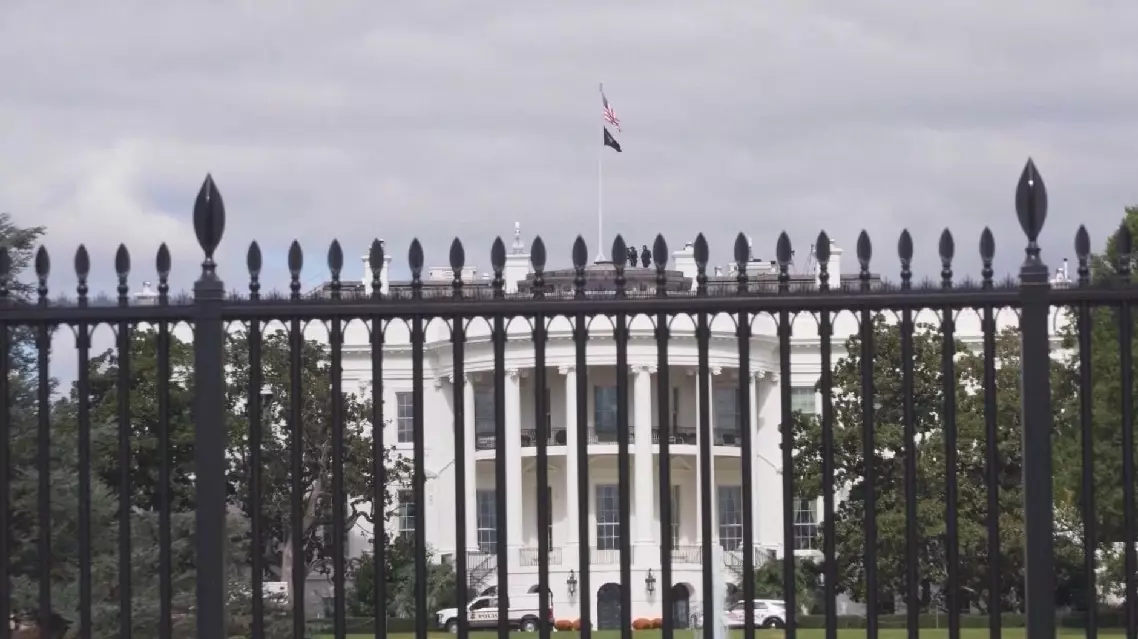
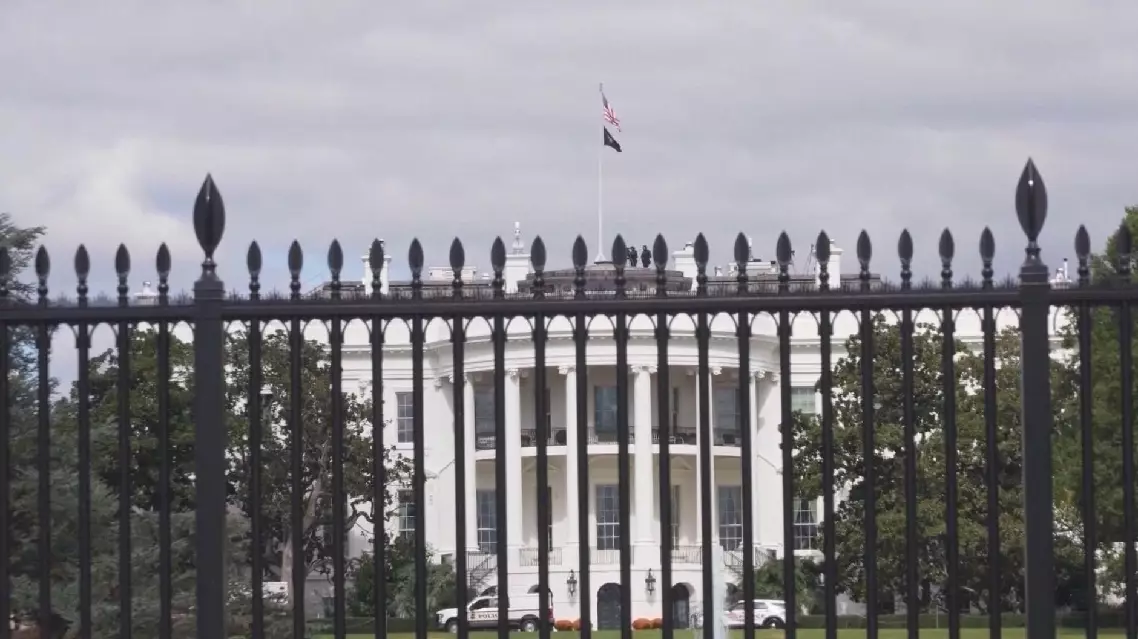
Amid rising global concern, U.S. President Donald Trump on April 2 signed an executive order imposing a 10-percent "minimum baseline tariff" on all imports, with elevated rates for specific countries.
Click to Gallery
U.S. tariff policies spark global pushback from Europe, Asia, North America
U.S. tariff policies spark global pushback from Europe, Asia, North America
U.S. tariff policies spark global pushback from Europe, Asia, North America
U.S. tariff policies spark global pushback from Europe, Asia, North America
In response, trade ministers from EU member states convened in Luxembourg on Monday to discuss a unified strategy against the United States' proposed new round of steep tariffs on EU imports.
According to multiple media reports, the European Commission has proposed retaliatory tariffs of 25 percent on a range of U.S. products, including soybeans, nuts, diamonds, eggs, dental floss, sausages, and poultry. These measures are aimed directly at countering U.S. tariffs on European steel and aluminum.
If approved, the EU's new duties are expected to take effect on April 15, though most tariffs would begin to be collected in mid-May. Tariffs on soybeans and various nuts are scheduled to start on December 1.
EU member states will vote on the proposal on April 9. Under current EU rules, the measure will pass unless a "qualified majority" of at least 15 member states - representing at least 65 percent of the EU's population - vote against it.
Meanwhile, the World Trade Organization (WTO) announced on Monday that Canada has formally requested consultations with the U.S. under the WTO's dispute settlement mechanism. This comes in response to the U.S. decision to impose a 25 percent tariff on imported automobiles and certain auto parts. Canada argues the measure violates U.S. obligations under the General Agreement on Tariffs and Trade (GATT) 1994.
Elsewhere, Malaysian Prime Minister Anwar Ibrahim on Monday said during a meeting that Malaysia, as the current chair of ASEAN, will work to strengthen communication among member nations and coordinate a joint response to the U.S. tariff moves. Anwar emphasized that ASEAN cannot afford to take the new U.S. tariffs lightly amid rising global economic and political uncertainty.
ASEAN economic ministers are scheduled to meet on April 10 to discuss a collective strategy.
In Mexico, President Claudia Sheinbaum said on Monday that her government does not rule out imposing reciprocal tariffs on the U.S. but stressed that she would pursue all diplomatic avenues to avoid escalating prices for Mexican consumers.
U.S. tariff policies spark global pushback from Europe, Asia, North America
U.S. tariff policies spark global pushback from Europe, Asia, North America
U.S. tariff policies spark global pushback from Europe, Asia, North America
U.S. tariff policies spark global pushback from Europe, Asia, North America