Skip to Content Facebook Feature Image

No. 2 Unit of world's largest Hualong-1 reactor base completes hot functional test

China

China

China

No. 2 Unit of world's largest Hualong-1 reactor base completes hot functional test

2025-04-08 20:37 Last Updated At:22:07

The No. 2 Unit of Zhangzhou nuclear power plant, located at the world's largest Hualong-1 base, completed hot functional test on Tuesday, paving the way for fuel loading and connection to the state grid.

The Hualong-1 reactor is a domestically developed third-generation nuclear reactor design, representing a major milestone in China's homegrown nuclear technology.

The hot functional test is a crucial step in the commissioning process.

The test simulates the actual operating conditions of a nuclear power plant as closely as possible and comprehensively verifies the performance of equipment and systems in both the nuclear and conventional islands under thermal conditions.

"Hot functional test of the No. 2 Unit of Zhangzhou nuclear power plant has been completed. Subsequently, we will proceed with fuel loading and grid connection as planned. According to the schedule, the No. 2 Unit will enter commercial operation in the fourth quarter of this year," said Mei Bingyun, chief engineer of China National Nuclear Corporation Zhangzhou Energy Co., Ltd.

According to plan, the Zhangzhou nuclear power plant will eventually comprise six million-kilowatt-grade nuclear power units.

The No. 1 Unit has been put into commercial operation. Units No. 3 and 4, planned for the second phase of the project, have seen their construction started in 2024 and been undergoing a critical stage.

After full production, the six units will have a total installed capacity of approximately 7.2 million kilowatts. Each unit is expected to generate over 10 billion kilowatt-hours of clean electricity annually, making a significant contribution to China's low-carbon energy goals. "Hualong-1 has become the world's most widely deployed third-generation nuclear technology, both in operation and under construction. This marks that China's nuclear technology and overall competitiveness have reached the front ranks globally," Mei said.
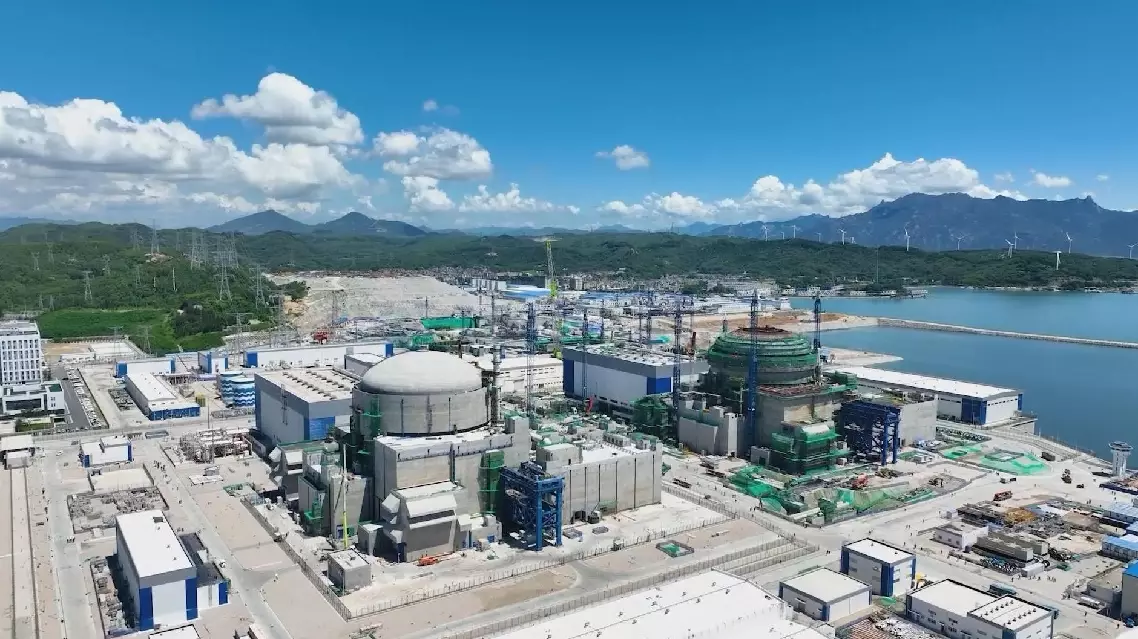
No. 2 Unit of world's largest Hualong-1 reactor base completes hot functional test
No. 2 Unit of world's largest Hualong-1 reactor base completes hot functional test
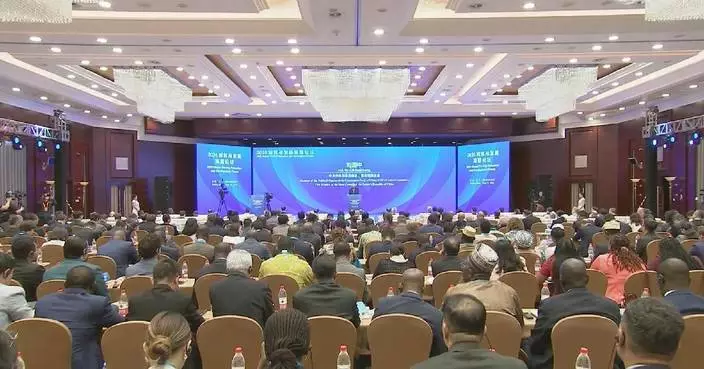
International guests who have dedicated their lives to historical truth joined China's 12th national memorial event honoring the hundreds of thousands of victims killed by Japanese troops in the Nanjing Massacre during World War II.

The memorial was held on Saturday at the public square of the Memorial Hall of the Victims in Nanjing Massacre by Japanese Invaders in Nanjing, capital of east China's Jiangsu Province. China's national flag was flown at half-mast in the presence the crowd that included survivors of the massacre, local students, and international guests.

In one of the most barbaric episodes during WWII, the Nanjing Massacre took place when Japanese troops captured the then-Chinese capital Nanjing on Dec 13, 1937. Over the course of six weeks, they proceeded to kill approximately 300,000 Chinese civilians and unarmed soldiers.

Joining the crowd was Christoph Reinhardt, the great-grandson of John Rabe (1882-1950) who was then a representative of German conglomerate Siemens in the war-ravaged Nanjing. During the Nanjing Massacre, Rabe set up an international safety zone with other foreigners, and they together saved the lives of around 250,000 Chinese people between 1937 and 1938 from the Japanese invaders.

Throughout the massacre, Rabe continued to keep a diary. To this day, all his pages remain one of the most comprehensive historical records of the atrocities committed by the Japanese aggressors.

Sayoko Yamauchi, who was also in the crowd of mourners, arrived in Nanjing on Friday from Japan's Osaka to attend Saturday's ceremony, just as she has done almost every year since China designated Dec 13 as the National Memorial Day for the Victims of the Nanjing Massacre in 2014.

Yamauchi's grandfather was one of the Japanese soldiers who invaded Nanjing in January 1938. However, since first setting foot in Nanjing in 1987, she has dedicated herself to uncovering and spreading the truth about Japan's history of aggression and enlightening the Japanese public about their country's wartime atrocities.

In 2014, ahead of China's first National Memorial Day for the Victims of the Nanjing Massacre, Yamauchi, along with 10 other individuals, received an award for her special contribution to the Memorial Hall of the Victims in the Nanjing Massacre by Japanese Invaders.

By attending the grand memorial event, Reinhardt and Yamauchi both said they hope to convey a message of remembering history and cherishing peace.

"This is my fifth visit to China, and Nanjing, and the third times I visited the ceremony. I have a wish that these survivors survive again and again and again. But my other wish is that the families of the survivors, that they transport the information, the right intention like their ancestors, because anyone must hold a hand (during) this remembering," Reinhardt told China Central Television (CCTV) in an interview before the event began on Saturday.

"Our delegation is on its 20th visit to China, coming to Nanjing to express our heartfelt condolences to those who perished 88 years ago, to remember this history, and to reflect on what we can do for a new future. That's why we are here," Yamauchi told CCTV on board the bus that took her to a local hotel in Nanjing on Friday evening.

Int'l guests call for remembering history at China's national event honoring Nanjing Massacre victims

Int'l guests call for remembering history at China's national event honoring Nanjing Massacre victims

Recommended Articles