Russia on Tuesday claimed it recaptured a village in Kursk from Ukrainian control, while Ukraine confirmed the presence of its troops in the Russian region of Belgorod for the first time on the same day.
In its daily briefing, the Russian Defense Ministry reported that, over the past 24 hours, its forces had taken control of the village of Guyevo in the Kursk region, and hit Ukrainian targets like missile and artillery depots, and a workshop for unmanned aerial vehicle production.
The ministry also stated that its air defense units intercepted Ukrainian aerial bombs, rockets, and other targets, shooting down more than 100 drones of enemy.
On Tuesday, the General Staff of the Armed Forces of Ukraine reported the destruction of a Russian warehouse, several military facilities, and technical equipment in Kursk through airstrikes on Monday, resulting in the death of over 30 Russian troops.
In addition, Ukraine's President Volodymyr Zelensky on Monday confirmed that Ukrainian forces are present in Russia's Belgorod region for the first time. Belgorod is a region bordering Ukraine, located south of Kursk.
On Tuesday, Ukrainian Foreign Minister Andrii Sybiha said Ukraine has finalized the composition of its negotiating team, which will soon travel to the U.S. for detailed discussions on the draft mineral agreement proposed by the U.S.
Sybiha also emphasized that the agreement must be mutually beneficial and reflect the interests of both parties.
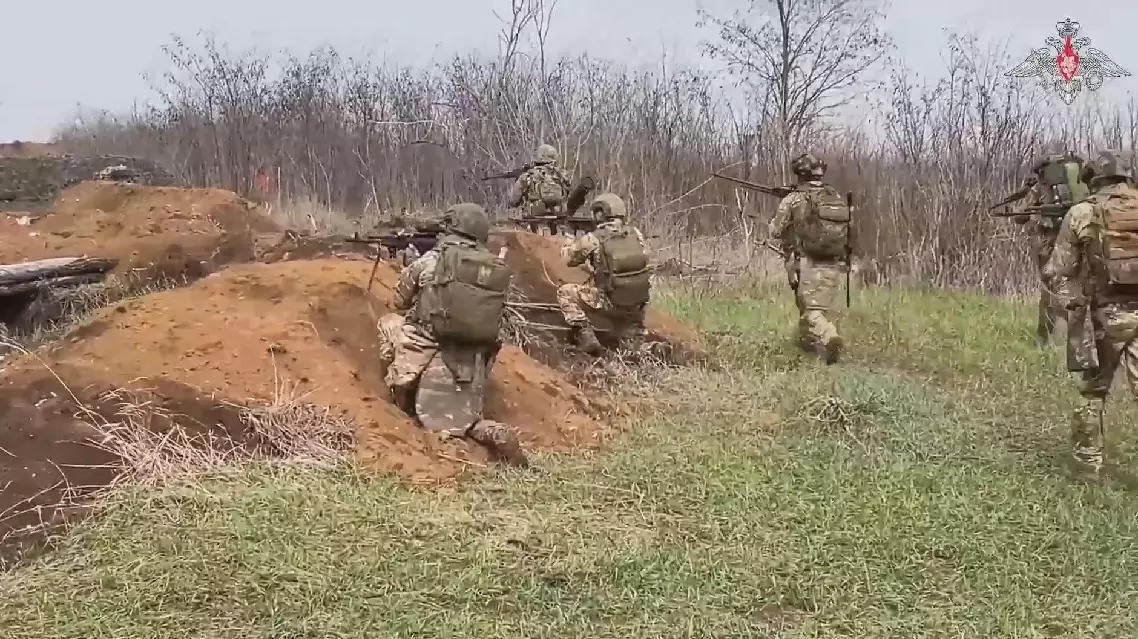
Russia claims control of village in Kursk; Ukraine confirms troop presence in Russia's Belgorod
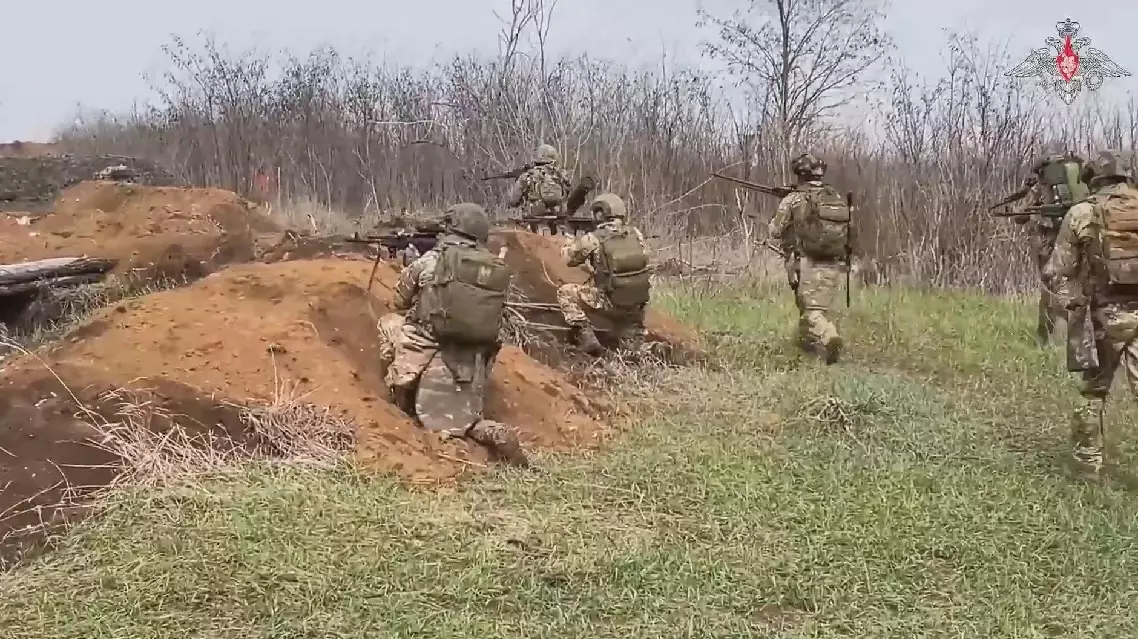
Russia claims control of settlement in Kursk, Ukraine reports striking Russian military facilities
Chinese Premier Li Qiang called for accelerating the revitalization of old revolutionary base areas during an inspection tour in Ganzhou City of east China's Jiangxi Province on Monday and Tuesday.
Li, who is also a member of the Standing Committee of the Political Bureau of the Communist Party of China Central Committee, highlighted the need to genuinely implement supportive policy measures, foster competitive industries, and ensure steady improvements in public welfare in these areas.
When visiting rural villages, Li chatted with primary-level officials and residents to learn about their incomes, jobs and access to medical care, as well as assistance for people in need.
Li urged local authorities to continue enhancing public services, improving village environment, and taking solid steps to bring tangible benefits for the people.
The premier emphasized the role of technology in driving development, urged the cultivation of industries with brand recognition and broader spillover effects, and called for consolidating anti-poverty achievements in a bid to boost the endogenous dynamics.
Li also visited the Ganjiang Innovation Academy under the Chinese Academy of Sciences, as well as several rare earth companies. He learned about progress in rare earth research and commercialization, toured production facilities, and held discussions with business executives and research leaders.
China should develop rare earth resources in a proper and coordinated manner, optimize the sector's industrial layout, and improve the recycling system, Li said.
Ecological protection must take precedence, he said, calling for stronger environmental standards across production and processing to promote full-cycle green development throughout the industry.
The focus should be placed on both basic and applied research, Li said, urging faster progress in key technological breakthroughs to build a leading rare earth technological innovation hub.
Efforts should also be made to expand applications of rare earth technologies in areas such as new energy and new materials and improve coordination across the supply chain, with the aim of enhancing the sector's quality and performance, Li said.
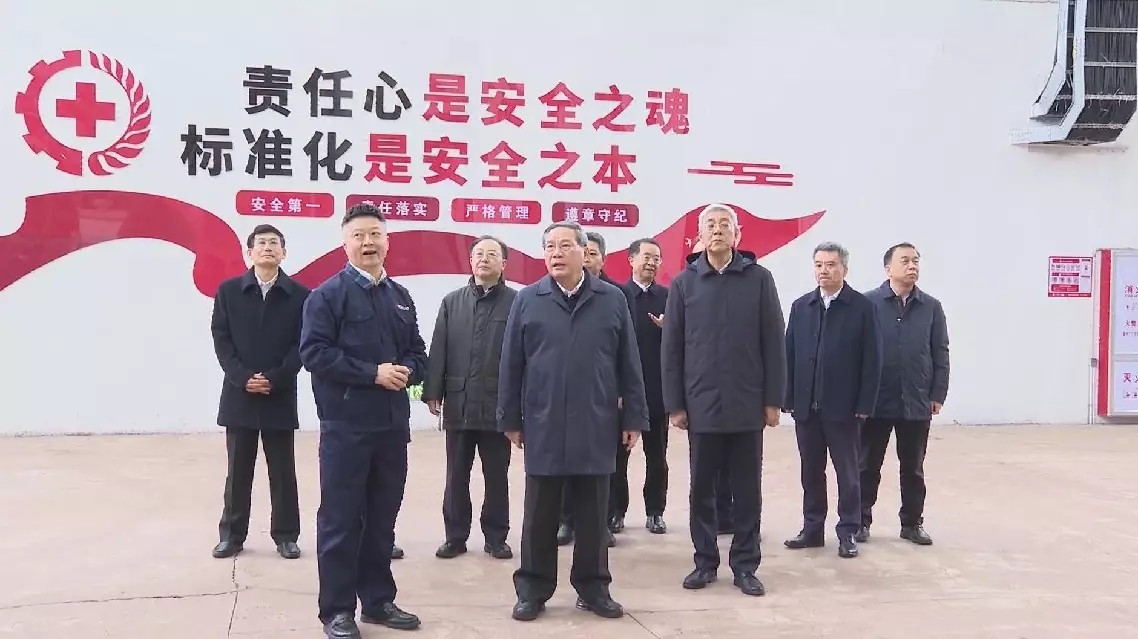
Chinese premier calls for accelerating revitalization of old revolutionary base areas