Japan's export-driven economy is facing mounting pressure as new U.S. tariffs raise costs, disrupt global supply chains, and heighten fears of broader economic instability, said a Japanese law professor.
U.S. President Donald Trump's administration has imposed a 24 percent "reciprocal tariff" on Japanese goods, effective on Wednesday. This follows a separate 25 percent tariff on all car imports that came into force last Thursday.
The auto tariffs apply to passenger vehicles, light trucks, and key components, dealing a heavy blow to Japan's automotive industry, which remains a central pillar of the nation's manufacturing sector.
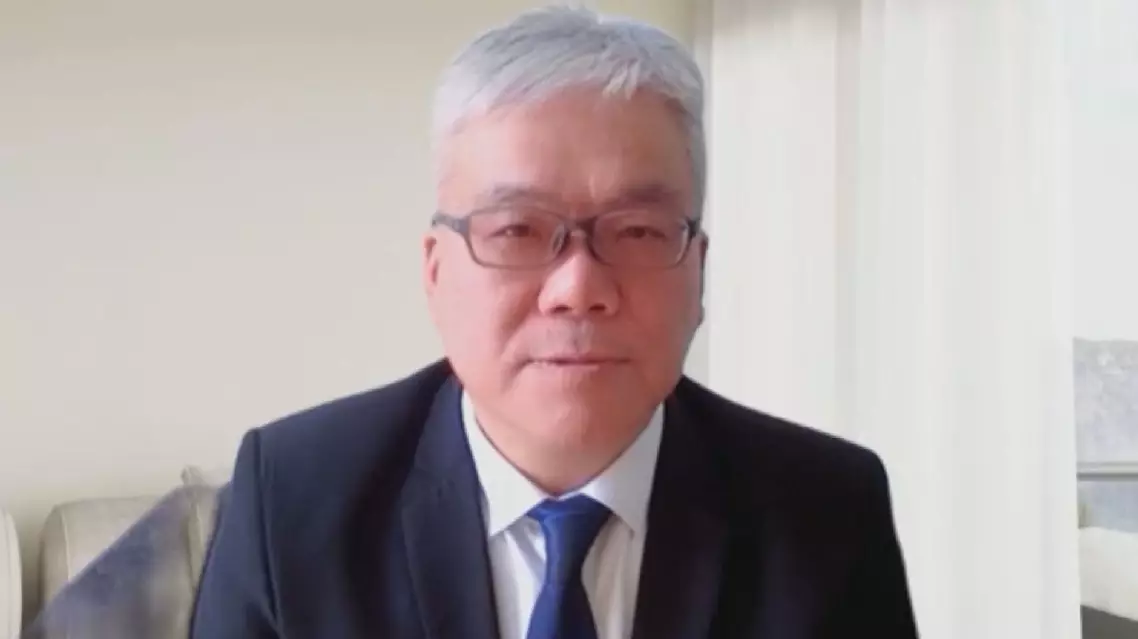
"The so-called 'reciprocal tariffs' imposed by the United States are aimed at protecting its domestic manufacturing industry, reflecting a broader shift toward protectionism. In the previous era of globalized, free-market economies, components and other products were imported through international supply chains. Imposing steep tariffs on these goods would drive up prices, placing a heavy burden on American consumers. Reviving U.S. manufacturing will take considerable time, and in the meantime, the global economy could be thrown into turmoil, becoming a major source of instability," Junichiro Kusumoto, a professor of law at Toyo University, said in an interview with the China Central Television (CCTV) on Tuesday.
Kusumoto said that Japan is caught in a dilemma as its key sectors such as automobiles and semiconductors are highly dependent on exports to the United States. The Japanese manufacturers will face a complex and uncertain business environment.
"Since Japanese products are also subject to high tariffs, failure to take countermeasures will lead to a decline in sales and shrinking profit margins. Even if companies lower prices to offset the tariffs, sales are still likely to drop. A downturn in manufacturing sales will undoubtedly have a negative impact on the Japanese economy. Furthermore, if production shifts to the United States, domestic factories in Japan will likely be downsized, further weakening the country's manufacturing sector," Kusumoto concluded.
Japanese expert warns US tariffs threaten global supply chain stability