Skip to Content Facebook Feature Image

China, EU vow joint efforts to uphold multilateral trading system

China

China

China

China, EU vow joint efforts to uphold multilateral trading system

2025-04-10 13:36 Last Updated At:16:37

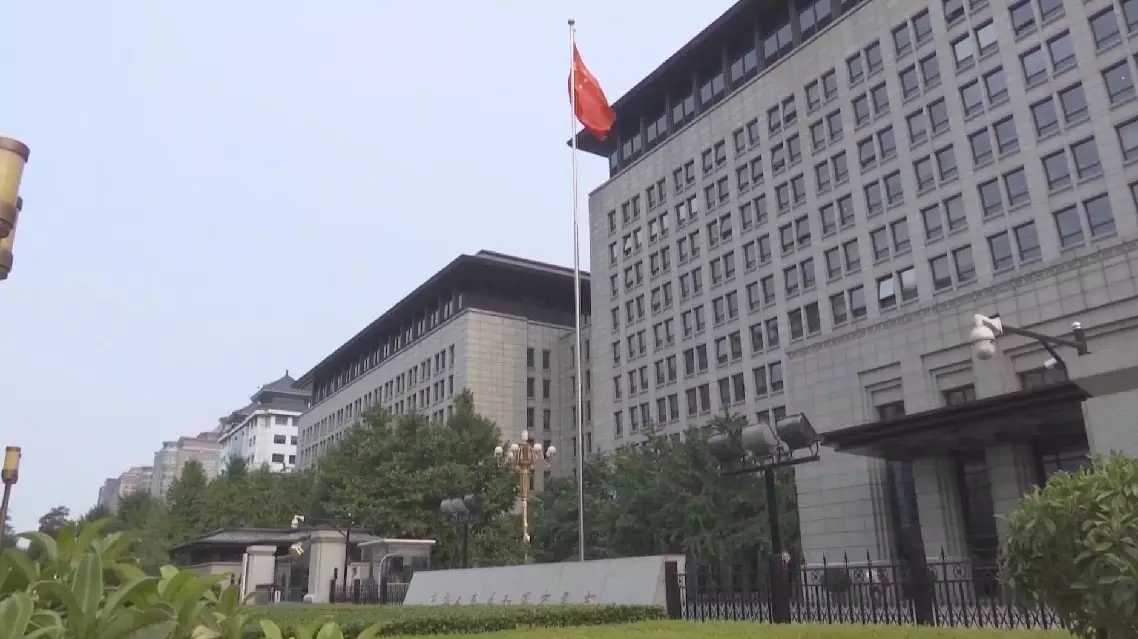
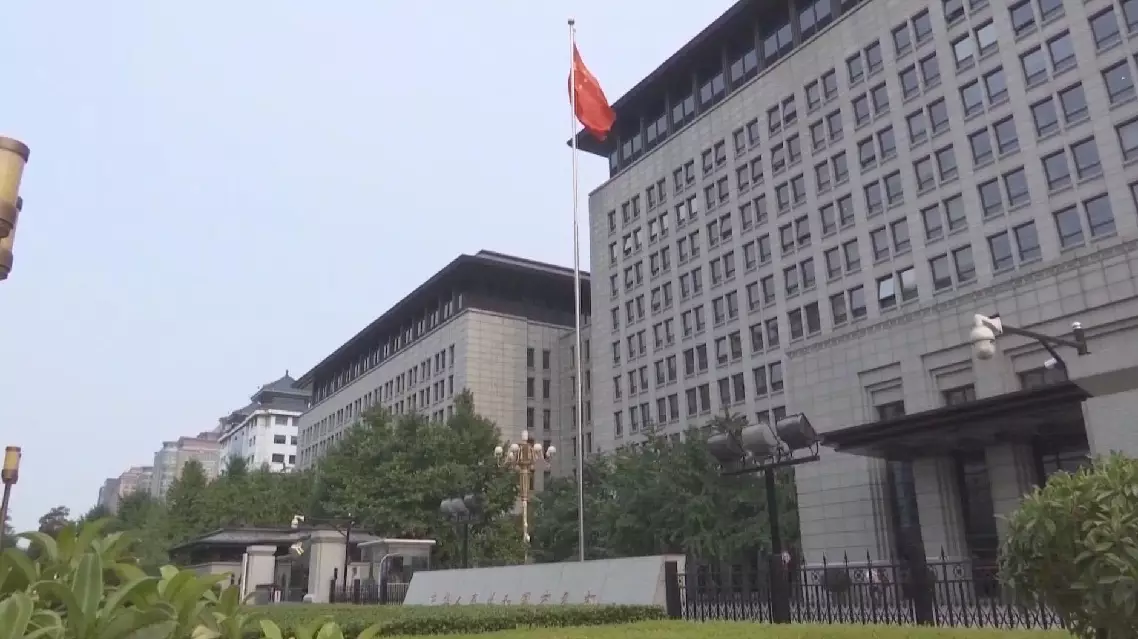
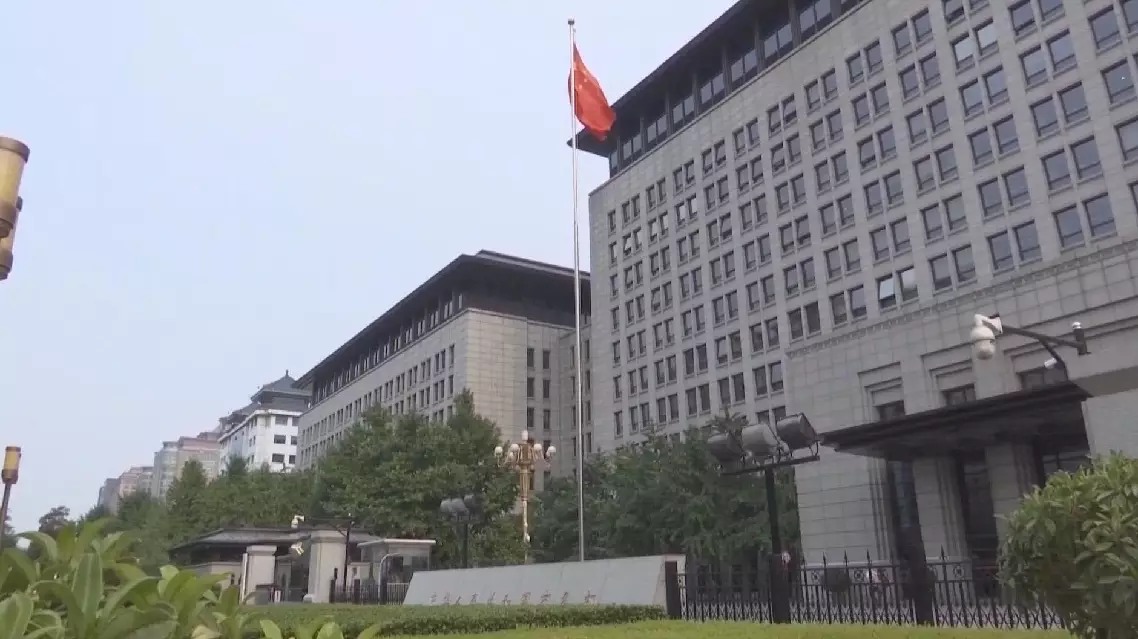
China and the European Union vowed to jointly uphold the multilateral trading system with the World Trade Organization (WTO) at its core and enhance trade cooperation, China's commerce ministry said in a statement released Thursday.

The statement came after China's Commerce Minister Wang Wentao and European Commissioner for Trade and Economic Security Maros Sefcovic held a talk via video on Tuesday, during which they discussed various issues, including enhancing China-EU economic and trade cooperation and responses to the U.S. imposition of so-called "reciprocal tariffs."

China is willing to work with the EU to strengthen communication and exchanges, and deepen China-EU trade, investment, and industrial cooperation, Wang told Sefcovic during the talk.

He pointed out that the U.S. "reciprocal tariffs" seriously violate the legitimate interests of other countries, breach the WTO rules, undermine the rules-based multilateral trading system, and disrupt the stability of the global economic order

The U.S. move is a typical act of unilateralism, protectionism and economic bullying, Wang said, adding that China firmly opposes it and has taken countermeasures to defend its own rights and interests.

There are no winners in a trade war, and protectionism leads nowhere. China is willing to resolve disputes through consultation and negotiation, but will fight till the end if the United States keeps acting willfully, Wang said.

He stressed that under current circumstances, China-EU jointly upholding the rules-based multilateral trading system and staying committed to trade liberalization and facilitation will inject more stability and certainty into the global economic and trade landscape.

For his part, Sefcovic stated that the U.S. tariff hikes have severely impacted international trade and had serious effect on the EU, China, and vulnerable countries.

Noting that the U.S. accounts for only 13 percent of global merchandise trade, Sefcovic said the EU is willing to work with other WTO members, including China, to jointly safeguard the normal functioning of global trade.

The EU values its economic and trade relations with China, and is willing to strengthen dialogue and communication with China, and promote greater two-way market access, investment and industrial cooperation, Sefcovic said.

Both sides agreed to start consultation on issues concerning market access at an early date, create a more favorable business environment for enterprises, and immediately start negotiations on electric vehicle pricing commitments as well as issues related to bilateral investment cooperation in the auto sector.

Both sides support the resumption of the China-EU trade remedy dialogue mechanism to address trade diversion issues and properly manage trade frictions, according to the statement.

The two sides also vowed to continue to strengthen communication under the WTO framework, jointly promote the WTO reform, and uphold the multilateral trading system with the WTO at its core, the statement noted.
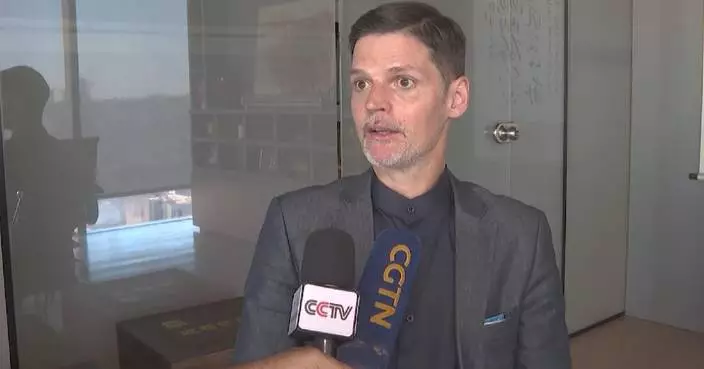
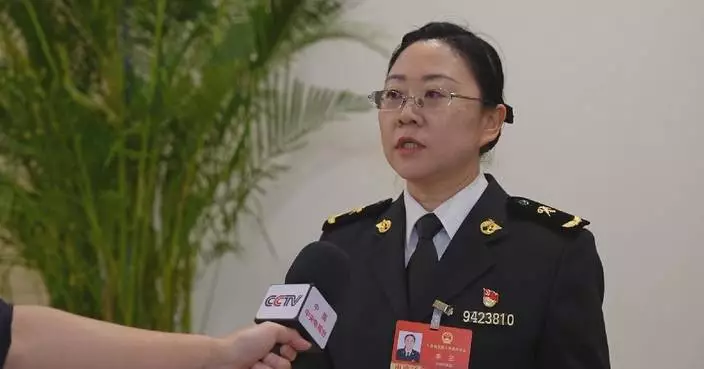
China, EU vow joint efforts to uphold multilateral trading system
China, EU vow joint efforts to uphold multilateral trading system
China, EU vow joint efforts to uphold multilateral trading system
China, EU vow joint efforts to uphold multilateral trading system
China, EU vow joint efforts to uphold multilateral trading system
China, EU vow joint efforts to uphold multilateral trading system
Chinese President Xi Jinping's New Year message delivered on the New Year Eve has drawn positive responses from scholars and former officials from several countries, who say that the series of global initiatives proposed by Xi have provided fresh momentum for multilateralism and shared development at a time of growing uncertainty.

While the reactions touched on the broader vision outlined in Xi's New Year message, they also focused on the initiatives Xi has put forward over recent years, particularly the Global Development Initiative, the Global Security Initiative, the Global Civilization Initiative and the newly proposed Global Governance Initiative.

Highlighting the significant importance of these initiatives, they have emphasized the need for equality, inclusiveness and a fairer international order.

"We need a more just international order and a truly multilateral system. China stands almost alone today as a global force actively advancing genuine multilateralism. Therefore, these initiatives are most welcome," said Michael Schumann, chairman of the German Federal Association for Economic Development and Foreign Trade.

Former Lebanese Prime Minister Hassan Diab has placed the emphasis on dialogue and trust-building between civilizations.

"It is essential now more than ever to promote communication and understanding between China and the world to enhance cultural exchanges and build mutual trust. As President Xi has repeatedly emphasized, China supports principles of unity, inclusiveness and peacefulness. These values should guide our collective efforts to build bridges rather than walls," he said.

From a governance perspective, Russian scholar Ekaterina Zaklyazminskaya, head of the Center for World Politics and Strategic Analysis at the Institute of China and Modern Asia under the Russian Academy of Sciences, has viewed the Global Governance Initiative as a structured response to global challenges.

"The recently proposed Global Governance Initiative presents a comprehensive framework of ideas. It prioritizes establishing a more just international order, champions multilateralism, and upholds the principle of 'people first.' Through its concrete practices, financial assistance, and tangible support for multilateral bodies like the U.N., China has demonstrated that its commitments are substantive. China is taking tangible steps toward a fairer and more reasonable global governance system," she said.

Scholars from the Global South also have seen historical echoes in the initiatives.

"Some of the developed and developing countries have highly welcomed the Global Development Initiative, because this initiative emphasizes the need for partnerships -- partnerships that commit resources to end global poverty and pursue common and shared development. The Global Governance Initiative, in my view, echoes again the call that was made by Asian [and] African countries at the Bandung Conference in 1955 for equality, for mutual respect, for respect of territorial integrity, [and] for respect of sovereignty," said Bongani Maimele, director of international relations at South Africa's National School of Government.

"These initiatives are revolutionary in nature. They are reshaping the political philosophy of global governance. Today's world is far more complex than it was 80 years ago, and interdependence among nations has deepened. Therefore, we need new philosophical perspectives to examine our world and new models of engagement to foster a new type of international relations," said Sheradil Baktygulov, director of Kyrgyzstan's Institute of World Policy.

Int'l scholars praise Xi's initiatives, call for stronger multilateralism

Int'l scholars praise Xi's initiatives, call for stronger multilateralism

Recommended Articles