BELGRADE, Serbia (AP) — Croatia on Thursday protested a spate of expulsions of its citizens from Serbia, where the government of populist President Aleksandar Vucic is faced with massive anti-corruption protests that have shaken his tight grip on power in the Balkan state.
Dozens of foreign citizens, including 15 Croats, have been expelled from Serbia in the past few months or slapped an entry ban, allegedly for posing a security risk for the country.
Click to Gallery
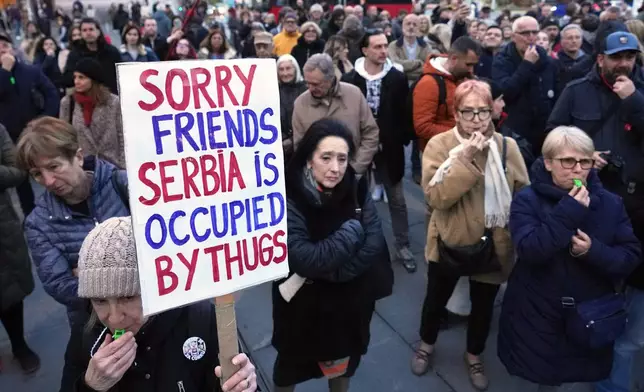
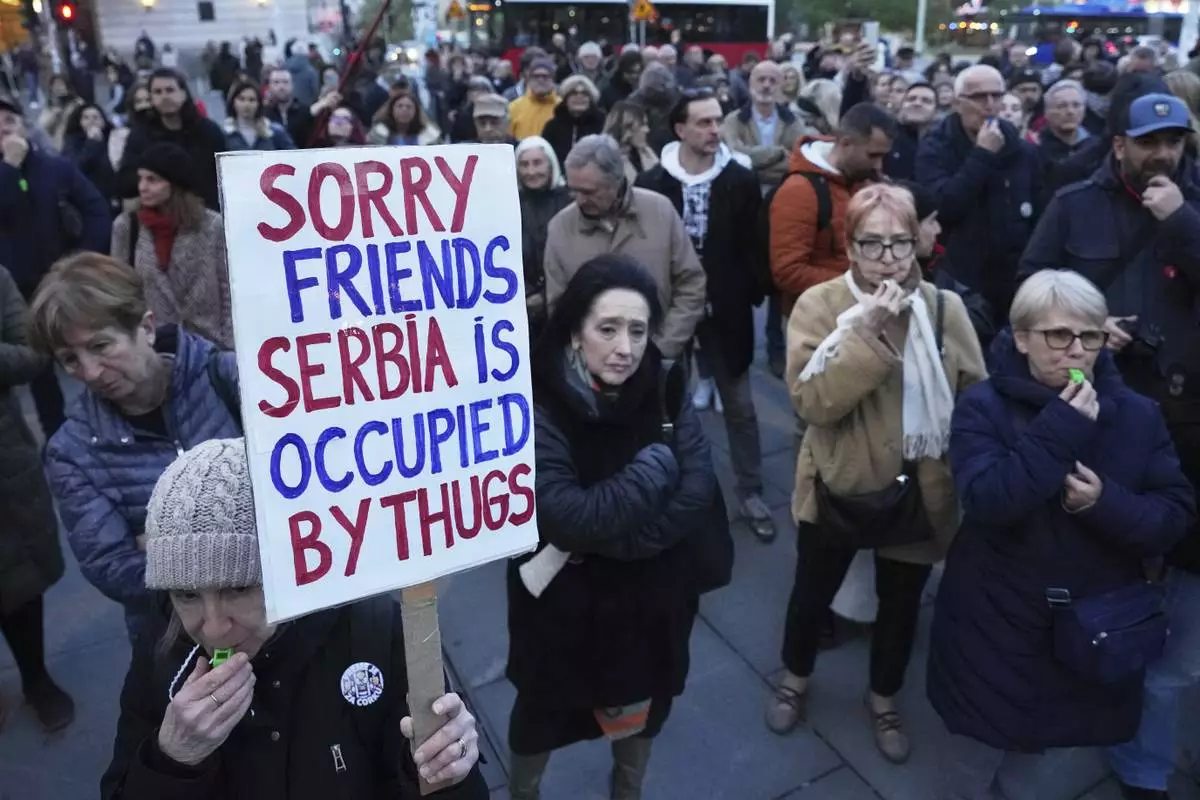
People protest the government's expulsion and entry bans on foreign citizens, for alleged security risks to the Balkan country, in Belgrade, Serbia, Thursday, April 10, 2025. (AP Photo/Darko Vojinovic)
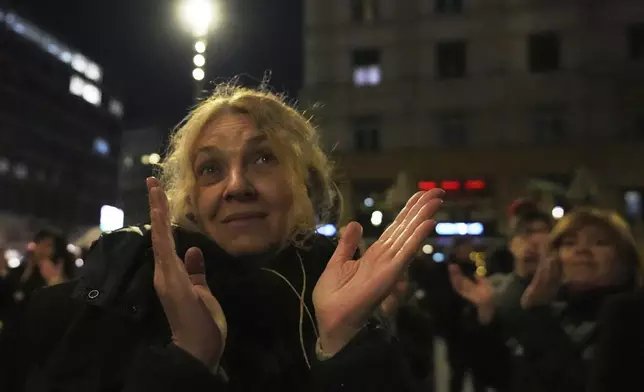
People attend a protest denouncing the expulsion and entry bans of dozens of foreign citizens recently due to alleged security risks for the Balkan country, in Belgrade, Serbia, Thursday, April 10, 2025. (AP Photo/Darko Vojinovic)
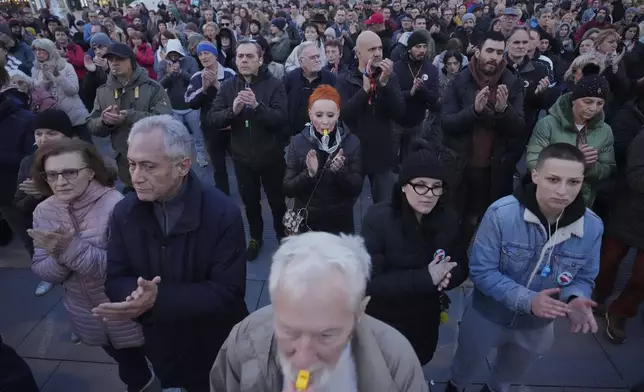
People attend a protest denouncing the expulsion and entry bans of dozens of foreign citizens recently due to alleged security risks for the Balkan country, in Belgrade, Serbia, Thursday, April 10, 2025. (AP Photo/Darko Vojinovic)
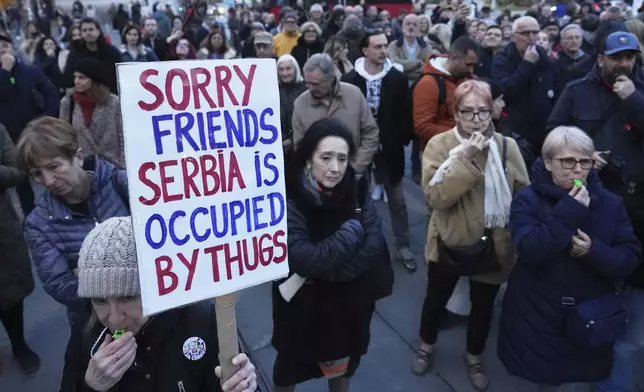
People attend a protest denouncing the expulsion and entry bans of dozens of foreign citizens recently due to alleged security risks for the Balkan country, in Belgrade, Serbia, Thursday, April 10, 2025. (AP Photo/Darko Vojinovic)
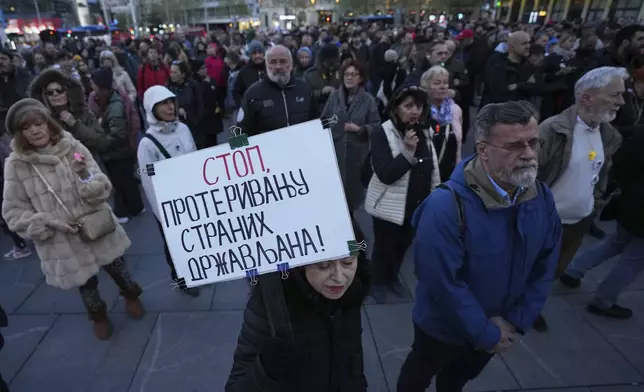
A woman holds a banner reads: "Stop, expulsion of foreign citizens!" during a protest denouncing the expulsion and entry bans of dozens of foreign citizens recently due to alleged security risks for the Balkan country, in Belgrade, Serbia, Thursday, April 10, 2025. (AP Photo/Darko Vojinovic)
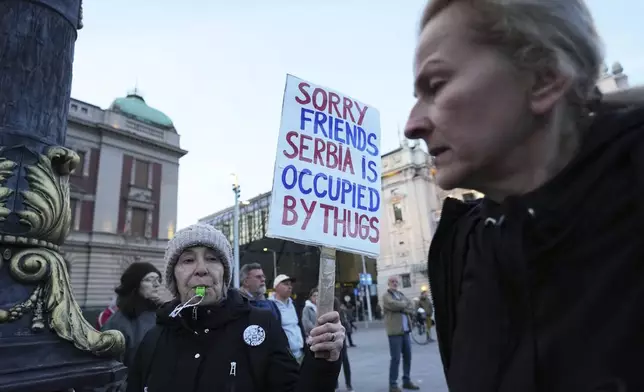
People attend a protest denouncing the expulsion and entry bans of dozens of foreign citizens recently due to alleged security risks for the Balkan country, in Belgrade, Serbia, Thursday, April 10, 2025. (AP Photo/Darko Vojinovic)
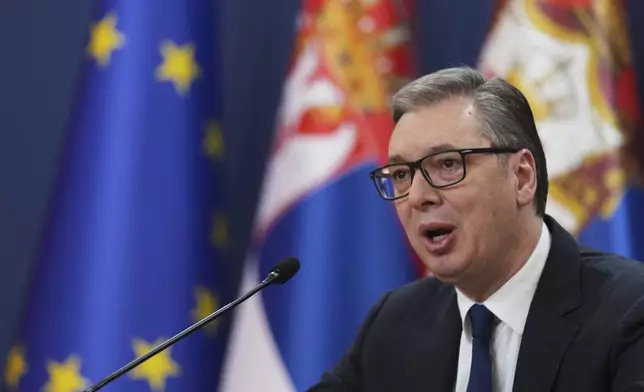
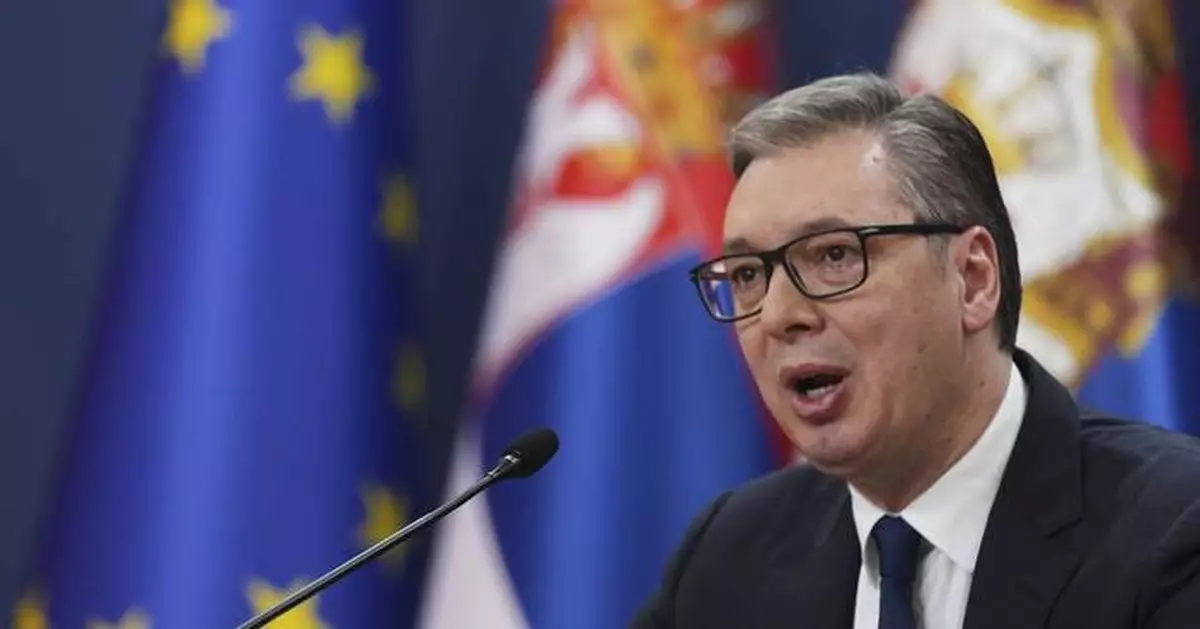
Serbian President Aleksandar Vucic speaks during a public address and announces the name of the representative for the composition of the new government in Belgrade, Serbia, Sunday, April 6, 2025. (AP Photo/Darko Vojinovic)
Croatia has sent a protest note to Belgrade and informed the European Union about the expulsions, Prime Minister Andrej Plenkovic said in Croatia's capital, Zagreb, adding that Serbia's moves are “unacceptable.”
“We are demanding an explanation from the Serbian authorities,” Plenkovic said at a government session. “Croatia condemns such behavior.”
There was no immediate response from Belgrade while a protest rally against the expulsions of Croatian and other foreign citizens critical of Vucic and the Serbian government was held Thursday in Belgrade.
Speakers at the rally said they will not allow Serbia to become a country of "fear and repression."
Vucic's increasingly authoritarian government has stepped up pressure on critics and independent media while struggling to quell monthslong anti-corruption protests triggered by a canopy collapse in the country's north that killed 16 people on Nov. 1.
Vucic and his allies have said that unidentified Western intelligence services were behind the student-led protests with the aim to unseat him from power by staging a so-called “color revolution.”
Vucic’s right-wing allies, Hungarian and Slovak Prime Ministers Viktor Orbán and Robert Fico, sent messages of support on Thursday for the beleaguered Serbian leader ahead of a big counter-opposition protest rally he planned to stage in Belgrade over the weekend.
Orbán said in a video message from Budapest that “Serbian patriots can count on Hungarian patriots.”
"We have been watching developments in Serbia for months now. Foreign powers are trying to interfere in the lives of the Serbs. That is happening here, too. Foreign powers are trying to tell the Serbs how to live. They are doing that here, too,” he said.
Serbian police have detained and questioned several university students, government critics and even professors while media watchdog groups have warned of attacks and threats against journalists covering the protests.
Arien Ivkovic Stojanovic, a Croatian who has lived in Serbia for 12 years and is married to a Serbian citizen, thinks that her online posts critical of Vucic could be the reason why she has been ordered to leave the country.
Ivkovic Stojanovic told The Associated Press in a phone interview that police handed her a notice saying she posed a grave security risk but didn't explain why.
“At first I started laughing," she said. "I just live a normal life, I have never even had a parking ticket."
Previous cases of expulsions of foreigners from Serbia included Russians who had criticized Russian President Vladimir Putin and his invasion of Ukraine.
Entry bans also have been slapped on regional artists and pro-democracy activists. In January, Serbia expelled 13 citizens of Croatia, Romania and Austria who were taking part in a civil society workshop in Belgrade.
TV crews from neighboring Croatia and Slovenia have been stopped on the border from entering Serbia in March to cover a large anti-government protest.
Ivkovic Stojanovic appealed her order to leave Serbia within seven days, which would split her family and separate their 3-year-old daughter from her father. The 31-year-old doctor believes she was targeted because of a post supporting the student protests.
Vucic is a former extreme nationalist who now says he wants Serbia to join the EU but has faced accusations of stifling democratic freedoms while maintaining close relations with Russia and China.
—-
Associated Press writer Dusan Stojanovic contributed to this report.
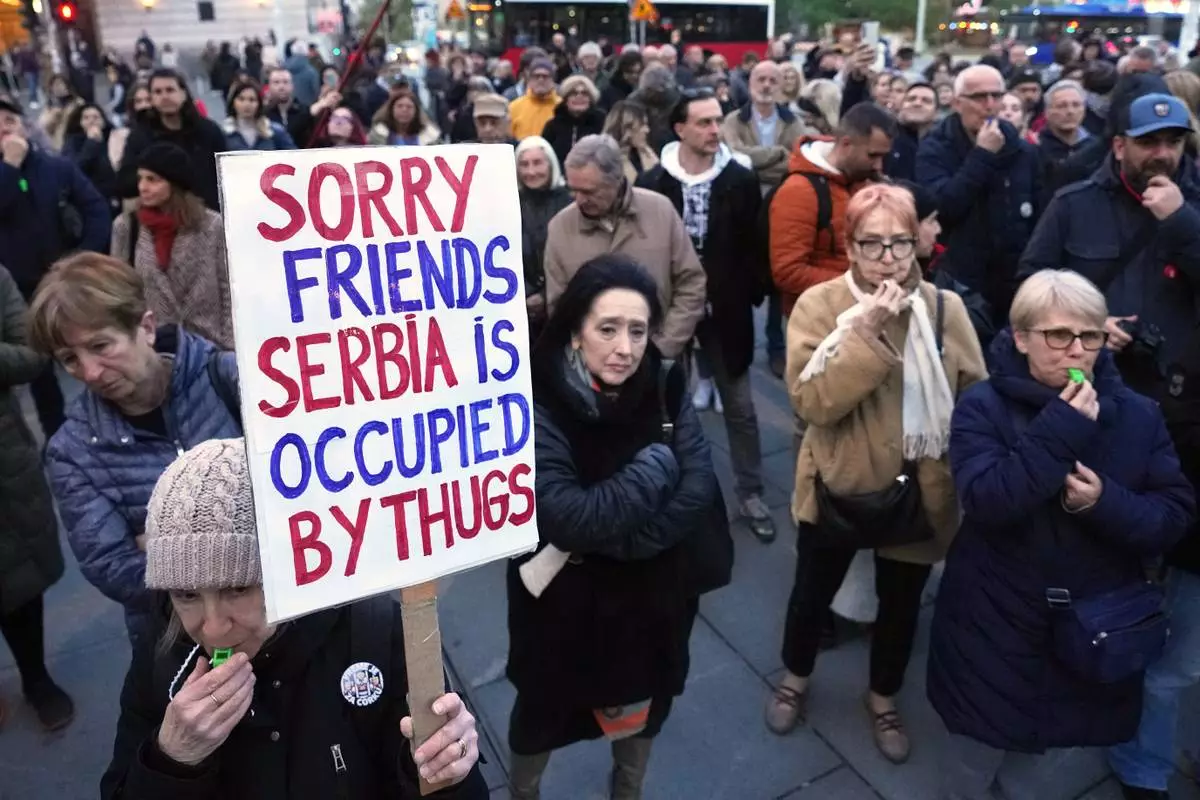
People protest the government's expulsion and entry bans on foreign citizens, for alleged security risks to the Balkan country, in Belgrade, Serbia, Thursday, April 10, 2025. (AP Photo/Darko Vojinovic)
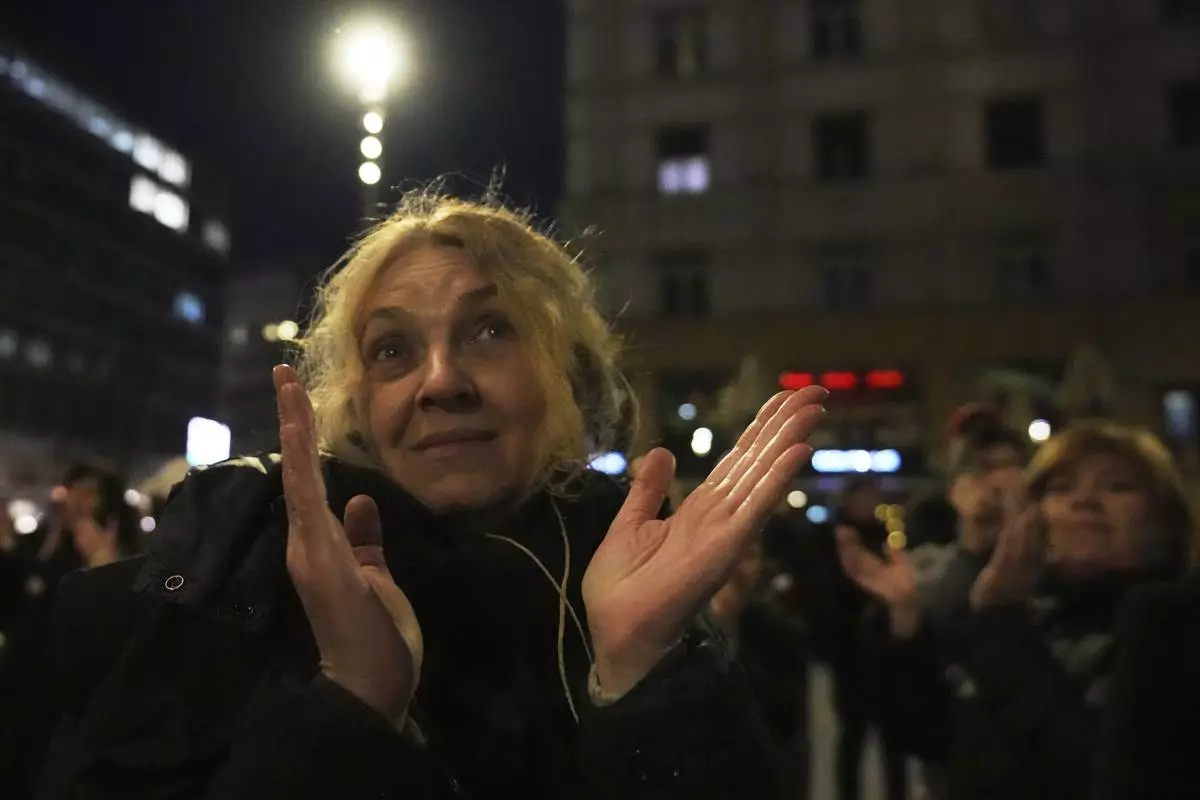
People attend a protest denouncing the expulsion and entry bans of dozens of foreign citizens recently due to alleged security risks for the Balkan country, in Belgrade, Serbia, Thursday, April 10, 2025. (AP Photo/Darko Vojinovic)
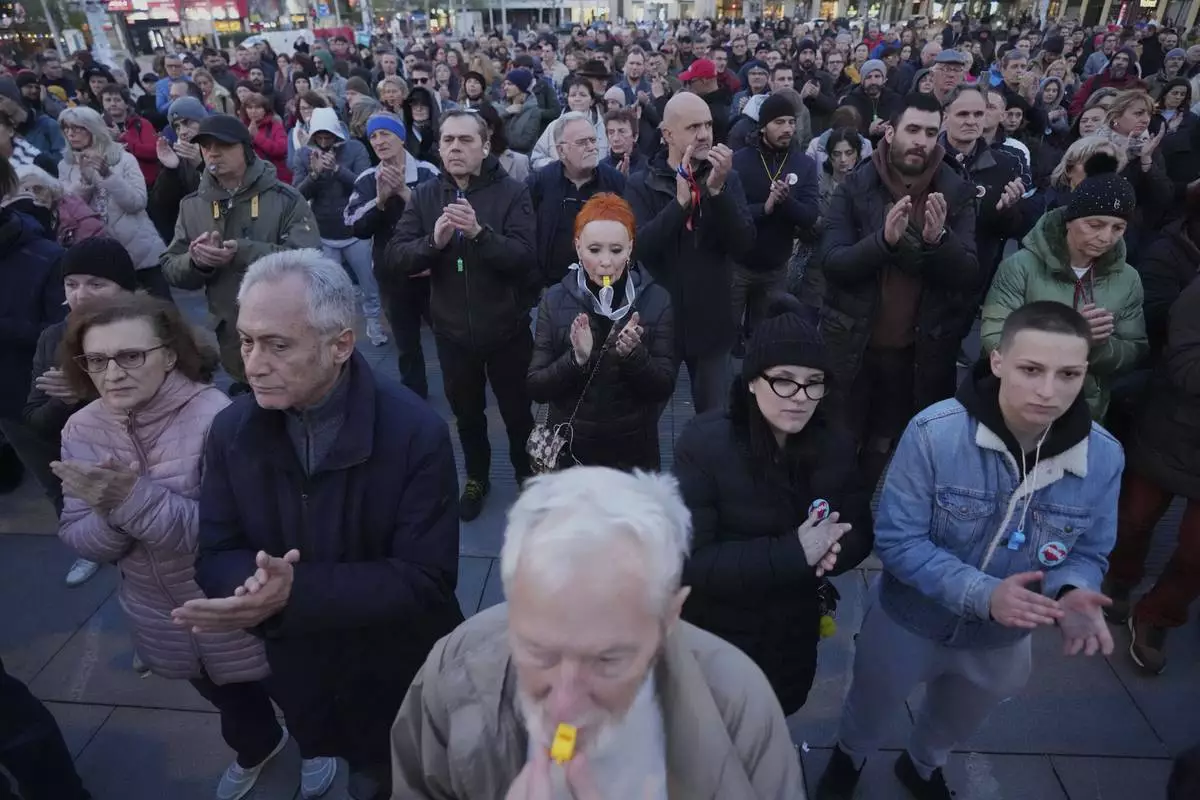
People attend a protest denouncing the expulsion and entry bans of dozens of foreign citizens recently due to alleged security risks for the Balkan country, in Belgrade, Serbia, Thursday, April 10, 2025. (AP Photo/Darko Vojinovic)
People attend a protest denouncing the expulsion and entry bans of dozens of foreign citizens recently due to alleged security risks for the Balkan country, in Belgrade, Serbia, Thursday, April 10, 2025. (AP Photo/Darko Vojinovic)
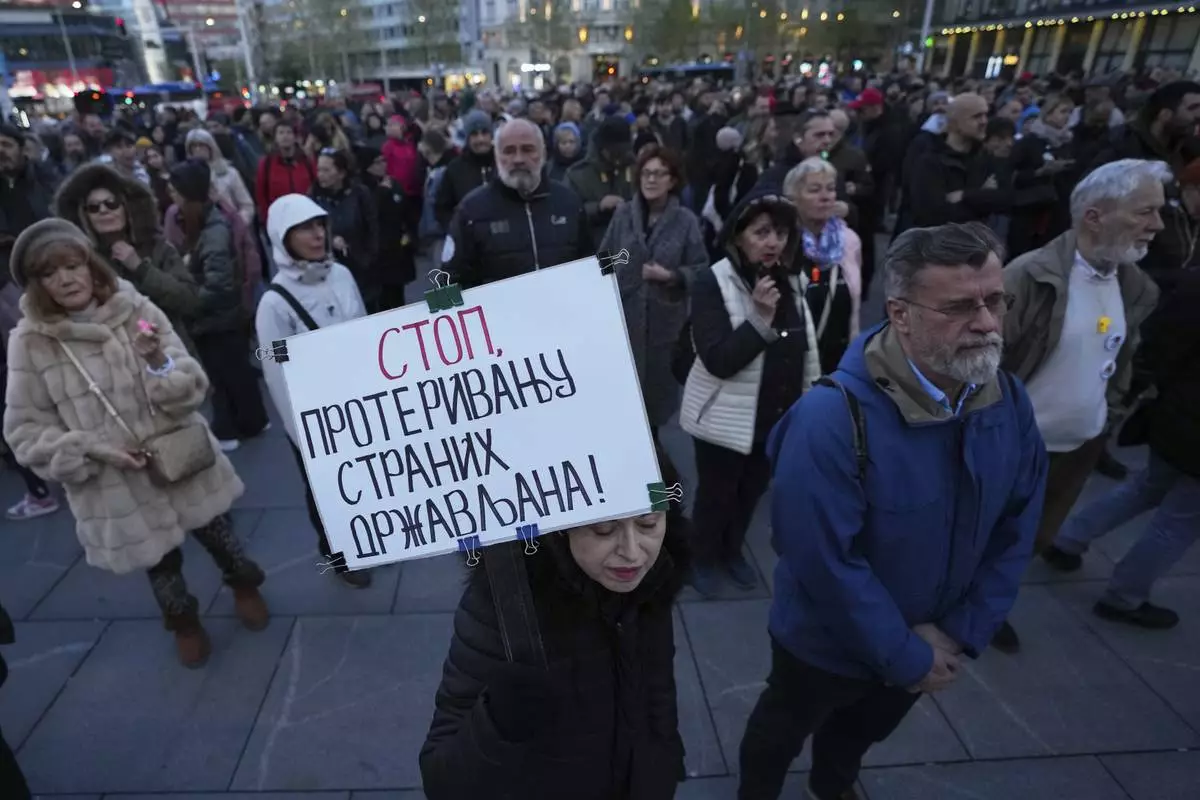
A woman holds a banner reads: "Stop, expulsion of foreign citizens!" during a protest denouncing the expulsion and entry bans of dozens of foreign citizens recently due to alleged security risks for the Balkan country, in Belgrade, Serbia, Thursday, April 10, 2025. (AP Photo/Darko Vojinovic)
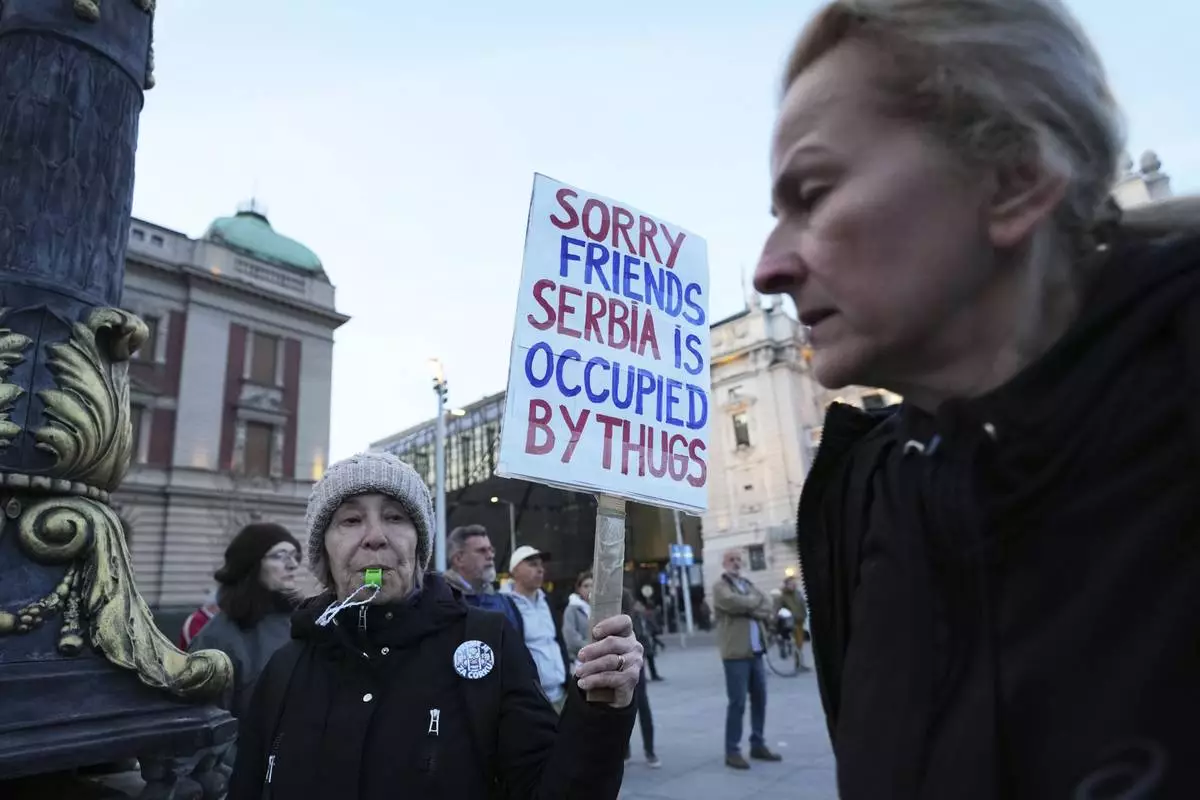
People attend a protest denouncing the expulsion and entry bans of dozens of foreign citizens recently due to alleged security risks for the Balkan country, in Belgrade, Serbia, Thursday, April 10, 2025. (AP Photo/Darko Vojinovic)
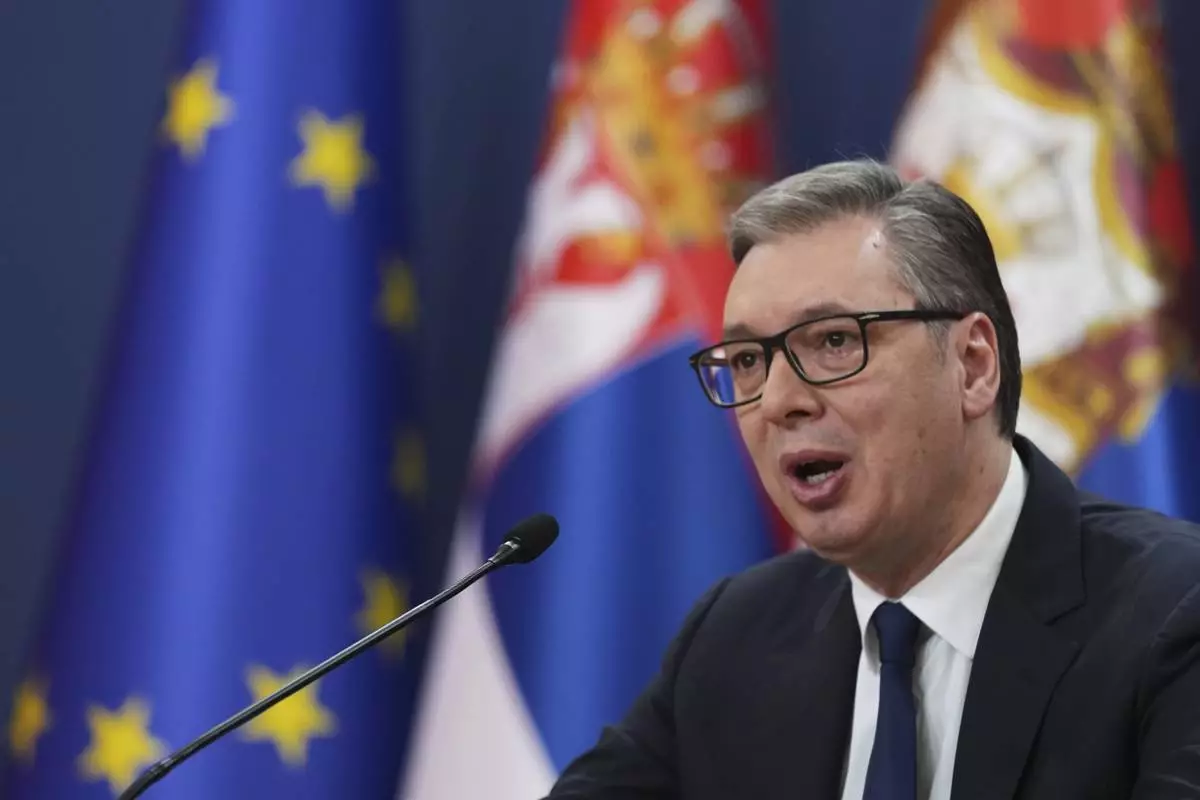
Serbian President Aleksandar Vucic speaks during a public address and announces the name of the representative for the composition of the new government in Belgrade, Serbia, Sunday, April 6, 2025. (AP Photo/Darko Vojinovic)