WASHINGTON (AP) — The nation's top health agency will undertake a “massive testing and research effort” to determine the cause of autism, Health and Human Services Secretary Robert F. Kennedy Jr. announced.
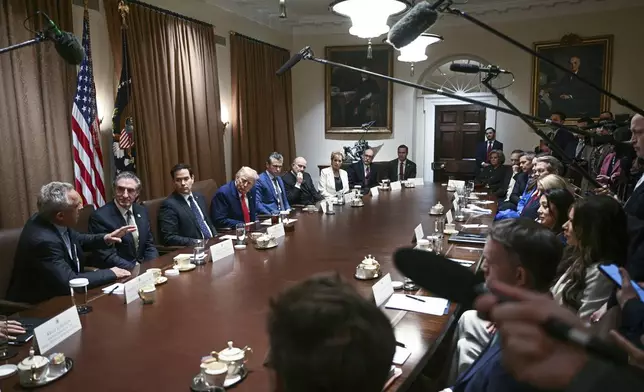
Kennedy, a longtime vaccine critic who has pushed a discredited theory that routine childhood shots cause the developmental disability, said Thursday that the effort will be completed by September and involve hundreds of scientists. He shared the plans with President Donald Trump during a televised Cabinet meeting.
Click to Gallery
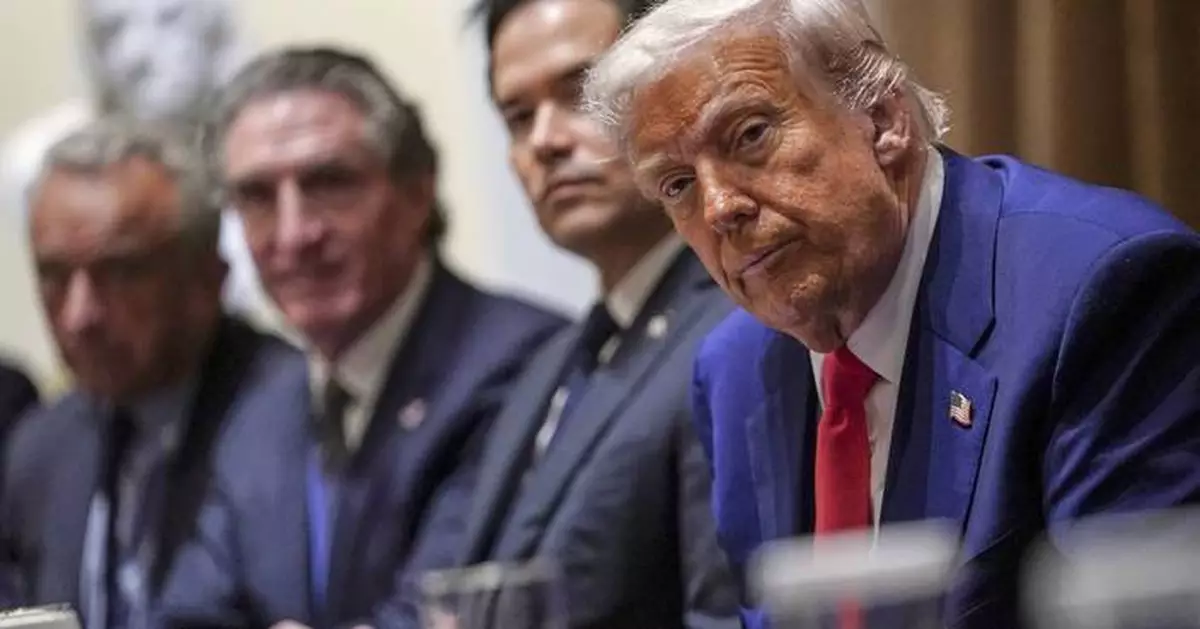
Health and Human Services Secretary Robert F. Kennedy Jr., from left, speaks as Interior Secretary Doug Burgum, Secretary of State Marco Rubio, President Donald Trump, Defense Secretary Pete Hegseth, Commerce Secretary Howard Lutnick Secretary of Education Linda McMahon, Director of the Office of Management and Budget Russell Vought and White House National Security Adviser Mike Waltz listen during a cabinet meeting in the Cabinet Room of the White House, Thursday, April 10, 2025, in Washington. (Pool via AP)
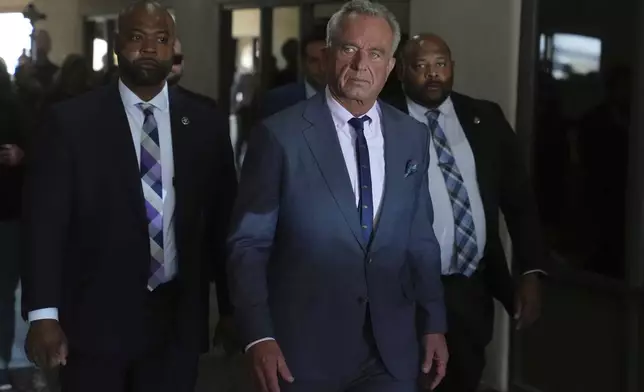
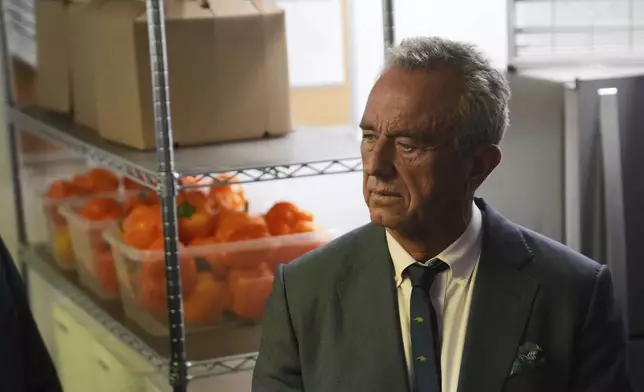
U.S. Health Secretary Robert F. Kennedy Jr. tours the Native Health Mesa Food Distribution Center in Mesa, Ariz., Tuesday, April 8, 2025. (AP Photo/Ross D. Franklin)
U.S. Health Secretary Robert F. Kennedy Jr. tours the Native Health Mesa Food Distribution Center in Mesa, Ariz., Tuesday, April 8, 2025. (AP Photo/Ross D. Franklin)
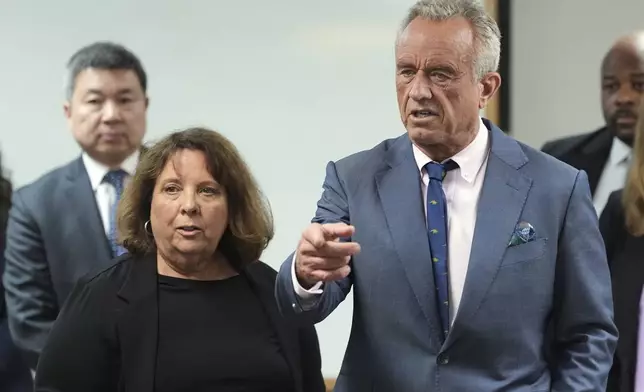
U.S. Health Secretary Robert F. Kennedy Jr., right, is accompanied by Susan Levy, Native Health Communications and Community Relations director, during a tour of the Native Health Mesa Food Distribution Center, in Mesa, Ariz., Tuesday, April 8, 2025. (AP Photo/Ross D. Franklin)
Health and Human Services Secretary Robert F. Kennedy Jr., from left, speaks as Interior Secretary Doug Burgum, Secretary of State Marco Rubio, President Donald Trump, Defense Secretary Pete Hegseth, Commerce Secretary Howard Lutnick Secretary of Education Linda McMahon, Director of the Office of Management and Budget Russell Vought and White House National Security Adviser Mike Waltz listen during a cabinet meeting in the Cabinet Room of the White House, Thursday, April 10, 2025, in Washington. (Pool via AP)
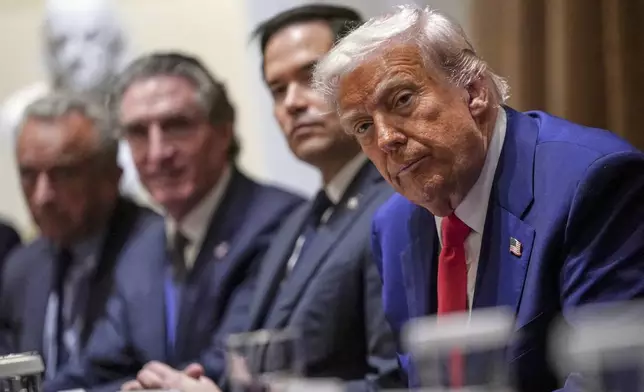
President Donald Trump, from right, Secretary of State Marco Rubio, Interior Secretary Doug Burgum and Health and Human Services Secretary Robert F. Kennedy, Jr., attend a cabinet meeting at the White House in Washington, D.C., U.S., April 10, 2025. REUTERS/Nathan Howard
Trump suggested that vaccines could be to blame for autism rates, although decades of research have concluded there is no link between the two.
“There's got to be something artificial out there that's doing this,” Trump told Kennedy. “If you can come up with that answer, where you stop taking something, eating something, or maybe it's a shot. But something's causing it."
Autism is a developmental disability caused by differences in the brain. It presents with a wide range of symptoms that can include delays in language, learning, and social or emotional skills.
There’s scientific consensus that childhood vaccines don’t cause autism. Leading autism advocacy groups, including Autism Speaks, agree.
Research, including studies of twins, shows genes play a large role. No single environmental factor has been deemed a culprit. The National Institutes of Health, which already spends more than $300 million yearly researching autism, lists some possible risk factors such as prenatal exposure to pesticides or air pollution, extreme prematurity or low birth weight, certain maternal health problems or parents conceiving at an older age.
Kennedy has offered no details on how his study will be different or what researchers will be involved. Leading autism organizations, such as the Autism Society of America, have not been included in discussions about the research, said ASA spokeswoman Kristyn Roth.
Roth said many agree that more research is needed to determine what causes autism, but Kennedy’s approach has raised alarms.
"There is a deep concern that we are going backward and evaluating debunked theories,” Roth said.
Trump and Kennedy have both expressed concerns about rising autism diagnoses rates.
Some of that increase is due to increased awareness and a change in how the disability is diagnosed. For decades, the diagnosis was given only to kids with severe problems communicating or socializing and those with unusual, repetitive behaviors. But around 30 years ago, the term became shorthand for a group of milder, related conditions known as ″autism spectrum disorders.” Milder autism cases are far more common than severe ones.
With improved screening and autism services, diagnosis is increasingly happening at younger ages, too. And there’s been more awareness and advocacy for Black and Hispanic families, leading to an increase in autism diagnosed among those groups.
Still, anti-vaccine advocates, including Kennedy, have claimed that vaccines are to blame. The theory largely stems from a 1998 paper that was later retracted.
Scientists have since ruled out a link between vaccines and autism, finding no evidence of increased rates of autism among those who are vaccinated compared to those who are not.
Kennedy has hired David Geier, a man who has repeatedly claimed a link between vaccines and autism, to lead the autism research effort. The hiring of Geier, who the state of Maryland found was practicing medicine on a child without a doctor's license, was first reported by The Washington Post.
HHS did not immediately response to a request for comment.
Associated Press writers Lauran Neergaard in Washington, D.C., and Carla K. Johnson in Seattle contributed.
The Associated Press Health and Science Department receives support from the Howard Hughes Medical Institute’s Science and Educational Media Group and the Robert Wood Johnson Foundation. The AP is solely responsible for all content.
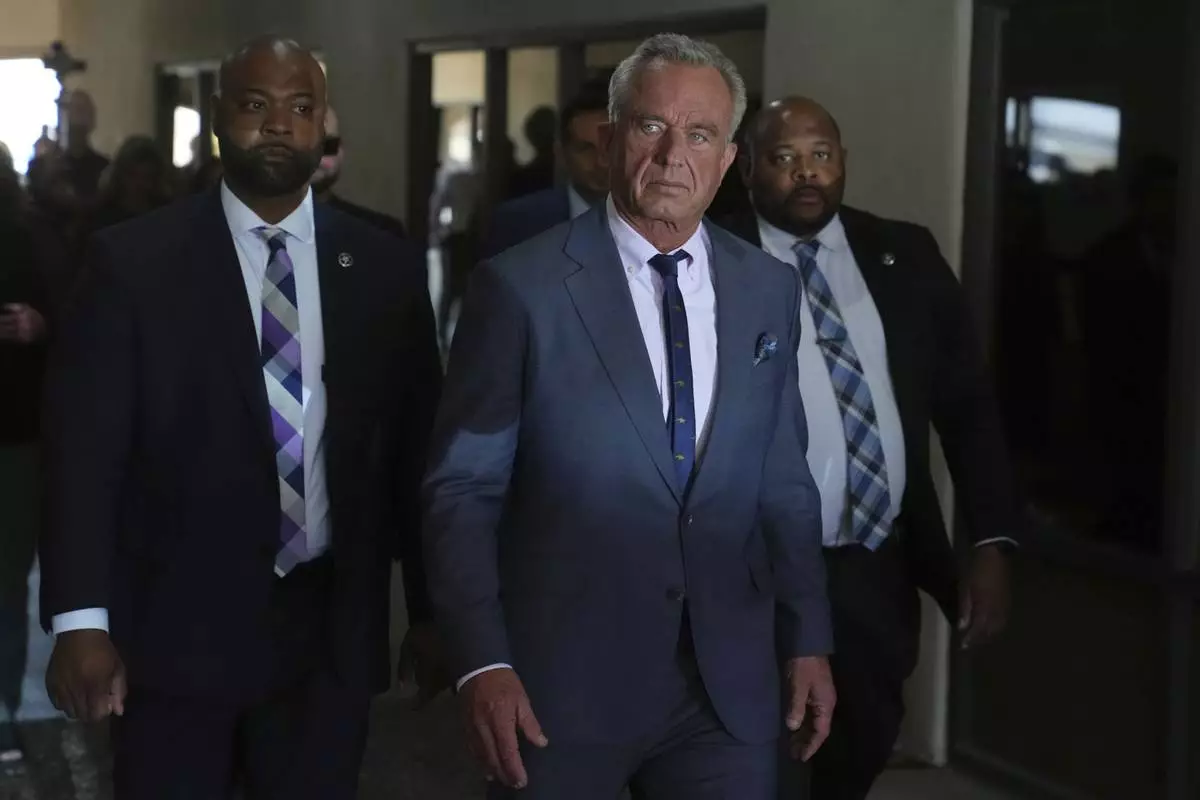
U.S. Health Secretary Robert F. Kennedy Jr. tours the Native Health Mesa Food Distribution Center in Mesa, Ariz., Tuesday, April 8, 2025. (AP Photo/Ross D. Franklin)
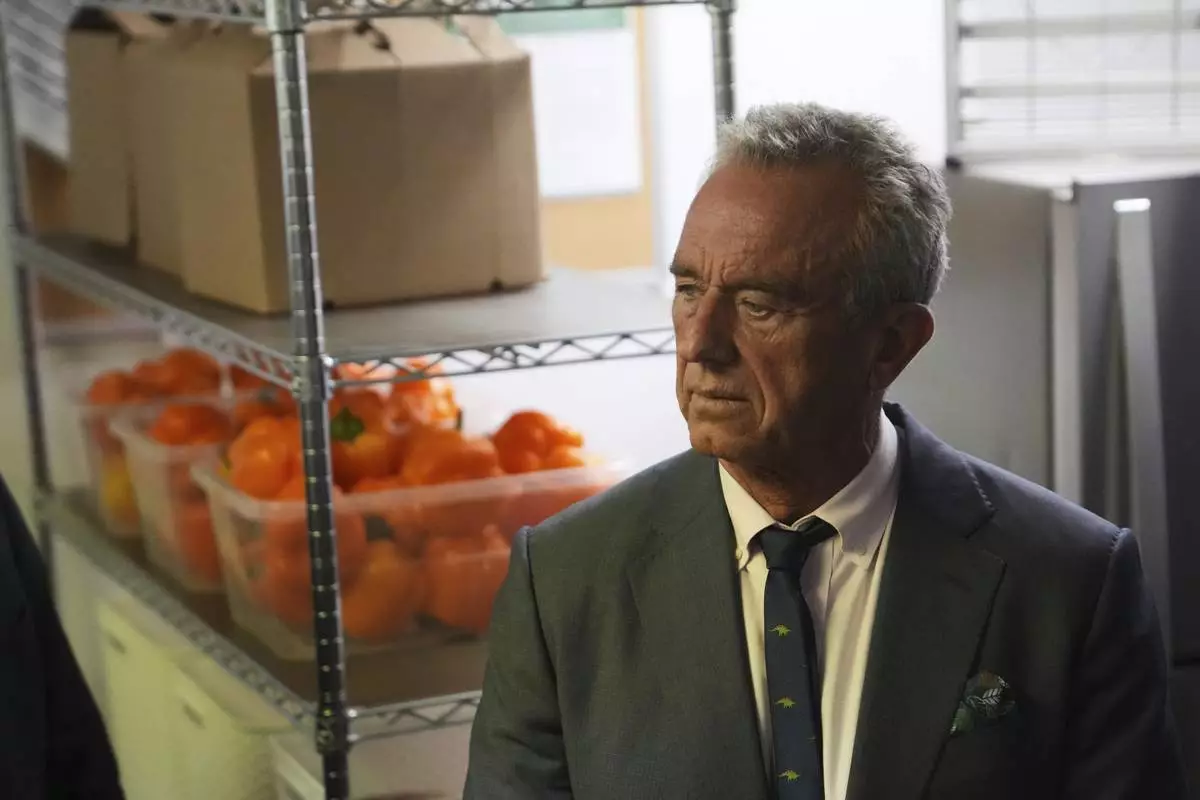
U.S. Health Secretary Robert F. Kennedy Jr. tours the Native Health Mesa Food Distribution Center in Mesa, Ariz., Tuesday, April 8, 2025. (AP Photo/Ross D. Franklin)
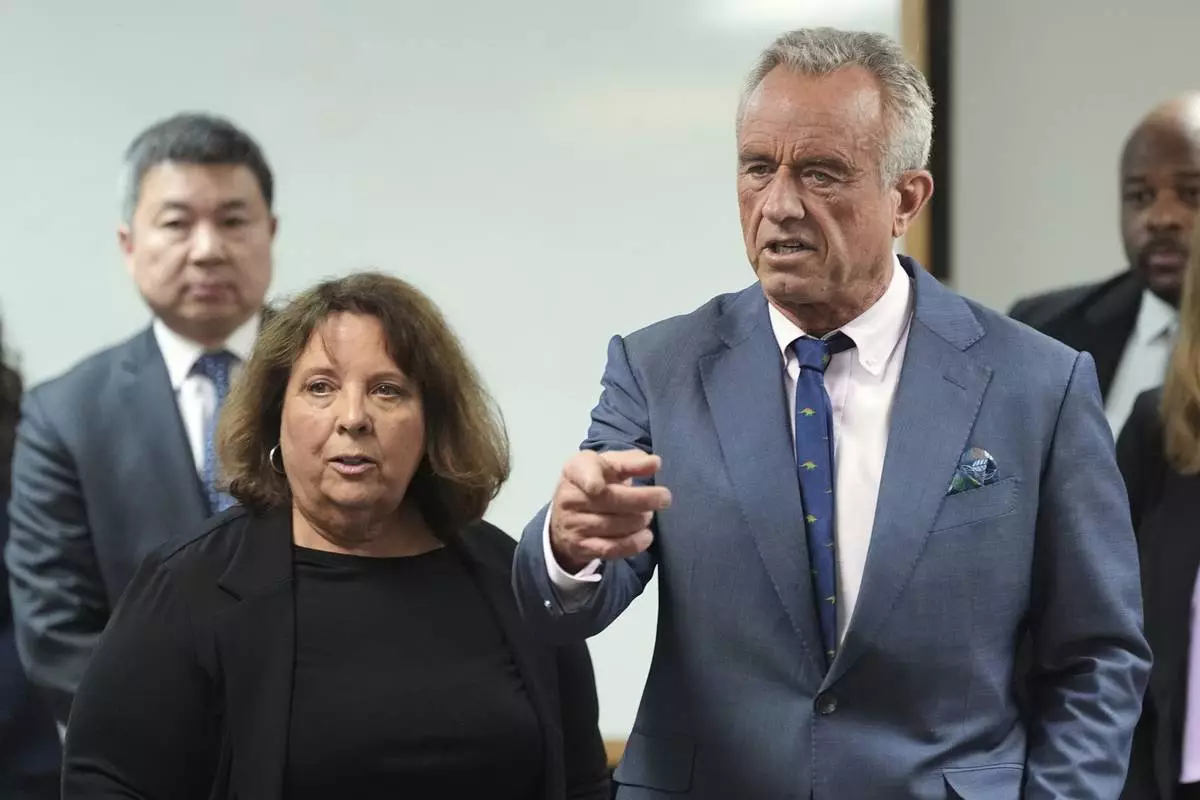
U.S. Health Secretary Robert F. Kennedy Jr., right, is accompanied by Susan Levy, Native Health Communications and Community Relations director, during a tour of the Native Health Mesa Food Distribution Center, in Mesa, Ariz., Tuesday, April 8, 2025. (AP Photo/Ross D. Franklin)
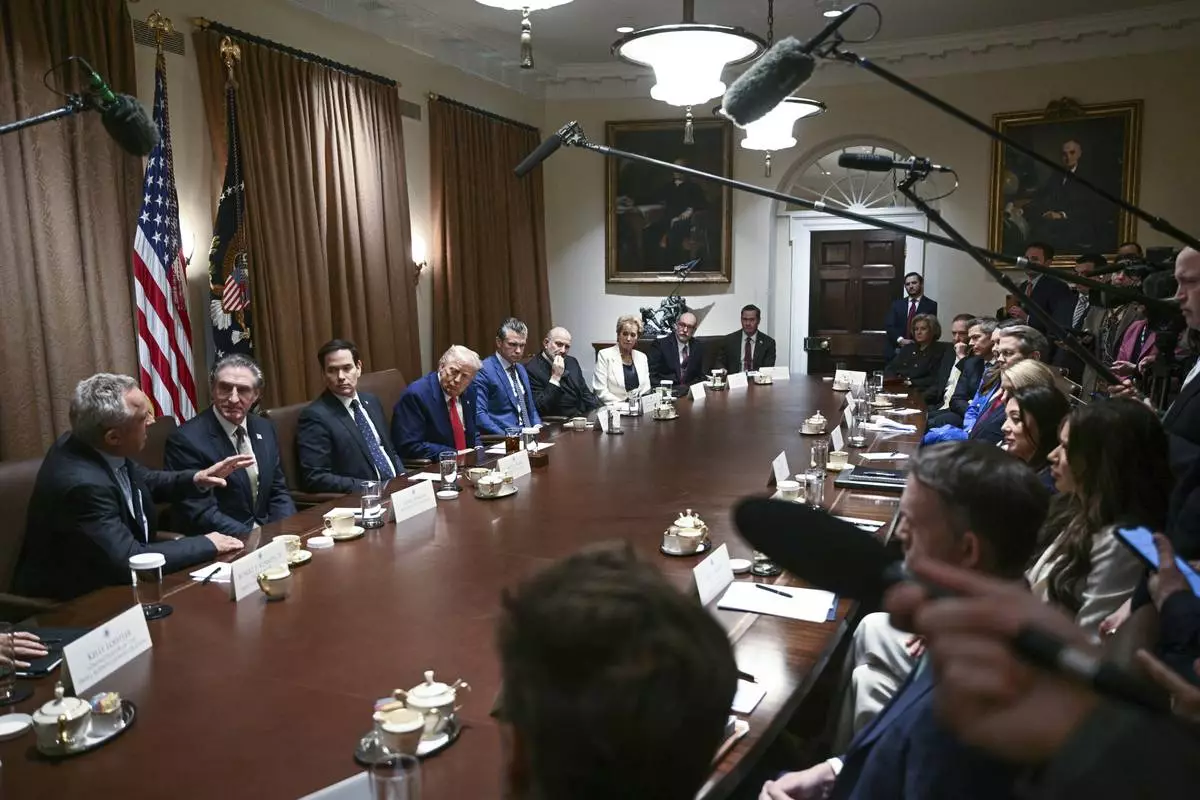
Health and Human Services Secretary Robert F. Kennedy Jr., from left, speaks as Interior Secretary Doug Burgum, Secretary of State Marco Rubio, President Donald Trump, Defense Secretary Pete Hegseth, Commerce Secretary Howard Lutnick Secretary of Education Linda McMahon, Director of the Office of Management and Budget Russell Vought and White House National Security Adviser Mike Waltz listen during a cabinet meeting in the Cabinet Room of the White House, Thursday, April 10, 2025, in Washington. (Pool via AP)
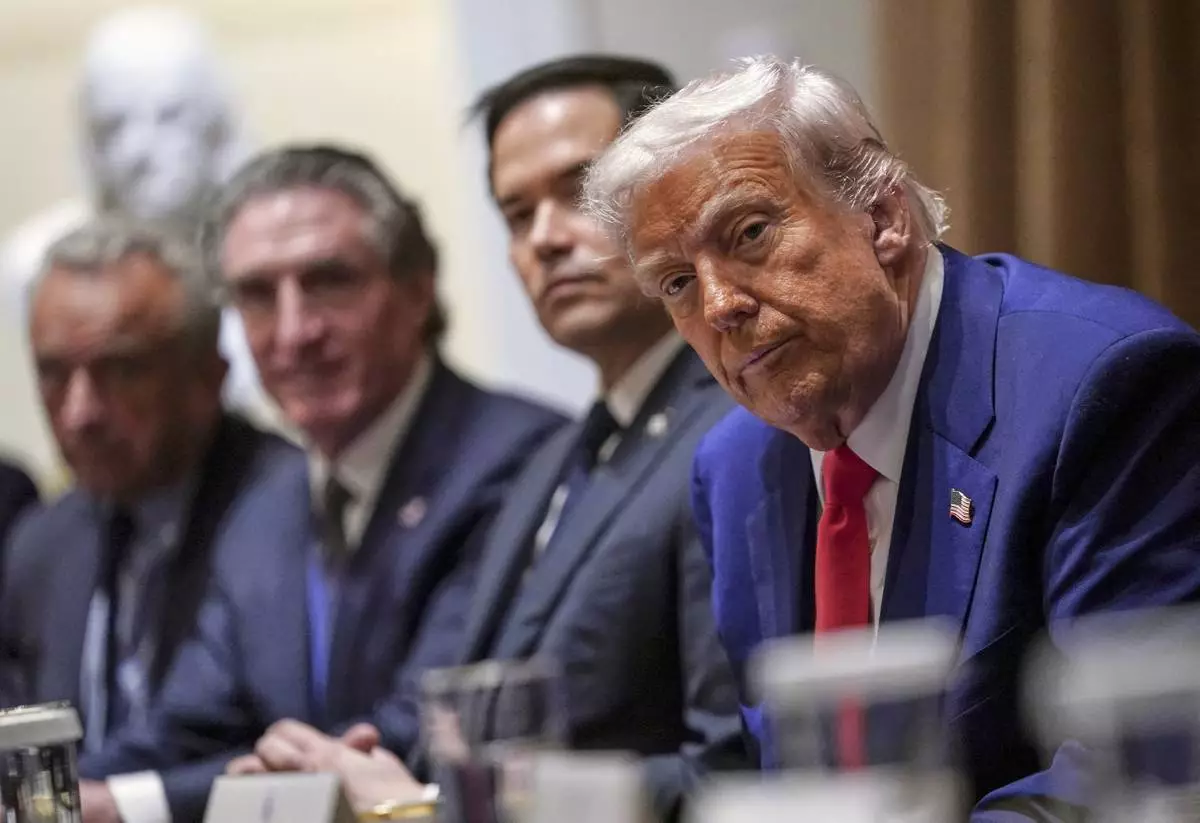
President Donald Trump, from right, Secretary of State Marco Rubio, Interior Secretary Doug Burgum and Health and Human Services Secretary Robert F. Kennedy, Jr., attend a cabinet meeting at the White House in Washington, D.C., U.S., April 10, 2025. REUTERS/Nathan Howard
A Trump administration task force has alleged wide-ranging discrimination against Christians during the tenure of former President Joe Biden, claiming in a new report they were targeted in areas such as education, tax law and prosecution of anti-abortion protesters.
Progressive groups criticized the report, saying it fails to document a pattern of discrimination, focuses on causes favored by conservative Christians and amounts to “advocacy dressed up as investigation.”
The Task Force to Eradicate Anti-Christian Bias, created within the Justice Department by President Donald Trump last year, issued its conclusions Thursday in a 200-page report.
“When Christian beliefs about morality and human nature conflicted with the Biden Administration’s views, religious rights often suffered," the report said.
The task force — which included numerous Cabinet secretaries — didn't accuse the Biden administration of any large pattern of suppressing churches themselves or the right to worship. But the report did accuse it of taking a hard line against those who advocated for conservative policies on the basis of their faith in such areas as abortion, gender, school curriculum and vaccine exemptions.
“The Biden Administration generally tolerated religious beliefs that were privately held but zealously pursued actions to limit Christians’ ability to act in accordance with their faith," it said.
Critics said the report essentially equates one strand of conservative Christianity to be representative of Christians overall, then construes policy disagreements to be persecution.
The report is “advocacy dressed up as investigation,” said Jim Simpson, executive director of the Center on Faith and Justice at Georgetown University.
He said the report falsely deems policy disagreements to be “evidence of anti-Christian bias rather than the normal functioning of a pluralistic democracy." He also said it falsely positions Christians — nearly two-thirds of Americans — as “a persecuted minority despite being the country’s largest and most politically influential religious group.”
The task force report contends that the Biden-era Justice Department sought severe penalties for anti-abortion activists who illegally blockaded clinics and took such protests more seriously than threats to pregnancy resource centers — often Christian-run facilities that seek to persuade women not to obtain abortions.
It cited a group of people convicted in federal court and sentenced to prison after invading and blockading a Washington abortion clinic. Trump pardoned them in 2025.
The report contended that the Biden administration “sidelined Christians in favor of their preferred constituencies.”
One section of the report accuses Biden of “replacing Easter" with Transgender Day of Visibility, which takes place every March 31. That event coincided with Easter on 2024. In fact, Biden issued proclamations honoring both occasions. The report accused Biden of “profound lack of consideration for the Christian faith.”
Christian groups have mixed views on LGBTQ+ issues, with some progressive churches flying Pride flags. Conservative denominations generally oppose same-sex marriage and transgender rights. The report chided the Biden administration for flying Pride flags at U.S. Embassies, including at the Vatican.
Melissa Rogers, who served as executive director of the White House Office of Faith-Based and Neighborhood Partnerships under Biden, contrasted Trump's Easter messaging this year with his predecessor's.
“President Biden spent Easter and Orthodox Easter wishing Christians worldwide joyful Resurrection Sundays, not by pretending to be Jesus, by tweeting profanities, and by attacking the pope,” she said.
She also noted that Biden is a devout Catholic, and that his administration's officials routinely met with Christian and other faith leaders to cooperate on a wide range of concerns, from the security of sanctuaries to immigration to supporting COVID-19 clinics.
The task force’s report criticized a Biden-era Justice Department memo that discussed possible efforts to prevent violence and threats targeting school boards. The discussions never led to federal action, and then-Attorney General Merrick Garland defended the effort, saying it was to curtail violence, not inhibit debates over policy.
The report did not directly say how it considered this anti-Christian bias, though many school board meetings in that time period did draw conservative Christians and other critics denouncing school policies and lessons on such topics as gender and race.
The report also criticized denials in federal agencies for Christians seeking exemptions from such things as COVID-19 vaccine mandates.
It criticized federal regulators that had told a Catholic hospital in Oklahoma to snuff its chapel candle, deemed a safety hazard because of the risk of combustion to patients with oxygen equipment. The hospital was allowed to keep the candle while putting up a barrier and a warning notice.
The report also cited what it said were disproportionately heavy fines imposed by Biden's Department of Education on two Christian universities — Grand Canyon University for allegedly deceiving thousands of students over program costs, and Liberty University for failures to comply with required disclosures of crime statistics. The Trump administration cleared Grand Canyon University of the charges and rescinded the fine.
Amanda Tyler, executive director of the Baptist Joint Committee for Religious Liberty, criticized the report for “cherry-picked anecdotes” that don't add up to a pattern of persecution.
“To the extent that the government ever did overreach or violate the law in any of these examples, the courts of law, not a partisan political report, provide the right venue to settle any legal disputes,” she said. “Focusing government resources on this narrow issue while ignoring or discounting the much more widespread instances of anti-religious discrimination against other faith groups in the U.S. further harms religious freedom for all.”
The report comes even as the Religious Liberty Commission, another entity created by Trump, prepares a report on its findings; its hearings featured many of the same grievances cited by the task force.
Associated Press religion coverage receives support through the AP’s collaboration with The Conversation US, with funding from Lilly Endowment Inc. The AP is solely responsible for this content.
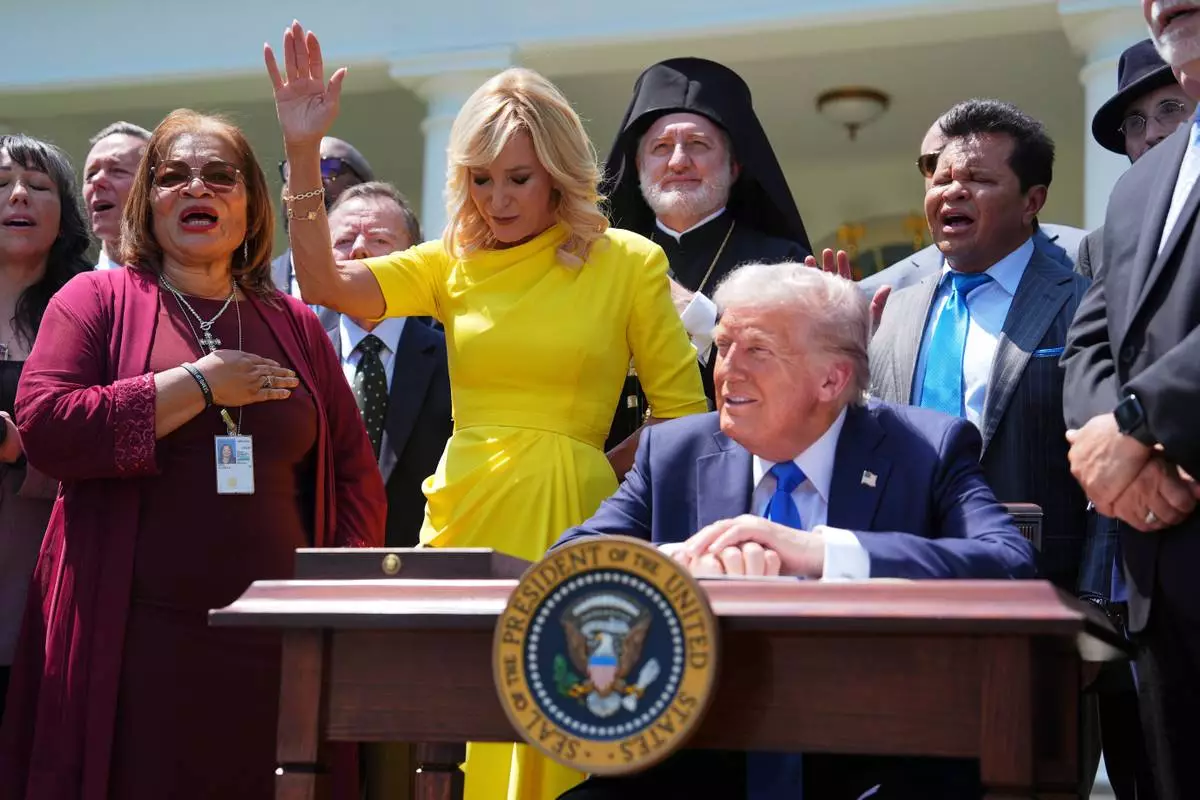
FILE - President Donald Trump sits at a desk as he and religious leaders listen to a musical performance before Trump signs an executive order during a National Day of Prayer event in the Rose Garden of the White House, May 1, 2025, in Washington. (AP Photo/Evan Vucci, File)
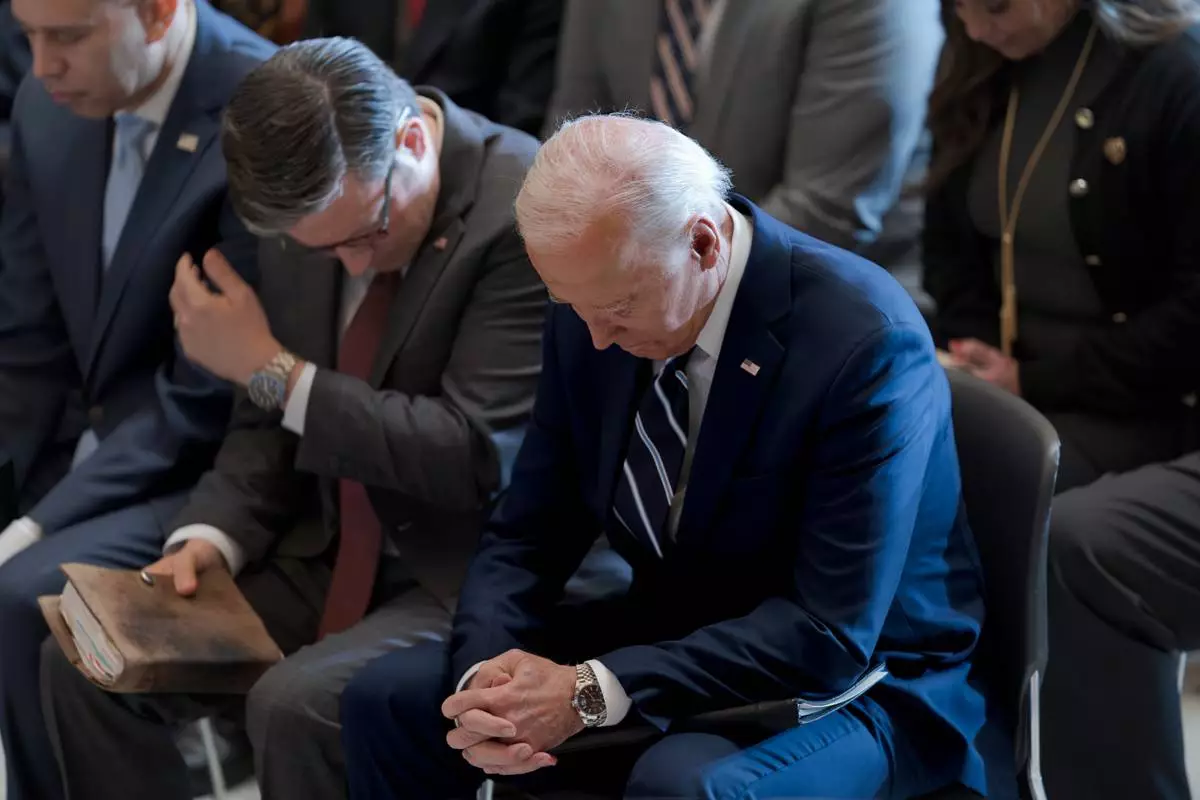
FILE- President Joe Biden, with from left, House Minority Leader Hakeem Jeffries, D-N.Y., and House Speaker Mike Johnson of La., pray and listen during the National Prayer Breakfast, Feb. 1, 2024, at the Capitol in Washington. (AP Photo/J. Scott Applewhite, File)
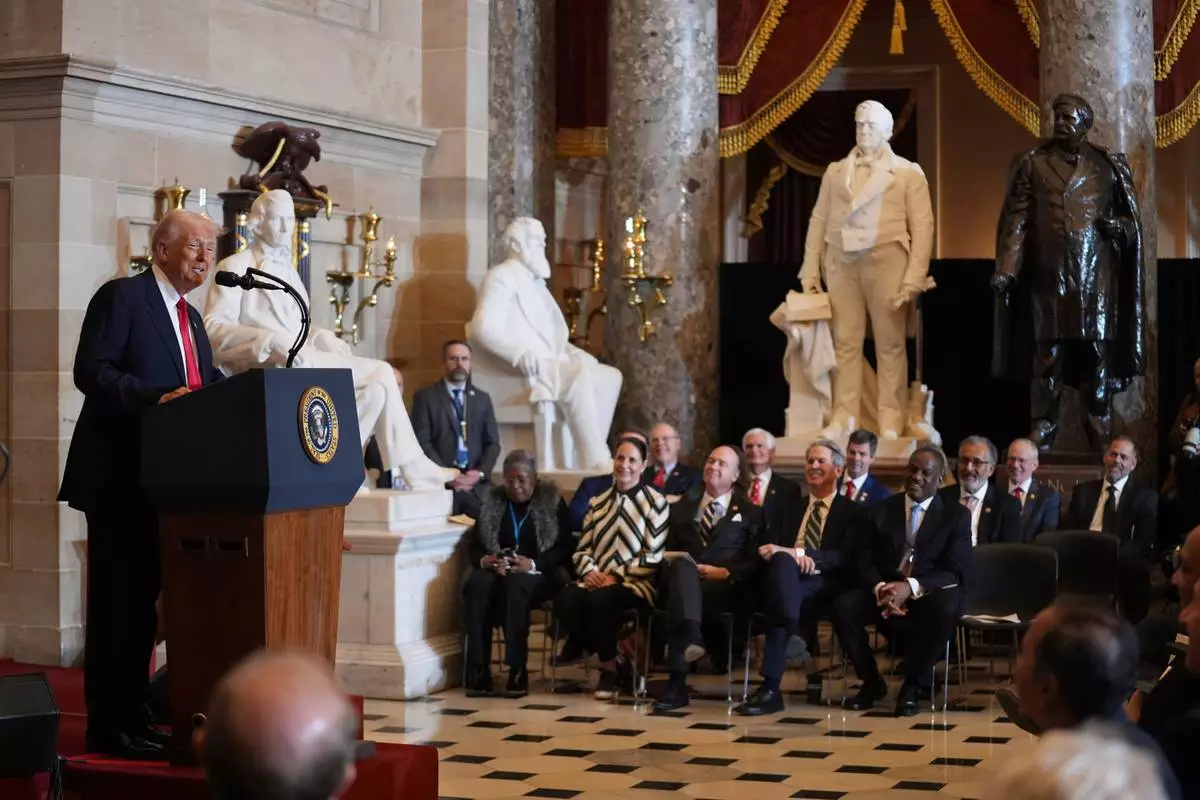
FILE - President Donald Trump speaks during the National Prayer Breakfast, at the Capitol in Washington, Feb. 6, 2025. (AP Photo/Evan Vucci, File)