China has retaliated against sweeping new U.S. tariffs and reopened talks with the European Union (EU) in a bid to ease global trade tensions.
U.S. President Donald Trump signed an executive order last Wednesday imposing a 10-percent "minimum baseline tariff" on all imports before unveiling higher rates on certain trading partners.
After several days of chaos on the global financial markets, Trump on Wednesday suddenly announced a 90-day pause of the higher tariff rates to all countries except China, to whom he declared he was raising the tariff rate to a staggering 125 percent.
The Chinese government on Wednesday announced that it will raise additional tariffs on products imported from the United States to 84 percent, add six U.S. firms to its unreliable entity list, and place 12 U.S. entities on its export control list.
The White House clarified on Thursday that the total effective tariff rate on Chinese imports had climbed to 145 percent, up from the 125 percent figure.
In a press briefing Thursday, China's Commerce Ministry spokeswoman He Yongqian reiterated the government's position, saying that while China remains open to talks, any talks must be based on mutual respect and conducted on an equal footing
She also outlined measures to help domestic businesses weather the storm, including improved market access, expanded distribution channels, and stronger fiscal support.
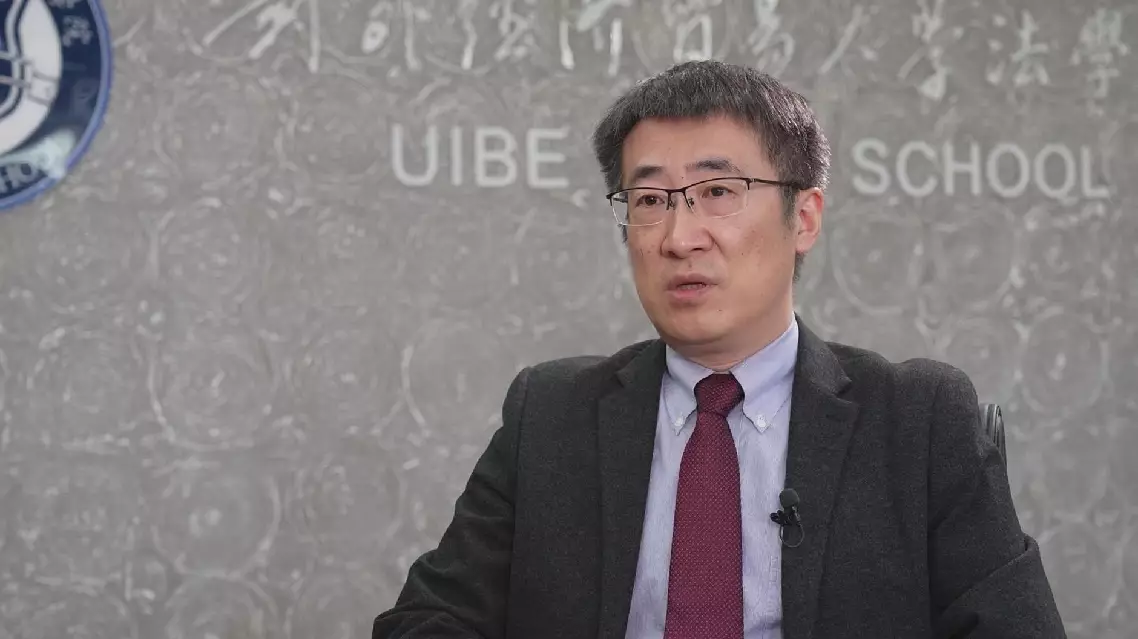
Meanwhile, China is looking to Europe for common ground. In a recent call with the EU trade chief, China's commerce minister called for closer cooperation to support global trade stability, an encouraging sign, according to Ji Wenhua, an international trade expert at the University of International Business and Economics in Beijing.
"Amid such drastic changes, preserving the existing international trade system cannot rely on China alone. China has already taken firm measures not only to counter the U.S., [but also to uphold the current global trade framework]," Ji said.
China strikes back at US tariffs, reaches out to EU