China's flower export value increased by 11.5 percent from January to February compared with the same period last year, according to China Flower Association, a figure that reflects the huge market's consistent effort to strengthen trade ties with other countries around the world.
The released figure showed a continuous growth of China's overseas flower trade, with the export value reaching 103 million U.S. dollars in the first two months this year and in 2024, the total import and export value of the country's flower reached 782 million U.S. dollars, marking a year-over-year growth of 10 percent.
The booming floral economy in China has increased its market's appeal to international florists, with the three-day 27th Hortiflorexpo IPM Shanghai just concluded Saturday in Shanghai gathering about 700 enterprises from nearly 30 countries and regions around the world.
The international exhibitors at the event, who are from countries like Netherlands, Germany, Japan, UK, and France, showcased colorful flowers along with the counterparts from various provinces in China.
Many of the overseas exhibitors said they attached great importance to the huge Chinese market, and they are also benefiting from the strengthened global flower trade.
"We are working in 60 countries around the world, but China is one of our biggest countries to export," said Indrik Valli, an overseas flower exhibitor.
"Of course, there are many people in China. We can be interested, I think," said Richard, an exhibitor from Netherlands.

China's flower export value posts double-digit surge in Jan-Feb
Russia said Sunday that its forces had hit Ukrainian military facilities, while Ukraine said on the same day that it shot down or neutralized 152 Russian drones and launched an attack on a Russian oil terminal.
In a daily report, the Russian Defense Ministry said that over the past 24 hours, the Russian forces struck Ukrainian transport infrastructure, depots for military-technical supplies, and facilities for drone assembly, storage and launch.
The ministry also said that the Russian forces conducted a precision strike on a large dry-cargo ship and destroyed an enemy uncrewed vessel in the Black Sea.
Meanwhile, St. Petersburg Governor Alexander Beglov said the city had been hit by a large-scale drone attack, leaving one person dead and five others injured.
The Ukrainian Air Force said it had shot down or neutralized 152 Russian drones between 18:00 Saturday and 08:00 Sunday. Ukrainian defense firm Fire Point also reported that Ukrainian forces had used drones to strike an oil terminal, an oil depot and a data center in St. Petersburg. Fires broke out at the oil depot and the terminal, while the data center sustained severe damage.
Meanwhile, Ukrainian President Volodymyr Zelenskyy said Russian forces had attacked electrical substations in several regions, including Vinnytsia and Zhytomyr, on Saturday night.
Zelenskyy also said he held a phone call with U.S. special envoys Steve Witkoff and Jared Kushner to discuss the outcomes of a meeting between Ukrainian and U.S. representatives held on Oct. 9 in Florida, as well as next steps.
He said the two sides had also discussed the possible provision of Patriot air defense systems to Ukraine. Zelenskyy added that the Russia-Ukraine conflict must end, emphasizing that the U.S. position is crucial to the process.
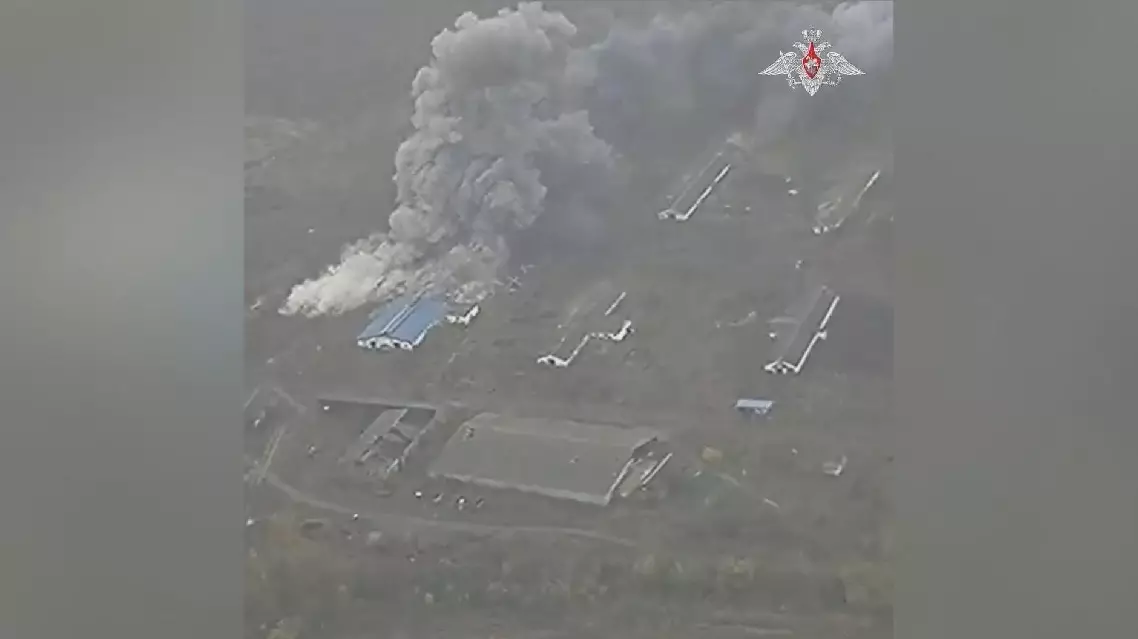
Russia reports strikes on Ukrainian facilities, Ukraine says it hit Russian oil terminal
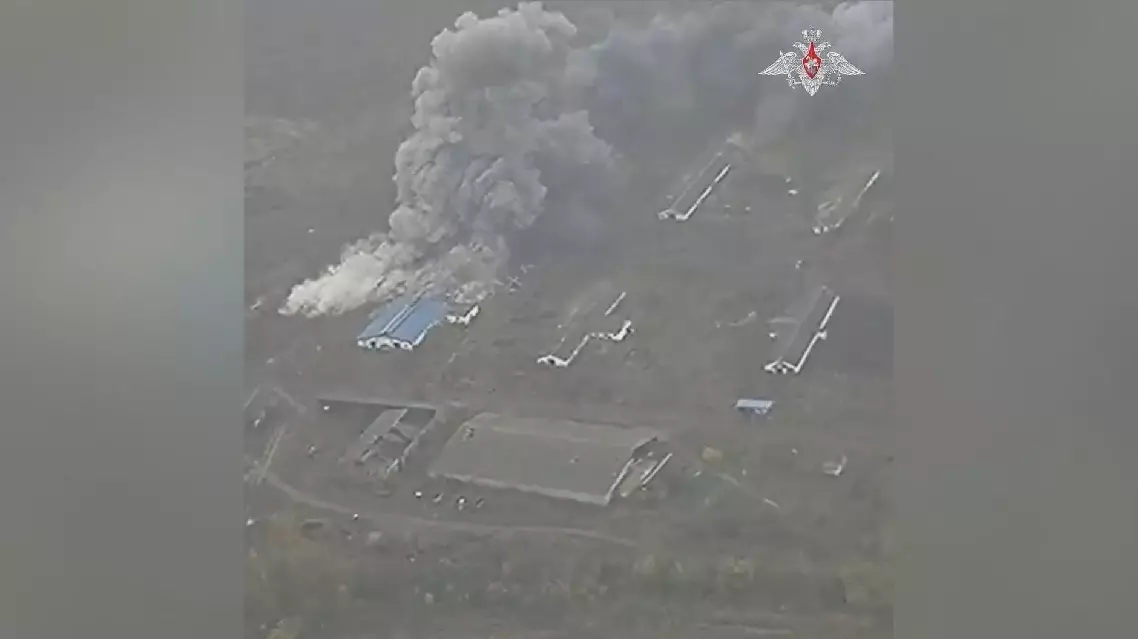
Russia reports strikes on Ukrainian facilities, Ukraine says it hit Russian oil terminal