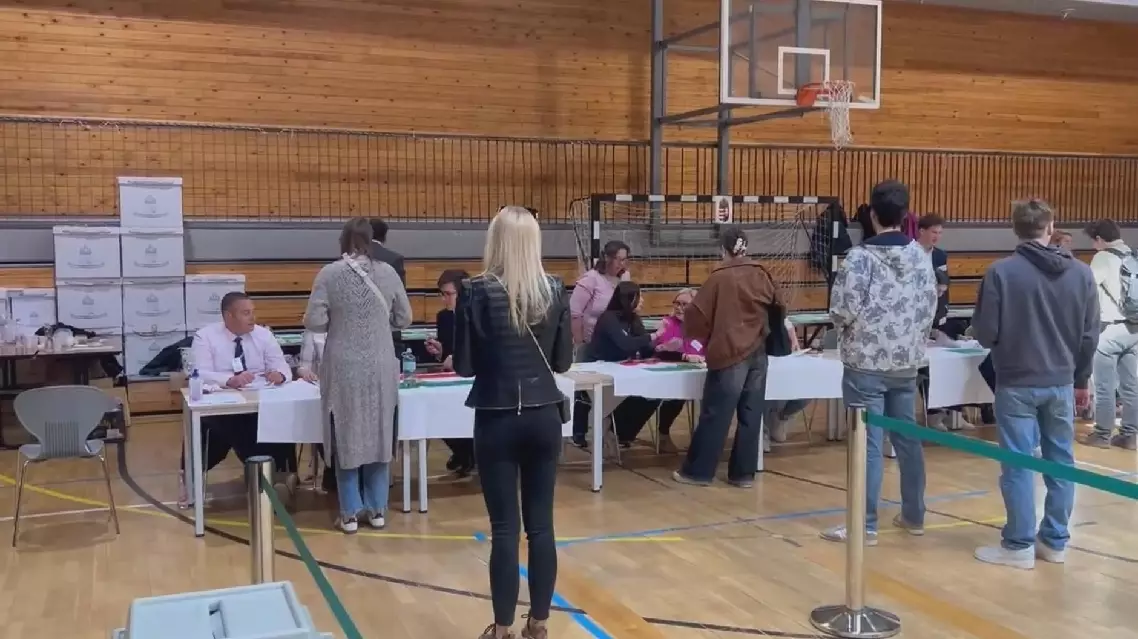
General Secretary of the Communist Party of China Central Committee and Chinese President Xi Jinping arrived in Hanoi, the capital of Vietnam, on Monday for a two-day state visit.
At the invitation of General Secretary of the Communist Party of Vietnam Central Committee To Lam and President of the Socialist Republic of Vietnam Luong Cuong, Xi is on a state visit to Vietnam from Monday to Tuesday.
Click to Gallery

Xi arrives in Hanoi for state visit to Vietnam



During the visit, Xi will hold talks with General Secretary To Lam and meet with President Luong Cuong, Vietnamese Prime Minister Pham Minh Chinh, and Chairman of the National Assembly Tran Thanh Man, according to the Chinese Ministry of Foreign Affairs.
Xi's trip coincides with the 75th anniversary of diplomatic ties between China and Vietnam.
Vietnam is the first leg of Xi's three-nation Southeast Asian tour, which will also take him to Malaysia and Cambodia for state visits from Tuesday to Friday at the invitation of King of Malaysia Sultan Ibrahim, and King Norodom Sihamoni of Cambodia.
Xi arrives in Hanoi for state visit to Vietnam

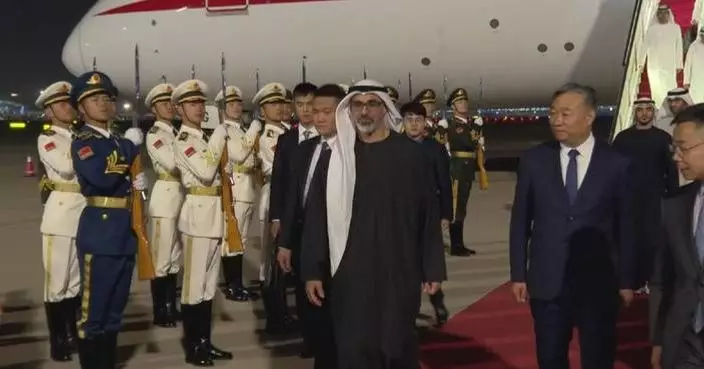
Hungarians voted in parliamentary elections on Sunday, with about 8.1 million people eligible to cast ballots, according to the National Election Office.
Polls opened at 06:00 local time and closed at 19:00, with initial results expected late on Sunday evening.
Of the total, about 7.6 million voters were eligible to cast ballots in person at more than 10,000 polling stations nationwide, while some 500,000 were eligible to vote by mail.
Five parties or alliances are competing in the election. The latest opinion polls showed strong support for both Prime Minister Viktor Orban's ruling Fidesz-Christian Democratic People's Party alliance and the opposition Tisza party led by Peter Magyar.
Among smaller parties, the far-right Our Homeland Movement is seen as having a chance to enter parliament, while others, including the Democratic Coalition and the Hungarian Two-Tailed Dog Party, are widely viewed as unlikely to cross the threshold.
This election marks Orban's fourth parliamentary race since returning to power in 2010, with the outcome set to determine whether he can secure a fifth consecutive term.
Under Hungary's electoral law, parliamentary elections are held every four years. The Hungarian parliament has 199 seats, including 106 filled through direct elections in single-member constituencies and 93 allocated to parties that enter parliament. The party or alliance that secures a majority of seats has the right to form a government.
Hungarians vote in parliamentary elections