CULVER CITY, Calif.--(BUSINESS WIRE)--Apr 15, 2025--
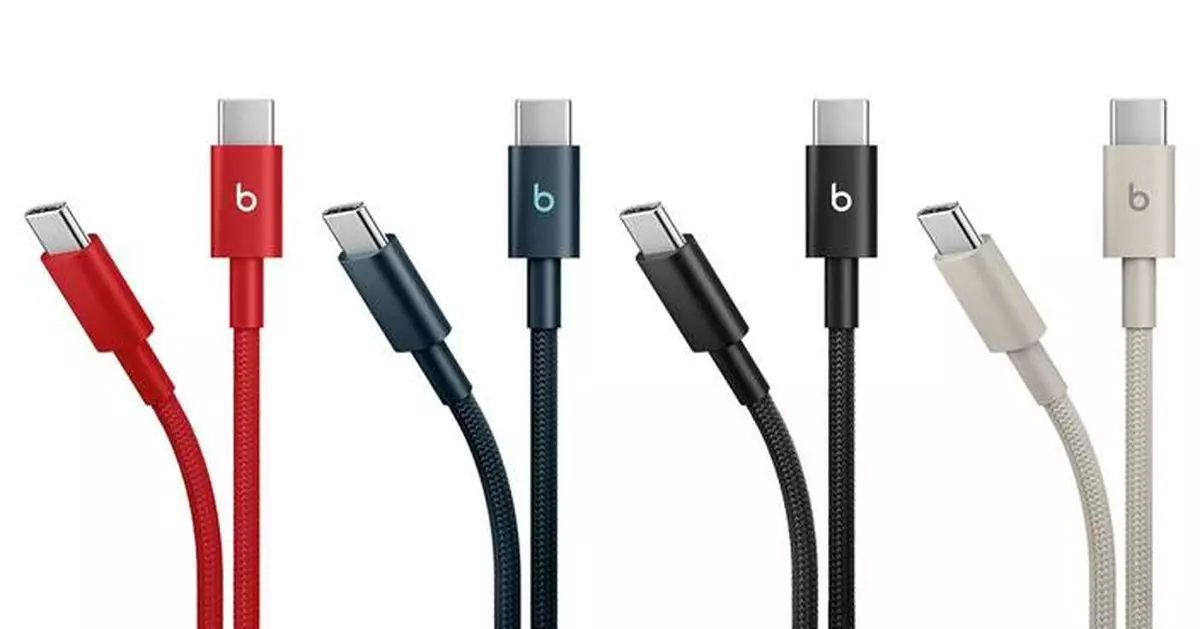
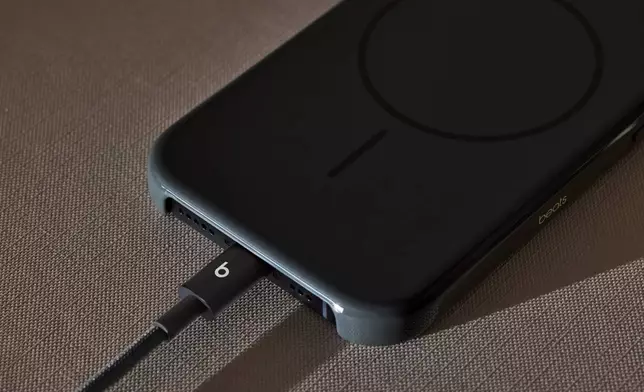
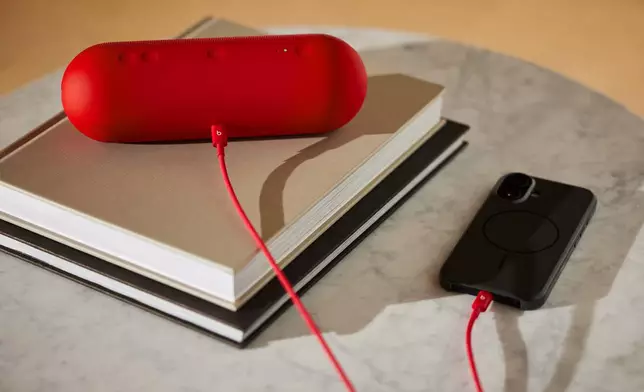
Beats today announces its first-ever collection of reinforced charging cables in an assortment of lengths and colors. Beats Cables are available to order starting today at apple.com in four electric colors—Bolt Black, Surge Stone, Nitro Navy, and Rapid Red—at $18.99 (US) for a single cable and $34.99 (US) for a pack of two. 1
Click to Gallery
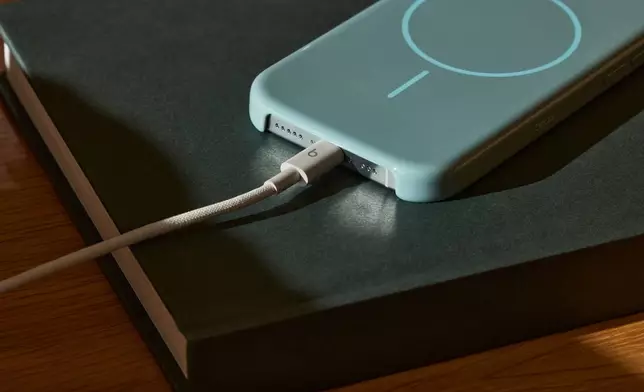
Beats cable in Surge Stone
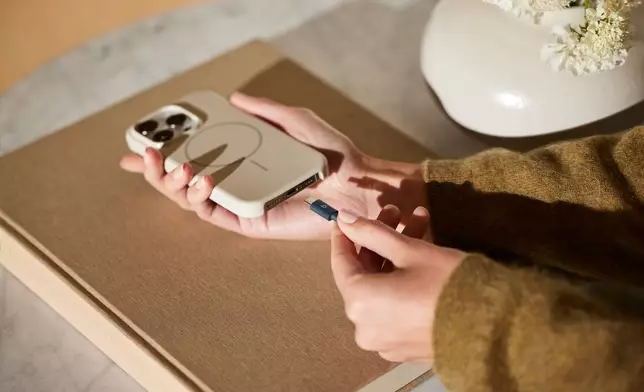
Beats cable in Nitro Navy
Beats cable in Bolt Black
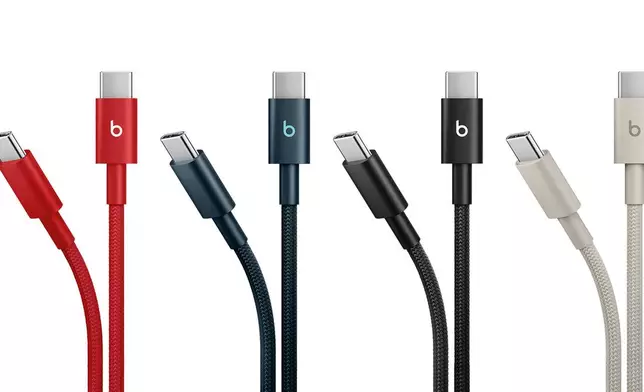
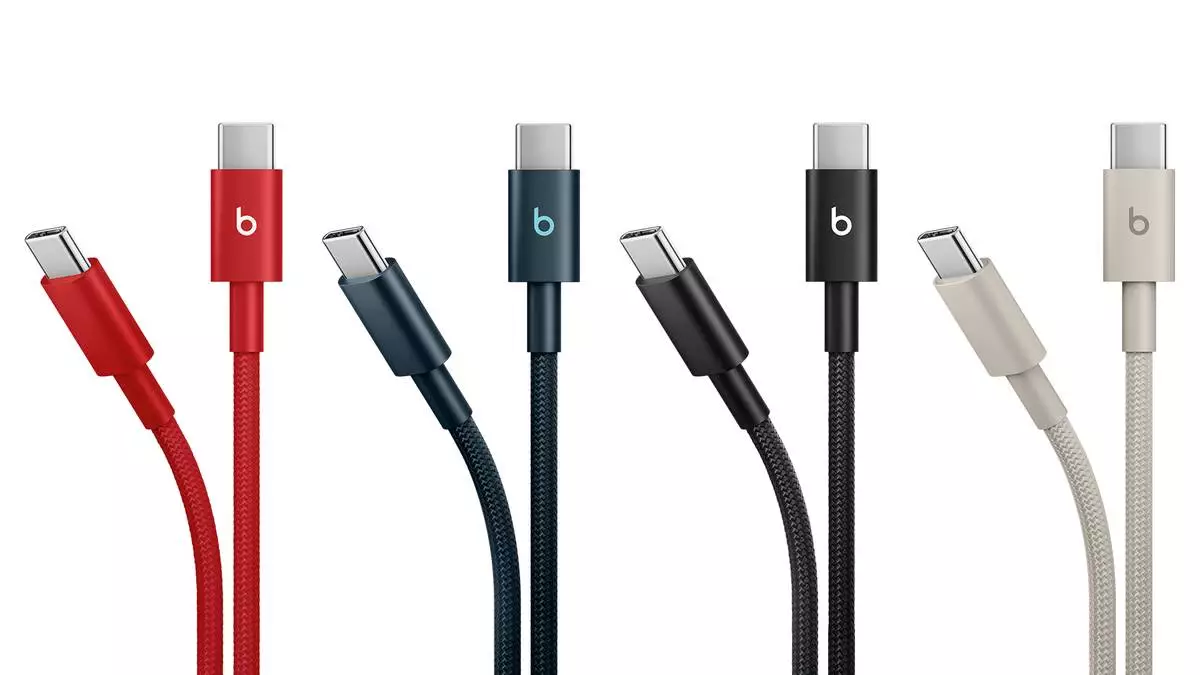
Beats Cables in an assortment of four colors (L-R): Rapid Red, Nitro Navy, Bolt Black, and Surge Stone
This press release features multimedia. View the full release here: https://www.businesswire.com/news/home/20250415205934/en/
Beats Cables are made with a tangle-free woven design for increased durability and to prevent fraying. 2 The cables are available in two convenient lengths—1.5 meters 3 and 20 centimeters (8 inches) 4 —for both stationary and portable use.
The cables are offered in a variety of configurations: USB-C to USB-C, USB-A to USB-C, and USB-C to Lightning. Power adapters are not included in purchase. 5
“Pill People” Campaign
To launch Beats into this new category, the iconic “Pill People” return for a comedic spot highlighting the cables’ features and uses. Voiced by comedians Ben Marshall, Desi Banks and Megan Stalter, the campaign is available now across Beats’ social media channels.
Watch the campaign HERE.
“From bold colors and packaging to bringing product features to life with the Pill People campaign, we’re energizing this category in true Beats fashion,” said Beats CMO Chris Thorne.
Compatibility and Features
USB-C to USB-C works with USB-C Apple and Android devices and is built for charging, syncing, audio, CarPlay, and transferring data. It charges USB-C compatible Beats headphones and speakers while listening to audio or streaming lossless audio.
When used with compatible hardware, USB-C to USB-C also supports fast charging up to 60 watts and can transfer data at USB 2.0 rates. For fast, efficient charging, pair the USB-C cable with a USB-C power adapter and conveniently charge compatible devices from a wall outlet.
USB-A to USB-C is designed for charging, syncing, CarPlay, and transferring data. Fast charging reaches up to 15 watts on select iPhone and iPad models, and data is transferred at USB 2.0 rates.
USB-C to Lightning is compatible with iOS and iPadOS devices that have Lightning ports and supports charging, syncing, and CarPlay—with fast charging on select iPhone and iPad models.
Bold Colors
Beats Cables come in an array of colors—including Bolt Black, Surge Stone, Nitro Navy, and Rapid Red—and a variety of lengths, including:
* USB-A to USB-C (1.5 m) and USB-C to Lightning (1.5 m) in Rapid Red will be available this summer.
Designed with the Environment in Mind
Beats' cable packaging is made from 100% plant-based material sourced from recycled fiber and sustainable forests. 6
Pricing and Availability
Beats cables are available to order starting today for $18.99 (1.5 meters and 20 centimeters) and $34.99 (1.5 meters, two-pack, USB-C to USB-C and USB-A to USB-C) from apple.com in the US, with on-shelf beginning Thursday, April 17.
Media
Images and assets: DOWNLOAD

Beats cable in Surge Stone
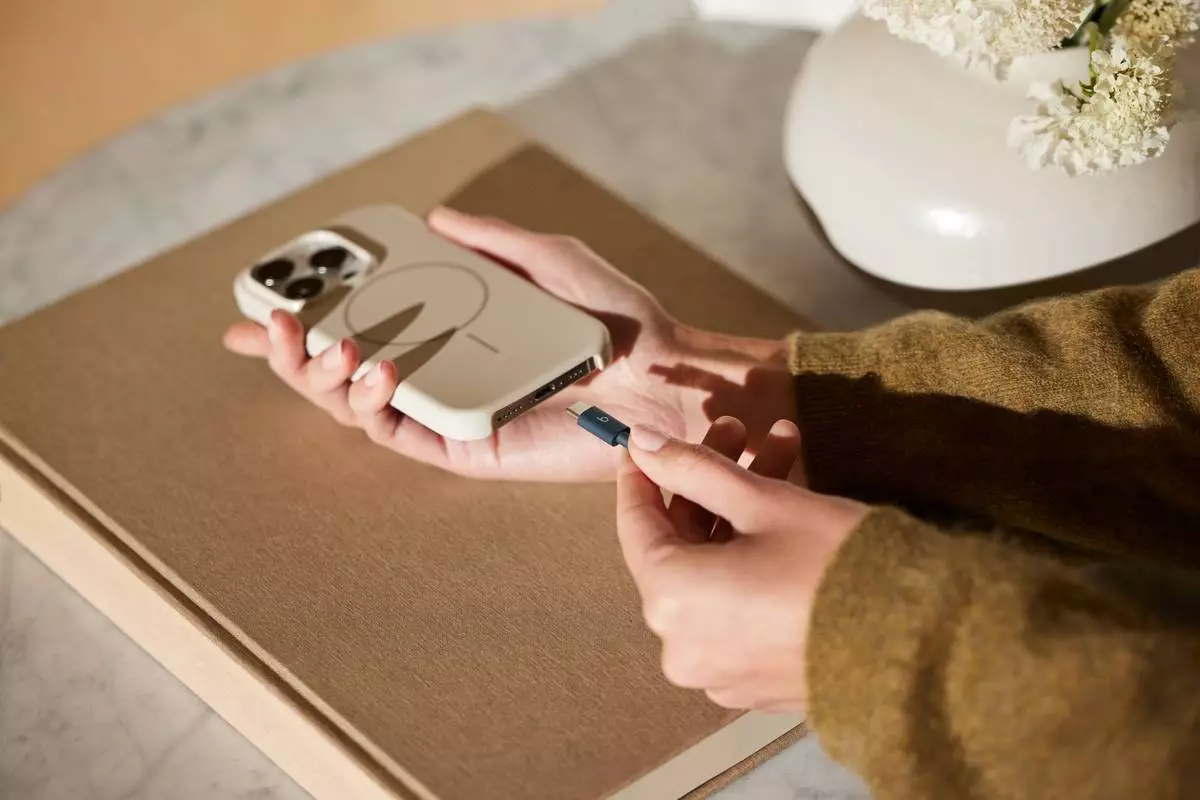
Beats cable in Nitro Navy
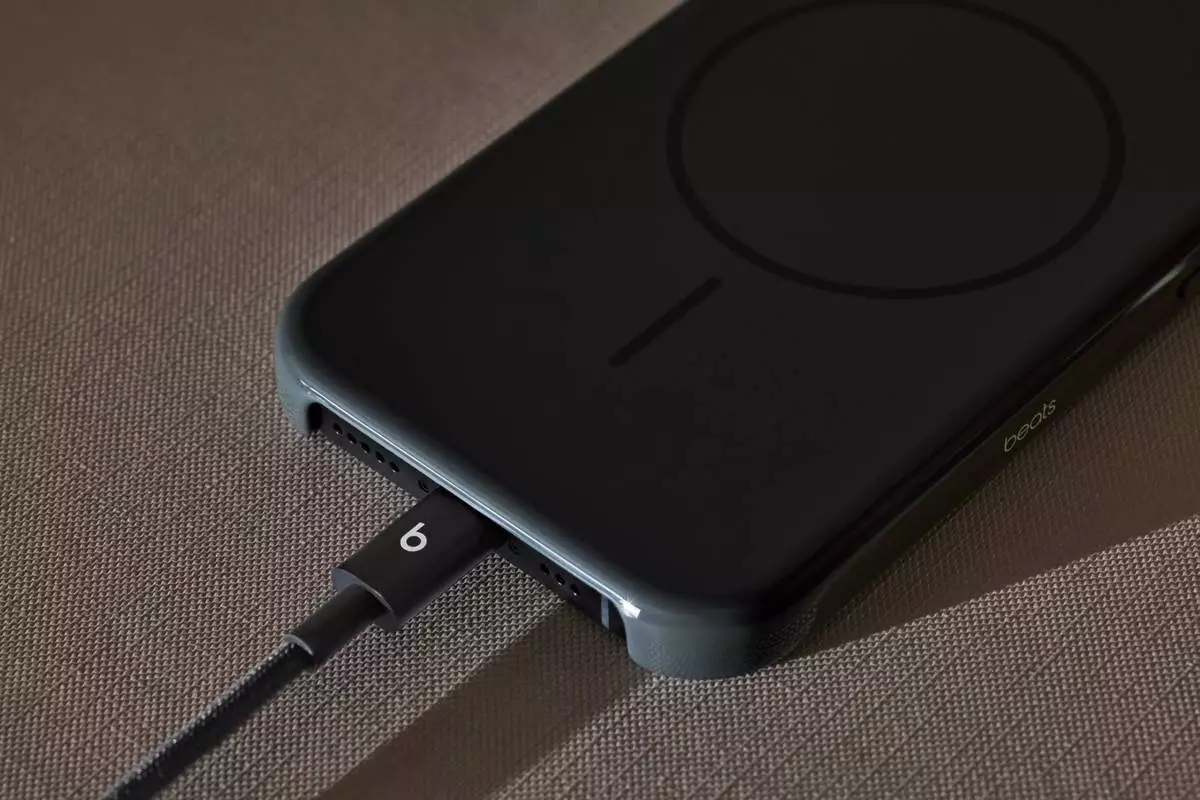
Beats cable in Bolt Black

Beats cable in Rapid Red
Beats Cables in an assortment of four colors (L-R): Rapid Red, Nitro Navy, Bolt Black, and Surge Stone
States will share $10 billion for rural health care next year in a program that aims to offset the Trump administration's massive budget cuts to rural hospitals, federal officials announced Monday.
But while every state applied for money from the Rural Health Transformation Program, it won't be distributed equally. And critics worry that the funding might be pulled back if a state's policies don't match up with the administration's.
Officials said the average award for 2026 is $200 million, and the fund puts a total of $50 billion into rural health programs over five years. States propose how to spend their awards, and the Centers for Medicare and Medicaid Services assigns project officers to support each state, said agency administrator Dr. Mehmet Oz.
“This fund was crafted as part of the One Big Beautiful Bill, signed only six months ago now into law, in order to push states to be creative," Oz said in a call with reporters Monday.
Under the program, half of the money is equally distributed to each state. The other half is allocated based on a formula developed by CMS that considered rural population size, the financial health of a state’s medical facilities and health outcomes for a state’s population.
The formula also ties $12 billion of the five-year funding to whether states are implementing health policies prioritized by the Trump administration's “Make America Healthy Again” initiative. Examples include requiring nutrition education for health care providers, having schools participate in the Presidential Fitness Test or banning the use of SNAP benefits for so-called junk foods, Oz said.
Several Republican-led states — including Arkansas, Iowa, Louisiana, Nebraska, Oklahoma and Texas — have already adopted rules banning the purchase of foods like candy and soda with SNAP benefits.
The money that the states get will be recalculated annually, Oz said, allowing the administration to “claw back” funds if, for example, state leaders don't pass promised policies. Oz said the clawbacks are not punishments, but leverage governors can use to push policies by pointing to the potential loss of millions.
“I've already heard governors express that sentiment that this is not a threat, that this is actually an empowering element of the One Big Beautiful Bill," he said.
Carrie Cochran-McClain, chief policy officer with the National Rural Health Association, said she’s heard from a number of Democratic-led states that refused to include such restrictions on SNAP benefits even though it could hurt their chance to get more money from the fund.
“It’s not where their state leadership is,” she said.
Oz and other federal officials have touted the program as a 50% increase in Medicaid investments in rural health care. Rep. Don Bacon, a Republican from Nebraska who has been critical of many of the administration’s policies but voted for the budget bill that slashed Medicaid, pointed to the fund when recently questioned about how the cuts would hurt rural hospitals.
“That’s why we added a $50 billion rural hospital fund, to help any hospital that’s struggling,” Bacon said. “This money is meant to keep hospitals afloat.”
But experts say it won't nearly offset the losses that struggling rural hospitals will face from the federal spending law's $1.2 trillion cut from the federal budget over the next decade, primarily from Medicaid. Millions of people are also expected to lose Medicaid benefits.
Estimates suggest rural hospitals could lose around $137 billion over the next decade because of the budget measure. As many as 300 rural hospitals were at risk for closure because of the GOP’s spending package, according to an analysis by The Cecil G. Sheps Center for Health Services Research at the University of North Carolina at Chapel Hill.
“When you put that up against the $50 billion for the Rural Health Transformation Fund, you know — that math does not add up,” Cochran-McClain said.
She also said there's no guarantee that the funding will go to rural hospitals in need. For example, she noted, one state’s application included a proposal for healthier, locally sourced school lunch options in rural areas.
And even though innovation is a goal of the program, Cochran-McClain said it's tough for rural hospitals to innovate when they were struggling to break even before Congress’ Medicaid cuts.
“We talk to rural providers every day that say, ‘I would really love to do x, y, z, but I’m concerned about, you know, meeting payroll at the end of the month,’” she said. “So when you’re in that kind of crisis mode, it is, I would argue, almost impossible to do true innovation.”
The Associated Press Health and Science Department receives support from the Howard Hughes Medical Institute’s Department of Science Education and the Robert Wood Johnson Foundation. The AP is solely responsible for all content.
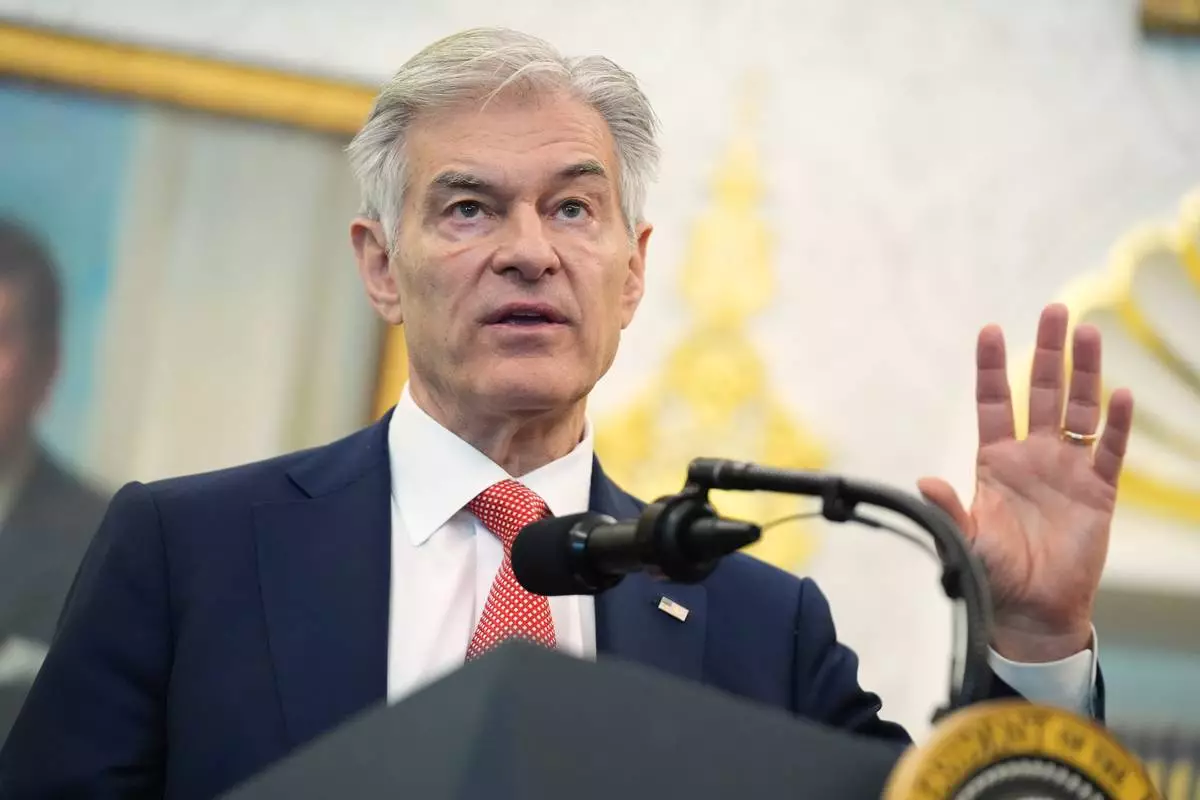
FILE - Mehmet Oz, administrator of the Centers for Medicare & Medicaid Services, speaks during an event about drug prices with President Donald Trump, Thursday, Nov. 6, 2025, in the Oval Office of the White House in Washington. (AP Photo/Evan Vucci, File)