LAGOS, Nigeria (AP) — Anthony Joshua, the two-time former world heavyweight champion from Britain, was in a stable condition in the hospital Monday after being involved in a car crash in Nigeria that killed two people who were close friends and team members, his promoter said.
Eddie Hearn’s Matchroom Boxing said on X that Joshua “sustained injuries in the accident and was taken to hospital for checks and treatment" and he will “remain there for observation.” It named Sina Ghami and Latif Ayodele as the two passengers who had “tragically passed away.”
Click to Gallery
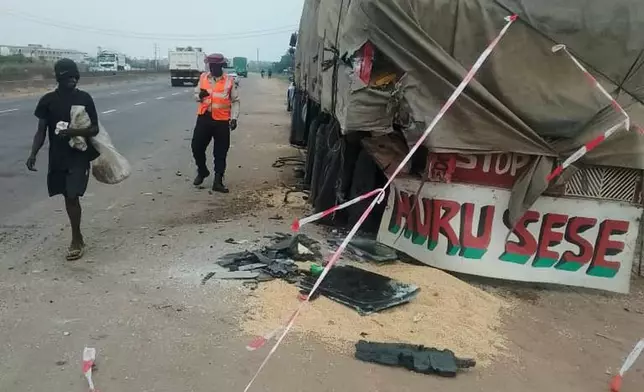
In this photo provided by the Federal Road Safety Corps, people walk past the accident scene of British boxer Anthony Joshua in Lagos, Nigeria, on Monday, Dec. 29, 2025. (Federal Road Safety Corps via AP)
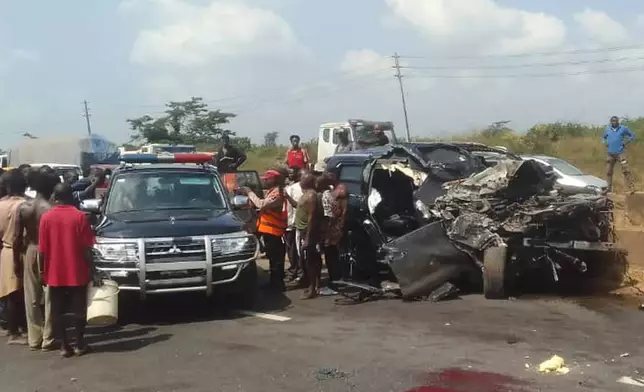
In this photo provided by the Federal Road Safety Corps, people gather at the accident scene of British boxer Anthony Joshua in Lagos, Nigeria, on Monday, Dec. 29, 2025. (Federal Road Safety Corps via AP)
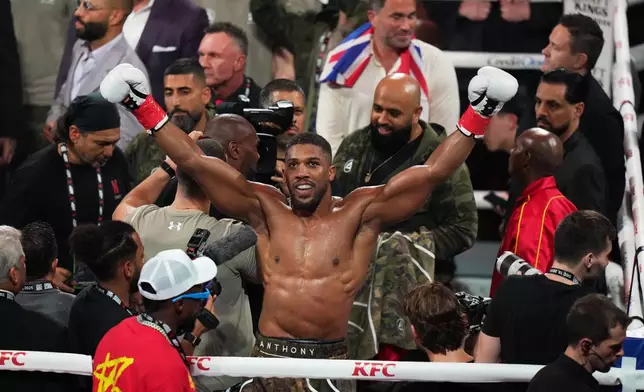
Anthony Joshua celebrates after his win in the heavyweight boxing match against Jake Paul, Friday, Dec. 19, 2025, in Miami, Fla. (AP Photo/Lynne Sladky)
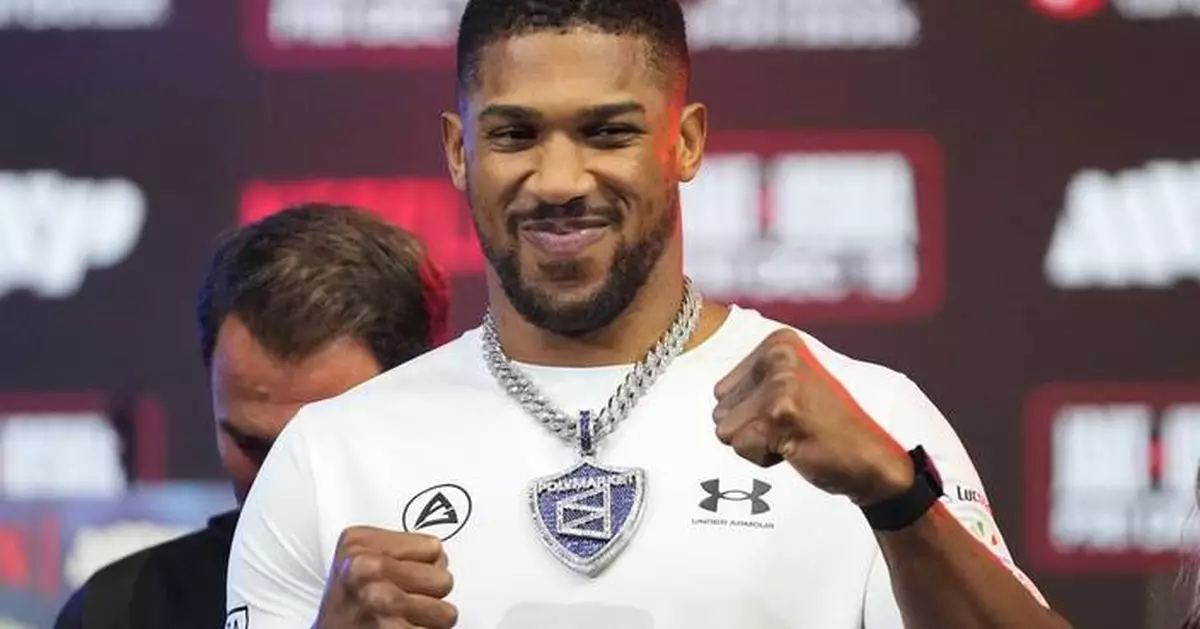
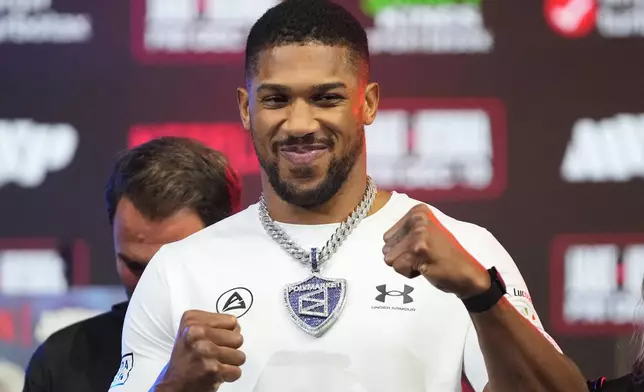
Anthony Joshua stands on stage during a face-off against Jake Paul at a news conference promoting their upcoming heavyweight boxing match, Wednesday, Dec. 17, 2025, in Miami Beach, Fla. (AP Photo/Lynne Sladky)
Photos on social media showed Joshua being extricated from a wrecked vehicle while he was wincing in pain.
“Following thorough clinical evaluations, medical professionals have confirmed that both patients (hospitalized after the accident) are stable and do not require any emergency medical intervention at this time,” a joint statement by Lagos and Ogun state governments said.
The Lagos state commissioner for information, Gbenga Omotoso, confirmed the accident in a post on X, adding that the government had sent ambulances to the crash site.
The crash occurred on a major thoroughfare — the Lagos-Ibadan Expressway which links Ogun state to Lagos, the country’s economic capital — at about 11 a.m. local time. Nigeria is the homeland of Joshua’s parents.
Ogun State Police earlier said in a statement: “The vehicle conveying Mr. Joshua, a Lexus SUV, was involved in the accident under circumstances that are currently being investigated. Joshua, seated in the rear of the vehicle, sustained minor injuries and is receiving medical attention with another injured person."
According to Olusegun Ogungbemide, spokesperson for the Federal Road Safety Corps, preliminary investigations indicated the vehicle was “traveling beyond the legally prescribed speed limit on the corridor, lost control during an overtaking maneuver and crashed into a stationary truck," which was by the side of the road.
The Ogun state government said that “preliminary reports indicate that two male foreign nationals died on the spot.”
Joshua beat YouTuber-turned-boxer Jake Paul on Dec. 19 in a bout in Miami, which he was using to regain sharpness in the ring. He lost the world heavyweight title in 2021 to Oleksandr Usyk.
“Life is much more important than boxing. I am praying for the lost lives, AJ and anyone impacted by today’s unfortunate accident,” Paul said Monday.
Nigeria’s president, Bola Tinubu, called Joshua in hospital.
“I spoke with AJ on the phone to personally convey my condolences over the death of his two associates,” the president said on X. “I wished him a full and speedy recovery, and prayed with him. AJ assured me he is receiving the best possible care. I also spoke with his mother and prayed for her. She was deeply appreciative of the call.”
No further details on Joshua's condition were given.
“Anthony Joshua is in an undisclosed hospital being treated for his injuries,” Lanre Ogunlowo, the commissioner of police for Ogun state, told the AP. He said he has no further information on the injuries.
Hearn had earlier told Daily Mail Sport that he was “away on a family holiday and awoke to the news of this incident.
“We are trying to contact Anthony and in the meantime we don’t want to speculate on how he is but thankfully he appears OK from what I have seen in the images."
Joshua briefly went to boarding school in Nigeria at the age of 11. He returned there for the first time in 17 years in 2019, ahead of a fight against Andy Ruiz Jr.
Joshua has been in talks to fight fellow Briton Tyson Fury in 2026.
AP boxing: https://apnews.com/boxing
AP Sports Writer Steve Douglas in Sundsvall, Sweden, contributed to this report.
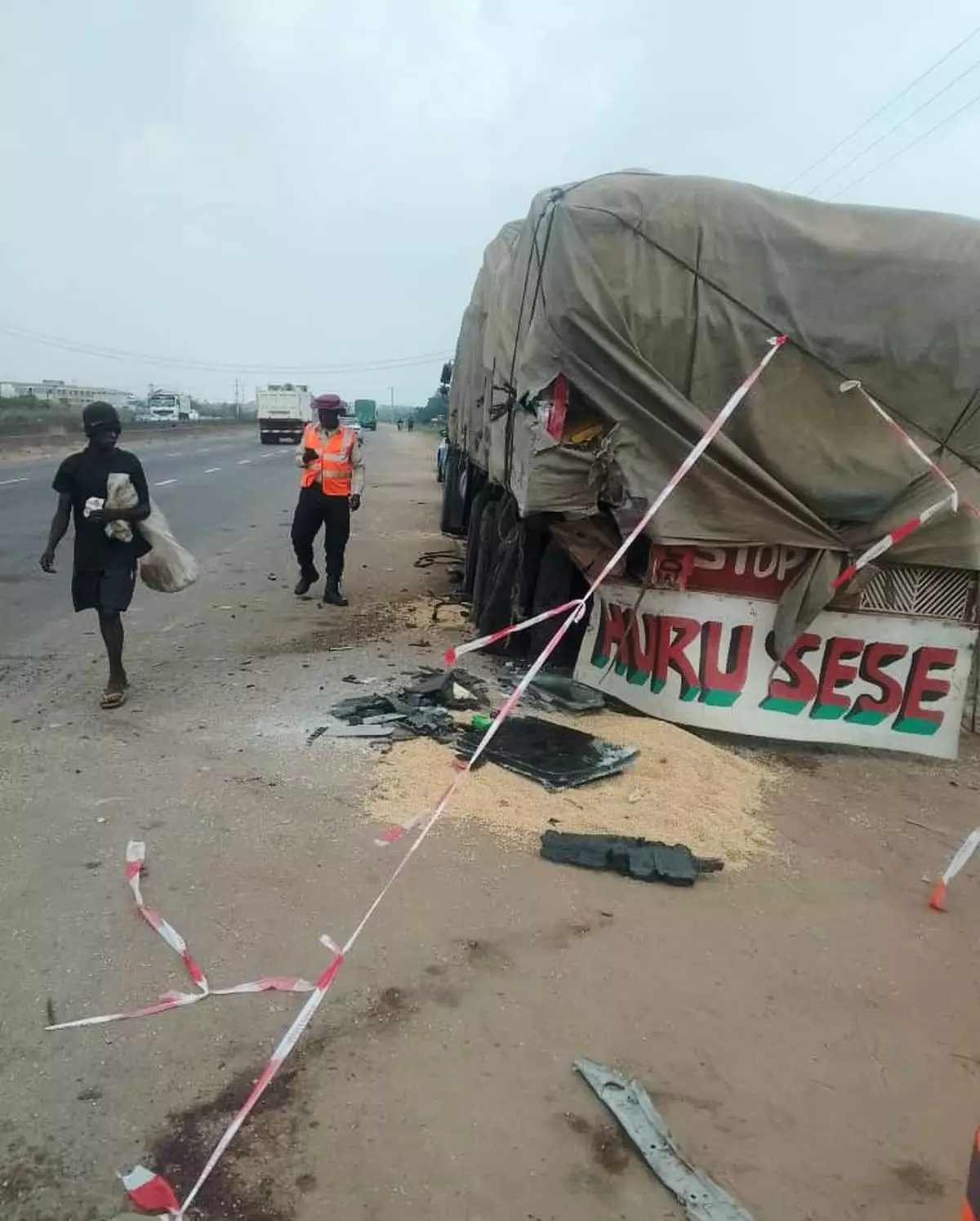
In this photo provided by the Federal Road Safety Corps, people walk past the accident scene of British boxer Anthony Joshua in Lagos, Nigeria, on Monday, Dec. 29, 2025. (Federal Road Safety Corps via AP)
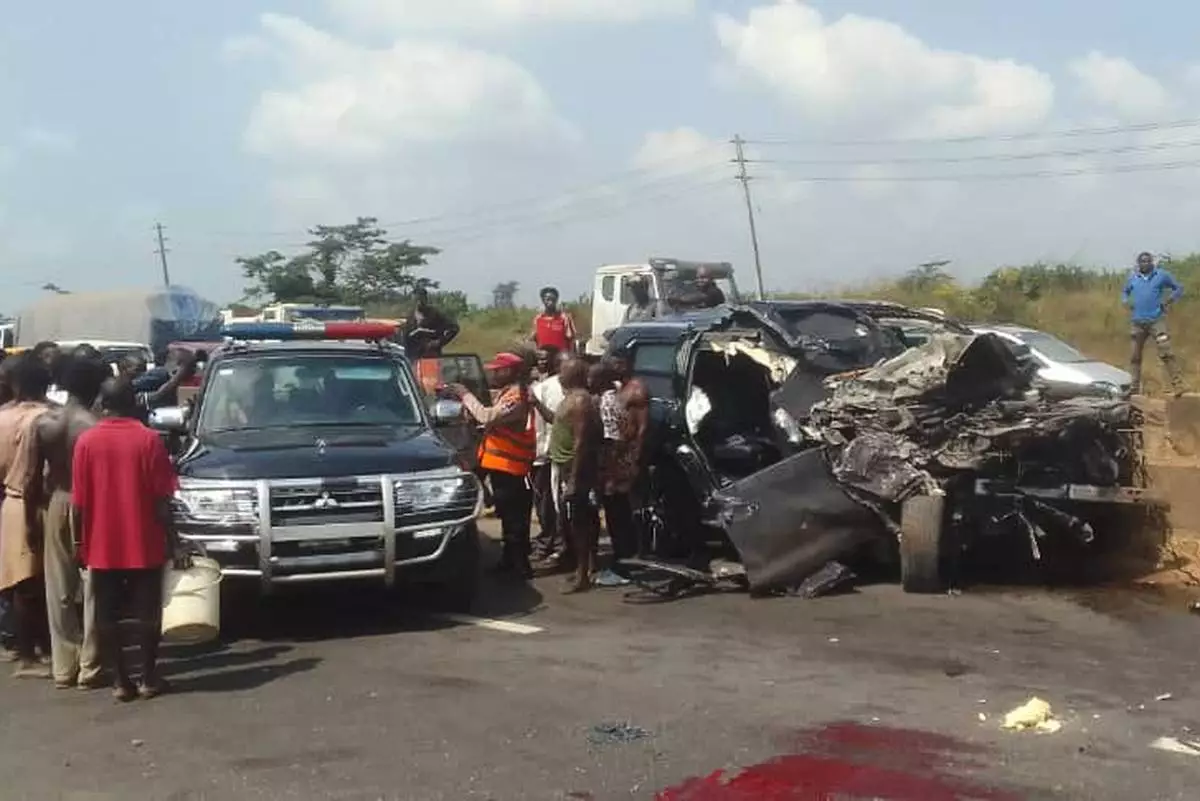
In this photo provided by the Federal Road Safety Corps, people gather at the accident scene of British boxer Anthony Joshua in Lagos, Nigeria, on Monday, Dec. 29, 2025. (Federal Road Safety Corps via AP)
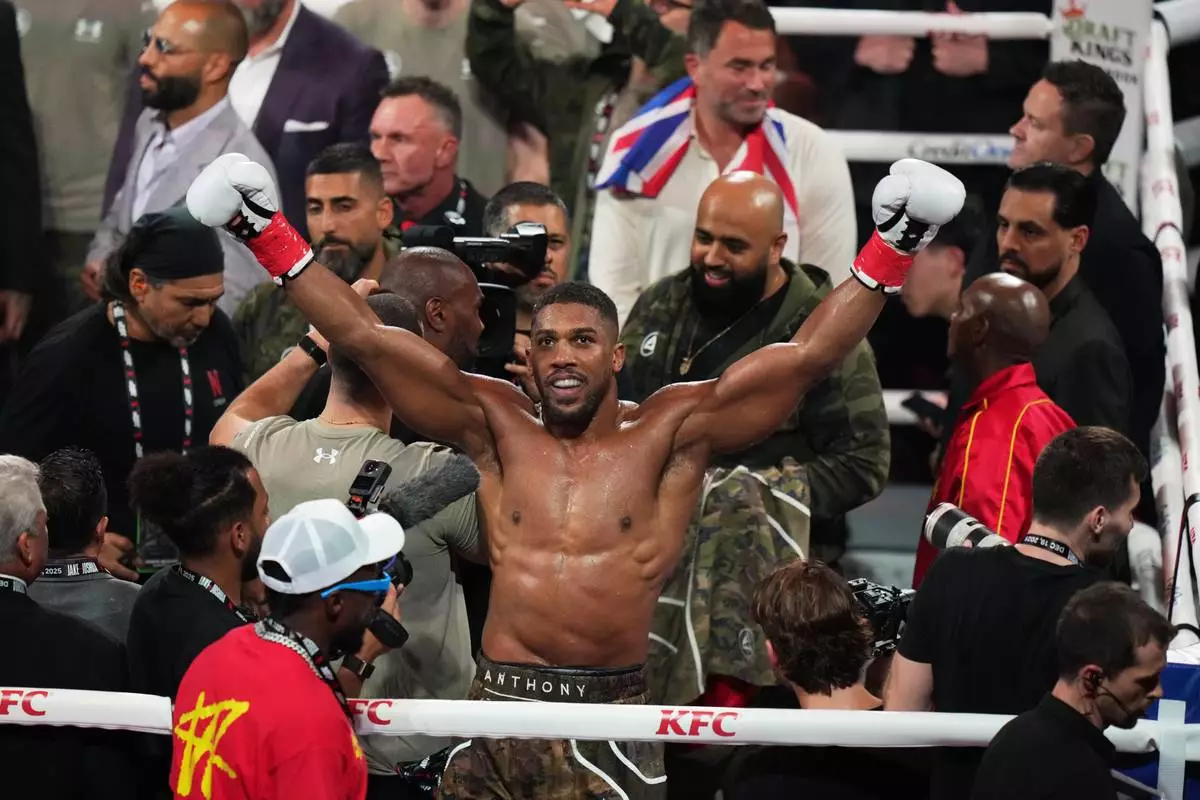
Anthony Joshua celebrates after his win in the heavyweight boxing match against Jake Paul, Friday, Dec. 19, 2025, in Miami, Fla. (AP Photo/Lynne Sladky)
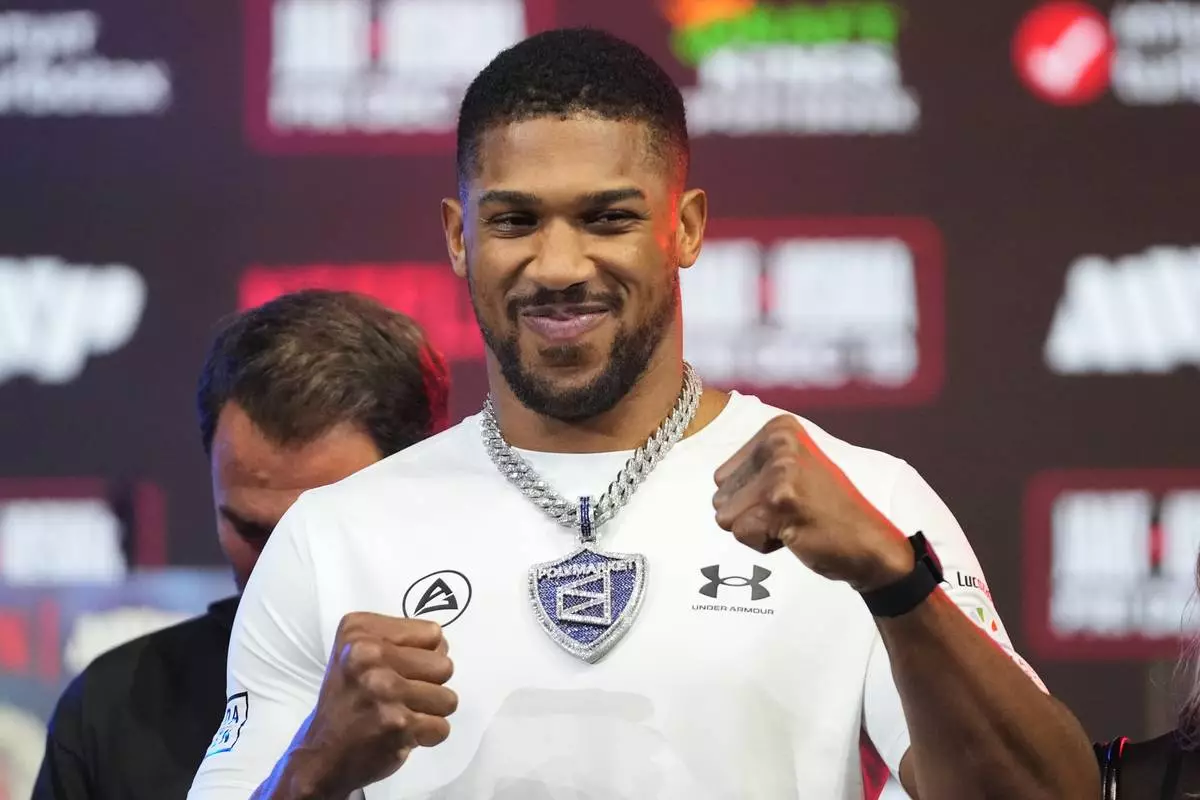
Anthony Joshua stands on stage during a face-off against Jake Paul at a news conference promoting their upcoming heavyweight boxing match, Wednesday, Dec. 17, 2025, in Miami Beach, Fla. (AP Photo/Lynne Sladky)
WASHINGTON (AP) — Two former FBI officials were charged Friday with lying to Congress about their involvement in investigating Hunter Biden’s laptop in the run-up to the 2020 presidential election, the latest in a series of splashy and politically charged actions the Justice Department has undertaken ahead of next month's midterm contests.
Nikki Floris and Bradley Benavides, former leaders of a since-disbanded task force set up to counter foreign election interference, appeared in federal court in Washington, where their lawyers pressed for a speedy hearing to contest allegations their clients lied to lawmakers by saying that they did not participate in FBI investigations of Biden.
The prosecution, a rare Department of Justice criminal case against a former employee, revisits a tangled and peculiar saga that roiled the final weeks of the 2020 race. It also comes amid a broader, backward-looking effort by FBI Director Kash Patel, who before taking over the nation’s premier law enforcement agency was a harsh critic of it, to scrutinize high-profile episodes from the bureau’s recent past that for years have animated President Donald Trump’s conservative base.
Floris’ attorneys called her “a patriot” and said she has “served our nation as a dedicated FBI intelligence officer for nearly 20 years.”
“Yet today, the DOJ has accused her falsely of a crime on the say-so of politicians, not on the facts,” her attorneys said in a statement. “It’s no coincidence the government is filing these nonsense charges now, years later, on the eve of an election.”
Attorneys for Benavides accused the government of bringing “baseless criminal charges against him in a transparently political complaint.”
“This is another sad day for the Department of Justice,” his lawyers said in an emailed statement. “But now we are in court, and the truth will come out: Brad Benavides is a true patriot who devoted his career to protecting this country and its people. These charges are a disgrace.”
The case was filed less than two weeks before the Nov. 3 elections via criminal complaint, which means prosecutors have not yet presented the allegations to a grand jury for an indictment. The Justice Department has repeatedly struggled in high-profile cases to convince grand juries in the nation’s capital to return indictments.
During the former FBI employees’ court appearance, both defense attorneys and the judge noted the unusual move to charge the case through a complaint, which is more often used by prosecutors when they have an urgent need to take people into custody because, for example, they present a danger or a risk of flight.
U.S. Magistrate Judge Zia Faruqui remarked that it is “rare that we have charges this old coming in this nature," and over the objections of prosecutors who pushed for more time, set a preliminary hearing for next Tuesday, citing what he said was the “sword of Damocles” hanging over the defendants’ heads.
The revelation of the laptop’s existence in October 2020 injected a thorny storyline in the race between Trump, the Republican incumbent, and Biden’s father, Joe Biden, Trump’s Democratic challenger who went on to win the race.
The laptop was publicized by the New York Post, which said it had obtained from Trump ally Rudy Giuliani a hard drive of a computer dropped off by Hunter Biden at a Wilmington, Delaware, repair shop about a year earlier.
The criminal complaint aims to build on longstanding congressional Republican complaints about the FBI’s handling of the laptop, including allegations that the bureau was not forthcoming to the public that the materials on it — including emails that showed discussions of the younger Biden’s foreign business dealings — were authentic and not the product of Russian disinformation.
The curious circumstances of the laptop’s discovery raised concerns among Democrats and former intelligence officials about the possibility of Russian involvement, particularly at a time when the Trump administration’s own intelligence community had assessed that Moscow that Russia was attempting to interfere in Trump’s favor in the election and as Giuliani had traveled abroad looking for dirt on the Bidens. Dozens of former U.S. intelligence officials signed a letter saying that the laptop bore the "classic earmarks of an Russian information operation.”
But Trump’s then-director of national intelligence, John Ratcliffe, said in a letter to Congress that there was no proof foreign actors had anything to do with the laptop. The FBI under then-Director Chris Wray subsequently endorsed that position.
Hunter Biden was charged with, and convicted of, gun and tax offenses during his father’s administration. Joe Biden pardoned him in his final weeks in office.
The complaint alleges that in their capacity as leaders of the Foreign Influence Task Force, Floris and Benavides were deeply engaged in the investigations into Hunter Biden, and that Biden was a recurring subject at FITF meetings.
Yet, the complaint says, both downplayed their firsthand knowledge of the laptop or involvement in investigations during 2023 testimony to lawmakers who were doing their own Biden investigation.
It accuses Benavides of making a false statement by saying he learned through Wikipedia that the FBI was in possession of the laptop, and says Floris falsely claimed to have had no knowledge of Hunter Biden having been the subject of discussions at FITF.
“Lying to Congress by senior FBI officials strikes at the heart of our system. No one is above the law,” Patel said.
The case brings renewed attention to the work of the task force, which was established in the first Trump administration to police influence campaigns staged by Russia and other nations aimed at sowing discord, undermining democracy and spreading disinformation. The task force became a magnet of congressional Republican criticism in part because of the Hunter Biden investigation and was disbanded in February 2025 by then-Attorney General Pam Bondi.
As FBI director, Patel has presided over widespread firings of agents who were involved in investigations of Trump or who are perceived as being against the Republican administration's agenda.
He has also focused attention on years-old investigations like the Hunter Biden one that occurred before he became director and that have been the subject of grievances and complaints by Trump allies.
The Justice Department historically looks to avoid public and overt investigative acts in the direct lead-up to an election that involve candidates or that risk influencing a political outcome. But officials in the last two weeks have made a series of bold moves in cases with political undertones, including a search of Democratic Rep. Ilhan Omar’s house in an immigration fraud investigation and a corruption indictment unsealed Thursday against powerful Democratic Virginia state Sen. L. Louise Lucas.
Omar and Lucas are both Trump critics. Omar, who's from Minnesota, has called the search of her Washington home an “attempt to target political enemies and weaponize federal law enforcement.” Lucas has said she won't be intimidated or bullied by the federal government in its case against her and “will not back down.”
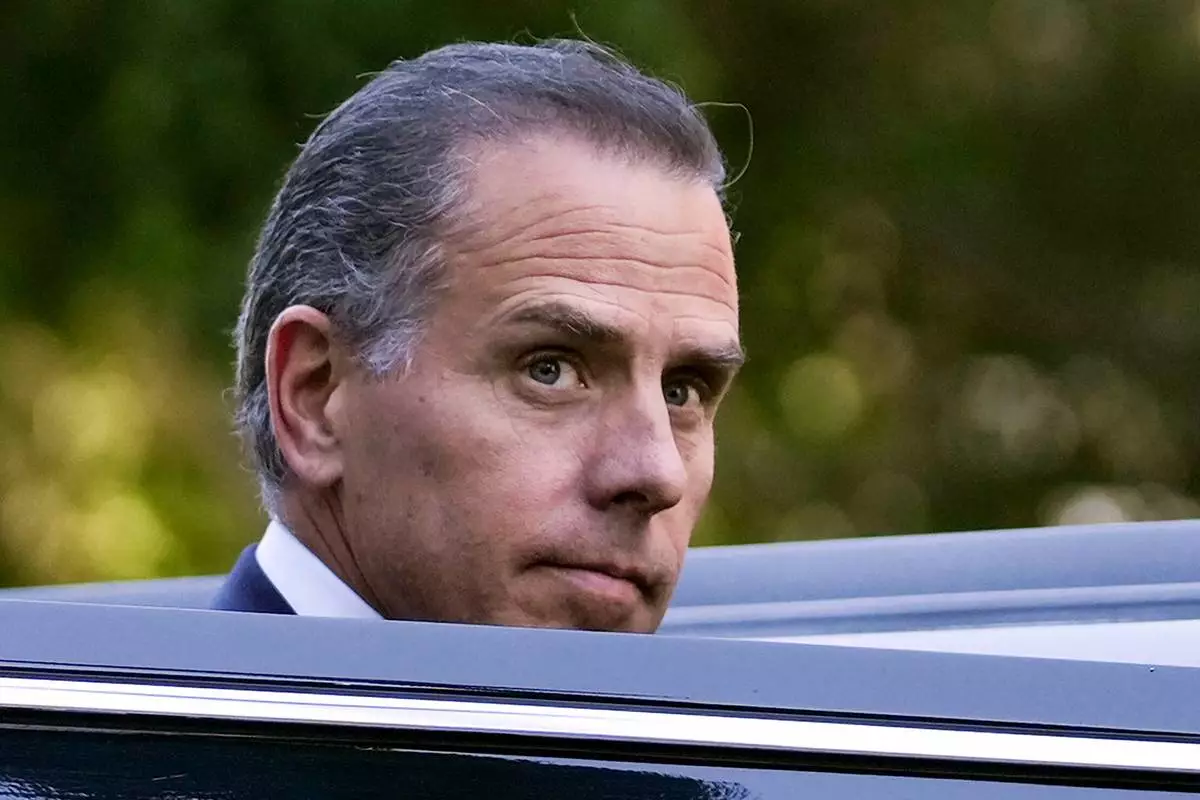
FILE - Hunter Biden steps into a vehicle as he leaves federal court, Sept. 5, 2024, in Los Angeles. (AP Photo/Eric Thayer, File)
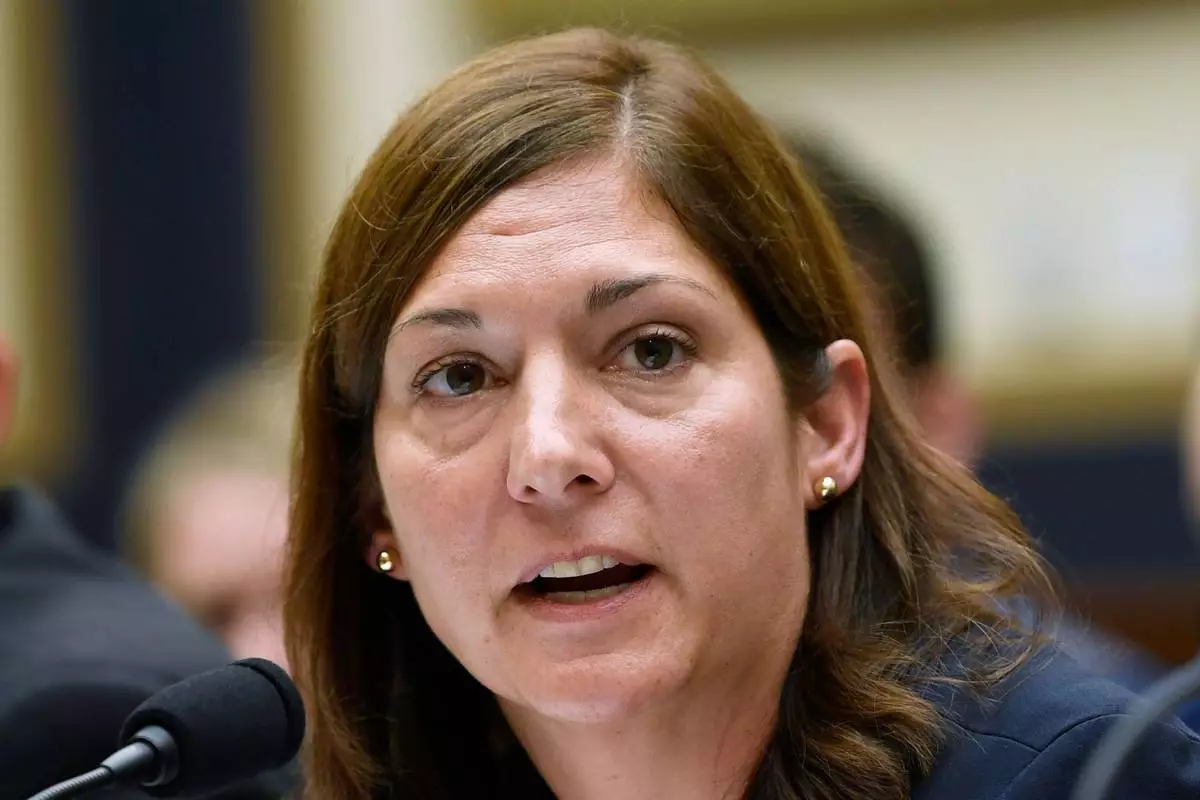
FILE - Deputy Assistant Director for Counterterrorism at the FBI Nikki Floris, testifies before the House Judiciary Committee hearing on Capitol Hill in Washington, Oct. 22, 2019. (AP Photo/Susan Walsh, File)
FILE - An FBI seal is displayed on a podium before a news conference at the field office in Portland, Ore., Jan. 16, 2025. (AP Photo/Jenny Kane, File)