CAIRO (AP) — Pakistan’s army chief is set to meet with Iranian officials in Tehran on Thursday in hopes of extending the ceasefire that paused almost seven weeks of war between Israel, the U.S. and Iran.
It's unclear whether the frantic diplomacy can lead to a lasting deal as the two-week ceasefire passes the half-way mark. The Iran war has killed thousands of people and upended global markets by disrupting the flow of oil.
Click to Gallery
Relatives of Ghadir Baalbaki, 19, who was killed on Tuesday in an Israeli airstrike, mourn during her funeral in the southern port city of Tyre, Lebanon, Wednesday, April 15, 2026. (AP Photo/Hussein Malla)
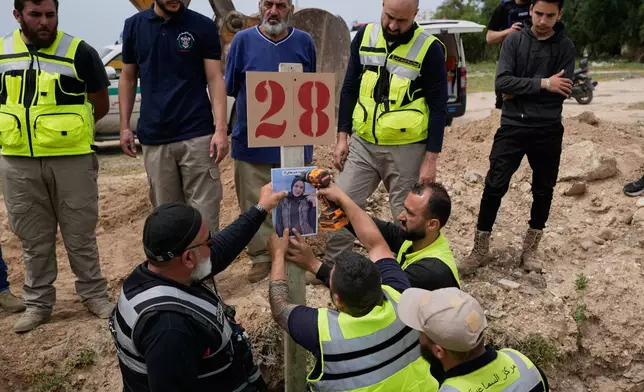
Paramedics attach a portrait over the grave of Ghadir Baalbaki, 19, who was killed on Tuesday in an Israeli airstrike, at a temporary mass grave in the southern port city of Tyre, Lebanon, Wednesday, April 15, 2026. (AP Photo/Hussein Malla)
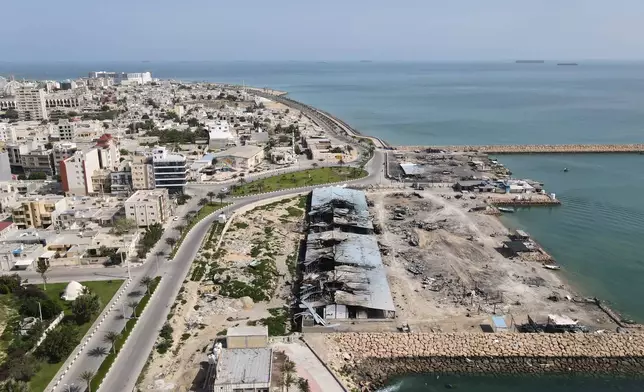
Backdropped by ships in the Strait of Hormuz, damage, according to local witnesses caused by several recent airstrikes during the U.S.-Israel military campaign, is seen on a fishing pier in the port of Qeshm island, Iran, Monday, April 13, 2026. (AP Photo/Asghar Besharati)
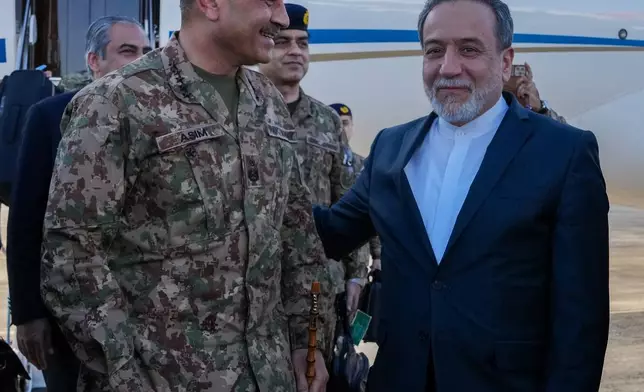
In this photo released by the Iranian Foreign Ministry, Pakistan's Army Chief Field Marshal Gen. Asim Munir, left, is welcomed by Iranian Foreign Minister Abbas Araghchi upon his arrival in Tehran, Wednesday, April 15, 2026. (Iranian Foreign Ministry via AP)
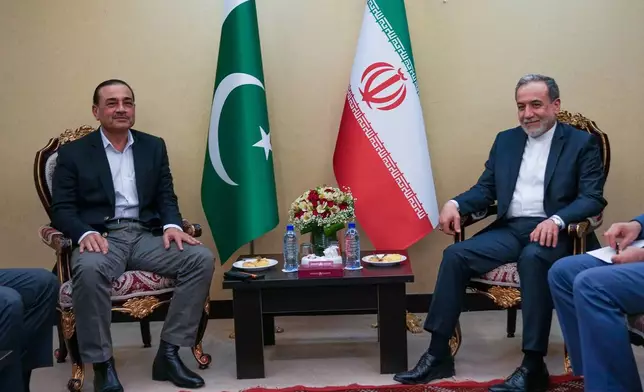
In this photo released by the Iranian Foreign Ministry, Iranian Foreign Minister Abbas Araghchi, right, meets with Pakistan's Army Chief Field Marshal Gen. Asim Munir in Tehran, Wednesday, April 15, 2026. (Iranian Foreign Ministry via AP)
The meeting comes as President Donald Trump announced the leaders of Israel and Lebanon will speak later on Thursday about halting the fighting between Israel and the Iran-backed militant group Hezbollah in Lebanon. If it takes place, the conversation would be the first time the leaders of the two countries have spoken directly in more than 30 years. Both Israeli and Lebanese governments refused to confirm any conversation. Meanwhile, Hezbollah and Israel's military continued cross-border attacks on Thursday.
The White House said any further talks regarding Iran would likely take place in the Pakistani capital of Islamabad, though no decision had been made on whether to resume negotiations. The fragile ceasefire, which halted the fighting a week ago, is holding despite a U.S. naval blockade of Iranian ports and Iranian counter-threats to target regional ports across the Red Sea.
Pakistan has emerged as a key mediator after hosting direct talks between the U.S. and Iran in Islamabad that authorities said helped narrow differences between the sides. Mediators are seeking a new round before the ceasefire expires next week.
The war has jolted markets and rattled the global economy as shipping has been cut off and airstrikes have torn through military and civilian infrastructure across the region. Oil prices have fallen amid hopes for an end to fighting, and U.S. stocks on Wednesday surpassed records set in January.
Trump said that Israel and Lebanon are expected to speak later on Thursday about a possible ceasefire, but did not elaborate which leaders would speak.
Officials from Netanyahu's office and the Lebanese government refused to confirm the possible conversation.
An Israeli minister said Netanyahu will speak with Lebanese President Joseph Aoun on Thursday. “Today the prime minister will speak for the first time with the president of Lebanon, after so many years of a complete disconnection in the dialogue between the two countries,” Gila Gamliel, Israel’s minister of science and technology, told Army Radio Thursday morning.
Gamliel, who was at a cabinet meeting late Wednesday night about negotiations with Lebanon, is part of Israel’s security cabinet. She said the talks “will hopefully ultimately lead to prosperity and flourishing” between the two countries. Lebanon and Israel held their first direct diplomatic talks in decades on Tuesday in Washington following more than a month of war between Israel and Iran-backed Hezbollah.
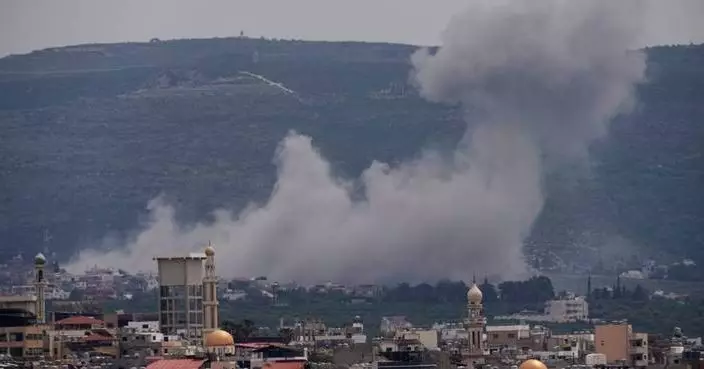
But Israel and Hezbollah exchanged fire across the border on Thursday, with Hezbollah targeting towns in northern Israel with rockets and drones. Israeli fire against southern Lebanon intensified, especially around the cities of Tyre, Nabatieh, and the strategic town of Bint Jbeil near the border with Israel.
Israel and Lebanon have technically been at war since Israel was established in 1948, and Lebanon remains deeply divided over diplomatic engagement with Israel.
On Thursday, Aoun said Lebanon wants a ceasefire but Israeli troops must first withdraw from southern Lebanon as an "essential step" to allow the Lebanese army to deploy to the border and disarm Hezbollah. Israeli troops pushed deeper into southern Lebanon with the aim of creating what officials have called a “security zone,” which Netanyahu has said will extend at least 8 to 10 kilometers (5 to 6 miles) into Lebanon to avoid threats from short-range rockets and anti-tank missiles.
Even as the U.S. blockade on Iranian ports and renewed Iranian threats strained the ceasefire agreement, regional officials reported progress, telling The Associated Press the United States and Iran had an “in-principle agreement” to extend it to allow for more diplomacy. They spoke on condition of anonymity to discuss sensitive negotiations.
But while mediators worked for peace, tensions simmered.
The commander of Iran’s joint military command, Ali Abdollahi, threatened to halt trade in the region if the U.S. does not lift its naval blockade, and a newly appointed military adviser to Iranian Supreme Leader Mojtaba Khamenei said he doesn’t support extending the ceasefire.
Mediators are pushing for a compromise on three main sticking points that derailed direct talks last weekend — Iran’s nuclear program, the Strait of Hormuz and compensation for wartime damages, according to a regional official involved in the mediation efforts.
Iranian Foreign Ministry spokesman Esmail Baghaei said Iran is open to discussing the type and level of its uranium enrichment, but his country “based on its needs, must be able to continue enrichment,” Iranian state media reported.
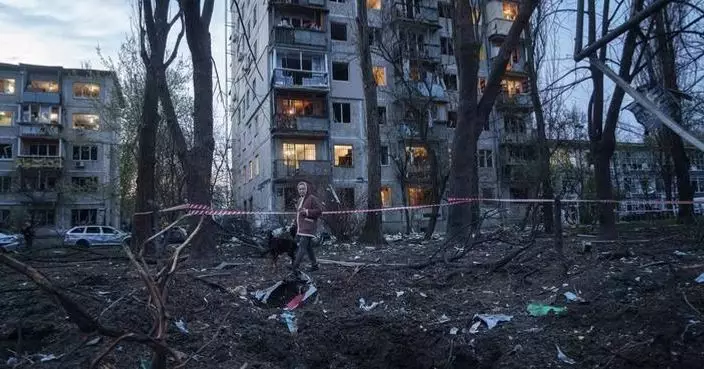
The fighting has killed at least 3,000 people in Iran, more than 2,100 in Lebanon, 23 in Israel and more than a dozen in Gulf Arab states. Thirteen U.S. service members have also been killed.
U.S. Treasury Secretary Scott Bessent said the Trump administration would ramp up economic pain on Iran with new economic sanctions on countries doing business with it, calling the move the “financial equivalent” of a bombing campaign.
Pakistan’s Prime Minister Shehbaz Sharif arrived in Qatar on Thursday as part of a regional visit aimed at discussions on the ongoing U.S.-Iran peace process, his office said.
Chinese Foreign Minister Wang Yi said the window of peace was opening during a phone call with his Iranian counterpart, who briefed him on the latest developments in Iran-U.S. negotiations and Tehran’s considerations on the next step, according to a statement from China’s Foreign Ministry.
Wang told Araghchi that the situation has reached a critical juncture between war and peace, and said Iran’s sovereignty, security and legitimate rights should be respected as a littoral state of the Strait of Hormuz, while freedom of navigation and safety through the strait should be ensured.
Since the war began, Iran has curtailed maritime traffic through the Strait of Hormuz, which a fifth of global oil transited through in peacetime. Tehran’s effective closure of the strait sent oil prices skyrocketing, raising the cost of fuel, food and other basic goods far beyond the Middle East, and the U.S. has responded with a blockade on Iranian shipping.
U.S. Central Command said Wednesday that no ships had made it past the blockade since it was imposed two days earlier, while 10 merchant vessels complied with direction from U.S. forces to turn around and reenter Iranian waters.
The blockade is intended to pressure Iran, which has exported millions of barrels of oil, mostly to Asia, since the war began Feb. 28. Much of it has likely been carried by so-called dark transits that evade sanctions and oversight, providing cash that’s been vital to keeping Iran running.
Lidman reported from Tel Aviv, Israel and Cheyaheb reported from Beirut. Associated Press writer Munir Ahmed in Islamabad contributed to this report.
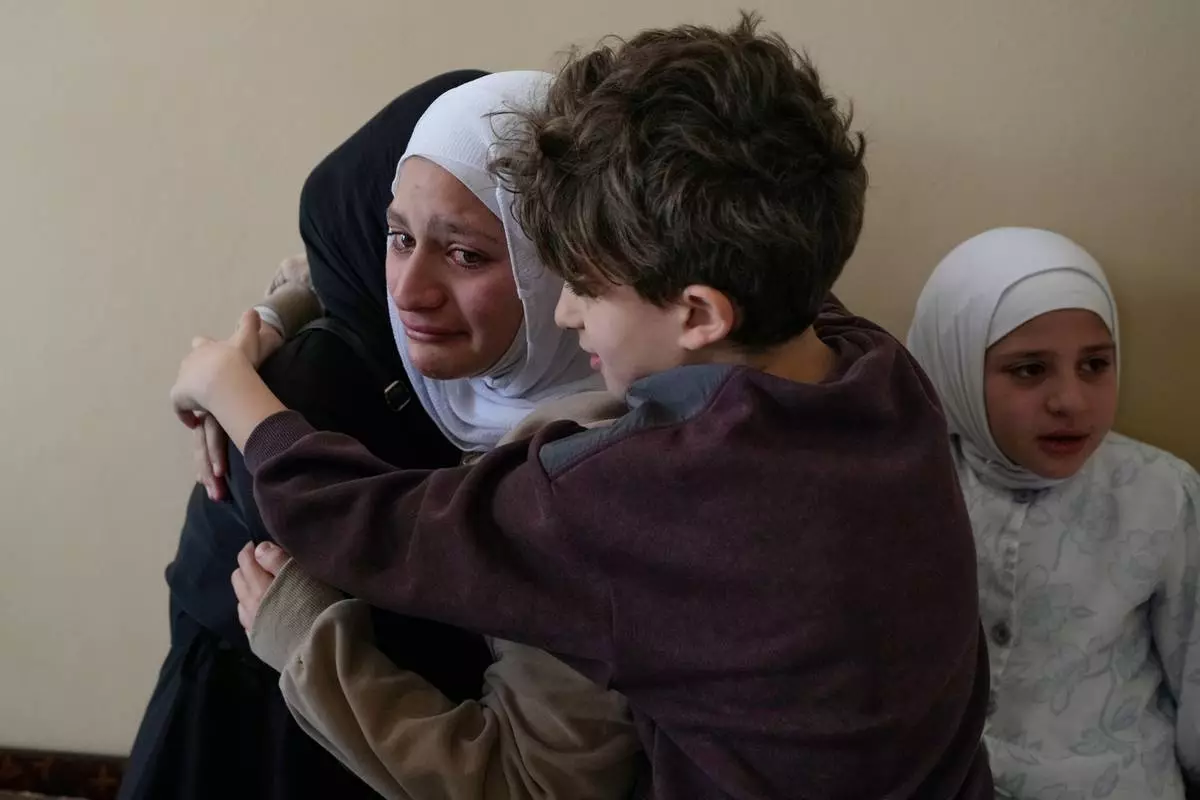
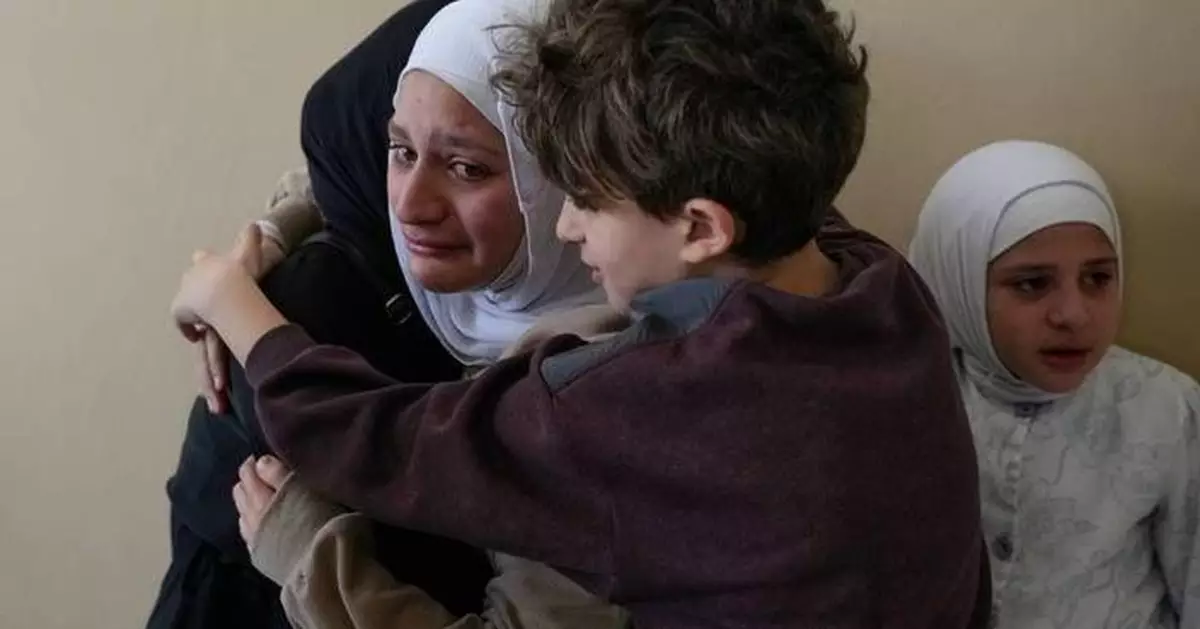
Relatives of Ghadir Baalbaki, 19, who was killed on Tuesday in an Israeli airstrike, mourn during her funeral in the southern port city of Tyre, Lebanon, Wednesday, April 15, 2026. (AP Photo/Hussein Malla)
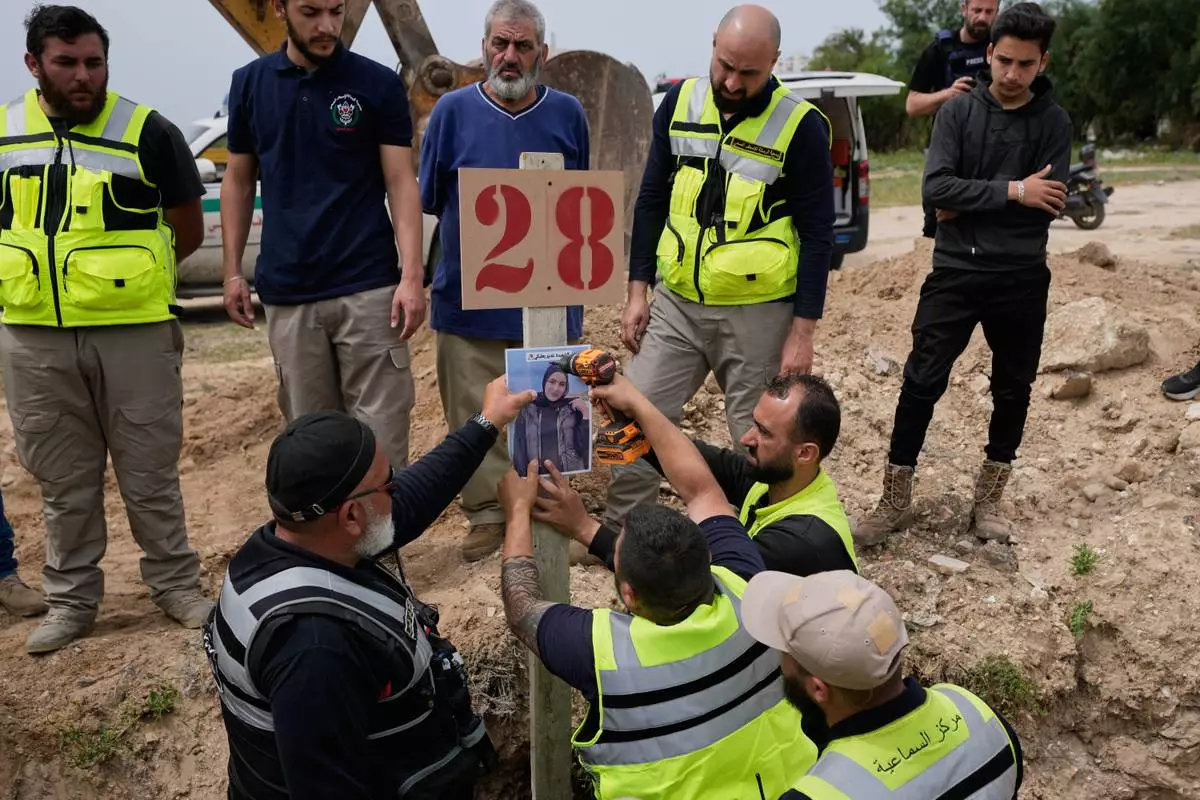
Paramedics attach a portrait over the grave of Ghadir Baalbaki, 19, who was killed on Tuesday in an Israeli airstrike, at a temporary mass grave in the southern port city of Tyre, Lebanon, Wednesday, April 15, 2026. (AP Photo/Hussein Malla)
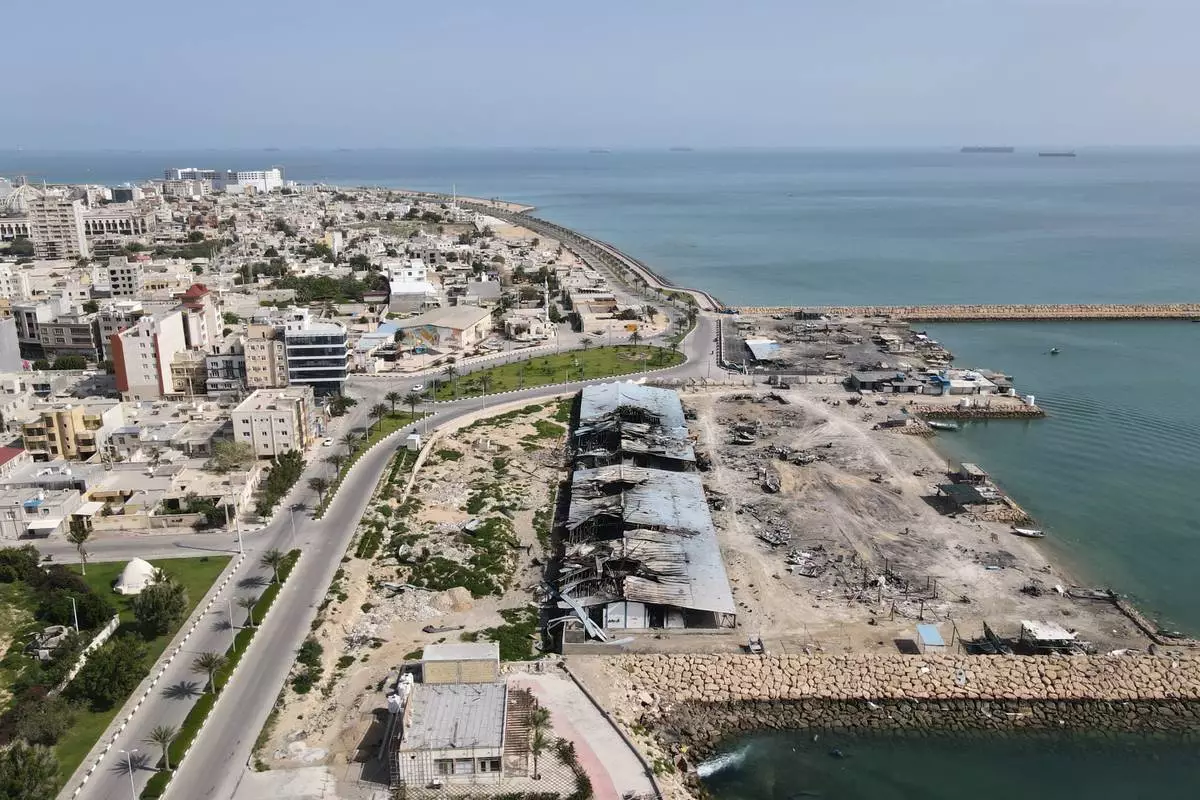
Backdropped by ships in the Strait of Hormuz, damage, according to local witnesses caused by several recent airstrikes during the U.S.-Israel military campaign, is seen on a fishing pier in the port of Qeshm island, Iran, Monday, April 13, 2026. (AP Photo/Asghar Besharati)
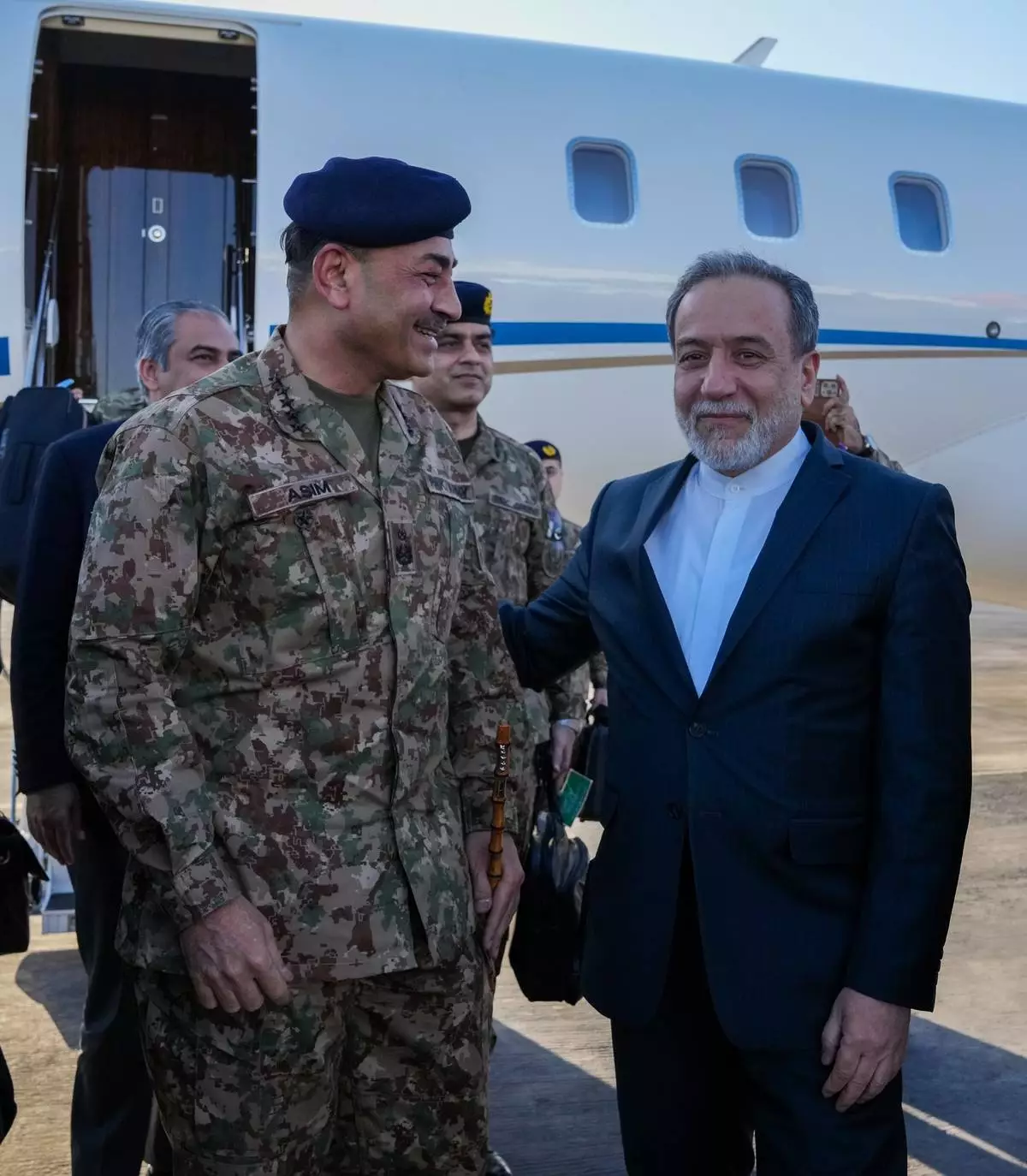
In this photo released by the Iranian Foreign Ministry, Pakistan's Army Chief Field Marshal Gen. Asim Munir, left, is welcomed by Iranian Foreign Minister Abbas Araghchi upon his arrival in Tehran, Wednesday, April 15, 2026. (Iranian Foreign Ministry via AP)
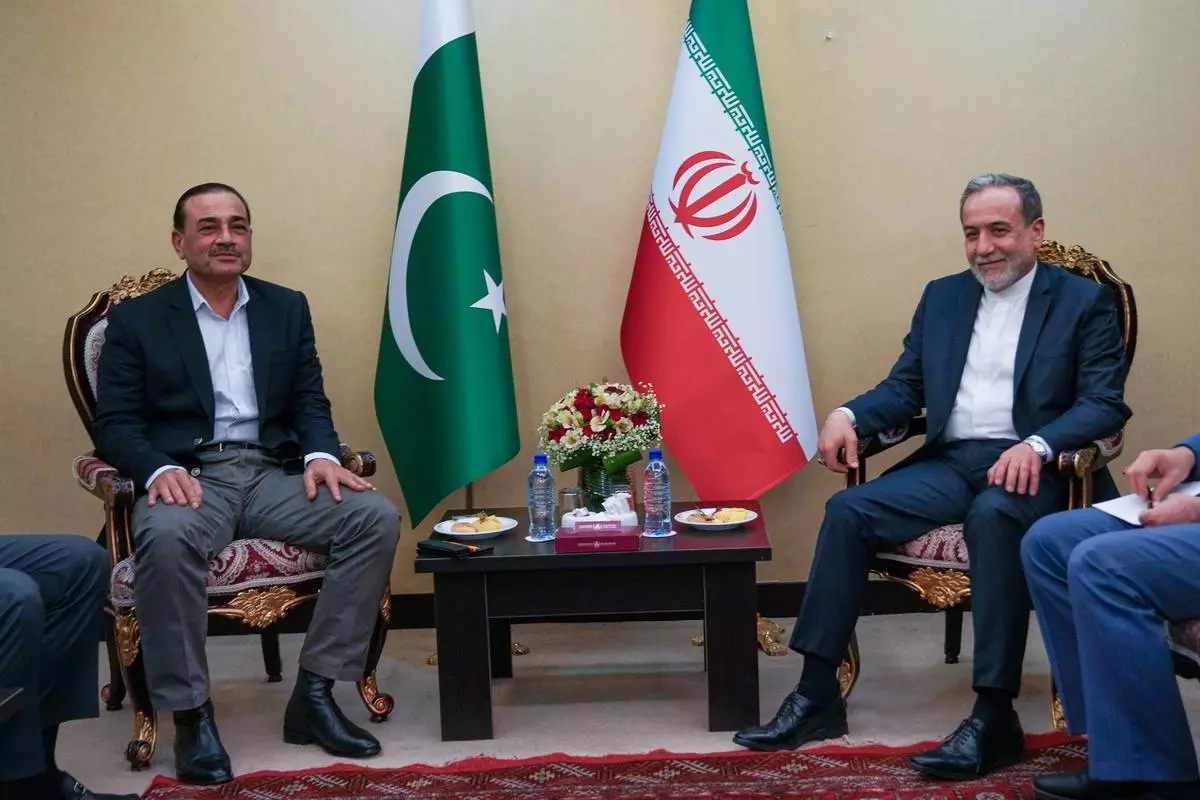
In this photo released by the Iranian Foreign Ministry, Iranian Foreign Minister Abbas Araghchi, right, meets with Pakistan's Army Chief Field Marshal Gen. Asim Munir in Tehran, Wednesday, April 15, 2026. (Iranian Foreign Ministry via AP)