DUBAI, United Arab Emirates (AP) — Iran confirmed Wednesday that the next round of nuclear talks with the United States this weekend will be held in Rome after earlier confusion over where the negotiations would be held.
The announcement by Iranian state television came as Iran's President Masoud Pezeshkian formally approved the resignation of one of his vice presidents who served as Tehran's key negotiator in its 2015 nuclear deal with world powers.
Click to Gallery
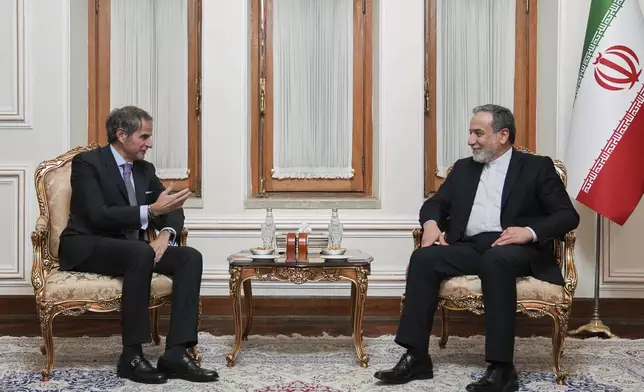
In this photo released by the Iranian Foreign Ministry, Foreign Minister Abbas Araghchi, right, listens to International Atomic Energy Agency (IAEA) Director General Rafael Mariano Grossi during their meeting in Tehran, Iran, Wednesday, April 16, 2025. (Iranian Foreign Ministry via AP)
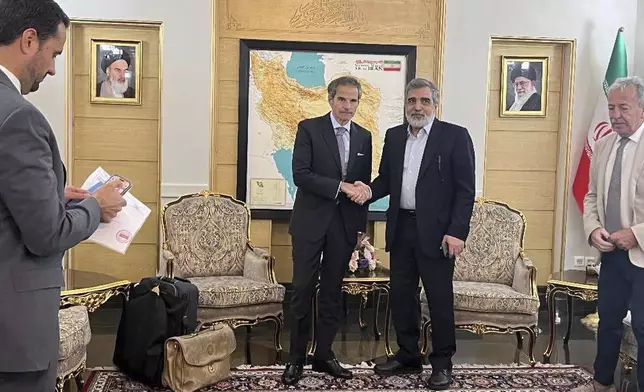
In this photo released by the Atomic Energy Organisation of Iran, International Atomic Energy Agency (IAEA) Director General, Rafael Mariano Grossi, left, shakes hands with deputy chief of Atomic Energy Organisation of Iran, Behrouz Kamalvandi, upon his arrival at Mehrabad airport in Tehran, Iran, Wednesday, April 16, 2025. (Atomic Energy Organisation of Iran via AP)
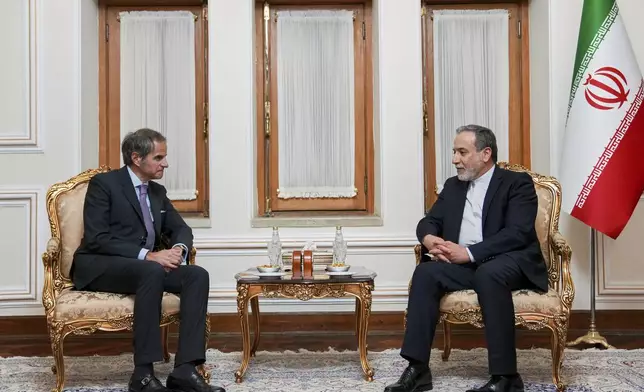
In this photo released by the Iranian Foreign Ministry, Foreign Minister Abbas Araghchi, right, speaks with International Atomic Energy Agency (IAEA) Director General Rafael Mariano Grossi during their meeting in Tehran, Iran, Wednesday, April 16, 2025. (Iranian Foreign Ministry via AP)
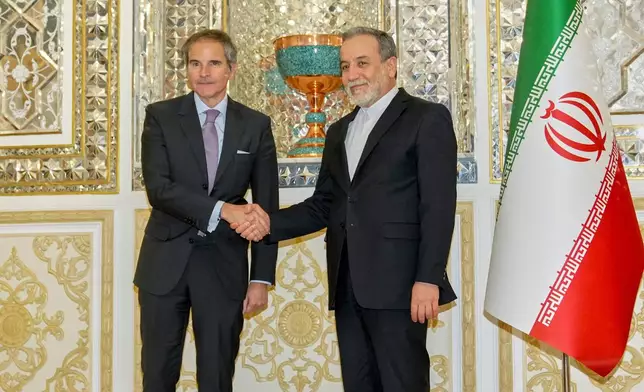
In this photo released by the Iranian Foreign Ministry, Foreign Minister Abbas Araghchi, right, shakes hands with the International Atomic Energy Agency (IAEA) Director General Rafael Mariano Grossi prior to their meeting in Tehran, Iran, Wednesday, April 16, 2025. (Iranian Foreign Ministry via AP)
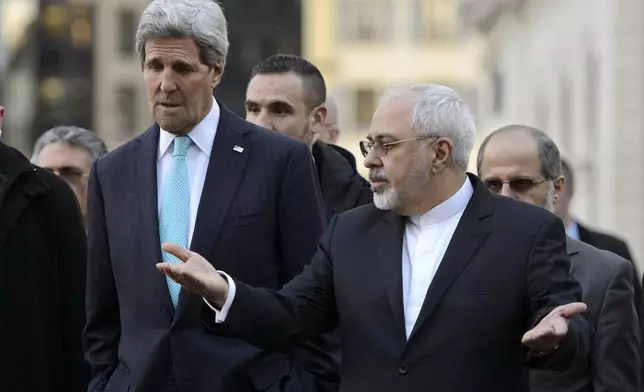
FILE - US Secretary of State John Kerry, left, listens to Iranian Foreign Minister Mohammad Javad Zarif, as they walk in the city of Geneva, Switzerland, Jan. 14, 2015, during a bilateral meeting ahead of the next round of nuclear discussions. (AP Photo/Keystone, Martial Trezzini, File)
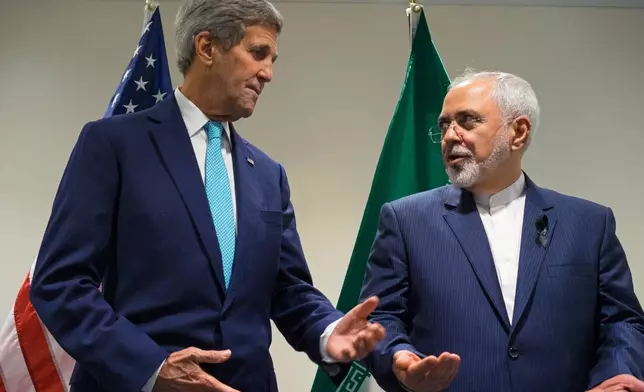
FILE - U.S. Secretary of State John Kerry, left, meets with Iranian Foreign Minister Mohammad Javad Zarif at United Nations headquarters, on Sept. 26, 2015. (AP Photo/Craig Ruttle, File)
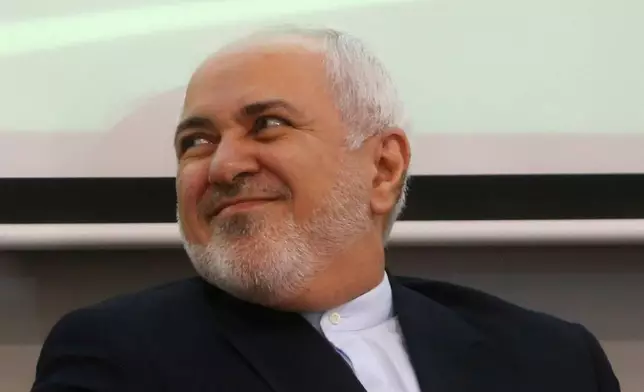
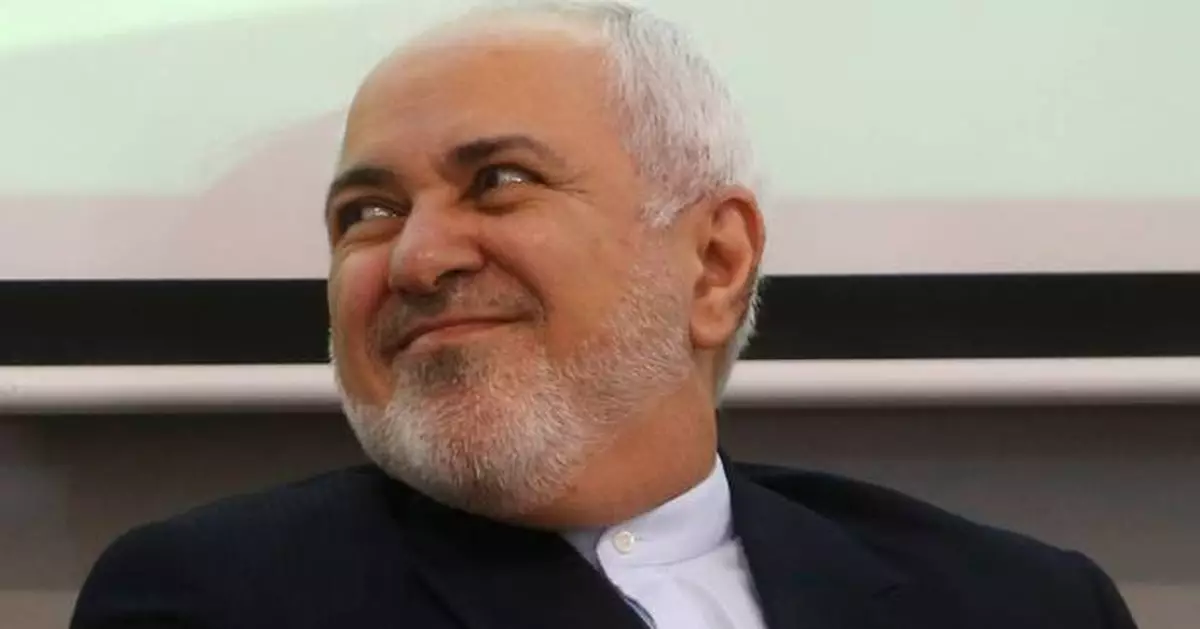
FILE - Iran's Foreign Minister Mohammad Zarif smiles during a meeting with students on a climate change forum at the Gabriel René Moreno Autonomous University, in Santa Cruz Bolivia, on July 23, 2019. (AP Photo/Juan Karita, File)
The head of the United Nations' nuclear watchdog, Rafael Mariano Grossi of the International Atomic Energy Agency, also arrived in the Islamic Republic on Wednesday. His talks may include negotiations over just what access the IAEA inspectors can get under any proposed deal.
The state TV announcement said Oman will again mediate the talks on Saturday in Rome. Oman's foreign minister served as an interlocutor between the two sides at talks last weekend in Muscat, the sultanate's capital.
Officials initially on Monday identified Rome as hosting the negotiations, only for Iran to insist early Tuesday they would return to Oman. American officials so far haven’t said publicly where the talks will be held, though Trump did call Oman’s Sultan Haitham bin Tariq on Tuesday, while the ruler was on a trip to the Netherlands.
The stakes of the negotiations couldn’t be higher for the two nations closing in on half a century of enmity. U.S. President Donald Trump repeatedly has threatened to unleash airstrikes targeting Iran’s nuclear program if a deal isn’t reached. Iranian officials increasingly warn that they could pursue a nuclear weapon with their stockpile of uranium enriched to near weapons-grade levels.
The former vice president, Mohammad Javad Zarif, served as a key supporter of Pezeshkian in his election last year but drew criticism from hard-liners within Iran's Shiite theocracy, who long have alleged Zarif gave away too much in negotiations.
In March, Zarif tendered his resignation to Pezeshkian. However, the president did not immediately respond to the letter. Zarif has used resignation announcements in the past in his political career as leverage, including in a dispute last year over the composition of Pezeshkian’s Cabinet. The president had rejected that resignation.
But on late Tuesday, a statement from the presidency said Pezeshkian wrote Zarif a letter praising him but accepting his resignation.
“Pezeshkian emphasized that due to certain issues, his administration can no longer benefit from Zarif’s valuable knowledge and expertise,” a statement from the presidency said.
The president in a decree appointed Mohsen Ismaili, 59, to be his new vice president for strategic affairs. In Iran's political system, the president has multiple vice presidents. Ismaili is known as a political moderate and a legal expert.
Grossi arrived in Tehran for meetings with Pezeshkian and others. He met Wednesday night with Iran's Foreign Minister Abbas Araghchi, writing on the social platform X after the meeting: “Cooperation with (the IAEA) is indispensable to provide credible assurances about the peaceful nature of Iran’s nuclear programme at a time when diplomacy is urgently needed.”
Iran's state-run IRNA news agency described Araghchi as briefing Grossi on the first round of talks with the U.S., while also urging the IAEA to “adopt a clear and transparent stance regarding threats against Iran’s peaceful nuclear facilities.” Both Israel and the U.S. have threatened to attack Iran's nuclear sites if a deal can't be reached to limit Tehran's program.
“As variety of spoilers are gathered to derail current negotiations, we need a Director General of Peace,” Araghchi wrote on X. “Our predisposition is to trust Grossi in mission to keep the Agency away from politics and politicization, and to retain focus on its technical mandate.”
Since the nuclear deal’s collapse in 2018 with Trump's unilateral withdraw of the U.S. from the accord, Iran has abandoned all limits on its program, and enriches uranium to up to 60% purity — near weapons-grade levels of 90%.
Surveillance cameras installed by the IAEA have been disrupted, while Iran has barred some of the Vienna-based agency’s most experienced inspectors. Iranian officials also have increasingly threatened that they could pursue atomic weapons, something the West and the IAEA have been worried about for years since Tehran abandoned an organized weapons program in 2003.
Any possible deal between Iran and the U.S. likely would need to rely on the IAEA's expertise to ensure Tehran's compliance. And despite tensions between Iran and the agency, its access has not been entirely revoked.
Meanwhile, Araghchi on Wednesday warned the U.S. about taking contradictory stances in the talks.
That likely refers to comments from U.S. Mideast envoy Steve Witkoff, who this week initially suggested a deal could see Iran go back to 3.67% uranium enrichment — like in the 2015 deal reached by the Obama administration. Witkoff then followed up with saying "a deal with Iran will only be completed if it is a Trump deal.”
“Iran must stop and eliminate its nuclear enrichment and weaponization program,” he wrote on X. “It is imperative for the world that we create a tough, fair deal that will endure, and that is what President Trump has asked me to do.”
Araghchi warned America about taking any “contradictory and opposing stances” in the talks.
“What is certain is that Iran’s enrichment (program) is a real, accepted matter," he said. "We are prepared to build trust and address any potential concerns, but the core issue of enrichment itself is not negotiable.”
Karimi reported from Tehran, Iran. Associated Press writer Amir Vahdat in Tehran contributed to this report.
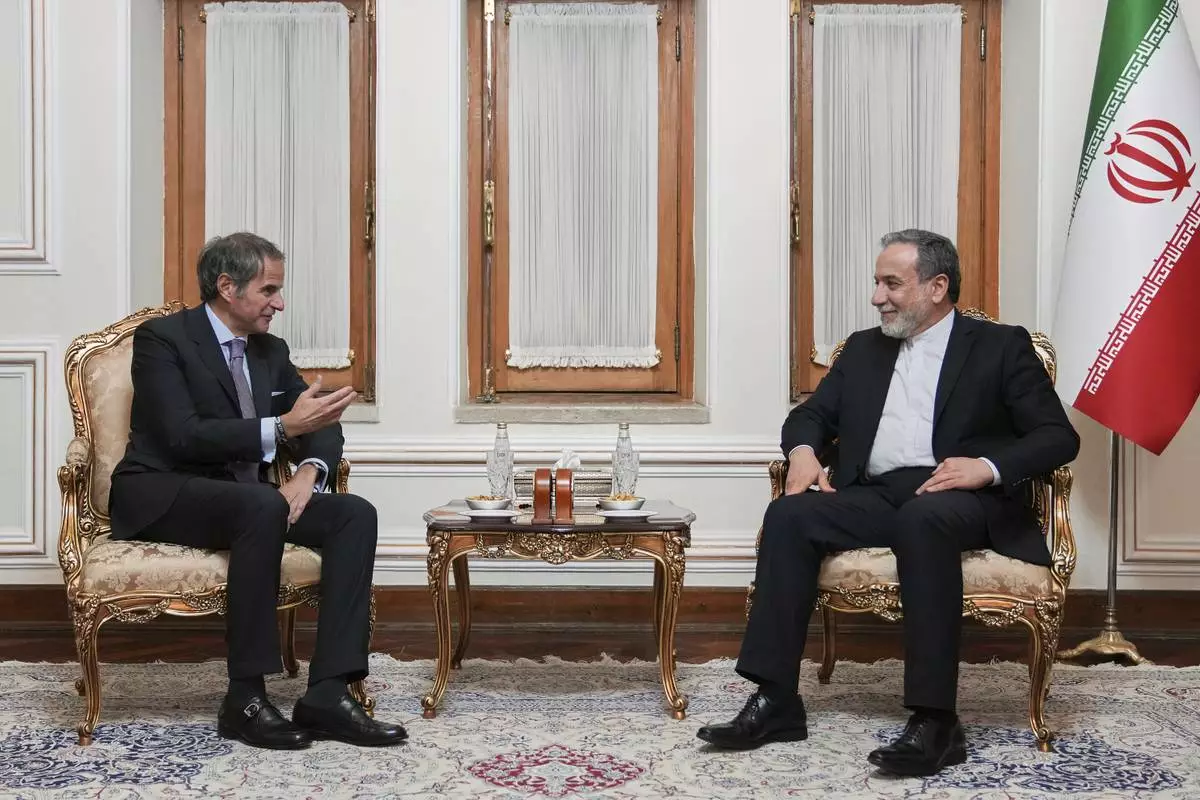
In this photo released by the Iranian Foreign Ministry, Foreign Minister Abbas Araghchi, right, listens to International Atomic Energy Agency (IAEA) Director General Rafael Mariano Grossi during their meeting in Tehran, Iran, Wednesday, April 16, 2025. (Iranian Foreign Ministry via AP)
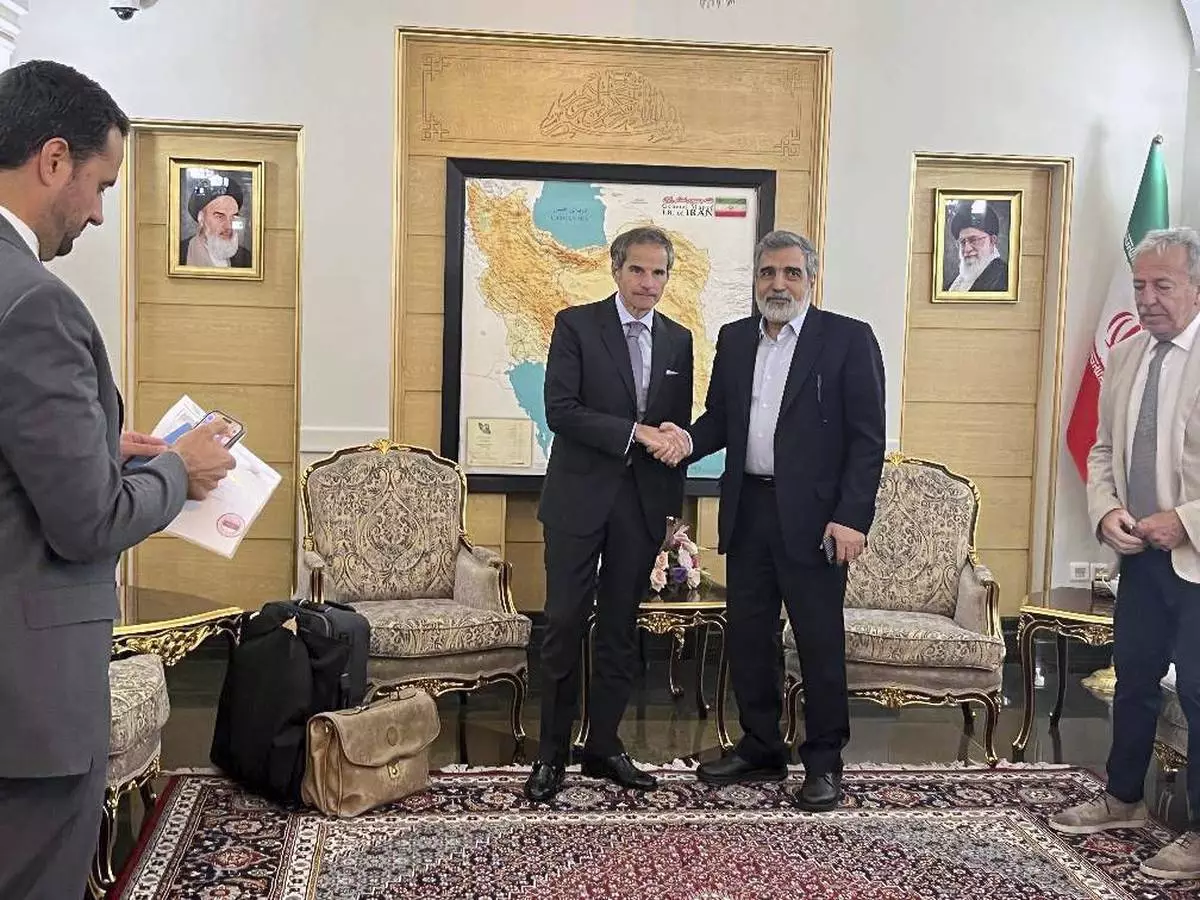
In this photo released by the Atomic Energy Organisation of Iran, International Atomic Energy Agency (IAEA) Director General, Rafael Mariano Grossi, left, shakes hands with deputy chief of Atomic Energy Organisation of Iran, Behrouz Kamalvandi, upon his arrival at Mehrabad airport in Tehran, Iran, Wednesday, April 16, 2025. (Atomic Energy Organisation of Iran via AP)
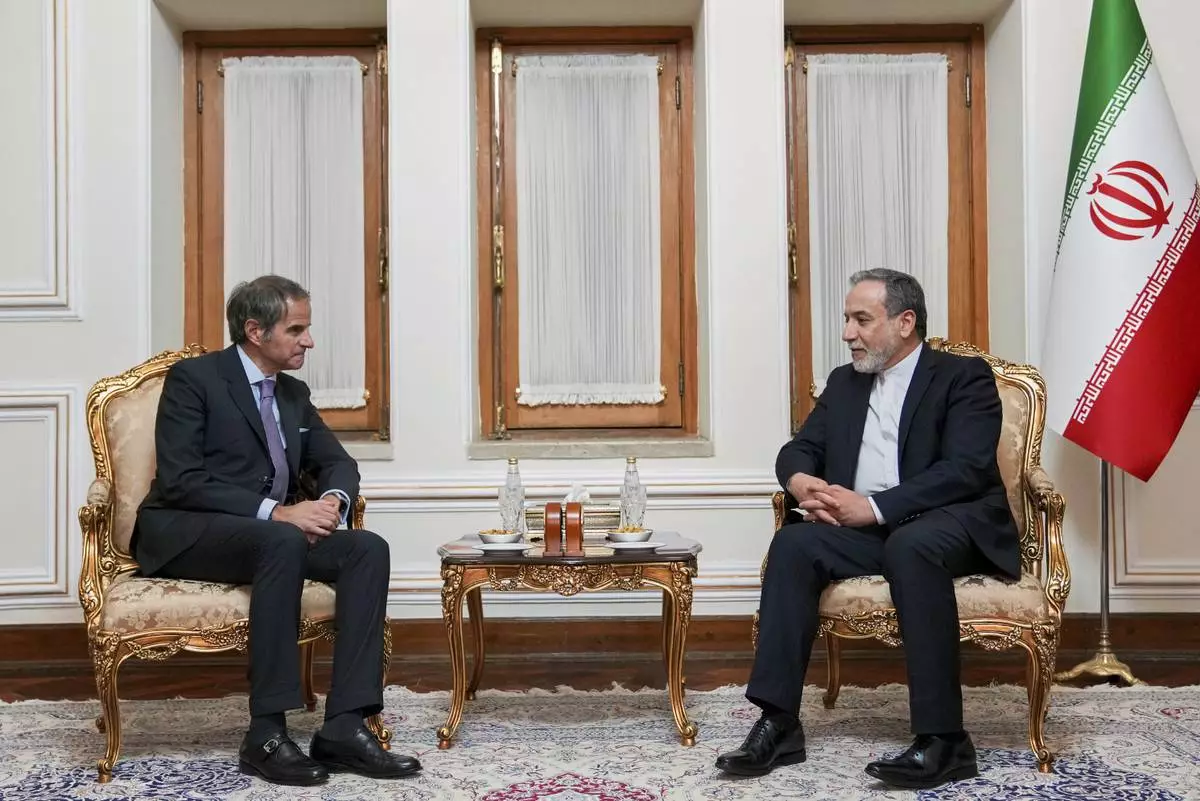
In this photo released by the Iranian Foreign Ministry, Foreign Minister Abbas Araghchi, right, speaks with International Atomic Energy Agency (IAEA) Director General Rafael Mariano Grossi during their meeting in Tehran, Iran, Wednesday, April 16, 2025. (Iranian Foreign Ministry via AP)
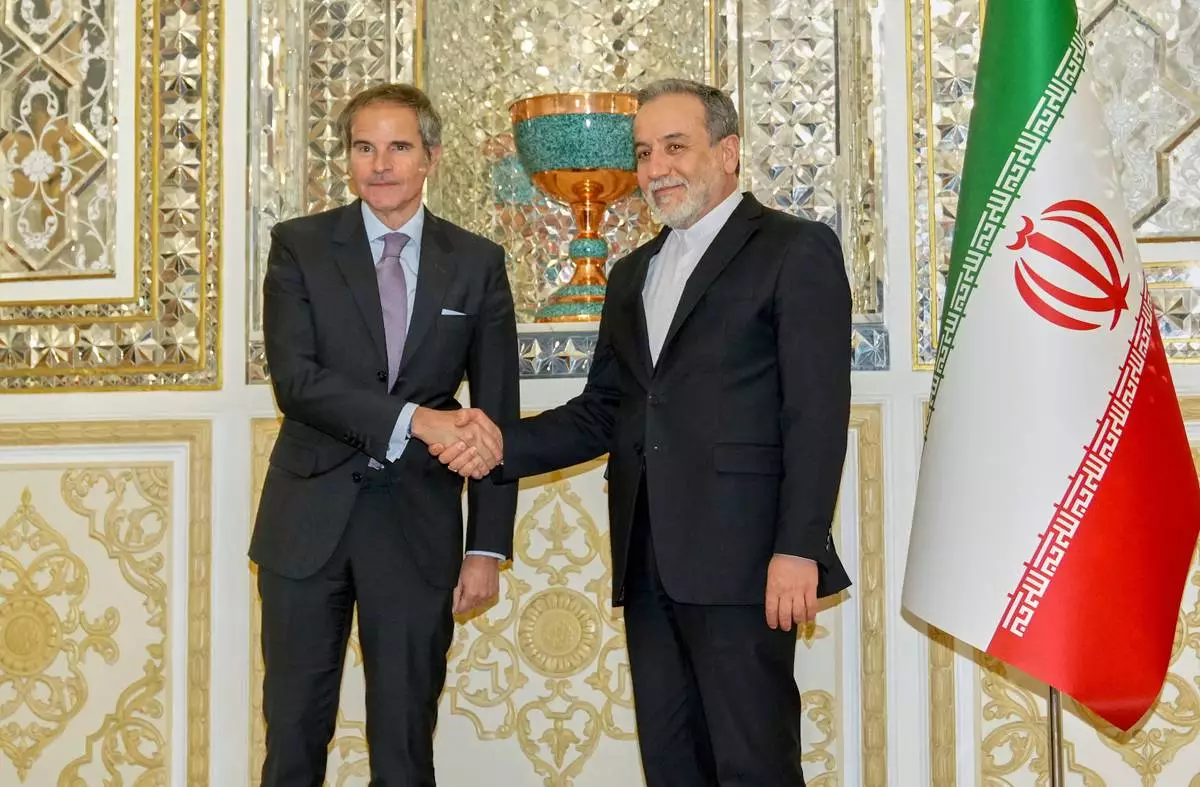
In this photo released by the Iranian Foreign Ministry, Foreign Minister Abbas Araghchi, right, shakes hands with the International Atomic Energy Agency (IAEA) Director General Rafael Mariano Grossi prior to their meeting in Tehran, Iran, Wednesday, April 16, 2025. (Iranian Foreign Ministry via AP)
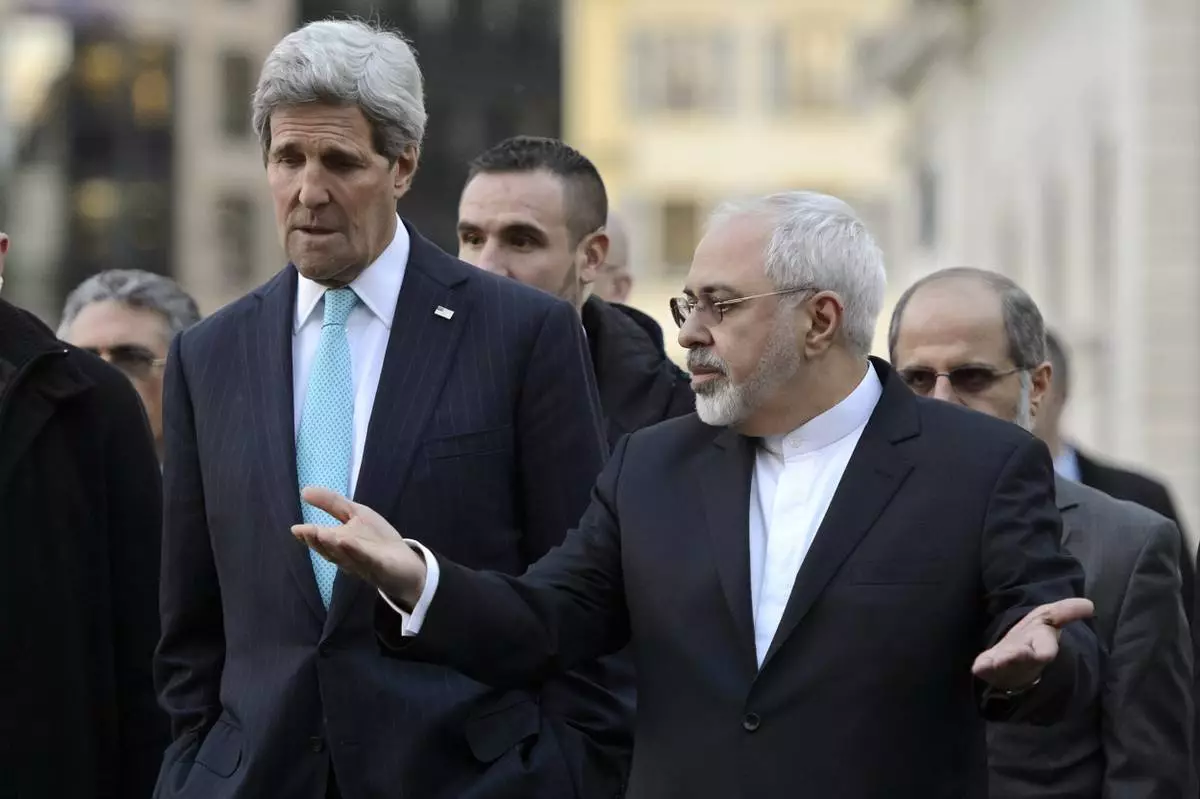
FILE - US Secretary of State John Kerry, left, listens to Iranian Foreign Minister Mohammad Javad Zarif, as they walk in the city of Geneva, Switzerland, Jan. 14, 2015, during a bilateral meeting ahead of the next round of nuclear discussions. (AP Photo/Keystone, Martial Trezzini, File)
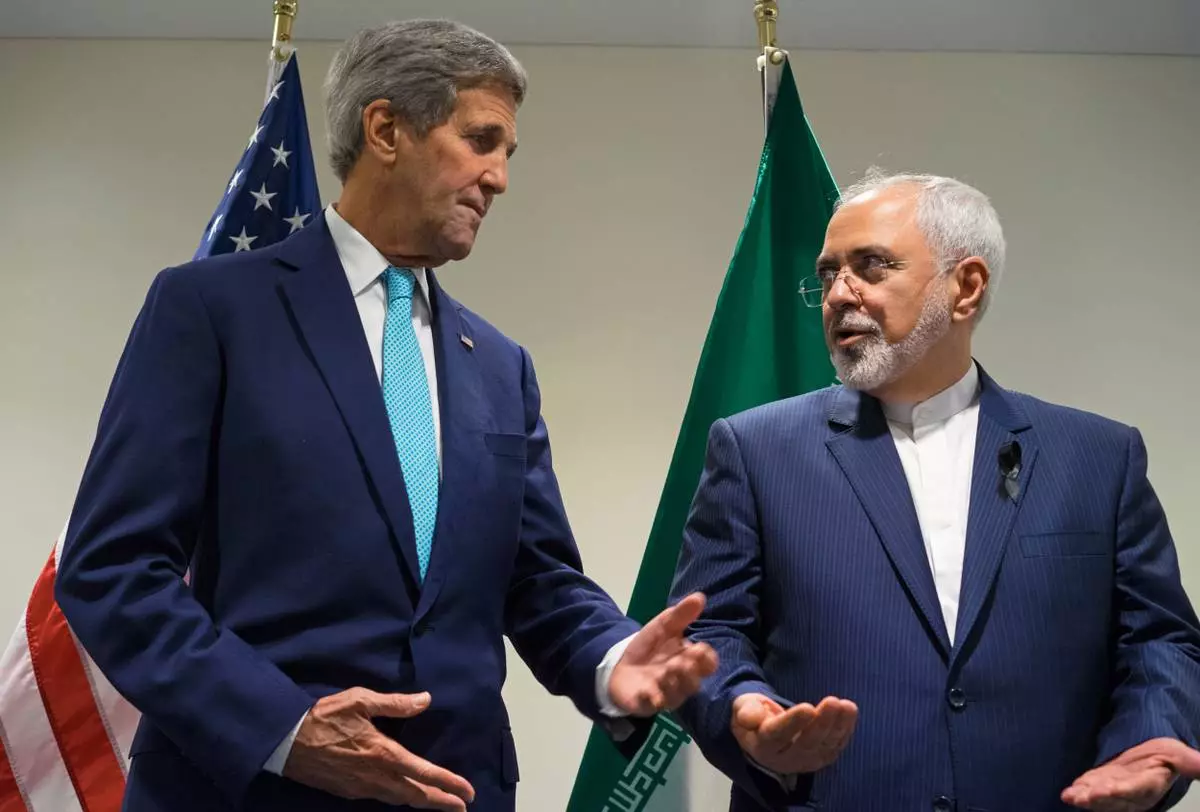
FILE - U.S. Secretary of State John Kerry, left, meets with Iranian Foreign Minister Mohammad Javad Zarif at United Nations headquarters, on Sept. 26, 2015. (AP Photo/Craig Ruttle, File)
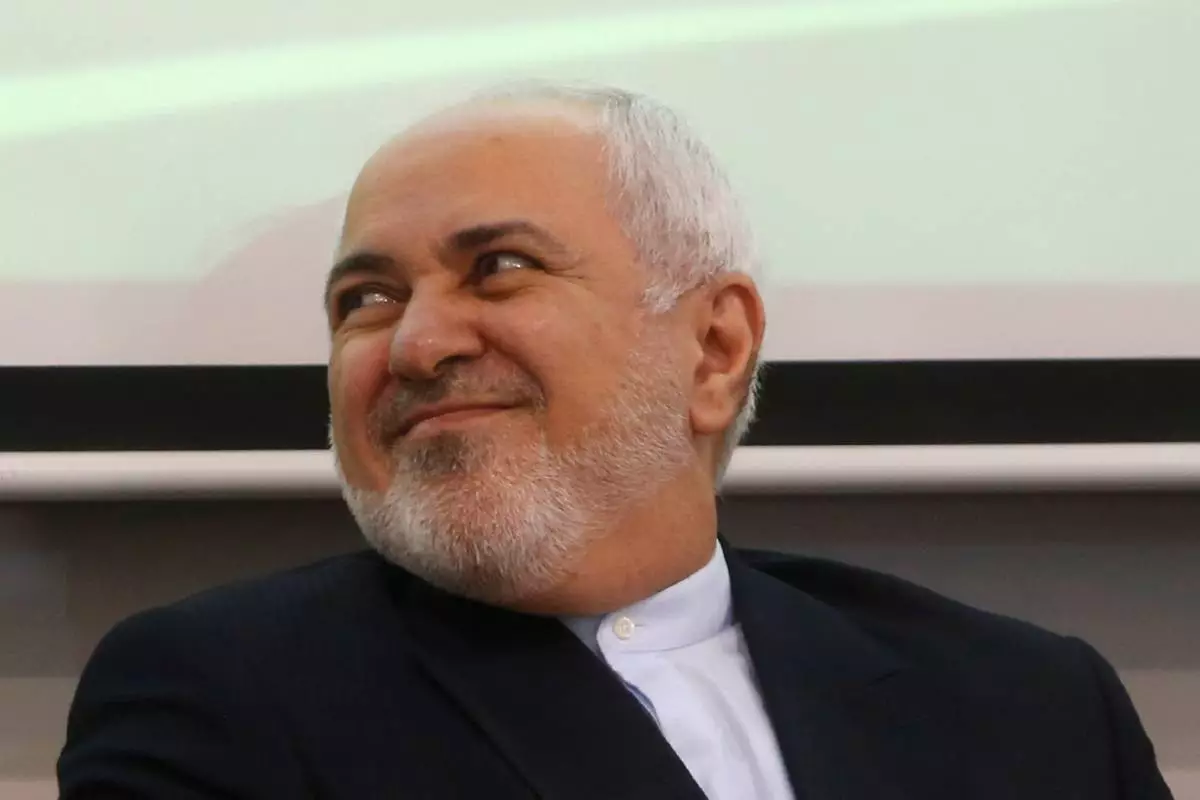
FILE - Iran's Foreign Minister Mohammad Zarif smiles during a meeting with students on a climate change forum at the Gabriel René Moreno Autonomous University, in Santa Cruz Bolivia, on July 23, 2019. (AP Photo/Juan Karita, File)