LISMORE, Australia--(BUSINESS WIRE)--Apr 16, 2025--
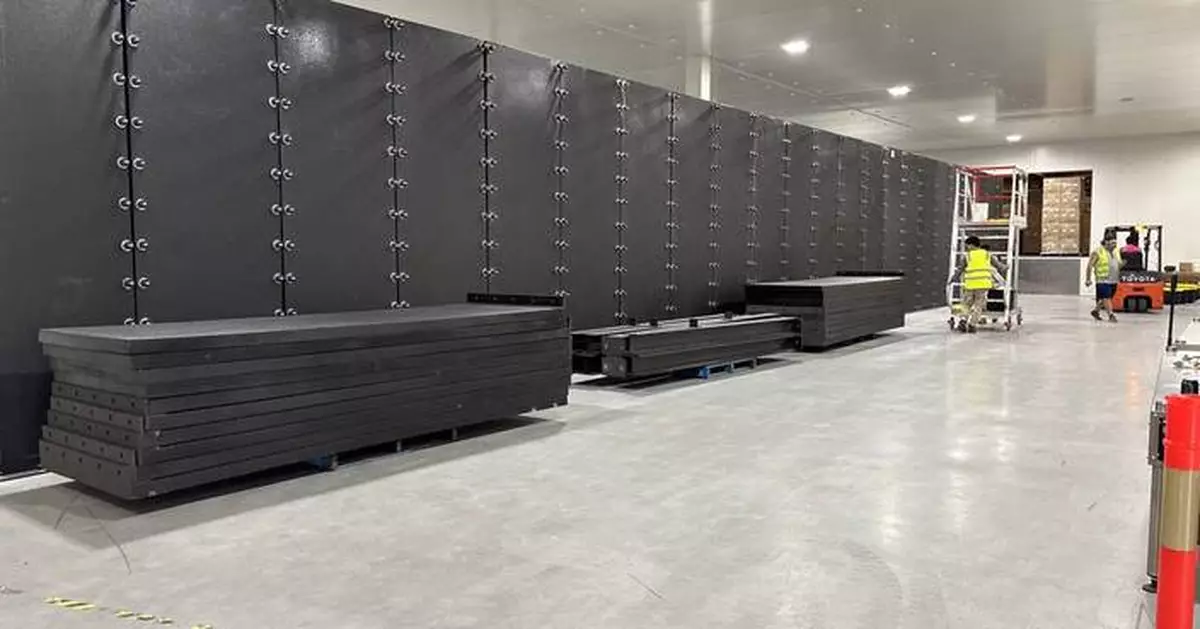
FedEx Station in Lismore put its custom flood barriers to the test during Cyclone Alfred. While Alfred was a lower-tier storm, its slow movement caused significant damage with heavy rain, storm surges, and strong winds to coastal areas for days before landfall.
This press release features multimedia. View the full release here: https://www.businesswire.com/news/home/20250416508678/en/
Cyclone Alfred’s impact continues to be felt in the community, with extensive clean-up efforts and insurance losses that have reached AU $1.2 billion. Many businesses and property owners faced disruptions and losses, highlighting the need for strong flood defenses.
Understanding the potential risk in Lismore, FedEx partnered with Flood Risk America to implement a proactive flood mitigation strategy. FRA designed and installed custom flood panels tailored to the facility’s unique structure and flood exposure. Flood barriers play a critical role for facilities like FedEx, helping to minimize damage and ensure operations can be restored quickly.
During a storm, a distribution center like FedEx is under the threat of serious flood damage to packages and mail, sorting equipment, storage areas, electrical systems, computer networks, and more. The cost of delays and repairs can be significant, particularly for an essential delivery service that businesses and residents rely on daily.
Flood Risk America’s flood barriers are built with durable marine-grade materials, featuring a high-performance gasket that creates a watertight seal to prevent water from seeping through. These custom panels are secured with either wall and floor anchors or compression panels to keep them firmly in place even under intense pressure. Engineered for maximum strength, FRA’s flood panels can withstand the force of a Category 5 hurricane.
“Flood damage can be devastating for any business. With the right flood protection in place, businesses can focus on continued operations instead of recovery,” said Stephen Gill, co-founder of Flood Risk America. “ Our goal is to provide businesses and homeowners with the strongest possible defense against extreme weather.”
Flood Risk America specializes in high-quality flood protection solutions, offering strong and reliable products designed to withstand the harshest conditions. The company has worked with clients across various industries around the globe, providing customized flood prevention systems that mitigate risk and minimize damage.
For more information about Flood Risk America’s flood protection solutions, visit www.floodriskamerica.com, call + 1 (561) 578-4220 or email info@floodriskamerica.com.
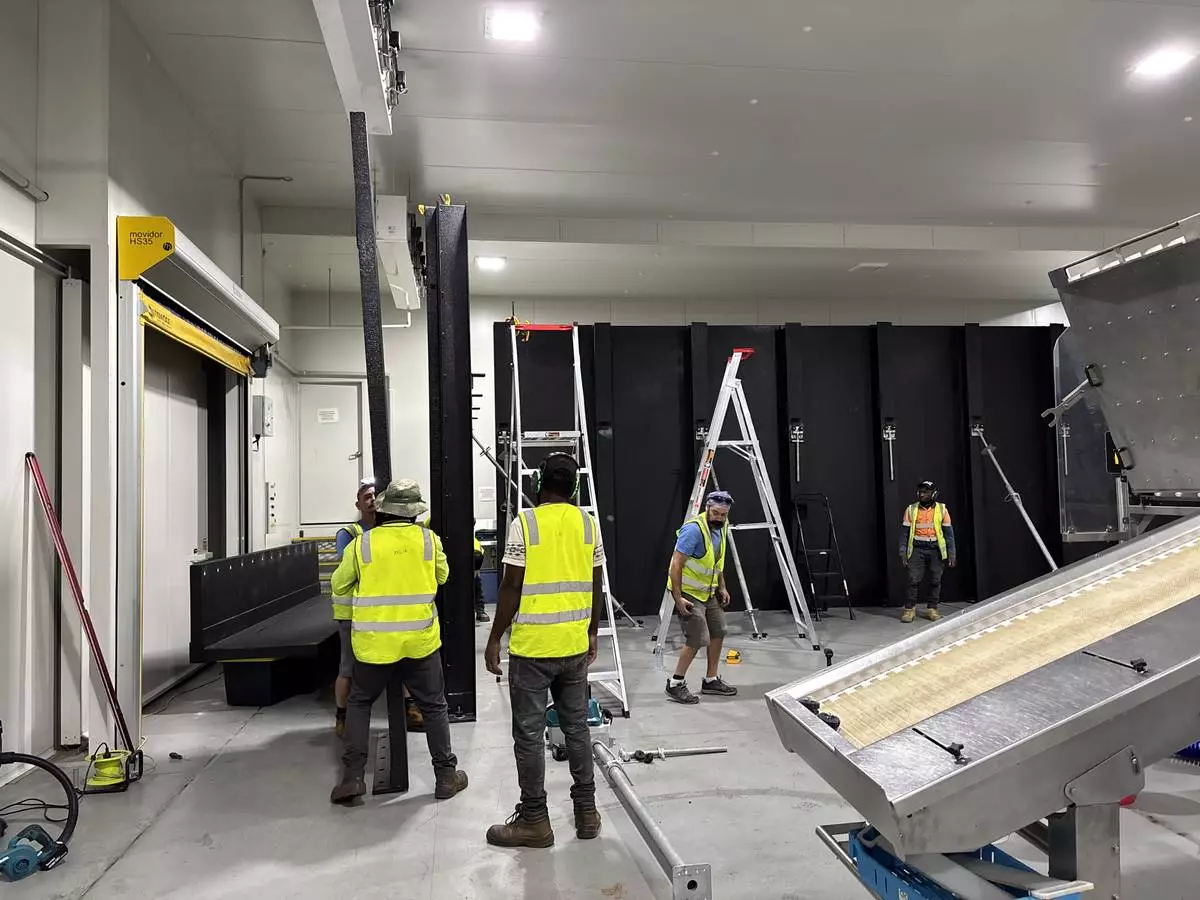
The Flood Risk America crew installing custom flood barriers at FedEx Lismore NSW.
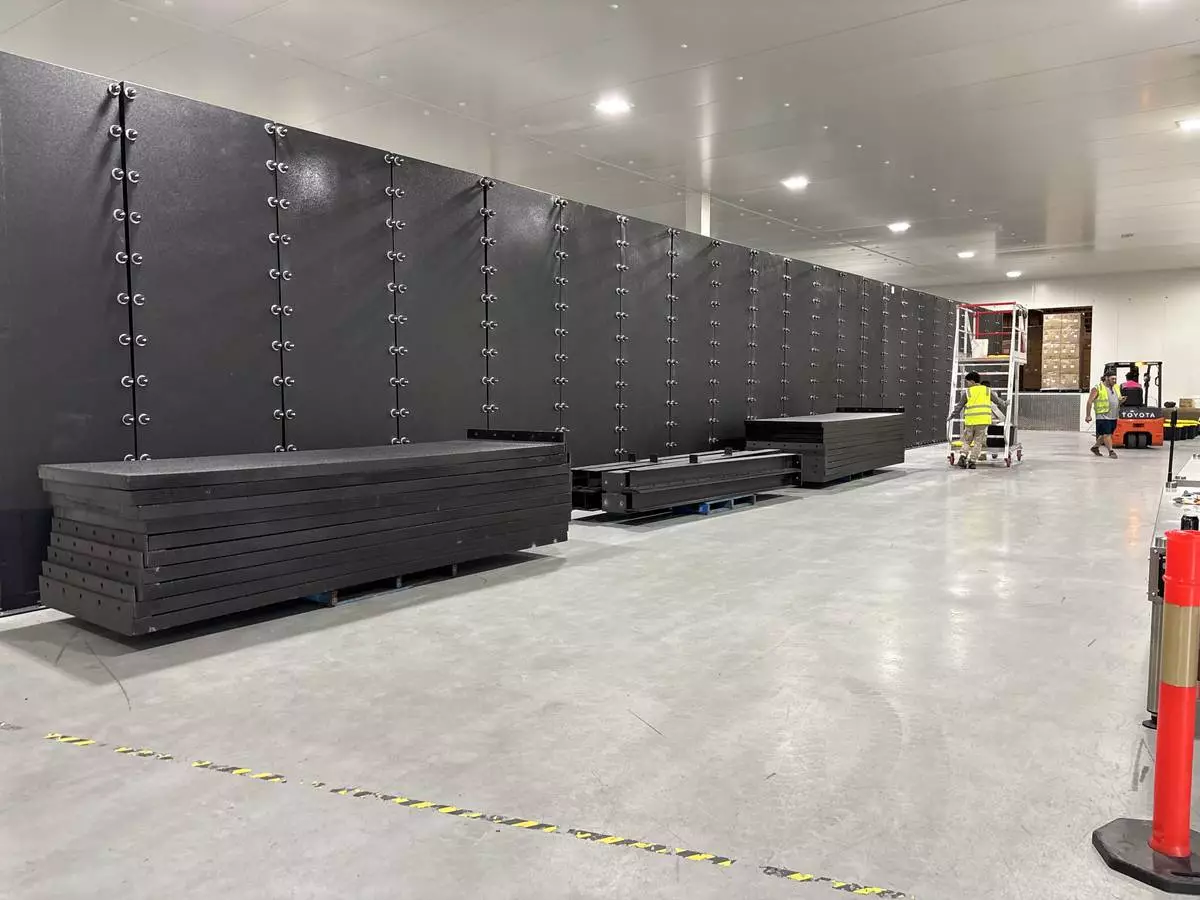
Flood mitigation in action: FedEx Lismore equipped with Flood Risk America's custom flood barriers.
DENVER (AP) — Iván Herrera hit a three-run homer in the ninth inning to rally the St. Louis Cardinals past the Colorado Rockies 7-6 on Friday night, tightening a crowded race for the final National League wild card.
St. Louis pulled even with Miami at 71-71 as both teams chase San Diego (74-67) and Arizona (74-68) for the last NL playoff berth.
With the Cardinals trailing 6-4 in the ninth, Thomas Saggese drew a leadoff walk from Jordan Romano (0-3) and stole second with one out. He went to third when José Fermín reached on a throwing error by third baseman Connor Norby.
Herrera then drove a 1-2 slider 430 feet to center field for his 15th home run, handing Romano his fourth blown save.
Riley O'Brien struck out two in the ninth for his 36th save. After committing a throwing error on a pickoff attempt that advanced the potential tying run to second base, O'Brien fanned rookie Cole Carrigg to end it.
Cade Winquist (1-0) worked 1 2/3 scoreless innings for his first major league win.
Carrigg hit an inside-the-park home run and TJ Rumfield also homered and finished with three hits for Colorado.
The Rockies rallied to take the lead in the sixth after St. Louis starter Andre Pallante held them to a run through five innings.
Rumfield hit a one-out triple off Hancel Rincon, who was making his major league debut, and scored on a wild pitch. Carrigg’s drive off the wall in center got away from outfielder Nathan Church, and the speedy Carrigg scored easily.
Justin Bruihl, who came on after a single, was called for a pitch-clock violation. Cardinals manager Oliver Marmol argued with plate umpire Doug Eddings and was ejected.
Norby scored on Adael Amador’s single, and Troy Johnston was ruled safe when he raced home from third on Zac Veen’s sacrifice bunt. Replays showed catcher Leo Bernal tagged Johnston, but St. Louis lost its challenge earlier in the inning on Rumfield’s triple.
Rumfield’s solo homer in the seventh, his 15th of the season, extended the lead.
Cardinals LHP Matthew Liberatore (5-13, 5.41 ERA) goes for his first win in nine starts against Rockies rookie RHP Mason Adams (0-0, 3.00) on Saturday night.
See AP’s full MLB coverage here
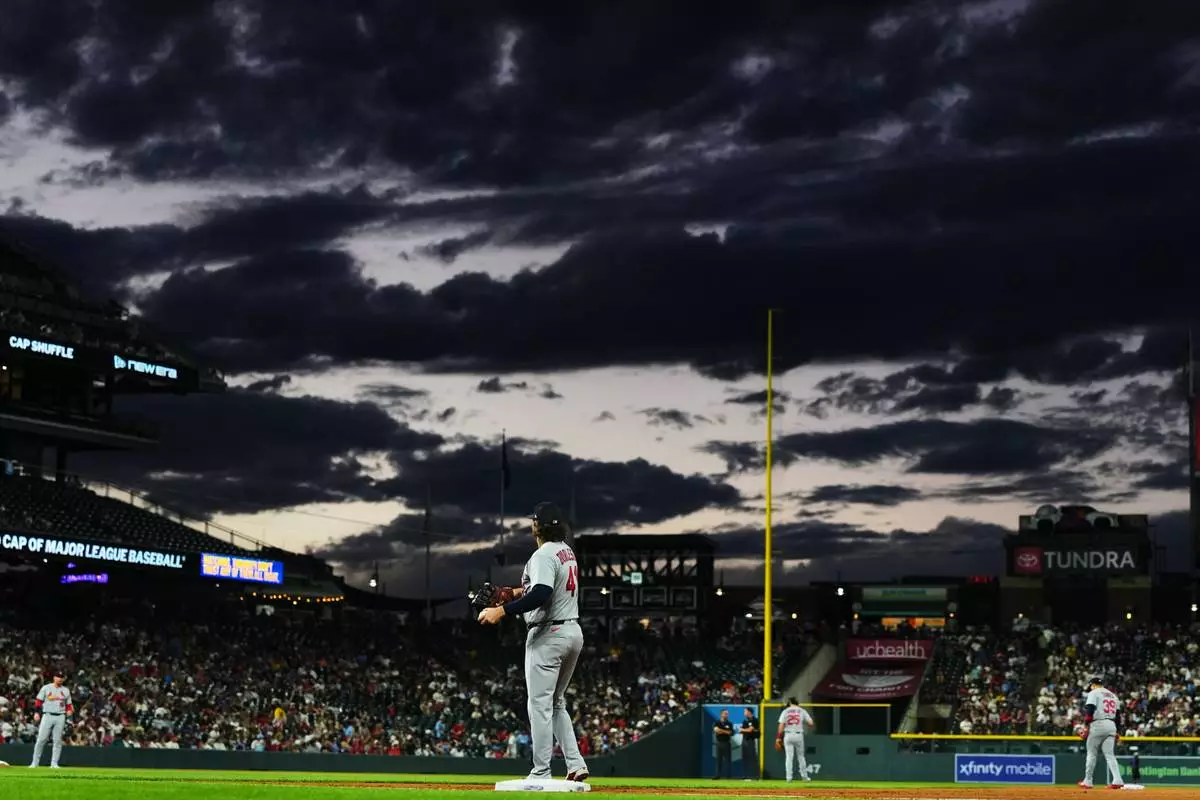
St. Louis Cardinals first baseman Alec Burleson warms up the infielders as clouds roll over Coors Field before the bottom of the fourth inning of a baseball game against the Colorado Rockies Friday, Sept. 4, 2026, in Denver. (AP Photo/David Zalubowski)
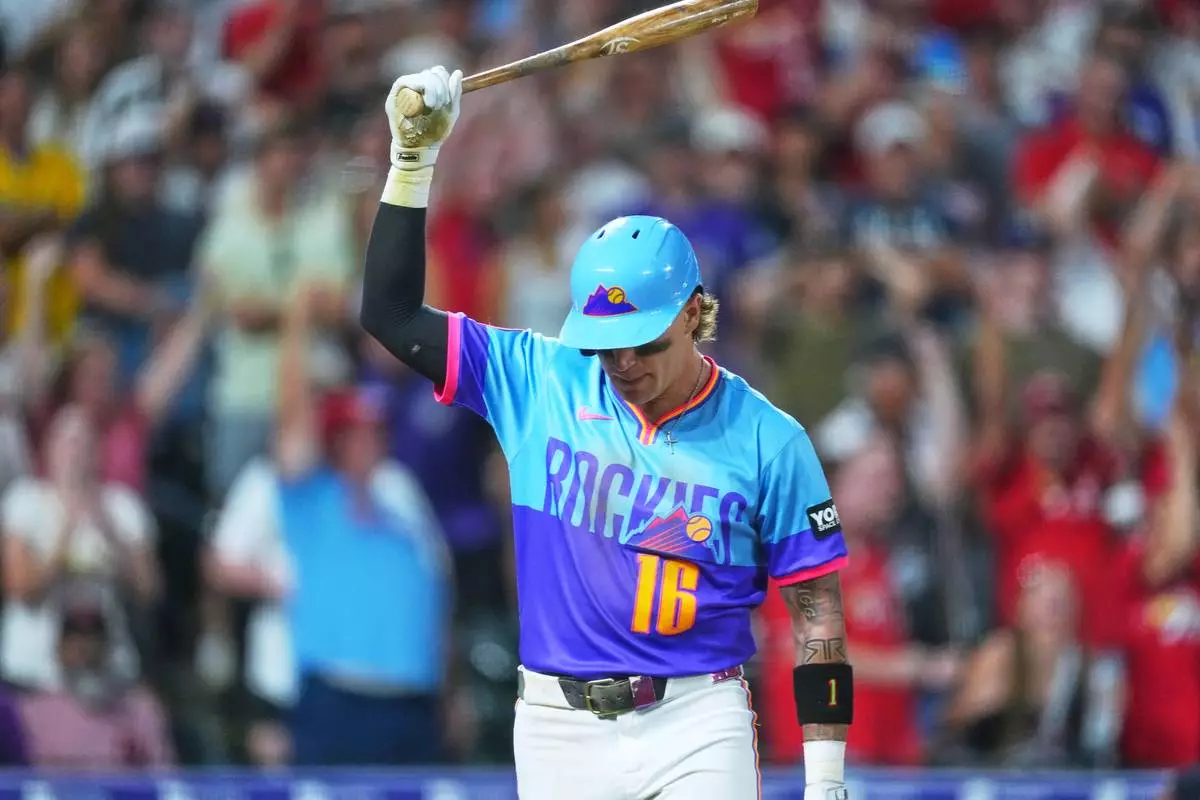
Colorado Rockies' Cole Carrigg reacts after striking out against St. Louis Cardinals relief pitcher Riley O'Brien to end a baseball game Friday, Sept. 4, 2026, in Denver. (AP Photo/David Zalubowski)
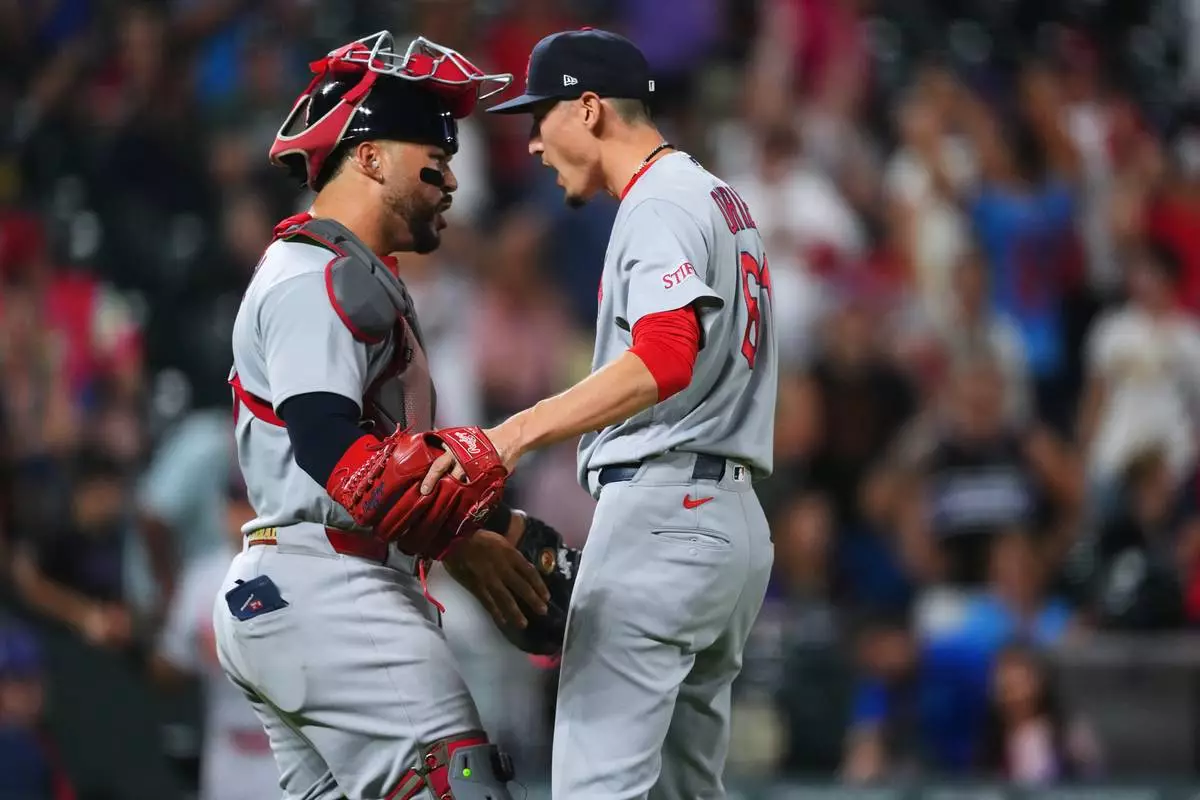
St. Louis Cardinals catcher Leo Bernal, left, congratulates relief pitcher Riley O'Brien, right, after a baseball game against the Colorado Rockies, Friday, Sept. 4, 2026, in Denver. (AP Photo/David Zalubowski)
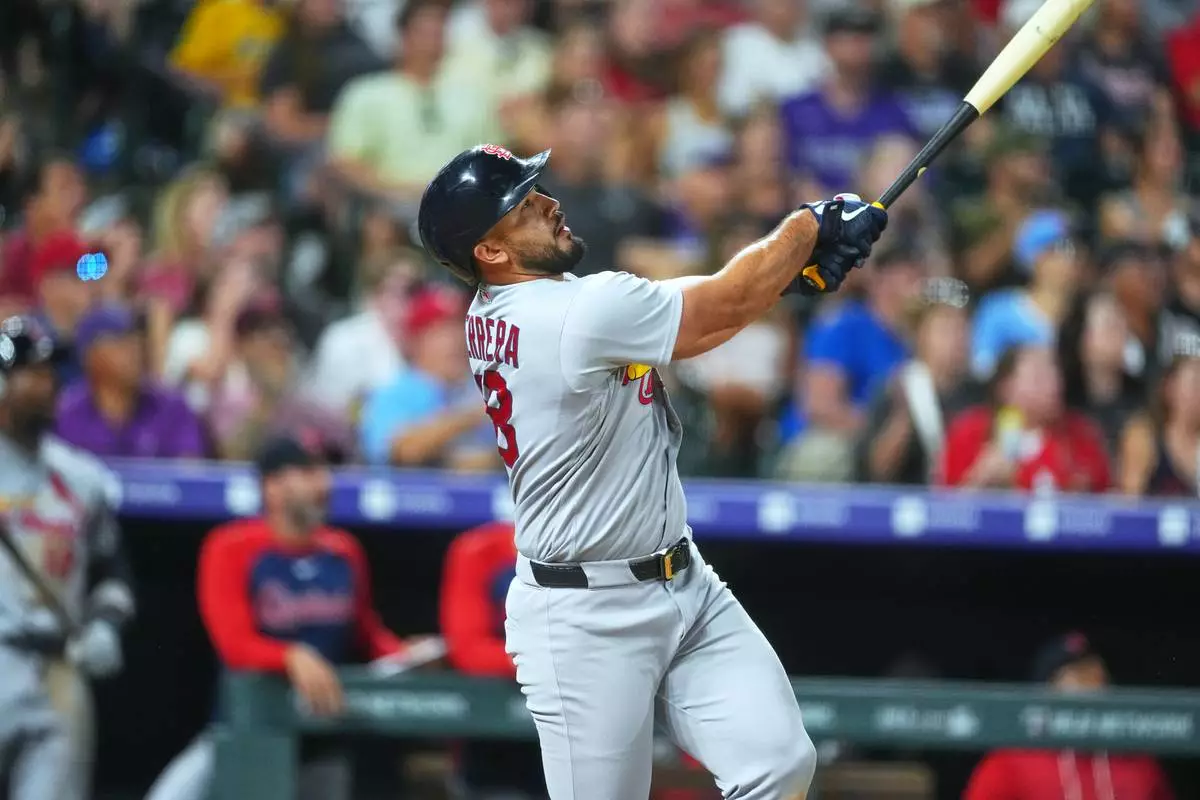
St. Louis Cardinals' Iván Herrera watches his three-run home run off Colorado Rockies relief pitcher Jordan Romano in the ninth inning of a baseball game Friday, Sept. 4, 2026, in Denver. (AP Photo/David Zalubowski)
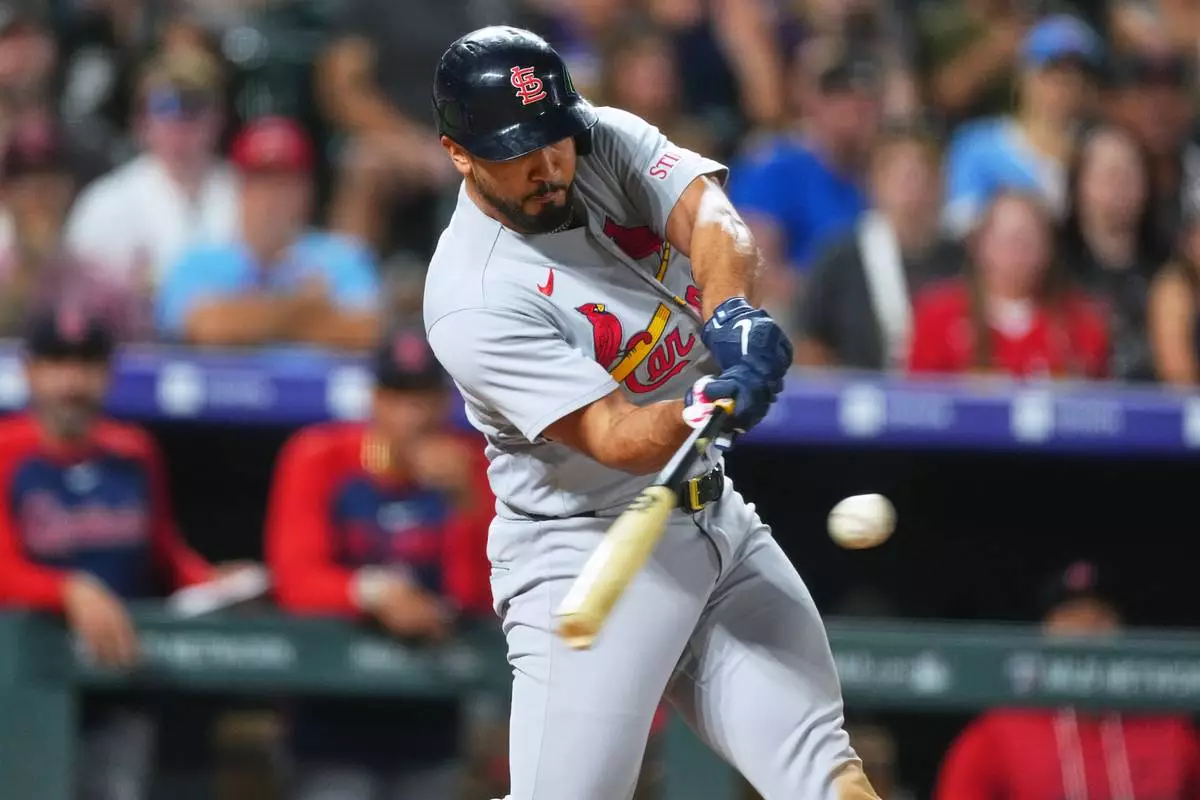
St. Louis Cardinals' Iván Herrera connects for a three-run home run off Colorado Rockies relief pitcher Jordan Romano in the ninth inning of a baseball game Friday, Sept. 4, 2026, in Denver. (AP Photo/David Zalubowski)