The railway port of Erenhot, the largest land port on the China-Mongolia border, handled the 1,000th China-Europe freight train of this year on Saturday afternoon, two days sooner than last year, according to local customs.
Located in north China's Inner Mongolia Autonomous Region, the Erenhot Port is the first Chinese port on the China-Mongolia border that offers round-the-clock passage for freight transporters.
The Erenhot Railway Port is at the heart of the China-Mongolia-Russia Economic Corridor, with 72 routes being operated, covering more than 60 cities across 24 provinces in China, and reaching over 70 hub ports in more than 10 European countries including Germany, Poland and Russia.
Since the first China-Europe freight train passed through the port in 2013, it has handled a total of 18,000 such trains. Through scientific scheduling, precise loading, and efficient collaboration, the port has ensured smooth and seamless flows of inbound and outbound operation this year.
In the first quarter, the average transit time at the Erenhot Railway Port was reduced by 19.7 hours year on year, and cargo operation time by 10.2 hours.
A total of 995,600 tons of goods and 91,700 twenty-foot equivalent units (TEUs) were transported via China-Europe freight trains passing through the port in the first three months of the year.
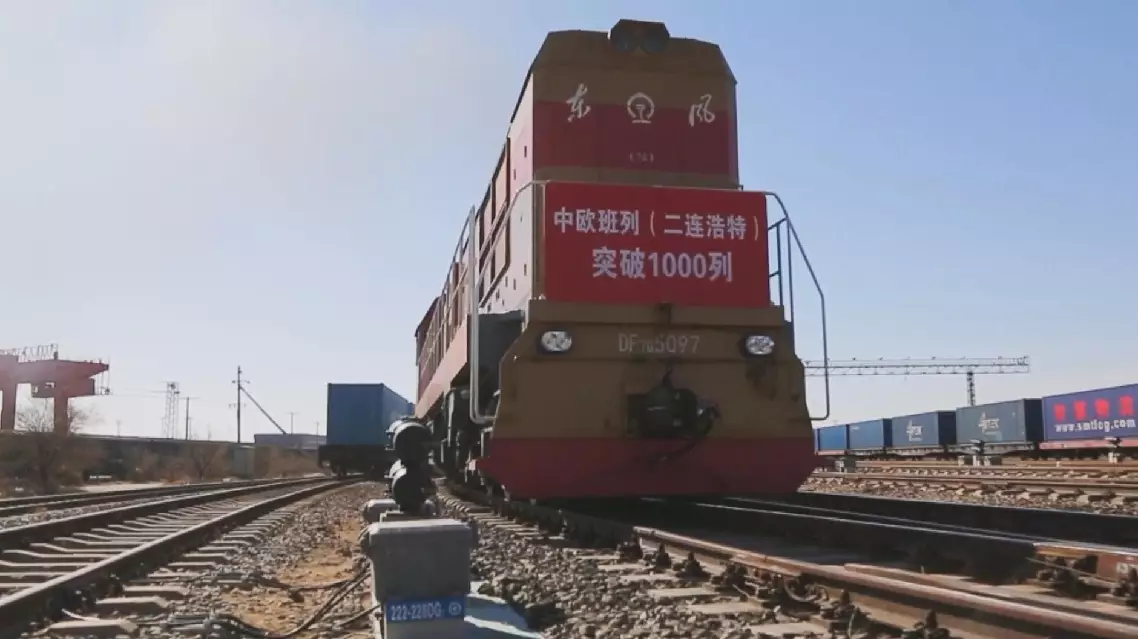
Erenhot handles 1,000 China-Europe freight trains sooner
Khalilur Rahman, president of the 81st session of the UN General Assembly, urged the United Nations to confront its shortcomings, pursue reform and broaden participation to regain international trust.
The general debate of the 81st session of the UN General Assembly opened at the UN headquarters in New York city on Tuesday.
While presiding over the opening of the general debate which is themed "Restoring trust, managing transformation: a United Nations that delivers for all," Rahman said that in more than 80 years since its founding, the United Nations has helped avoid new world wars and played an important role in peacekeeping, humanitarian relief and development.
But he cautioned that the United Nations' mere existence should not be treated as a measure of success as prolonged armed conflicts and humanitarian crises show that the United Nations must honestly acknowledge tasks it has failed to complete.
Rahman then outlined three priorities for the United Nations to rebuild its trust from the international community.
"Trust is not given. It is earned. And we earn trust, I believe, in three ways: first, by being unapologetically realistic about where we are falling behind; second, by taking a foundational look at the reforms of the United Nations to deliver better; and third, by making our work inclusive and engaging all relevant stakeholders, from all parts of our society," Rahman said.
On reform, Rahman said measures, such as budget adjustments, merging agencies and streamlining structures, are necessary but far from sufficient.
He argued that reform must tackle deeper and long-standing structural issues, and be actively driven by member states.
He noted that UN member states have an opportunity in this session to show that they have learned from what works, that they are prepared to confront what does not, and that they can build a United Nations capable not simply of surviving change, but of shaping change.
"To seize that opportunity, we must be realistic enough to confront hard truths, bold enough to reform, and inclusive enough to bring the right people to the table," said Rahman.
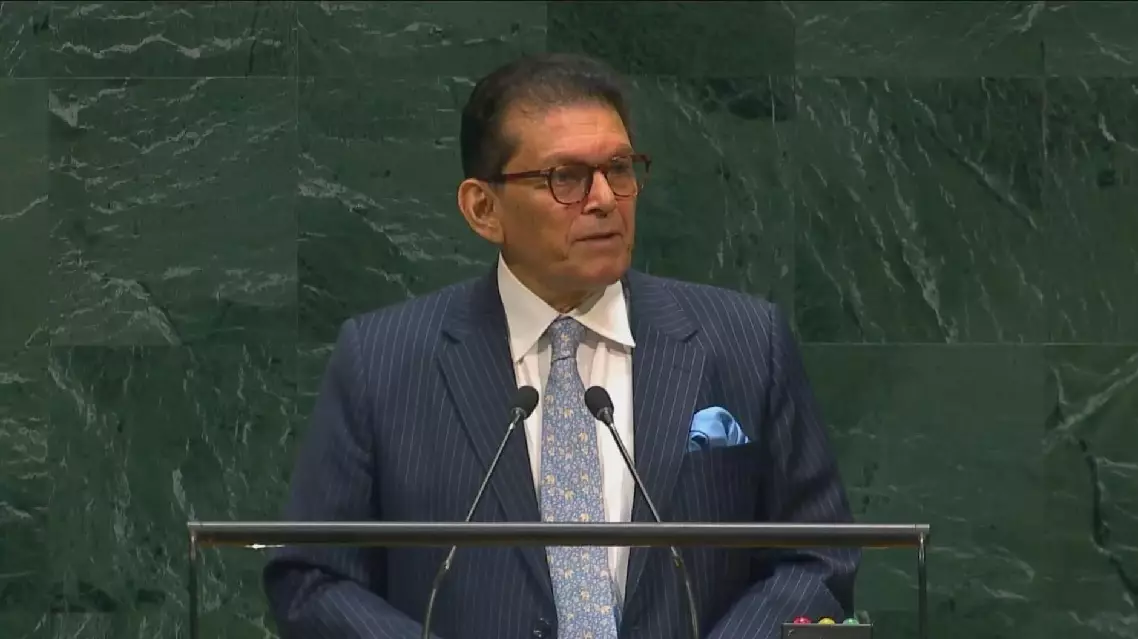
UN General Assembly president calls for deeper reform to rebuild global trust