Chinese carmaker XPeng Motors led Israel's electric vehicle (EV) market in the first seven months of 2026, selling 3,503 units, according to data released Sunday by the Israel Vehicle Importers Association.
XPeng's Israeli lineup includes the mid-size electric crossover SUVs G6 and G9, the executive sedan P7, and the seven-seat luxury minivan X9.
America's Tesla ranked second with 3,162 units, followed by China's Changan Automobile with 2,318 units.
In the seven months, Chinese brands led Israel's EV market with a commanding share of over 70 percent.
In the overall vehicle market, including gasoline, hybrid, and electric cars, Chinese manufacturers led with 90,206 units sold. South Korea followed with 32,728 units, while Japanese automakers sold 20,981 units.
China's Chery led the broader market with 46,542 cars sold, followed by Japan's Toyota with 19,028 and South Korea's Hyundai with 18,023.
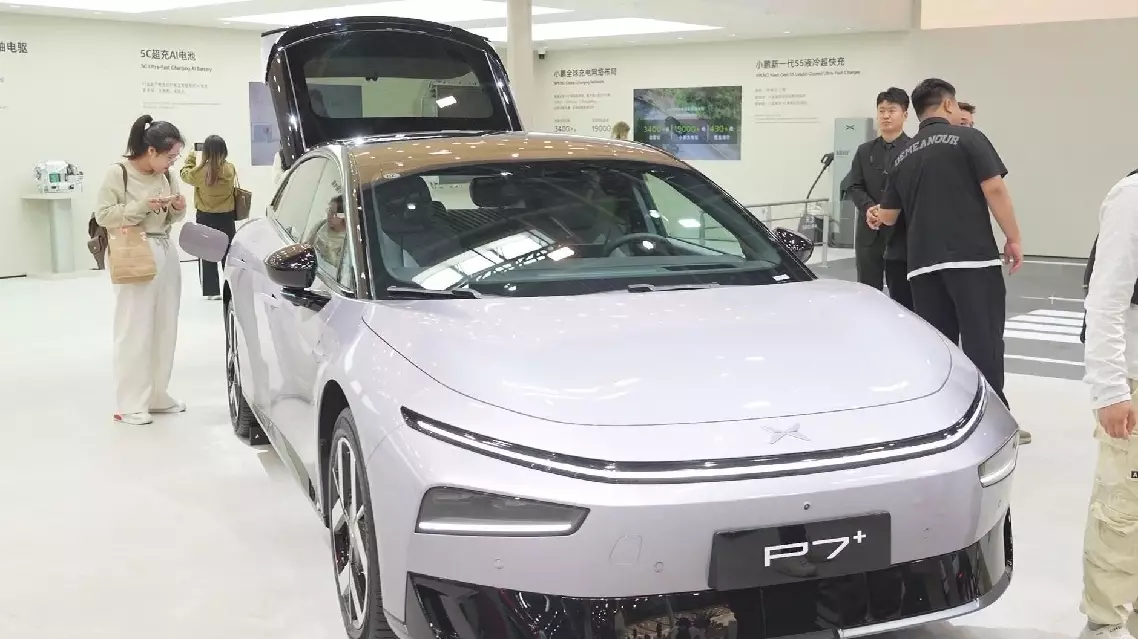
Chinese automaker XPeng Motors tops Israel's EV sales in Jan-July
Hainan Province in south China has emerged as a popular destination for inbound tourists this summer despite soaring temperatures, driven by its visa-free policies, immersive cultural experiences and improved travel services.
From wellness tourism and intangible cultural heritage programs to tropical rainforest villages, the island is attracting a growing number of international visitors seeking authentic Chinese culture.
Supported by visa-free access for citizens of 86 countries, the island province now operates 78 international passenger air routes linking 45 cities in 25 countries and regions.
Sanya, one of the island's most popular destinations, saw inbound tourist arrivals rise 43 percent year on year in June, despite the summer heat, as local authorities expanded tourism offerings and improved travel convenience.
"We are focusing on developing immersive tourism products featuring wellness, intangible cultural heritage, nighttime performances and outdoor sports. All 14 of our A-level scenic spots have completed multilingual signs and guide services, multilingual menus have been introduced, and foreign bank card payment terminals have been widely installed across the city," said Zhang Hao, deputy director of the tourism development bureau of Sanya City.
Enhanced tourism products and visitor-friendly services have encouraged many overseas travelers to return to Hainan.
According to the China Tourism Academy, more than 60 percent of inbound tourists list experiencing Chinese culture as a primary purpose of their trips.
In Maona Village, a Li ethnic community nestled in the tropical rain forest of Wuzhishan, foreign visitors are joining tea-picking and tea-processing activities to experience Chinese tea culture firsthand.
They also take part in traditional bamboo pole dancing with local villagers, gaining a deeper understanding of customs and heritage of the Li ethnic group.
China's Hainan Province draws growing inbound tourists with immersive cultural experiences