China has ample policy tools to counter the effects of U.S. tariff hikes, using challenges as a catalyst for economic transformation and sustained growth, according to an economist from the Chinese Academy of Social Sciences.
In a recent interview with China Media Group (CMG), Zhang Bin, deputy director of the Institute of World Economics and Politics at the Chinese Academy of Social Sciences, stated that U.S. tariffs have spurred China's efforts to boost domestic demand. He added that these trade challenges could pave the way for a more efficient economic model with improved resource allocation. "I am confident about this because you can see that after September 26 our counter-cyclical policies and our policies to expand domestic demand have been taking effect. From the fourth quarter of last year to the first quarter of this year, we have been on a path of improvement. It is just that we are now suddenly faced with a huge shock. The good thing is that we have a large policy space, and our inflation level is very low, so we have enough tools and means to solve the problem," Zhang said.
Zhang emphasized that fair competition fosters mutual benefits in global trade, adding that China remains committed to promoting openness and fair competition, regardless of U.S. actions.
"China is currently in a stage of ascent. Chinese enterprises are in a stage of rising within the global industrial chain. As you rise, the more you climb, the more competition you will face from enterprises in developed countries, and the more competition there is, the greater the challenges. The attitude towards competition from China, compared to the past, has changed. We must first understand one thing: what does competition actually bring, especially after China entered the competition? As those of us studying the market economy know, competition leads to a win-win situation. However, the actions of the United States are currently disrupting global fair competition and breaking the win-win scenario," Zhang said.
"China has to keep a major power's open mindset, and that is no matter what the United States does, China's direction remains to create a win-win situation instead of a lose-lose one. You can see from important political documents and meetings that we are still emphasizing high-level opening up. First we open up ourselves, but we will also bring in more strengths to open up together with us. We need to unite the majority and create a win-win, multi-win situation. I believe China has the strength and ability to lead the world toward such an open situation, where everyone is better off with competition," he added.
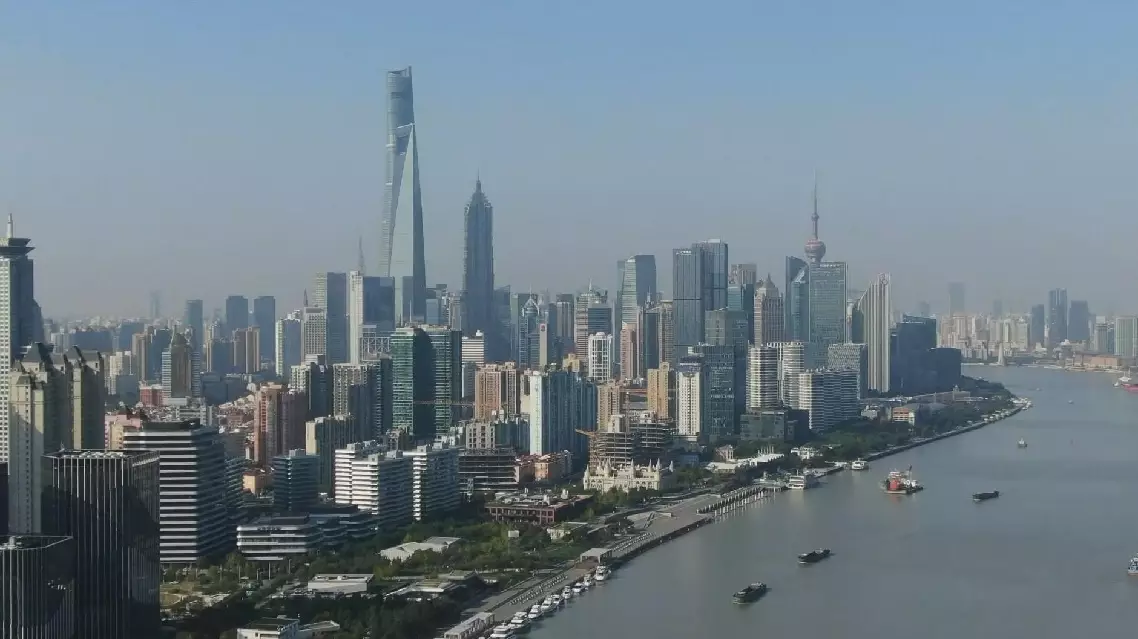
China has ample policy tools to manage trade pressures: expert