In the heart of Paris, chef Fabien Borgel is quietly revolutionizing French gastronomy with his sunflower seed-based "faux gras", a plant-based answer to the ethical concerns surrounding traditional foie gras.
Borgel's innovative recipe combines sunflower seeds, coconut oil and turmeric to recreate the rich texture of the classic delicacy.
"My foie gras is made of plant-based, gluten-free and animal-cruelty-free (ingredients)," said Borgel.
Customers have responded with great enthusiasm.
"The customer was happy to see something new because most of them don't eat foie gras anymore. Then they see in my carte the 'faux gras', and they want to try that," Borgel noted, reflecting shifting attitudes in the dish's homeland.
The creation reflects growing ethical consciousness among French diners, even in the homeland of the controversial dish made by force-feeding ducks and geese.
While the Paris Agricultural Show in March prominently featured traditional foie gras varieties, several French cities including Bordeaux, Strasbourg and Nantes have removed it from official menus due to animal welfare concerns.
Foie gras producers maintain the practice is humane when performed properly. The president of the Foie Gras Producers Committee argues the force-feeding process lasts only four minutes in a duck's life and causes no harm if done correctly.
Yet the culinary landscape is shifting. Borgel may be among the first chefs to offer a vegan alternative, but his innovation points to broader changes in consumer preferences and ethical dining trends.
The evolution comes as UK's Labor Party recently stepped back from its pledge to ban foie gras imports, highlighting the ongoing global debate about balancing culinary heritage with animal welfare concerns.
From Parisian kitchens to municipal government buildings, France's relationship with its iconic delicacy continues to evolve, with plant-based innovations leading the way toward more ethical gastronomy.

French chef reinvents "foie gras" as ethical dining gains ground

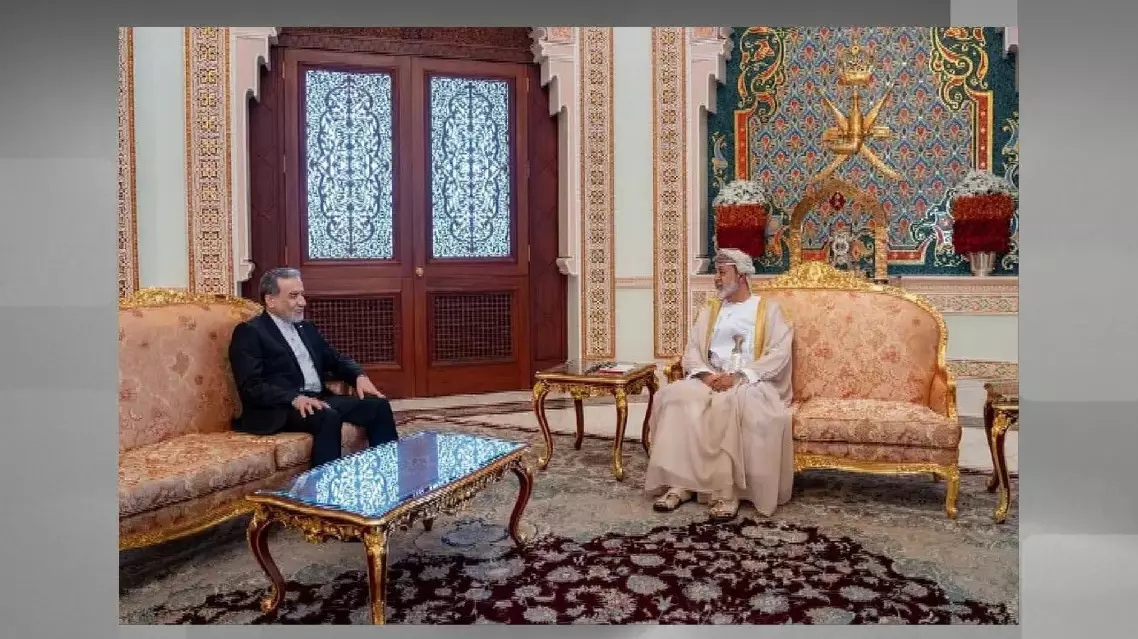
Some Iranians in Türkiye are crossing back over the border, driven by worry and desperation, as a nationwide communications blackout in Iran has left them cut off from their loved ones.
Protests have erupted in many Iranian cities since Dec. 28. They initially began with Tehran bazaar merchants demonstrating against the sharp devaluation of the national currency rial, and soaring inflation, before spreading to other cities. The unrest has led to casualties among both security forces and civilians.
At the Turkish-Iranian border, many are returning with no certainty about what awaits them, filled instead with questions and growing fear for those on the other side of the border.
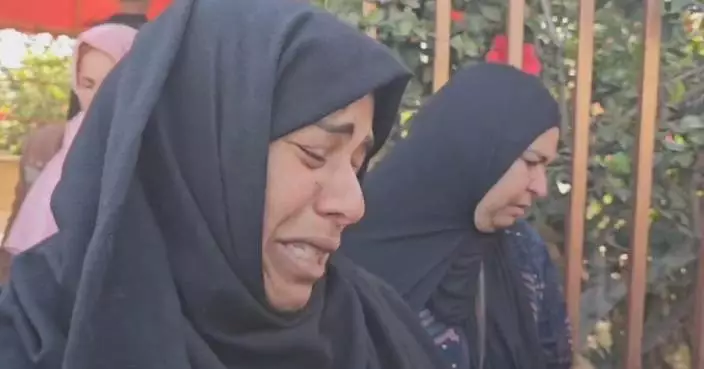
"I went to Van yesterday for internet. I urgently needed to use the internet. I got it done. Now I'm heading straight back. There are protests everywhere. We can't get any news. We can't communicate with our families. And it's not just me, there are many Iranians outside the country who can't reach their families," said Feriste, an Iranian citizen.
With communications blacked out across Iran, those outside the country feel powerless to check on the situation back home. For some, this silence has prompted them to return across the border, even as tensions continue to rise.
"We can't get any news. There is no internet. Everything is shut down. I want to search. I want to find out. I want to see my brother. I'm going to see my family," said Husnu, an Iranian citizen.
"I work in Türkiye, and I have no news from Iran at all. I'm going back because I'm worried about my family. It's been days since I last heard from them, and because I'm worried, I'm returning to Iran now. Of course, we are concerned about our safety. We don't know what awaits us there," said another Iranian.
With protests escalating and government blackouts still in place, many Iranians are caught between staying in safety abroad and risking everything to reconnect with their families.
"We had to come to Türkiye because we couldn't reach our families. Schools were closed already. All official institutions were shut down. We have no information about other cities either, because there is no communication network there. There is no television, no internet. We can't even check Twitter," said Nazlican, another Iranian citizen.
Iranians in Türkiye return home, fearing for their families amid unrest in Iran