The U.S. Leading Economic Index (LEI), a key gauge of future business activity, fell 0.7 percent in March, its largest monthly decline since late 2023, the Conference Board said on Monday.
The Conference Board is an independent, non-profit, economic research body that is tasked by the U.S. Department of Commerce to produce and publish the LEI every month.
The drop in the LEI underscores growing concerns over the economic impact of ongoing policy uncertainty, particularly regarding tariffs. Analysts say ambiguity surrounding trade and tariff measures has weighed on both consumer sentiment and business investment.
The data comes as U.S. President Donald Trump intensifies pressure on the Federal Reserve to accelerate interest rate cuts, further unsettling markets.
The S and P 500, Nasdaq Composite, and Dow Jones Industrial Average all ended Monday's session in the red, reflecting rising investor unease over the outlook for growth. In currency markets, the U.S. dollar index — which tracks the greenback against a basket of six major peers — slipped to 97.92, its lowest level since March 2022.
Meanwhile, gold prices surged to record highs, with both international gold futures and spot prices exceeding 3,500 U.S. dollars per ounce on Tuesday, driven by demand for safe-haven assets amid growing economic uncertainty.
Torsten Slok, chief economist at Apollo Global Management, warned on Monday that persistently high tariffs could push the U.S. economy into a downturn, saying that the odds of a two-quarter contraction in output stand at 90 percent, with GDP falling by 4 percentage points. He said he was certain the U.S. will fall into a recession this year.
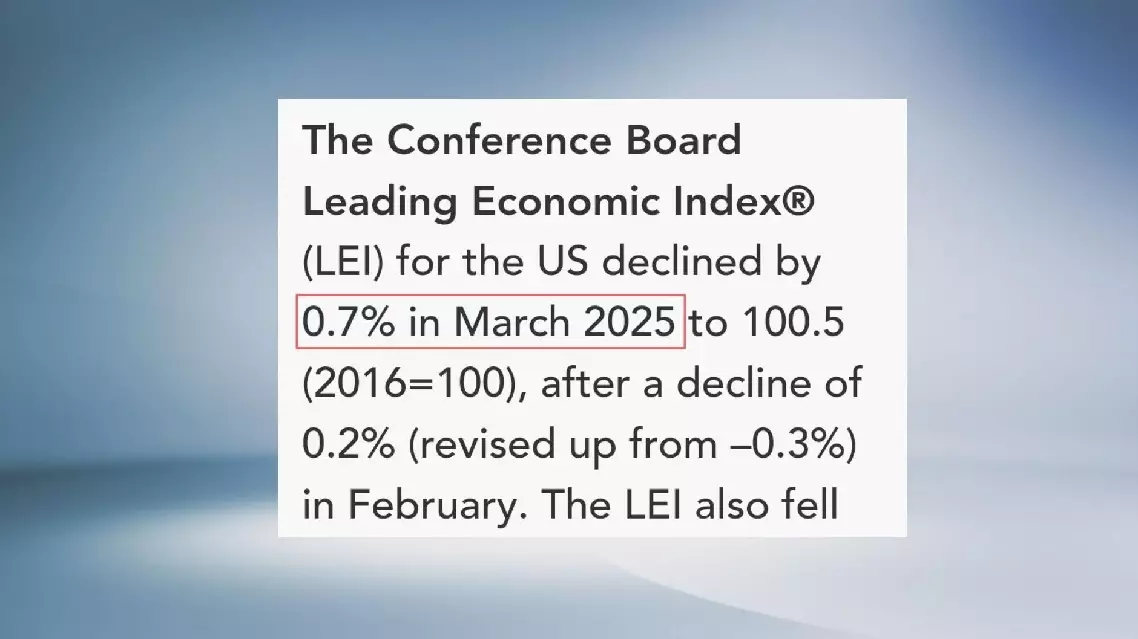
US Leading Economic Index posts sharpest drop since 2023 amid tariff uncertainty
Holiday celebrations with strong festive vibes in southwest China's Yunnan Province are attracting crowds of visitors thanks to the rich local traditions, cuisine, and culture.
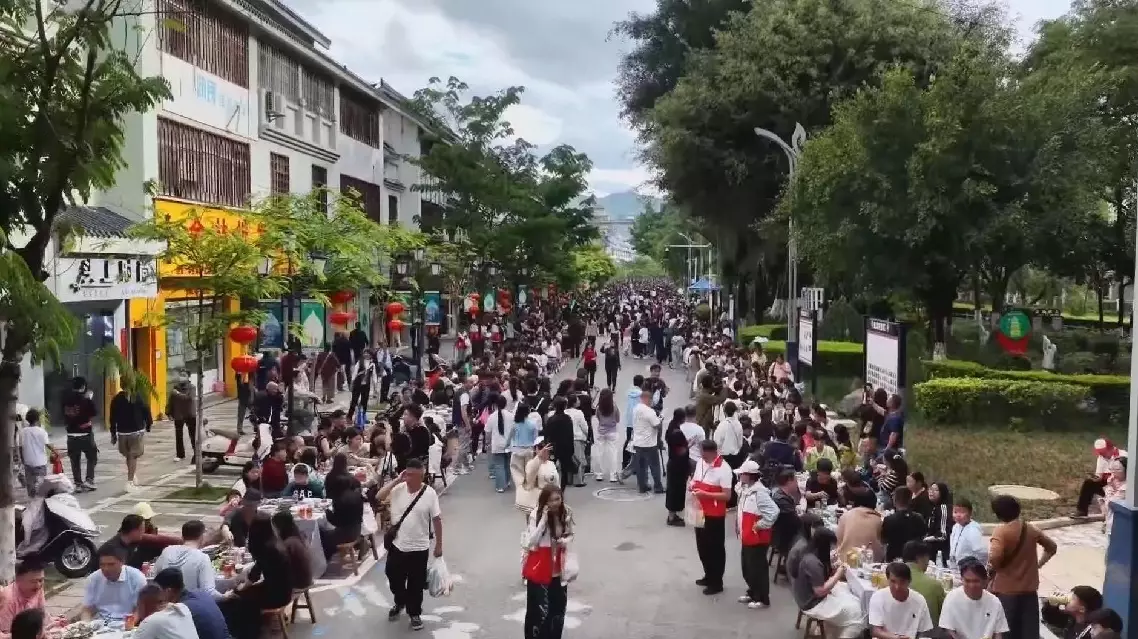
Mojiang County is home to the Hani ethnic group. On Saturday, the second day of the May Day holiday, the Hani people were celebrating one of their most vibrant traditions, the Long-Street Banquet.
There was a grand open-air feast -- a hallmark of Hani culture. During major festivals, local families would line the streets with long rows of tables, and gather together to share food and music in celebration. This year, more than 100 tables have been set up, welcoming both residents and visitors to join in. And among the many dishes on offer, purple rice stands out as a local favorite, prized not only for its rich flavor but also for its deep cultural significance.
But this banquet is just one part of the county's 20th International Twins Festival. Located along the Tropic of Cancer, Mojiang is widely known as China's "Town of Twins", with a twin birth rate significantly higher than the global average.
This year, more than 1,000 pairs of twins have gathered here, including participants from nearly 20 countries. Earlier today, they took part in a vibrant parade through the town, greeting residents and visitors along the route. It's a rare sight, and one that truly brings the festival to life.
There is no shortage of experiences for visitors. Visitors can join traditional circle dances around a bonfire, while live performances by local singers add even more energy to the festive atmosphere. Another well-known tradition sees people exchange blessings by smearing an edible black powder on each other's faces, symbolizing good luck.
Unique traditions, culture in Yunnan boost holiday economy