Skip to Content Facebook Feature Image

SAIC Volkswagen debuts electric concept vehicles at Auto Shanghai 2025

China

China

China

SAIC Volkswagen debuts electric concept vehicles at Auto Shanghai 2025

2025-04-24 19:24 Last Updated At:20:17

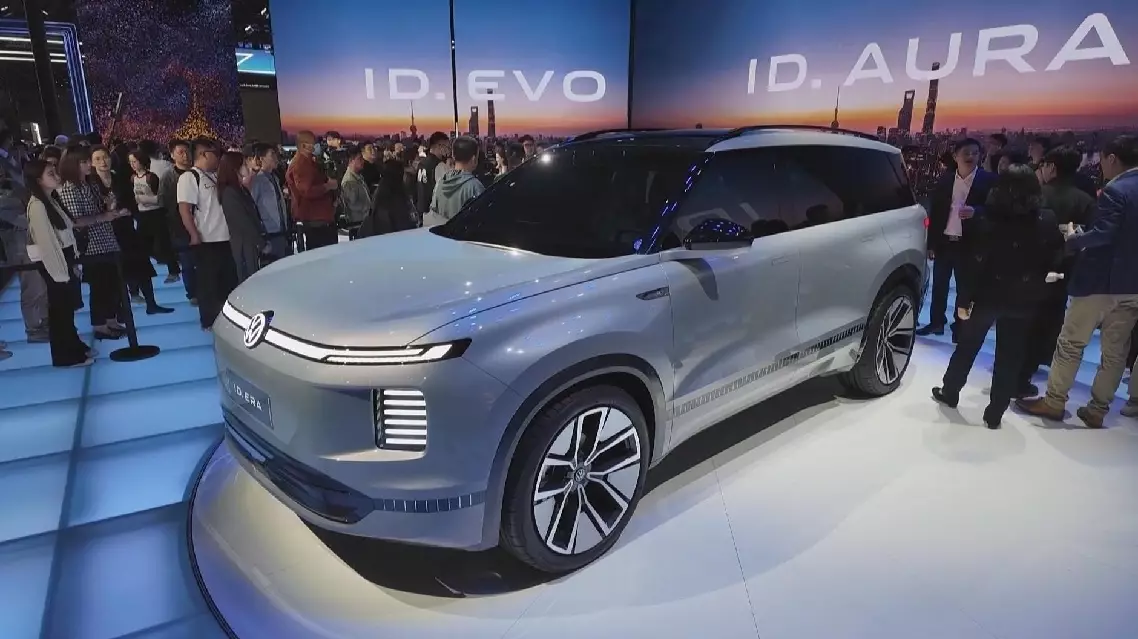
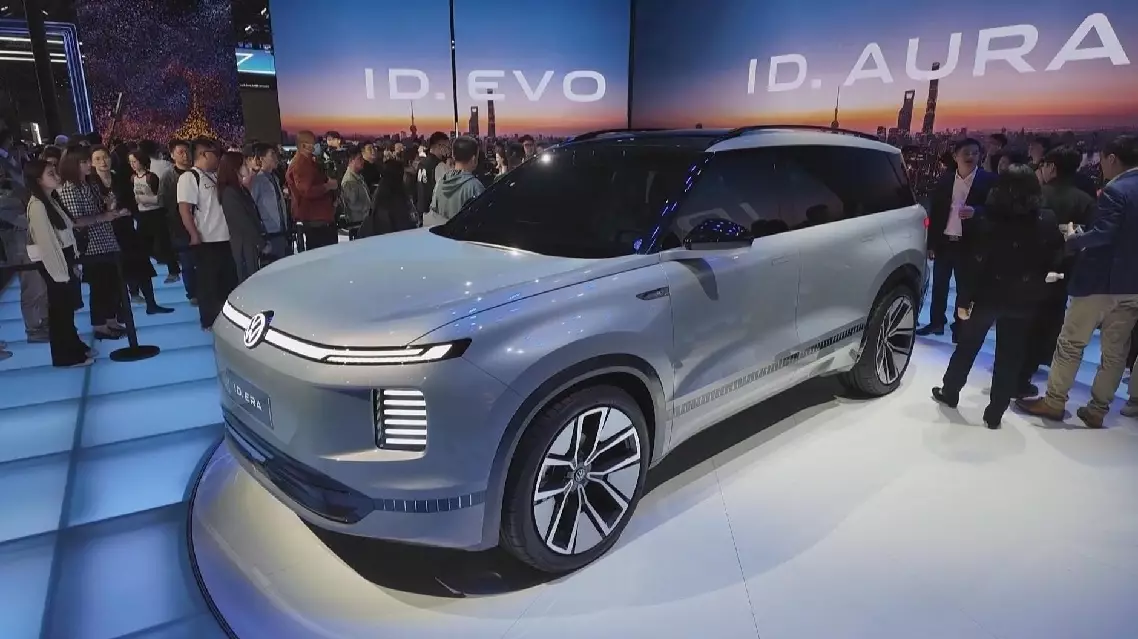
SAIC Volkswagen, China's first joint venture for passenger cars between Volkswagen Group and SAIC Motor, debuted several electric concept vehicles at the 21st Shanghai International Automobile Industry Exhibition, also known as Auto Shanghai 2025.

Among the concept vehicles on display is the ID.ERA by SAIC Volkswagen -- Volkswagen Group's first range-extended full-size SUV concept.

This model features a fuel-powered generator that charges the battery during operation, providing an extended range of over 700 kilometers. Along with its 300-kilometer range in battery mode, the ID.ERA achieves a total driving distance exceeding 1,000 kilometers.

"This is a 'new automotive era' defined by Chinese consumers. The ID.ERA's appearance is bold, pure, exceptional, and robust, unmistakably reflecting Volkswagen's identity. It also integrates a brand-new design language exclusive to China that exudes a sense of luxury and futurism," said Tao Hailong, general manager of SAIC Volkswagen.

Another concept vehicle presented at the event is the E5 Sportback, the first production model from AUDI, Audi's new sister brand developed in collaboration with SAIC Motor.

This fully electric model, jointly developed by experts from Germany and China, features a range of up to 770 kilometers, providing Chinese consumers with a premium mobility option.

SAIC Volkswagen will introduce 20 new models by 2030, further advancing the realm of joint ventures.

"We uphold precise manufacturing processes, strict safety testing standards, and complete safety testing procedures. We build a software and hardware integrated security protection system based on driving assistance algorithms and chassis tuning capabilities, solidifying our position as consumers' preferred premium mobility partner," Tao said.

Themed "Embracing Innovation, Empowering the Future," Auto Shanghai 2025 kicked off in Shanghai on Wednesday, attracting nearly 1,000 noted enterprises from 26 countries and regions.
SAIC Volkswagen debuts electric concept vehicles at Auto Shanghai 2025
SAIC Volkswagen debuts electric concept vehicles at Auto Shanghai 2025

SAIC Volkswagen debuts electric concept vehicles at Auto Shanghai 2025
SAIC Volkswagen debuts electric concept vehicles at Auto Shanghai 2025

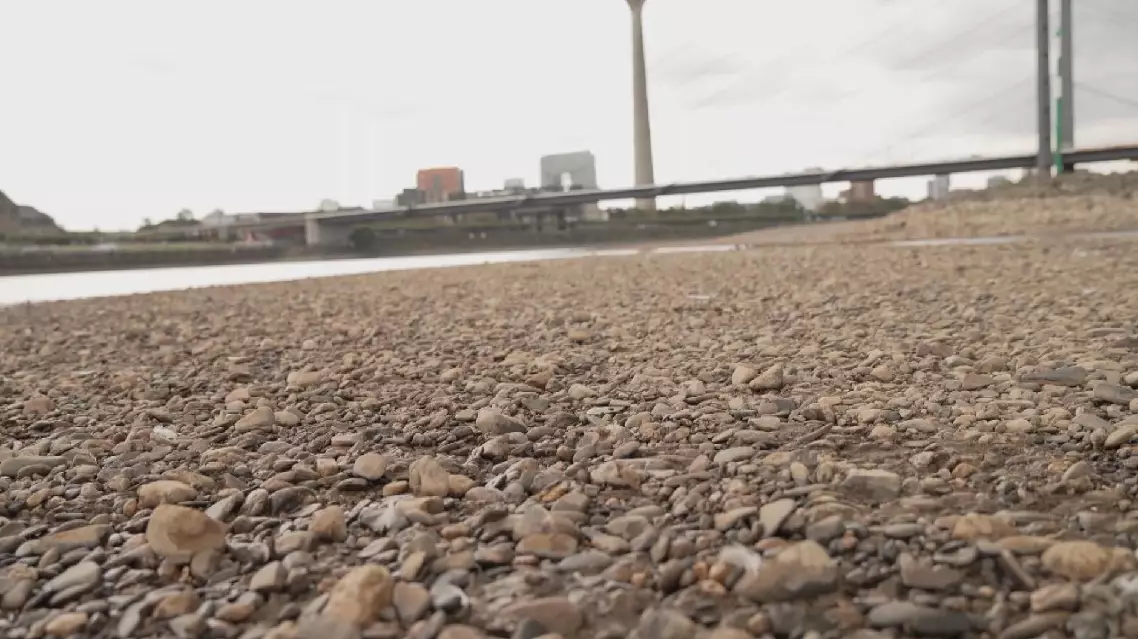
Prolonged high temperatures and scant rainfall have driven Germany's major rivers, including the Rhine, to record-low levels, disrupting cargo shipping and putting mounting pressure on the nation's industrial supply chain.

At the Rhine section in western Germany's Dusseldorf, official measurements recorded the water level at just 20 centimeters as of 10:00 local time Friday. While recent rainfall has brought a slight recovery, this figure remains below the historic low of 23 centimeters set in 2018. The average water level there between 2010 and 2020 stood at approximately 257 centimeters.

The extreme low water not only exposes vast stretches of riverbed, but also severely restricts navigation, putting Germany's vital inland shipping artery under acute strain and affecting the entire industrial supply chain that depends on it.

The Rhine, which carries roughly 80 percent of Germany's inland waterway freight, channeling coal, petroleum, ores, and vast quantities of chemical raw materials to the country's industrial heartlands.

In its latest monthly report released on August 20, the German central bank warned that months of dry weather have caused water levels on the Rhine and other German rivers to drop sharply. Vessels are unable to sail at full capacity, leading to higher transport costs, shipment delays, and subsequent disruptions to industrial production and exports.

The central bank cited low water levels as a significant factor weighing on Germany's economic activity in the third quarter, noting that it is visibly hampering the nation's economic recovery.

A scenario analysis by the German Economic Institute previously estimated that a sustained one-month low-water period could reduce Germany's waterway freight volume by about 25 percent, potentially shaving roughly 1 percent off industrial output.

The heatwave and drought are probably transmitting climate risks step by step along the Rhine, Germany's industrial lifeline, directly into the real economy.

Record-low Rhine water levels strain German industrial supply chain

Record-low Rhine water levels strain German industrial supply chain

Recommended Articles